
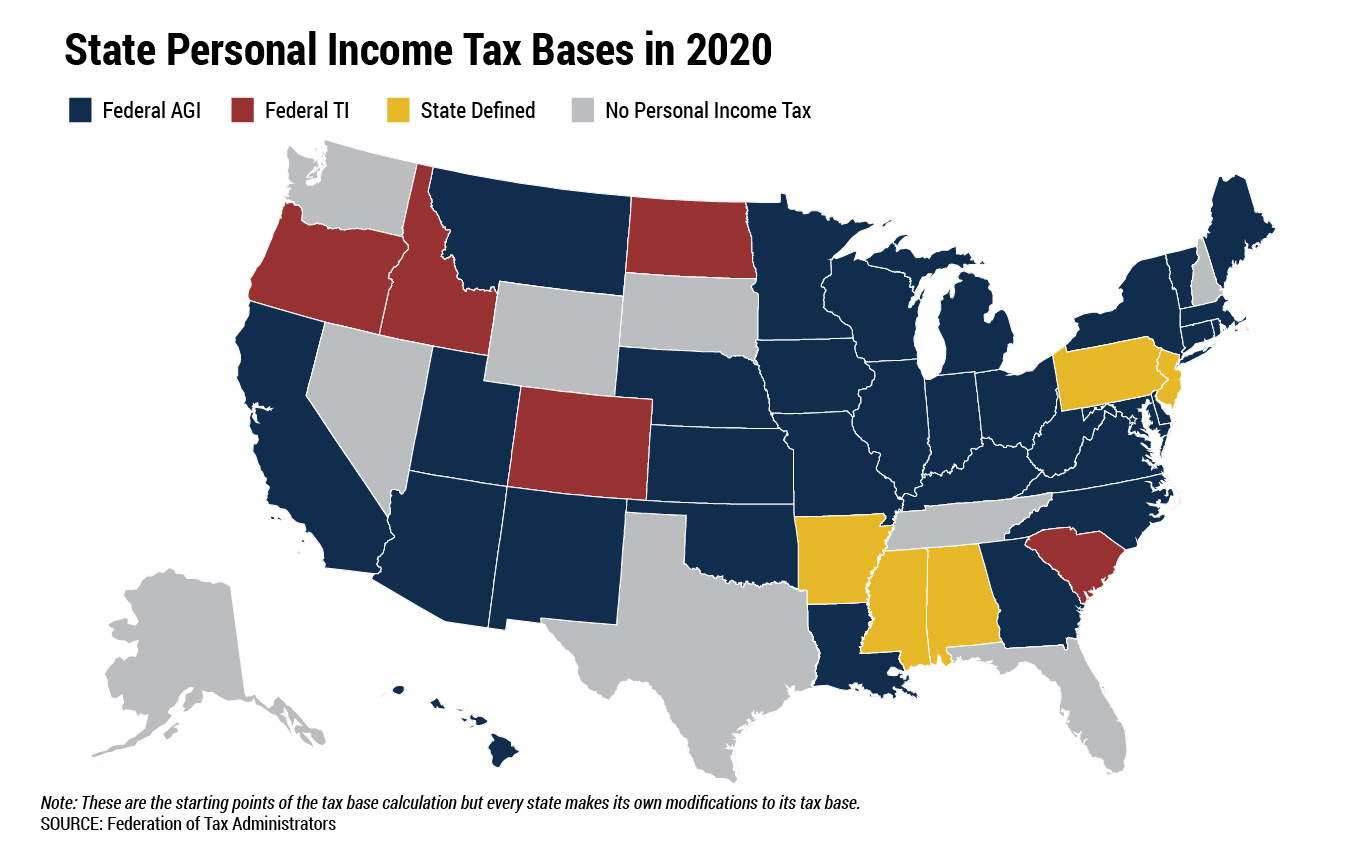
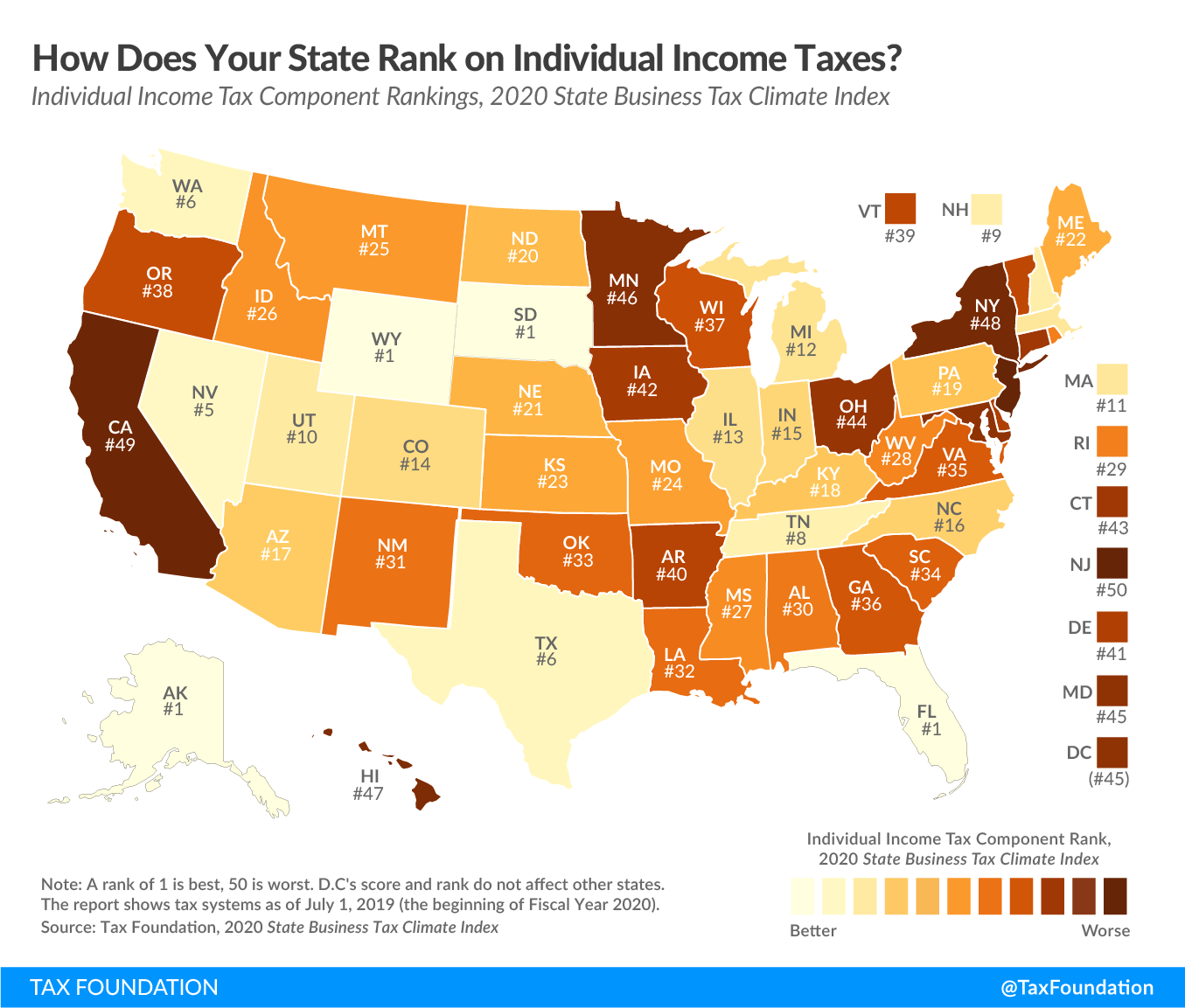
For many contemplating a move, an extended stay, or even just a visit to the Last Frontier, a fundamental question often arises: “Does Alaska have income tax?” The answer is a resounding no. Alaska stands out as one of only a handful of states in the United States that does not impose a statewide individual income tax. This unique fiscal approach, coupled with other notable economic policies, shapes the lifestyle, economy, and even the travel experience within this vast and captivating state.
The absence of a state income tax is a significant draw for residents, offering a potentially higher take-home pay compared to many other states. However, this policy doesn’t exist in a vacuum. It’s part of a broader financial strategy that funds public services and infrastructure, largely reliant on the state’s abundant natural resources. Understanding this distinctive tax landscape is crucial not only for those considering residency but also for travelers looking to grasp the economic underpinnings of this extraordinary destination. From bustling urban centers like Anchorage to remote wilderness lodges, Alaska’s economic framework subtly influences everything from the cost of goods to the availability of services, impacting both daily life and the tourism industry.

The Alaskan Tax Landscape: A Unique Approach to State Funding
Alaska’s approach to taxation is genuinely distinctive, setting it apart from nearly all other states in the United States. This system is designed to leverage the state’s natural wealth, primarily from oil and gas revenues, to fund government services without directly taxing its residents’ earned income.
No State Income Tax, No State Sales Tax
The cornerstone of Alaska’s tax appeal is the complete absence of a statewide individual income tax. This means residents do not pay a percentage of their earnings to the state government. Furthermore, Alaska is also one of the few states that does not levy a statewide sales tax. This combination can lead to substantial savings for individuals and families, potentially boosting disposable income and enhancing purchasing power within the state.
However, it’s important to note that while there is no statewide sales tax, some local jurisdictions, such as cities and boroughs, do impose their own sales taxes. These local sales taxes vary significantly, ranging from 0% in some areas to upwards of 7.5% in others. For instance, popular tourist destinations like Juneau and Ketchikan have local sales taxes, which visitors and residents alike pay on goods and services. Property taxes are also levied at the local level by boroughs and municipalities, contributing to the funding of local schools, police, and other community services. Understanding these nuances is key for anyone budgeting for a long-term stay or evaluating the overall cost of living.
Understanding the Permanent Fund Dividend (PFD)
Adding another layer to Alaska’s unique financial structure is the Alaska Permanent Fund and its annual dividend (PFD). Established in 1976 through a constitutional amendment, the Alaska Permanent Fund is a constitutionally protected savings account that holds a portion of the state’s mineral revenues. The fund’s earnings are invested, and a portion of these earnings is distributed annually to eligible Alaskan residents in the form of the PFD.
To qualify for the PFD, an individual must have been a resident of Alaska for a full calendar year prior to application and intend to remain an Alaskan resident indefinitely. The dividend amount varies each year, dependent on the fund’s earnings and legislative decisions, but it can be a significant boost to a household’s income. This dividend program represents a tangible benefit of Alaska’s resource wealth directly distributed to its citizens, further solidifying the state’s appeal for those seeking a unique lifestyle.
Other Revenue Streams: Oil, Property Taxes, and Fees
Without state income or sales taxes, how does Alaska fund its extensive public services, maintain its infrastructure, and support a diverse array of programs? The primary answer lies in its rich natural resources, particularly oil and gas. Taxes and royalties from petroleum production account for a substantial portion of the state’s unrestricted general fund revenues. This reliance on a single industry has historically led to periods of both immense prosperity and significant fiscal challenge, depending on global energy prices.
Beyond oil, the state also generates revenue through various fees, permits, and licenses, including those for fishing, hunting, and various business operations. As mentioned, local property taxes and sales taxes (where applicable) contribute to municipal and borough budgets. This diversified, albeit resource-heavy, revenue strategy allows Alaska to maintain a lean tax burden on its individual citizens while continuing to operate as a functional and progressive state, albeit one that grapples with the volatility of commodity markets.
Lifestyle and Economic Appeal: Beyond the Tax Advantage
The absence of state income and sales tax, coupled with the Permanent Fund Dividend, paints an attractive financial picture for potential residents. However, Alaska’s appeal extends far beyond these fiscal incentives, drawing individuals seeking a unique lifestyle amidst breathtaking natural beauty and unparalleled opportunities for adventure.
What Attracts Residents and Businesses
The tax structure undeniably plays a role in attracting residents. For those prioritizing take-home pay and a reduced tax burden, Alaska presents a compelling alternative to states with higher taxation. This economic advantage can be particularly appealing for individuals and families looking to save, invest, or simply enjoy a higher standard of living without the immediate bite of state income tax. Furthermore, the PFD serves as a unique benefit that directly rewards residency, distinguishing Alaska from virtually every other state.
For businesses, the lack of a statewide sales tax can reduce operational costs and simplify financial reporting, making Alaska an attractive location for certain industries. The state also boasts a strong entrepreneurial spirit, fueled by its pioneering history and the need for resilient local services. The tourism sector, in particular, thrives on the state’s natural assets, creating numerous small businesses centered around guiding, accommodation, and local crafts. This environment fosters a sense of self-reliance and community support, which is often deeply valued by those who choose to call Alaska home.
Cost of Living Considerations: The Trade-Offs
While the tax benefits are clear, it’s equally important to consider the overall cost of living in Alaska. Often, the lack of income and sales tax is balanced by higher prices for goods and services, particularly in more remote areas. Due to its geographic isolation and reliance on transportation for imported goods, everything from groceries to gasoline can be significantly more expensive than in the lower 48 states. Housing costs can also be high in popular urban centers like Anchorage and Juneau, though they vary widely across the state.
Utilities, especially heating in the long, cold winters, can also add considerably to monthly expenses. These factors necessitate careful budgeting and underscore the importance of securing a well-paying job before relocating. While the tax benefits can offset some of these increased costs, the “Alaskan premium” on many daily necessities is a crucial aspect of the lifestyle equation. However, for many, the trade-off is well worth it for the unparalleled access to nature, the unique cultural experiences, and the strong community bonds that define life in the Last Frontier.
Alaska for Tourists: Maximizing Your Adventure and Budget
For visitors, the question of Alaska’s tax structure carries a different significance. While you won’t be receiving a PFD, understanding the economic framework helps in appreciating the local economy and budgeting effectively for an unforgettable travel experience. The appeal of Alaska for tourism is immense, drawing millions annually to its glaciers, wildlife, and vast wilderness.
How Tax Policies Affect Travel Costs
As a tourist, the lack of statewide sales tax might offer a slight advantage on certain purchases, but it’s not a primary cost-saving mechanism. Remember that many popular tourist towns will have local sales taxes, so factor that into your shopping for souvenirs or dining out. Generally, the costs associated with an Alaskan vacation — flights, accommodations, tours, and transportation — are often higher than in other destinations due to the remote nature, specialized services, and shorter operating seasons.
The state’s reliance on oil revenues indirectly supports infrastructure that benefits tourists, such as well-maintained roads and state parks, without burdening visitors with additional state-level taxes. However, the price of gasoline for road trips, food at restaurants, and tour excursions are determined by market forces, operating costs, and seasonal demand, not significantly reduced by the absence of state sales tax. Instead, focus your budgeting on the larger components of your trip, such as flights, cruise fares (if applicable), and guided excursions, which typically form the bulk of Alaskan travel expenses.
Top Destinations and Experiences
Alaska offers a plethora of world-class attractions and experiences that cater to every type of traveler. From the rugged beauty of Denali National Park with its towering peak, Mt. Denali, to the marine wildlife spectacles of Kenai Fjords National Park, the options are boundless.
- Anchorage: As the state’s largest city, Anchorage serves as a major hub for flights and offers urban amenities alongside easy access to wilderness. Explore the Alaska Native Heritage Center, the Anchorage Museum, or embark on day trips into the Chugach Mountains.
- Juneau: The state capital, accessible only by air or sea, is famous for the magnificent Mendenhall Glacier and whale watching tours.
- Fairbanks: Located in Interior Alaska, Fairbanks is the prime spot for viewing the Northern Lights during winter and experiencing the midnight sun in summer.
- Seward: A picturesque port town on the Kenai Peninsula, offering gateway access to Kenai Fjords National Park and abundant fishing charters on the Gulf of Alaska.
- Ketchikan & Sitka: These Southeast Alaska cities are popular cruise ship stops, known for their rich Native Alaskan culture, totem poles, and stunning marine environments along the Inside Passage.
- Homer: Known as the “Halibut Fishing Capital of the World,” Homer is nestled on Kachemak Bay, offering a vibrant arts scene and access to bear viewing excursions at Katmai National Park and Preserve.
Accommodation Choices and Their Economic Impact
Alaska’s accommodation options range from luxurious wilderness lodges and full-service resorts to cozy bed and breakfasts, vacation rentals, and campsites. In cities like Anchorage, you’ll find well-known hotel chains, while smaller towns often feature boutique hotels and locally owned establishments. The tourism industry is a vital component of the Alaskan economy, directly benefiting from visitor spending on lodging, tours, and local businesses.
Booking accommodations well in advance is highly recommended, especially during the peak summer season (June-August), as popular options fill up quickly. Many accommodations offer packages that include activities, which can sometimes provide better value. When researching, consider whether you prefer a remote cabin experience for wildlife viewing, a bustling city hotel for cultural exploration, or a seaside lodge for marine adventures. Each choice contributes to the local economy and helps sustain the unique businesses that make Alaska such a memorable travel destination.
Planning Your Alaskan Journey: Financial Tips and Travel Insights
Embarking on an Alaskan adventure requires careful planning, not just for the logistics of travel in such a vast state, but also for managing your budget effectively. While the absence of state income tax won’t directly impact tourists’ wallets significantly, understanding the overall cost structure and making smart choices can enhance your experience.
Budgeting for an Alaskan Escape
An Alaskan trip can be an investment, but with strategic planning, it’s possible to manage costs without sacrificing the core experiences.
- Transportation: Flights to Alaska can be costly, so booking in advance is crucial. Once there, consider whether you’ll be renting a car, taking the Alaska Railroad, or opting for small planes or ferries to reach more remote areas. The Alaska Marine Highway System, while slower, offers a scenic and often more affordable way to explore the coastal communities of the Inside Passage.
- Activities & Tours: Many of Alaska’s signature experiences, such as glacier cruises, bear viewing excursions, fishing charters, and flightseeing tours, come with a significant price tag. Prioritize what’s most important to you and allocate funds accordingly. Look for tour operators that offer early bird discounts or multi-activity packages.
- Food: Dining out can be expensive, especially in tourist-heavy areas. Consider self-catering where possible, utilizing local grocery stores to pack lunches or prepare some meals, particularly if staying in accommodations with kitchenettes.
- Shoulder Seasons: Traveling during the shoulder seasons (May or September) can offer reduced prices on flights and accommodations, fewer crowds, and still fantastic weather and wildlife viewing opportunities.
From Anchorage to Fairbanks: Exploring Diverse Regions
Alaska’s immense size means that different regions offer vastly different experiences.
- Southcentral Alaska: Home to Anchorage and gateway to the Kenai Peninsula, this region is ideal for those seeking a mix of city amenities, hiking, fishing, and glacier viewing. Towns like Seward and Talkeetna offer unique local charm and access to national parks.
- Interior Alaska: Centered around Fairbanks, this region is known for its extreme temperatures, the Arctic Circle tours, and incredible opportunities to witness the Aurora Borealis in winter. It’s also the access point for Denali National Park.
- Southeast Alaska (The Panhandle): Best explored by cruise or ferry, this region is a labyrinth of islands, fjords, and lush rainforests. Cities like Juneau, Ketchikan, and Sitka offer rich cultural histories, access to Glacier Bay National Park, and abundant wildlife.
- The Arctic & Southwest Alaska: For the truly adventurous, these remote regions offer unparalleled experiences like bear viewing at Brooks Falls in Katmai National Park and Preserve or exploring the pristine wilderness of Gates of the Arctic National Park and Wrangell-St. Elias National Park and Preserve. These areas often require specialized tour operators and fly-in access, adding to the cost but delivering unforgettable memories.
Experiencing Alaskan Wildlife and National Parks
No trip to Alaska is complete without immersing yourself in its incredible wildlife and vast national parks.
- Wildlife Viewing: Alaska is home to grizzly bears, black bears, moose, caribou, wolves, whales, seals, and a myriad of bird species. Guided tours are often the best way to safely and respectfully observe these animals in their natural habitats. Options include bear viewing flights, whale watching cruises in Prince William Sound or Resurrection Bay, and simple hikes in areas known for moose sightings.
- National Parks: Beyond Denali and Kenai Fjords, Alaska boasts several other national park units, each offering unique landscapes and adventures. From the historical significance of Klondike Gold Rush National Historical Park in Skagway to the pristine beauty of Lake Clark National Park and Preserve, these protected areas are the crown jewels of the state.
In conclusion, while Alaska does not have a state income tax, its economic story is far more complex and fascinating. This policy influences everything from the lives of its residents to the overall economic landscape that subtly shapes a traveler’s journey. By understanding this unique system, visitors can better appreciate the state’s distinct character and plan a trip that maximizes both adventure and budget in this truly magnificent part of the world.
LifeOutOfTheBox is a participant in the Amazon Services LLC Associates Program, an affiliate advertising program designed to provide a means for sites to earn advertising fees by advertising and linking to Amazon.com. Amazon, the Amazon logo, AmazonSupply, and the AmazonSupply logo are trademarks of Amazon.com, Inc. or its affiliates. As an Amazon Associate we earn affiliate commissions from qualifying purchases.