
Alaska, the “Last Frontier,” evokes images of majestic glaciers, towering mountain ranges, vast wilderness, and an abundance of iconic wildlife, from grizzly bears to soaring eagles. Its reputation as a rugged, cold, and pristine environment might lead some to wonder if this northern land, famous for its icy waters and unique ecosystems, is also home to penguins. It’s a common misconception, often fueled by general associations of cold climates with these charming, flightless birds. However, the definitive answer to the question “Does Alaska have penguins?” is a resounding no. While Alaska boasts an incredible array of marine life and avian species, penguins are not among them.

This article delves into why penguins are absent from Alaska’s stunning landscapes, where their natural habitats truly lie, and what magnificent creatures travelers can expect to encounter instead. We’ll explore the unique biodiversity of Alaska, highlighting the extraordinary travel experiences and wildlife viewing opportunities that make this state a premier destination for nature enthusiasts and adventure seekers alike. Understanding Alaska’s distinct ecosystem not only clarifies the penguin question but also enriches the appreciation for the state’s true natural wonders, from its vibrant local culture to its unparalleled outdoor activities.
The Truth About Penguins in Alaska
The idea of penguins waddling across Alaska’s tundra or diving into its frigid waters is a captivating one, but it’s fundamentally incorrect from a biological and geographical standpoint. Penguins are incredibly specialized creatures, adapted to very specific environmental conditions that are simply not found in Alaska.
Where Do Penguins Actually Live?
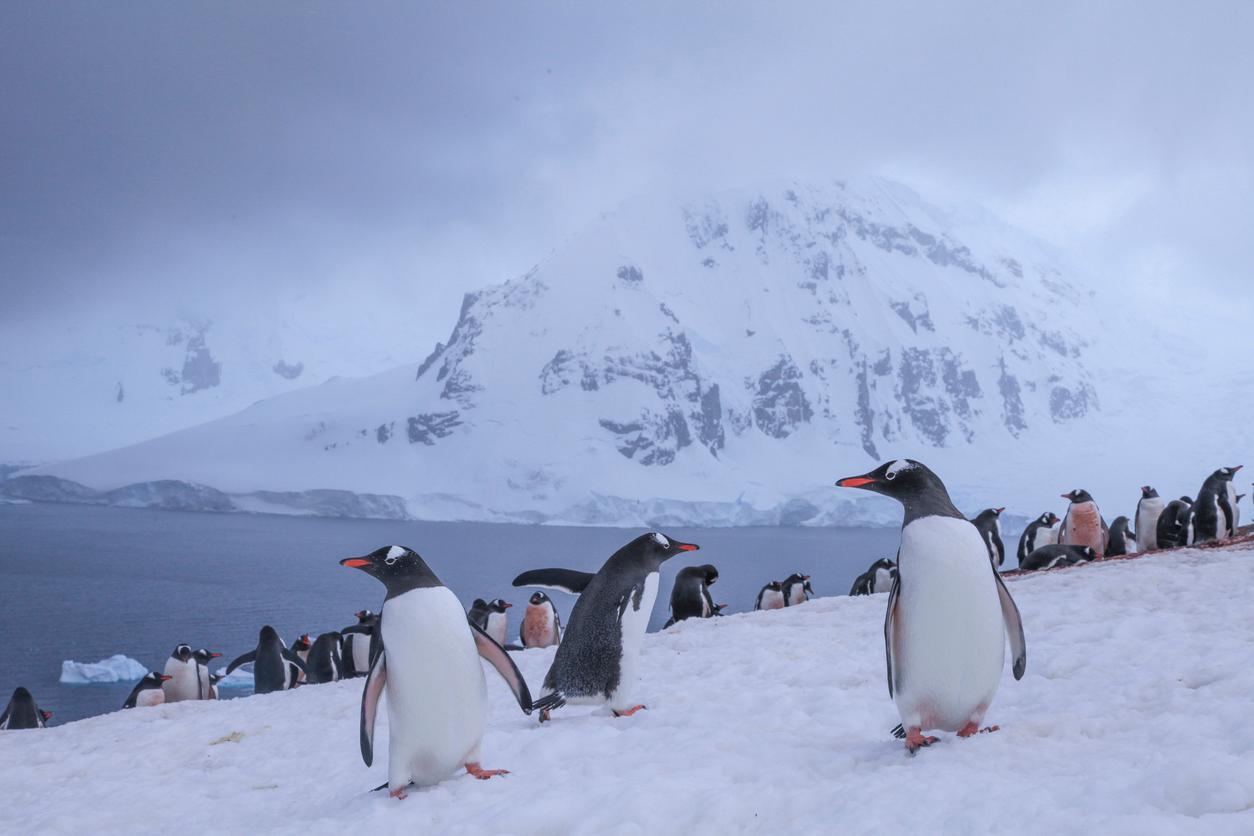
Penguins are almost exclusively creatures of the Southern Hemisphere. Their natural distribution spans a wide range of latitudes, from the icy expanses of Antarctica to the warmer, equatorial regions of the Galapagos Islands. Key populations thrive along the coasts of South America (e.g., Argentina, Chile), Africa (specifically South Africa and Namibia), Australia, and New Zealand.
The primary reason for this geographical limitation lies in the evolution and adaptation of penguins. They evolved in the southern oceans, benefiting from specific ocean currents that provide abundant food sources (like krill and fish) and isolation from many land predators. While some species, such as the Galapagos Penguin, can tolerate warmer climates due to the cold Humboldt Current, none have naturally crossed the equator to establish breeding colonies in the Northern Hemisphere. The concept of a “polar bear-penguin” ecosystem is a popular misconception; these two iconic polar animals inhabit opposite ends of the Earth.
Why Alaska’s Climate Isn’t for Penguins
While Alaska is renowned for its cold and often icy conditions, particularly in its northern regions and during winter, its specific climatic and oceanic characteristics differ significantly from the penguins’ preferred environments. Although Alaska’s waters are cold, they lack the particular blend of ocean currents, food availability, and historical evolutionary pathways that define penguin habitats.
Furthermore, the Northern Hemisphere has its own suite of cold-adapted, flight-capable seabirds that occupy similar ecological niches to penguins. Birds like auks, murres, guillemots, and especially puffins thrive in these waters. These birds, often mistaken for penguins due to their upright posture, distinctive coloration, and excellent diving abilities, have carved out their own successful existence in northern latitudes. They are a testament to the diverse ways nature adapts to harsh conditions, showcasing Alaska’s unique ecological makeup.
Understanding Alaska’s Unique Ecosystem
Alaska’s natural environment is a complex tapestry of glaciers, boreal forests, tundra, and vast coastlines bordered by the Pacific Ocean, Gulf of Alaska, and Bering Sea. This mosaic supports an incredible variety of wildlife, perfectly adapted to the state’s distinct conditions. Instead of penguins, Alaska offers a spectacular array of marine mammals, land animals, and birds that are truly indigenous to its northern climes. Understanding this unique ecosystem helps travelers appreciate the authentic natural wonders that define an Alaskan adventure, making it a dream destination for anyone seeking raw wilderness and unforgettable wildlife encounters.
Alaska’s Abundant Wildlife: A Different Kind of Wonder
While penguins might be absent, Alaska’s wildlife scene is anything but lacking. In fact, it’s one of the planet’s premier destinations for incredible animal encounters, offering diverse habitats that support an astonishing variety of species. From the depths of its icy fjords to the expansive taiga forests and Arctic tundra, Alaska is a haven for both marine and terrestrial creatures, making every visit a discovery.
Iconic Marine Life
Alaska’s coastal waters are teeming with life, providing a rich feeding ground for some of the world’s most magnificent marine mammals. Whale watching is a top attraction, with species like migrating Humpback Whales putting on spectacular breaching displays, powerful Orcas (killer whales) hunting in pods, and elusive Gray Whales making their epic journeys. In the colder waters of Cook Inlet, visitors can even spot endangered Beluga Whales.
Beyond whales, Alaska’s shores and islands are home to vast colonies of pinnipeds. Massive Steller Sea Lions haul out on rocky islets, their roars echoing across the water, while graceful Harbor Seals often pop their heads above the waves. Playful Sea Otters, often seen floating on their backs, cracking open shellfish, add an undeniable charm to any boat tour.
And for those who might miss the penguin’s distinctive look, Alaska offers its own charming, black-and-white, diving seabirds: Puffins. Both Horned Puffins and Tufted Puffins nest in large colonies along Alaska’s coasts, particularly in Kenai Fjords National Park and Prince William Sound. With their vibrant beaks and comical appearance, they are often a highlight for birdwatchers and easily fill the “cute seabird” niche.
Majestic Land Animals
Deep within Alaska’s sprawling wilderness, a diverse population of land mammals roams freely. Bears are perhaps the most iconic, with powerful Grizzly Bears (brown bears) fishing for salmon in rivers, elusive Black Bears foraging in forests, and, in the extreme north, the magnificent Polar Bears navigating the sea ice. Witnessing these animals in their natural habitat is a humbling and unforgettable experience, drawing visitors from around the globe.
The vast interior is also home to North America’s largest deer species, the majestic Moose, often spotted wading in lakes or browsing on willow. Herds of migratory Caribou traverse immense distances, their presence a symbol of the wild expanse. High in the mountains, agile Dall Sheep cling to steep cliffs, while keen-eyed visitors might catch a glimpse of elusive Wolves or various species of Foxes.
Birdwatching Paradise
Beyond puffins, Alaska is a birder’s paradise, boasting hundreds of avian species, many of which migrate thousands of miles to breed in its rich environments. Bald Eagles are a common sight, particularly along the coast, their impressive wingspans gracing the skies. Migratory waterfowl descend upon Alaska’s wetlands in enormous numbers, and various species of gulls, terns, and shorebirds patrol the beaches. The long daylight hours of the Alaskan summer provide ample time for spotting these incredible creatures, making it an essential destination for serious birdwatchers.
Planning Your Alaskan Wildlife Adventure
Embarking on an Alaskan adventure requires thoughtful planning, especially when the goal is to maximize wildlife encounters. Given the sheer size and diversity of the state, choosing the right destinations and understanding the best times to visit are crucial for a truly immersive and unforgettable experience.
Top Destinations for Wildlife Encounters
Alaska offers a plethora of world-class locations for wildlife viewing, each with its own unique appeal:
- Denali National Park and Preserve: Home to Mount Denali, North America’s highest peak, Denali is a quintessential inland wilderness experience. It’s a prime location for spotting the “big five” land mammals: Grizzly Bears, Moose, Caribou, Dall Sheep, and Wolves. Bus tours along the park road offer excellent viewing opportunities, with knowledgeable guides pointing out wildlife and sharing insights into the ecosystem.
- Kenai Fjords National Park: Located near Seward on the Kenai Peninsula, this park is a marine wildlife hotspot. Boat tours navigate glacier-carved fjords, providing close-up views of Humpback Whales, Orcas, Steller Sea Lions, Harbor Seals, Sea Otters, and nesting colonies of various seabirds, including those adorable Puffins.
- Prince William Sound: Accessible from Valdez or Whittier, this sound is famous for its stunning glaciers, calm waters, and rich marine life. It’s an excellent place for kayaking among icebergs, witnessing calving glaciers, and spotting sea lions, otters, and various seabirds.
- Kodiak Island: The “Emerald Isle” is synonymous with the formidable Kodiak Bears, the largest subspecies of brown bear. Bear viewing tours, often by floatplane, take visitors to remote locations where they can observe these magnificent creatures fishing for salmon, particularly famous at places like Katmai National Park and Preserve’s Brooks Falls.
- Southeast Alaska (Inside Passage): Cities like Juneau, Sitka, and Ketchikan are gateways to the region’s temperate rainforests and marine environment. This area is renowned for whale watching, particularly Humpback Whales, and spotting bald Eagles and other coastal birds.
- Arctic Alaska: For the most adventurous, areas like Utqiaġvik (formerly Barrow) offer the rare chance to see Polar Bears, Beluga Whales, and a range of Arctic wildlife, often requiring specialized tours and preparations due to extreme conditions.
Best Times to Visit
The prime season for Alaskan wildlife viewing is typically from late May to early September. During these summer months, the weather is milder, daylight hours are long, and most animals are active, feeding, and breeding.
- May-June: Excellent for seeing bears emerging from hibernation, migratory birds returning, and early salmon runs.
- July-August: Peak season for salmon runs, attracting bears to rivers, and the best time for whale watching and general marine life activity.
- September: Cooler temperatures, fewer crowds, and the start of fall foliage. Bear activity remains high as they prepare for winter.
Visiting outside of these months, particularly in winter, offers different experiences, such as the chance to see the Northern Lights or participate in winter sports, but wildlife viewing is more limited.
Choosing Your Alaskan Experience
Alaska caters to a wide spectrum of travel styles and budgets.
- Cruises: A popular option for exploring the Inside Passage and Gulf of Alaska, offering a comfortable way to see glaciers and marine wildlife with guided excursions.
- Land Tours: Independent or guided land packages often focus on interior destinations like Denali, Fairbanks, and Anchorage, allowing for deeper exploration of specific regions.
- Combination Trips: Many travelers opt for a mix of cruise and land components to experience both coastal and interior wonders.
- Adventure Travel: For the more adventurous, options include kayaking tours, wilderness hiking, sportfishing, flightseeing, and even multi-day expeditions into remote areas.
Accommodation and Logistics
Alaska offers a range of accommodations, from luxury wilderness lodges and upscale hotels in cities like Anchorage and Juneau to cozy cabins, bed & breakfasts, and campgrounds. Booking well in advance, especially for peak season and popular lodges, is highly recommended. Transportation within Alaska can involve flights, trains (like the Alaska Railroad), rental cars, and ferries. Understanding the distances and logistics is key to a smooth journey. Comprehensive travel guides and local tour operators are invaluable resources for tailoring your itinerary to your specific interests and ensuring you make the most of your Alaskan adventure.
Embracing the Alaskan Lifestyle and Unique Tourism
Beyond its incredible wildlife, Alaska offers a lifestyle steeped in rugged independence, natural beauty, and a rich tapestry of cultures. Tourism in Alaska isn’t just about sightseeing; it’s about immersing oneself in an environment where nature dominates and human resilience shines.
Beyond Wildlife: Cultural Experiences
Alaska’s human history is as captivating as its natural history. The state is home to a vibrant community of Indigenous Alaskan peoples, including Inuit, Athabascan, Tlingit, Haida, and Tsimshian communities, each with unique traditions, languages, and art forms. Travelers have the opportunity to engage with these rich cultures through museums, cultural centers, traditional performances, and art galleries in cities like Anchorage, Juneau, and Sitka. Learning about the subsistence lifestyles, storytelling, and intricate craftsmanship of Native Alaskans adds a profound dimension to any visit.
The culinary scene in Alaska also reflects its environment, with an emphasis on fresh, locally sourced seafood like salmon, halibut, and crab. Exploring local eateries and farmers’ markets allows visitors to savor the unique flavors of the north, often alongside ingredients foraged from the wilderness.
Adrenaline and Adventure
For those seeking an adrenaline rush, Alaska is an unparalleled playground. The vast landscapes lend themselves to an array of adventurous activities:
- Hiking: Trails ranging from easy strolls to multi-day backcountry expeditions offer stunning vistas of mountains, glaciers, and forests.
- Kayaking and Canoeing: Explore serene fjords, glacier-fed lakes, and wild rivers, often paddling alongside marine wildlife.
- Fishing: World-class fishing opportunities for salmon, halibut, and trout attract anglers globally.
- Dog Sledding: Experience the iconic Iditarod Trail Sled Dog Race’s spirit, even in summer, with wheeled cart rides or glacier dog sledding excursions.
- Flightseeing: Gain a breathtaking perspective of Alaska’s immense scale and remote beauty with scenic flights over glaciers, mountains, and wildlife habitats.

Preparing for Your Trip
Given Alaska’s variable weather and vast wilderness, careful preparation is essential. Layered clothing, waterproof outerwear, sturdy hiking boots, and insect repellent are must-haves. It’s also wise to research travel insurance, consider necessary vaccinations, and be aware of wildlife safety protocols. Engaging with experienced tour operators and utilizing detailed travel guides can greatly enhance the safety and enjoyment of your trip, ensuring you’re well-equipped for any adventure this incredible state throws your way.
In conclusion, while Alaska may not have penguins, it offers an extraordinary wealth of natural beauty, diverse wildlife, and unforgettable experiences that truly set it apart as a premier travel destination. From majestic bears and graceful whales to stunning glaciers and vibrant indigenous cultures, Alaska promises an adventure unlike any other, inviting you to discover its unique wonders.