
Alaska, often referred to as “The Last Frontier,” is a land of unparalleled natural beauty, vast wilderness, and a fiercely independent spirit. This unique character extends deeply into its political landscape, creating a voting pattern that can be as rugged and distinctive as its towering peaks and icy fjords. For travelers planning a visit or those simply curious about the heart of this immense state, understanding its political leanings offers a valuable lens through which to appreciate its culture, economy, and the resilient people who call it home.
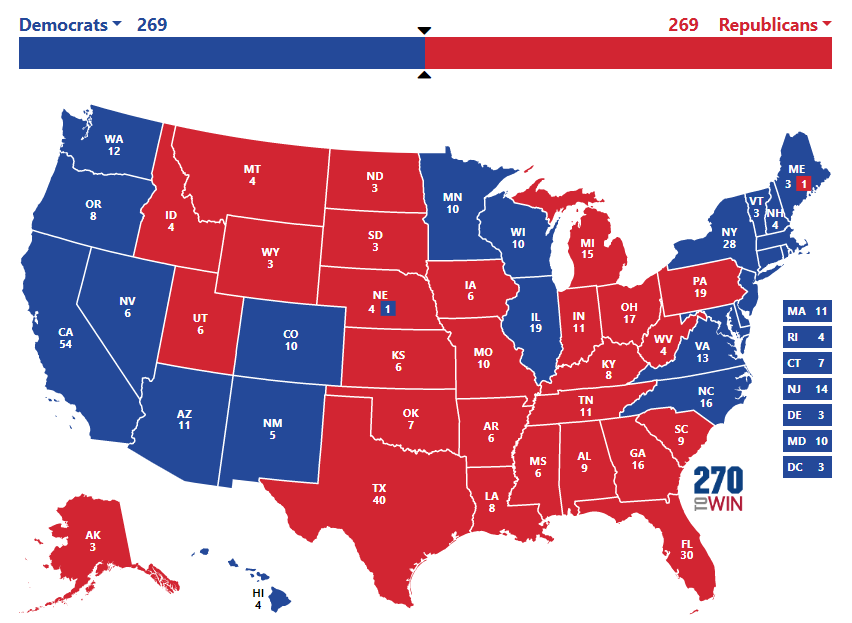
While the question “Does Alaska vote blue or red?” might seem straightforward, the answer, like much about the state, is nuanced. Historically, Alaska has leaned decisively red, consistently voting for Republican Party candidates in presidential elections and often sending Republicans to Washington D.C.. However, recent elections and local dynamics reveal a more complex picture, with shifts and unique voter preferences that sometimes defy national trends.

The Last Frontier’s Political Identity
Alaska’s political identity is deeply intertwined with its history, geography, and economy. From its days as Russian America to its purchase by the United States in 1867 and eventual statehood in 1959, the state has fostered a culture of self-reliance, individualism, and a strong connection to natural resources. These foundational elements have shaped a conservative ethos that often aligns with the Republican Party’s platforms of limited government, gun rights, and resource development.
Historical Voting Trends
Since gaining statehood, Alaska has only voted for a Democratic Party presidential candidate once, in 1964, during Lyndon B. Johnson’s landslide victory. Every election since has seen the state favor the Republican nominee. This consistent preference for the Republican Party is a clear indicator of the state’s baseline political alignment.
At the statewide level, the picture is often similar. The state has a long history of electing prominent Republican figures, such as former Governor and Vice Presidential candidate Sarah Palin, and long-serving Senator Don Young. However, Alaska also has a tradition of supporting moderate Republicans, exemplified by Senator Lisa Murkowski, who has often demonstrated an independent streak, occasionally voting against her party’s leadership. This willingness to cross party lines, especially when Alaskan interests are at stake, highlights a pragmatic approach that sometimes supersedes strict ideological adherence.
In recent years, while the overall red hue remains, there have been noticeable shifts. The rise of ranked-choice voting, implemented in 2020, has introduced a new dynamic, potentially allowing for candidates with broader appeal to succeed, even if they aren’t the first choice for a majority. This system has already led to some surprising outcomes and suggests that Alaska’s political future might be less predictable than its past.
Economic Foundations and Political Leanings
Alaska’s economy is heavily reliant on natural resources, particularly the oil and gas industry. The discovery of oil in Prudhoe Bay in 1968 and the subsequent construction of the Trans-Alaska Pipeline System transformed the state’s finances, creating the Permanent Fund, which distributes annual dividends to residents. This economic backbone has fostered a strong pro-development stance among many Alaskans, who see resource extraction as essential for jobs and state revenue.
This economic reality often translates into support for politicians who prioritize resource development, deregulation, and energy independence—stances typically associated with the Republican Party. However, the growing awareness of climate change and environmental concerns has led to increased support for conservation efforts, particularly in regions that depend on tourism and fishing, which sometimes aligns with Democratic Party platforms. This tension between resource extraction and environmental protection is a constant feature of Alaskan politics and reflects the diverse interests within the state. For instance, while parts of Interior Alaska and Southcentral Alaska might lean heavily on resource industries, communities in Southeast Alaska, with its pristine waterways and abundant marine life, often prioritize sustainable tourism and fishing.
Demographics, Geography, and the Alaskan Spirit
The vast geographical expanse of Alaska and its diverse population also play significant roles in shaping its political landscape. From the bustling urban centers to remote villages, the experiences and priorities of Alaskans vary dramatically, contributing to a complex mosaic of political thought.
Urban-Rural Divide and Indigenous Voices
Like many states, Alaska exhibits a distinct urban-rural political divide. The state’s largest cities, such as Anchorage and, to a lesser extent, Juneau, tend to be more politically moderate or even lean blue. These areas often have more diverse populations, younger demographics, and a greater presence of service industries and government jobs, leading to increased support for Democratic candidates. Anchorage, for example, frequently elects non-Republican mayors and has seen growing support for progressive causes.
Conversely, the vast rural areas of Alaska, particularly in the Interior, Southwest, and along the Alaskan Peninsula and Aleutian Islands, often remain strongly conservative. These regions are characterized by smaller, tightly-knit communities, a greater reliance on subsistence living, and a deep-seated suspicion of federal intervention.
A crucial and distinct political voice in Alaska comes from its Alaska Native populations. Comprising diverse groups such as the Inupiat, Yup’ik, Aleut, Tlingit, Haida, and Athabascan peoples, Alaska Native communities often vote based on issues directly affecting their land rights, subsistence traditions, and cultural preservation. While historically leaning Democratic due to social programs and environmental protection policies, Alaska Native votes are not monolithic and can swing depending on specific candidates and their stances on issues vital to tribal sovereignty and resource management. Their strong community ties and unique legal status add another layer of complexity to the state’s political calculus.

The Military Presence and Conservative Values
Alaska hosts a significant military presence, with major installations like Joint Base Elmendorf-Richardson near Anchorage, Eielson Air Force Base and Fort Wainwright near Fairbanks. Military personnel and their families, as well as veterans, often tend to vote more conservatively, aligning with the Republican Party’s strong defense policies and emphasis on national security. This demographic group contributes significantly to the state’s overall red leanings, particularly in the urban areas surrounding these bases.
The “Live Free or Die” mentality, often associated with frontier states, resonates strongly in Alaska. This ethos champions individual liberties, minimal government oversight, and a robust defense of rights such as gun ownership. It’s a lifestyle forged in harsh environments, where self-reliance is not just a virtue but a necessity. This independent spirit forms the bedrock of much of the state’s conservative voting patterns, reflecting a desire to manage their own affairs without undue external influence.
Experiencing Alaska: A Reflection of its People and Politics
For travelers, understanding Alaska’s political inclinations isn’t just an academic exercise; it’s a way to deepen appreciation for the local culture, the challenges faced by its communities, and the unique lifestyle that defines this incredible state. Whether you’re interested in the rugged beauty of Denali National Park and Preserve, the bustling ports of Southeast Alaska, or the remote quiet of the Arctic, these experiences are shaped by the collective values of its people.
From Anchorage to the Arctic: Travel Insights
When visiting Alaska, you’ll encounter different facets of its political identity depending on your destination. In cities like Anchorage, the largest city and economic hub, you’ll find a more diverse and often politically engaged populace. Here, you might find a broader range of opinions, vibrant arts scenes, and a mix of traditional and modern Alaskan lifestyles. Accommodation options range from luxury hotels like the Hotel Captain Cook to charming boutique stays, catering to diverse preferences. Exploring neighborhoods or local markets here can offer a glimpse into the confluence of various viewpoints that shape urban Alaskan life.
As you venture into Southeast Alaska, with its capital Juneau and historic towns like Sitka and Ketchikan, you’ll find communities deeply connected to fishing, tourism, and government. The emphasis on preserving the pristine environment of places like Glacier Bay National Park and Preserve often fosters a more environmentally conscious political stance. Cruise ship tourism dominates here, and local guides frequently share insights into how resource management debates impact their livelihoods.
Moving to the Kenai Peninsula, with towns like Seward and Homer, you’ll witness the strong blend of sport fishing, outdoor adventure, and growing tourism. Areas like Kenai Fjords National Park highlight the delicate balance between visitor access and conservation, issues that frequently surface in local politics.
Fairbanks, the “Golden Heart City” in Interior Alaska, is a different world. Here, the military presence is palpable, and the city serves as a gateway to the Arctic and resource extraction areas. Its identity is more strongly tied to traditional industries and a robust frontier mentality. Travelers seeking the Northern Lights or access to remote wilderness areas like Wrangell-St. Elias National Park and Preserve will encounter a more pronounced conservative leaning, reflective of the region’s focus on self-sufficiency and resource management.
Further north, in the Arctic communities of the North Slope Borough, including Utqiagvik (formerly Barrow), Alaska Native traditions and resource development coexist in a delicate balance. The local politics here are deeply rooted in indigenous self-determination and the complex relationship with the oil and gas industry that operates within the Brooks Range. A visit to these areas, while challenging to access, offers profound insights into a culture shaped by extreme environments and intricate political negotiations.
Embracing the Independent Lifestyle
Regardless of political affiliation, a unifying characteristic among Alaskans is their fierce independence and resilience. This translates into a lifestyle that values self-sufficiency, a strong work ethic, and an intimate connection to the land. This spirit is visible in the local businesses you support, the guides who lead your wilderness tours, and the stories you hear from residents.
Many visitors come to Alaska to experience this lifestyle firsthand, whether through a multi-day hike in Denali National Park and Preserve, a fishing expedition in the Pacific Ocean off Kodiak Island, or witnessing the Iditarod Trail Sled Dog Race. The very act of traveling through Alaska on the Alaska Railroad or driving along its scenic byways reveals the vastness that shapes its unique perspective. This independence also influences the types of accommodations and travel experiences available, from rustic cabins to luxurious wilderness lodges, all designed to immerse visitors in the state’s raw beauty.
The political leanings of Alaska – predominantly red, but with significant blue pockets and a strong independent streak – are not just statistics. They are a reflection of a state grappling with its identity: a place of abundant resources and delicate ecosystems, of modern cities and ancient traditions, and of people who value both community and individual freedom. As you travel through Alaska, whether marveling at Mount Denali, navigating the waters of Prince William Sound near Valdez and Cordova, or experiencing the vibrant ski town of Girdwood and its Alyeska Resort, you’ll gain a deeper understanding of the unique forces that shape this truly extraordinary part of the United States. It’s a place where political colors are less about rigid ideologies and more about the practical realities of life on the edge of the world, a testament to resilience and an enduring spirit of adventure.
LifeOutOfTheBox is a participant in the Amazon Services LLC Associates Program, an affiliate advertising program designed to provide a means for sites to earn advertising fees by advertising and linking to Amazon.com. Amazon, the Amazon logo, AmazonSupply, and the AmazonSupply logo are trademarks of Amazon.com, Inc. or its affiliates. As an Amazon Associate we earn affiliate commissions from qualifying purchases.