
Arizona, a state often synonymous with sun-drenched deserts and scorching temperatures, might not be the first place that comes to mind when contemplating a winter wonderland. However, the notion that Arizona is perpetually warm is a charming oversimplification. For the discerning traveler seeking a diverse range of experiences, this vast and varied landscape offers a surprising and delightful embrace of winter, complete with picturesque snowfalls and crisp, cool air. The answer, unequivocally, is yes. Arizona does indeed get snow, and in many of its most captivating regions, winter transforms the scenery into a breathtaking spectacle. This guide delves into the enchanting winter landscape of Arizona, exploring the destinations where snow is a regular visitor and the unique activities that make a winter trip to the Grand Canyon State an unforgettable adventure.
The Unexpected Winter Tapestry of Arizona
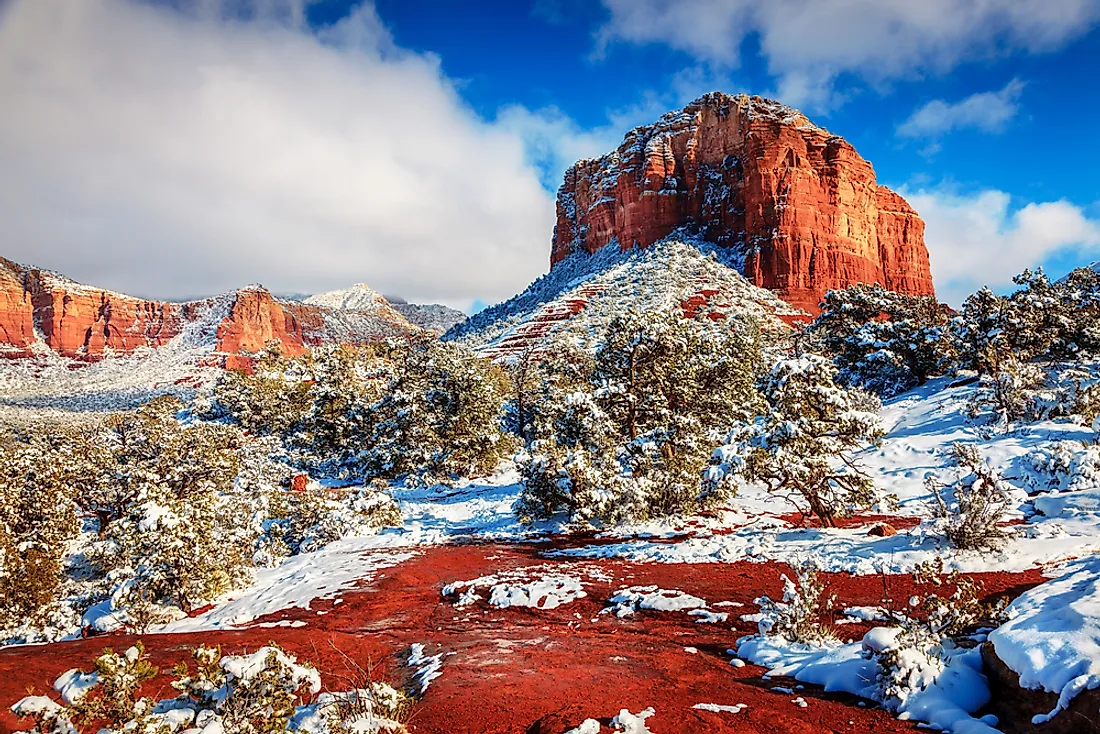
While the iconic red rocks of Sedona and the vast expanse of the Grand Canyon might conjure images of summer hikes, these very same landscapes are often dusted with snow, creating scenes of unparalleled beauty. The elevation is the key determinant. Areas at higher altitudes experience significantly colder temperatures and precipitation, transforming mountainous terrain into a winter playground. This stark contrast between the arid desert lowlands and the snow-capped peaks is one of Arizona’s most compelling natural dichotomies, offering travelers a unique opportunity to experience a spectrum of climates within a single state.
High-Altitude Havens: Where Snowfall is Abundant
The northern and northeastern regions of Arizona, characterized by their elevated topography, are the primary recipients of winter’s frosty touch. These areas boast a distinctively different climate from their desert counterparts, receiving substantial snowfall throughout the winter months.
The Mogollon Rim: A Winter Scenic Drive
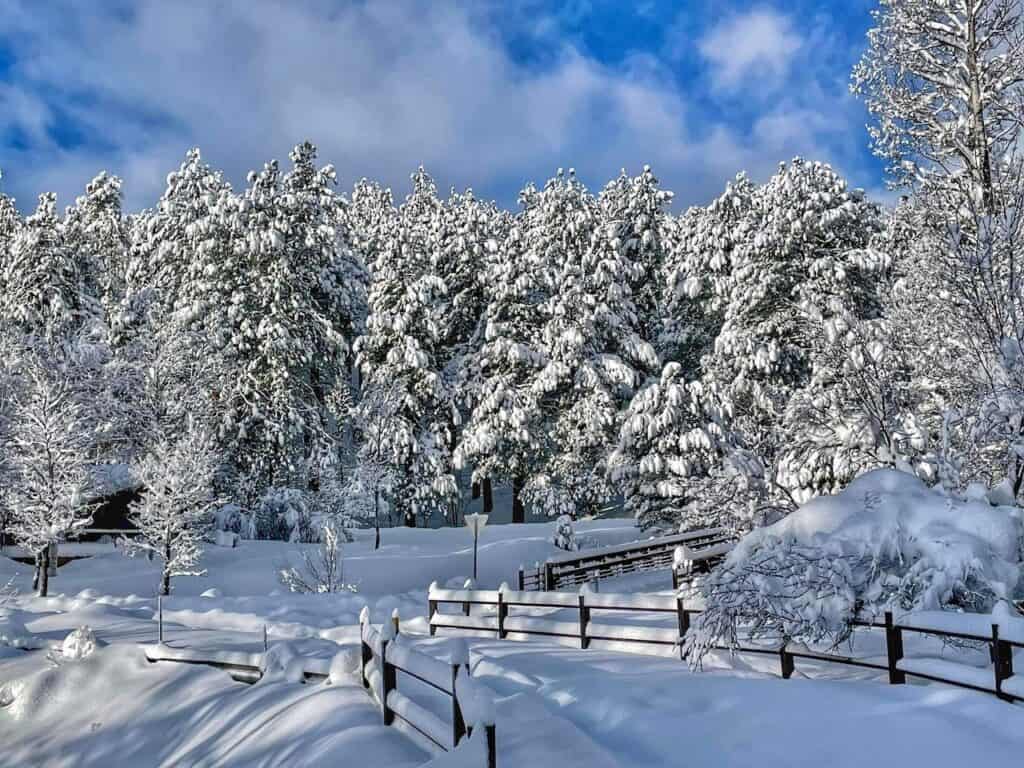
The Mogollon Rim, a dramatic escarpment stretching across central Arizona, presents some of the most reliable snowfall. This region, particularly areas around Payson and the Apache-Sitgreaves National Forests, transforms into a winter wonderland. Driving along the Rim in winter offers breathtaking vistas of snow-laden ponderosa pines and deep canyons blanketed in white. The crisp air and serene silence of the snow-covered forests provide a stark and beautiful contrast to the usual desert heat. This is an ideal destination for those seeking a quiet escape into nature’s serene winter embrace.
The White Mountains: Arizona’s Winter Sports Hub
Perhaps the most celebrated snow destination in Arizona is the White Mountains, a majestic range in the northeastern part of the state. Home to Arizona’s highest peaks, this region receives the most consistent and abundant snowfall, making it the state’s premier destination for winter sports.
Sunrise Park Resort: Skiing and Snowboarding Adventures
Sunrise Park Resort, located near Eagar and Springerville, is the only ski resort in Arizona that offers downhill skiing and snowboarding. With multiple peaks, numerous trails catering to all skill levels, and stunning panoramic views, it provides an exhilarating winter sports experience. The resort typically opens from December through March, depending on snow conditions, offering a full spectrum of winter activities, from hitting the slopes to enjoying the cozy lodge atmosphere.
Cross-Country Skiing and Snowshoeing Trails
Beyond the ski slopes, the White Mountains offer miles of pristine trails perfect for cross-country skiing and snowshoeing. The Apache-Sitgreaves National Forests provide numerous groomed and ungroomed paths where visitors can explore the silent beauty of the snow-covered wilderness at their own pace. These activities allow for a more intimate connection with the winter landscape, offering tranquility and a chance to observe local wildlife in its natural habitat.
Flagstaff: The Mile-High City’s Winter Charm
Sitting at an elevation of over 7,000 feet, Flagstaff, often referred to as the “Mile-High City,” is another prime location for experiencing winter in Arizona. Its proximity to the Grand Canyon and Sedona makes it a convenient base for exploring various winter attractions. Flagstaff itself experiences regular snowfall, transforming its historic downtown and surrounding ponderosa pine forests into a charming winter scene.
Snowbowl: Skiing with a View of the Red Rocks
Just north of Flagstaff lies the Arizona Snowbowl, a popular ski resort known for its challenging terrain and breathtaking views. Skiers and snowboarders can carve down slopes with the iconic red rocks of Sedona visible in the distance on clear days. The high elevation of the San Francisco Peaks, on which the Snowbowl is situated, ensures reliable snow cover throughout the winter season. The resort offers lessons, equipment rentals, and a variety of runs to suit all levels of experience.
Urban Winter Activities in Flagstaff
Flagstaff embraces its winter persona with various activities. Sledding and tubing are popular at designated areas, and the city often hosts holiday events that capitalize on the snowy atmosphere. A stroll through the charming downtown area, perhaps with a warm drink from a local coffee shop, offers a delightful winter experience, with festive decorations and the occasional dusting of snow on the historic buildings.
Experiencing Arizona’s Winter Wonders
The allure of Arizona in winter extends beyond just observing the snow; it’s about immersing oneself in the unique activities and serene beauty that this season offers. From wildlife viewing to stargazing under crisp, clear skies, the cooler temperatures and snowy landscapes create an entirely new set of possibilities for exploration.
Wildlife Encounters in a Winter Landscape
The colder months and snowfall bring a different kind of life to Arizona’s natural environments. Many species of wildlife are more easily spotted against the snow-covered backdrop, offering incredible opportunities for photography and observation.
Elk and Deer Sightings
In the White Mountains and around Flagstaff, the chances of spotting elk and deer increase during winter. These large mammals often descend to lower elevations or venture into meadows in search of food, making them more visible against the white snow. Wildlife viewing tours or simply driving through scenic routes can lead to memorable encounters.
Birdwatching in Snow-Covered Forests
The diverse ecosystems of Arizona provide habitat for a wide array of bird species. Winter can be an excellent time for birdwatching, especially in areas with consistent snowfall, as many resident birds remain and are more conspicuous against the white snow. Species like the Steller’s jay, various woodpeckers, and smaller songbirds can be observed flitting through snow-laden branches.
Stargazing Under Crystal-Clear Winter Skies
Arizona is renowned for its dark skies, a fact amplified during the winter months. With less atmospheric moisture and clearer air, the celestial show above the snow-dusted landscape is nothing short of spectacular.
The Kitt Peak National Observatory and Dark Sky Parks
While the Kitt Peak National Observatory is a daytime destination for tours, the surrounding areas and designated Dark Sky Parks, such as Kartchner Caverns State Park and the Grand Canyon National Park itself, offer unparalleled stargazing opportunities at night. The reduced light pollution in these remote regions, combined with the crisp winter air, allows for the breathtaking visibility of constellations, nebulae, and the Milky Way.
Flagstaff as an International Dark Sky City
Flagstaff proudly holds the designation of an International Dark Sky City, and its commitment to preserving dark skies means that even within the city limits, stargazing is impressive. During winter, the combination of clear nights and snow-covered surroundings creates a truly magical experience for amateur astronomers and casual observers alike.
Planning Your Arizona Winter Getaway
Understanding the climate and destinations is only part of the equation for a successful winter trip to Arizona. Proper planning ensures that you can fully embrace the unique opportunities this season presents, from packing appropriately to booking the right accommodations.
Seasonal Considerations and Packing Essentials
The key to enjoying Arizona’s winter is to be prepared for a range of temperatures and weather conditions. While some areas may remain mild, the high country can experience significant cold and snow.
Layering is Key
The most effective strategy for dressing in Arizona’s winter climate is layering. Pack thermal base layers, insulating mid-layers like fleece or down, and a waterproof and windproof outer shell. This allows you to adjust your clothing to changing temperatures and activity levels. Don’t forget warm socks, waterproof boots, gloves, and a hat.
Vehicle Preparedness
If you plan to drive through the mountainous regions, ensure your vehicle is prepared for winter conditions. This might include checking tire pressure, ensuring you have a full tank of gas, and carrying an emergency kit with items like blankets, water, non-perishable snacks, and a first-aid kit. In areas prone to heavy snowfall, carrying tire chains might be necessary, and checking road conditions before you travel is highly recommended.
Accommodation and Activities in Winter
The type of accommodation and the activities you plan will significantly shape your winter experience in Arizona. Many of the state’s most popular tourist destinations offer a different charm during the colder months.
Cozy Retreats and Mountain Lodges
The higher elevations of Arizona are dotted with charming lodges and cabin rentals that offer a cozy retreat from the winter chill. Many of these accommodations are located near ski resorts or hiking trails, providing easy access to winter activities. Think crackling fireplaces, warm beverages, and stunning views of snow-covered landscapes. Destinations like Pinetop-Lakeside and Show Low offer a variety of lodging options, from rustic cabins to comfortable inns.

Embracing the Off-Season Charm
While some summer attractions might have reduced hours or be closed during winter, many destinations offer a unique off-season charm. Sedona, for example, becomes a tranquil haven with fewer crowds, allowing for a more intimate experience of its spiritual vortexes and hiking trails, even with a dusting of snow. The Grand Canyon South Rim remains open year-round, and seeing its vastness transformed by snow is a truly awe-inspiring sight, often with fewer visitors to share the experience. This is the perfect time to explore the more serene side of Arizona’s famous landmarks.
In conclusion, the question of whether Arizona gets snow is met with a resounding yes, and the answer unlocks a world of winter wonder that many travelers overlook. From the exhilarating ski slopes of the White Mountains to the serene, snow-dusted landscapes surrounding Flagstaff, Arizona offers a diverse and captivating winter travel experience. By understanding the state’s varied microclimates and preparing accordingly, visitors can discover a side of Arizona that is as magical and memorable as its sun-baked desert allure. The unexpected beauty of a snow-covered Grand Canyon or the crisp, clean air of a winter hike in the Mogollon Rim are just a few of the treasures waiting to be unearthed in the Grand Canyon State during its winter months.
LifeOutOfTheBox is a participant in the Amazon Services LLC Associates Program, an affiliate advertising program designed to provide a means for sites to earn advertising fees by advertising and linking to Amazon.com. Amazon, the Amazon logo, AmazonSupply, and the AmazonSupply logo are trademarks of Amazon.com, Inc. or its affiliates. As an Amazon Associate we earn affiliate commissions from qualifying purchases.