
For many travelers, the annual ritual of “springing forward” and “falling back” is an ingrained part of life. The shift to or from Daylight Saving Time (DST) can disrupt sleep, create confusion with appointments, and necessitate adjustments to digital clocks. So, when planning a visit to the Grand Canyon State for a relaxing getaway, an adventurous excursion, or a critical business trip, a common and very practical question arises: “Does Arizona have a time change?” The straightforward answer, for the vast majority of the state, is no. Arizona famously opts out of observing Daylight Saving Time, maintaining a consistent time zone year-round. However, like many fascinating aspects of travel, there’s a unique nuance to this rule that every visitor should be aware of, especially when venturing into certain corners of its beautiful landscapes.
This distinctive approach to timekeeping has significant implications for everything from scheduling your Grand Canyon National Park sunrise tour to coordinating a business meeting in Phoenix or simply knowing when the local restaurants in Sedona close. Understanding Arizona‘s time zone status is not just a trivial detail; it’s a crucial piece of information that can profoundly affect your travel planning, accommodation bookings, and overall experience, ensuring a seamless and enjoyable journey through this vibrant state.
Unpacking Arizona’s Unique Time Zone Status
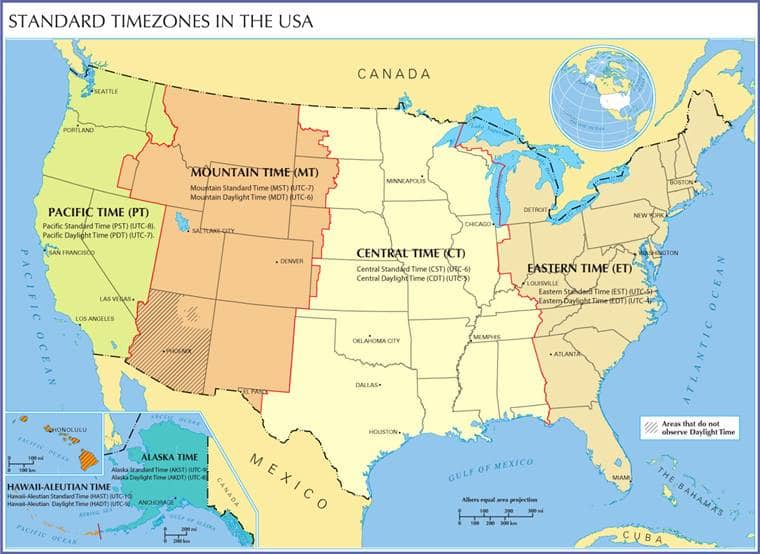
Arizona stands apart from most of the United States by largely foregoing Daylight Saving Time. This decision, rooted in a combination of historical, practical, and environmental factors, means that the state operates on Mountain Standard Time (MST) throughout the entire year. While other states shift to Mountain Daylight Time (MDT) in the warmer months, Arizona steadfastly remains on MST, effectively putting it on the same clock as Pacific Daylight Time (PDT) for part of the year. This consistent approach simplifies many aspects of daily life for residents and, once understood, can offer a more predictable rhythm for visitors.
A History of Timekeeping in the Grand Canyon State
The reasons behind Arizona‘s decision to opt out of Daylight Saving Time are primarily practical, driven by its unique climate. The intense summer heat is a defining characteristic of the state, particularly in its desert regions like Phoenix and Tucson. Implementing Daylight Saving Time would mean extending daylight into the late evening hours during summer. While this might sound appealing in cooler climates, in Arizona, it translates to prolonged exposure to searing temperatures. Businesses, particularly those in hospitality and tourism, would face increased energy costs for air conditioning, and outdoor activities would become even more challenging or hazardous later in the day.
The state briefly experimented with Daylight Saving Time in 1967 but quickly abandoned it. Residents quickly realized that pushing daylight later into the evening only meant delaying the start of evening activities until temperatures became more tolerable. Farmers, too, found the change inconvenient, as their work schedules are dictated by the sun, not the clock. For many, including the significant agricultural sector, adhering to Mountain Standard Time year-round simply made more sense, aligning human activity with the natural cycle of heat and light. This historical context underscores a deep-seated desire within Arizona to prioritize practical comfort and energy efficiency over nationwide conformity in timekeeping.
The Exception: The Navajo Nation
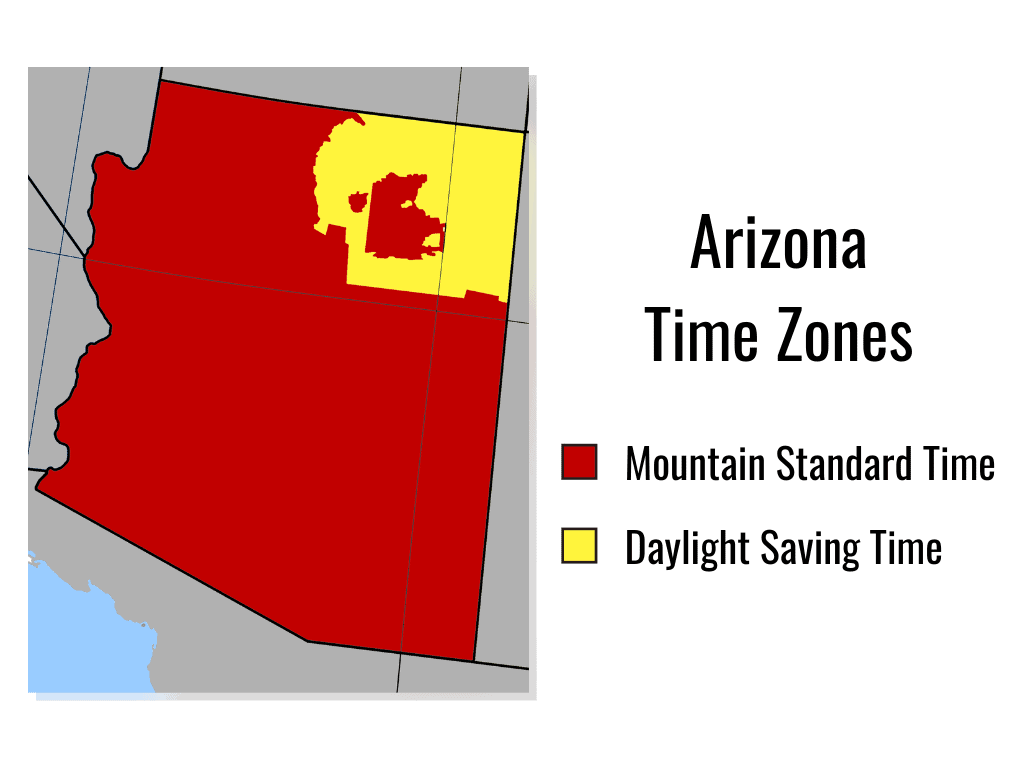
While the vast majority of Arizona adheres to Mountain Standard Time year-round, there is a significant and important exception: the Navajo Nation. This autonomous indigenous territory, which spans parts of northeastern Arizona, southeastern Utah, and northwestern New Mexico, observes Daylight Saving Time in alignment with its neighboring states and other parts of the reservation that fall outside Arizona‘s borders.
This means that from early March to early November, when the rest of Arizona is on MST, the Navajo Nation shifts to MDT. For travelers, this creates a one-hour time difference when crossing into or out of the Navajo Nation during those months. For example, if it’s 2 PM in Flagstaff (MST), it would be 3 PM within the Navajo Nation. This is particularly relevant for those planning visits to iconic landmarks located within the reservation, such as Monument Valley Tribal Park or Canyon de Chelly National Monument. Understanding this specific exception is paramount for coordinating tours, making accommodation bookings, and simply ensuring you arrive at your destination on time when exploring this culturally rich and historically significant region.
Practical Implications for Travelers and Tourists
For visitors to Arizona, the state’s unique timekeeping can initially seem confusing, but with a little preparation, it becomes a distinct advantage. The consistent time eliminates the need to constantly recalibrate your internal clock, allowing for a more stable rhythm throughout your trip. However, during the months when other states observe Daylight Saving Time, Arizona‘s time zone alignment with Pacific Daylight Time (e.g., matching California and Nevada) rather than Mountain Daylight Time (e.g., matching Colorado and Utah) requires careful attention, particularly for arrivals, departures, and cross-state excursions.
Planning Your Arizona Itinerary
When crafting your Arizona itinerary, the “no time change” rule simplifies some aspects while adding a layer of consideration for others. If you’re arriving from a state that observes Daylight Saving Time, remember that your phone might automatically adjust, but the local time in most of Arizona won’t. This can lead to an initial hour of disorientation. For example, if you fly from Denver, which uses MDT in summer, to Phoenix (on MST), your arrival time will effectively be one hour earlier than what you might initially perceive on your itinerary, giving you an extra hour to settle in or explore. Conversely, flying east from Los Angeles (on PDT) to Phoenix will mean no time change at all during those months, a welcome relief for many.
This consistent time also affects outdoor activities. In summer, Arizona’s extended natural daylight hours mean that the sun sets later than it would if the state observed Daylight Saving Time. This is precisely why the state opted out: it allows for evening activities to begin after the peak heat of the day has subsided. Planning visits to attractions like the Desert Botanical Garden in Phoenix or a sunset hike in Sedona can be optimized by understanding that the “golden hour” for photography and cooler temperatures will occur later in the evening compared to states observing DST. Always double-check operating hours for specific attractions, particularly those with seasonal variations or that cater to early morning or late evening crowds.
Navigating Hotel Stays and Accommodations
The time consistency in Arizona generally benefits guests staying at hotels, resorts, and various accommodations across the state. Check-in and check-out times remain stable year-round, eliminating potential confusion that can arise from time shifts. Whether you’re booking a luxury suite at the Arizona Biltmore, A Waldorf Astoria Resort in Phoenix, a cozy villa in Scottsdale, or a family-friendly resort near the Grand Canyon, the clock on the wall will always match the local time without seasonal adjustments.
However, communication can be key, especially if you’re coordinating with friends or family arriving from different time zones. Confirming exact arrival and departure times for flights, as well as pick-up schedules for tours, becomes crucial. Many online booking platforms and airline systems will automatically display times in the local time zone of the origin or destination, but a quick mental check (or a glance at a time zone app) can prevent misunderstandings. When contacting a hotel directly for early check-in or late check-out, specifying “local Arizona time” ensures clarity. For those venturing into the Navajo Nation, remember the one-hour difference when confirming reservations for properties like the Monument Valley T-Shirt Company & Campground or any lodging within the reservation borders during Daylight Saving Time months. This foresight can prevent missed connections or unexpected delays in your travel plans.
Dining and Entertainment Considerations
The lack of Daylight Saving Time in most of Arizona also subtly influences dining and entertainment schedules. During the summer, when most of the country has “sprung forward,” Arizona‘s consistent Mountain Standard Time means that dinner reservations and showtimes will occur an hour later by the clock in comparison to Mountain Daylight Time zones. For example, a 7 PM dinner reservation in Phoenix would correspond to 8 PM in Denver during those months. This often means that restaurants and entertainment venues, particularly in major cities like Tucson, Scottsdale, and Tempe, tend to stay open later to cater to the natural rhythm of the day, allowing residents and tourists alike to enjoy cooler evening temperatures for outdoor dining and cultural events.
From casual eateries in Flagstaff to upscale restaurants in Mesa, you’ll find that many establishments in Arizona have adapted their operating hours to this consistent timeline. It’s a system that works harmoniously with the local climate, ensuring that visitors can fully experience the vibrant nightlife, enjoy evening concerts, or catch a late-night show without feeling rushed by an early sunset or the pressure of a shifted clock. Always check the specific hours of operation for any restaurant or attraction you plan to visit, as seasonal demand can also play a role in opening and closing times.
Exploring Arizona’s Diverse Landscapes and Experiences
Arizona is a state of stunning contrasts, from the iconic red rocks of Sedona to the towering saguaros of the Sonoran Desert around Phoenix and Tucson, and the majestic depths of the Grand Canyon. The state’s consistent time zone, while a logistical detail, subtly enhances the travel experience by creating a stable framework for exploring these diverse environments.
From Desert Oases to Mountain Retreats
Whether you’re exploring the bustling urban centers of Phoenix and Scottsdale, known for their luxury resorts, golf courses, and vibrant culinary scenes, or venturing north to the cooler, pine-laden landscapes of Flagstaff and the Grand Canyon, the consistent time throughout most of Arizona is a silent facilitator. It means that when you drive from the heat of the Sonoran Desert to the higher altitudes, you won’t need to adjust your watch, allowing for a more seamless transition between diverse geographical experiences.
This stability is particularly beneficial for those planning road trips that traverse multiple regions. Imagine driving from the recreational paradise of Lake Havasu City on the Colorado River to the spiritual vortexes of Sedona, and then up to the south rim of the Grand Canyon National Park. Throughout this journey, your internal clock remains consistent, making it easier to stick to a schedule, manage meal breaks, and ensure timely arrival for guided tours or accommodations like the El Tovar Hotel within the park. This consistency allows travelers to focus more on the breathtaking scenery and cultural encounters rather than grappling with time zone shifts.
Lifestyle Adjustments for Visitors
The lack of Daylight Saving Time subtly influences the lifestyle rhythms for both residents and visitors in Arizona. For those seeking a relaxed pace, it offers a sense of stability. For families traveling with children, maintaining a consistent schedule without the disruption of an hour change can be invaluable for sleep patterns and overall enjoyment. Business travelers, often juggling multiple time zones, may find Arizona‘s consistency a welcome respite, simplifying conference calls and meeting schedules with colleagues across the country, particularly with those on Pacific Time.
Luxury travelers often value seamless experiences, and Arizona‘s consistent time contributes to this by removing a potential point of friction. From spa appointments at exclusive resorts to private tours of Frank Lloyd Wright’s Taliesin West, every scheduled activity feels more grounded. Budget travelers, too, benefit from reduced confusion, ensuring they don’t miss scheduled bus connections or early bird specials. This unique time arrangement is woven into the fabric of the Arizona lifestyle, contributing to its laid-back yet efficient atmosphere.
Making the Most of Your Arizona Adventure
Ultimately, Arizona‘s decision to forgo Daylight Saving Time is a practical response to its climate and lifestyle, and once understood, it becomes a distinct advantage for visitors. It minimizes confusion, simplifies planning, and allows for a more immersive experience in this incredible state.
Essential Tips for a Seamless Trip
To ensure your Arizona adventure is as smooth as possible, keep these tips in mind:
- Confirm Time Zones: Always confirm the local time zone when making reservations, especially if traveling during the period when Daylight Saving Time is observed elsewhere (early March to early November). Most of Arizona will be on MST, while the Navajo Nation will be on MDT.
- Check Flight Times: Pay close attention to your flight itineraries. While airlines typically show local times, a quick mental check against Arizona‘s consistent MST can prevent any last-minute rushes or unnecessary waits at the Phoenix Sky Harbor International Airport or Tucson International Airport.
- Be Aware of the Navajo Nation Exception: If your travel plans include visiting the Navajo Nation, specifically parts within Arizona, remember that they do observe Daylight Saving Time. Adjust your watches and plans accordingly when crossing this territorial boundary.
- Communicate Clearly: When coordinating with tour operators, guides, or friends, specify “local Arizona time” to avoid any ambiguity.
- Embrace the Later Evenings: During summer, take advantage of the extended daylight hours in the evening for cooler outdoor activities, dining al fresco, or enjoying spectacular Arizona sunsets.

Embracing the Arizona Pace
The consistent time in Arizona is more than just a logistical detail; it’s an invitation to embrace a unique pace of life. It’s about aligning with the natural rhythm of the sun and the desert, rather than an arbitrary clock change. This consistency allows visitors to truly relax, immerse themselves in the local culture, explore ancient ruins, hike through breathtaking canyons, or simply unwind by a resort pool without the nagging feeling of needing to adjust.
From the vibrant arts scene in Sedona to the historical charm of Tucson, and the expansive wonders of the Grand Canyon, Arizona offers an unparalleled travel experience. Its steadfast adherence to Mountain Standard Time year-round is just one more quirky, yet deeply practical, aspect that makes the state a truly unique and memorable destination on the global travel map. So, pack your bags, set your watch (once!), and prepare to discover the timeless beauty of Arizona.