
For travelers planning an escape to the enchanting landscapes of Arizona, a common question often arises that can significantly impact itinerary planning: Does Arizona observe Daylight Saving Time (DST)? The simple answer, for most of the state, is no. Unlike the vast majority of the United States and many other countries, Arizona steadfastly opts out of the annual time shift. This unique stance means that while much of the world “springs forward” and “falls back,” Arizona remains comfortably in Mountain Standard Time (MST) year-round. This peculiar exception, while seemingly minor, has fascinating implications for everything from travel logistics and hotel bookings to experiencing the local culture and enjoying the state’s world-renowned landmarks and attractions. Understanding Arizona’s timekeeping can be a crucial tip for anyone looking to fully immerse themselves in the Grand Canyon State’s diverse offerings, ensuring a seamless and stress-free adventure.
The Curious Case of Arizona’s Timekeeping: A Deep Dive into DST Exemption
Arizona’s decision to forego Daylight Saving Time is deeply rooted in its geography and climate. The primary reason for this exemption stems from the intense summer heat that characterizes much of the state, particularly in its low-desert regions like Phoenix and Tucson. The original rationale behind DST was to maximize daylight hours in the evening, theoretically saving energy by reducing the need for artificial lighting. However, in a state where summer temperatures can routinely soar above 100°F (38°C), an extra hour of daylight in the evening would mean more hours of scorching sun, leading to increased energy consumption for air conditioning, not less. Therefore, remaining on Mountain Standard Time year-round helps align daylight hours with cooler parts of the day, encouraging outdoor activities in the morning and evening, and making the hottest parts of the afternoon more tolerable for indoor pursuits.
This consistent time also eliminates the confusion and disruption that many experience with biannual clock changes. For residents, it means a stable schedule for work, school, and daily life. For visitors, it means one less thing to worry about when planning their trips, especially when coordinating with friends or family outside the state.
The Navajo Nation: Arizona’s Unique Exception
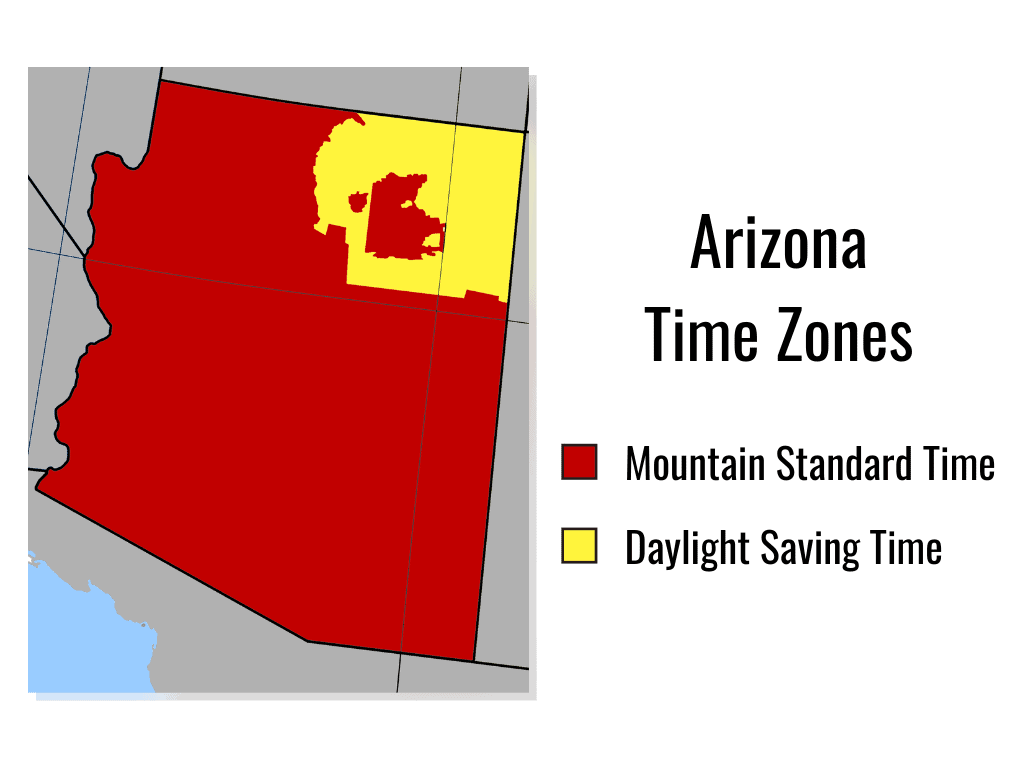
While the majority of Arizona observes MST throughout the year, there is one significant and geographically distinct exception: the Navajo Nation. This vast autonomous territory, spanning parts of northeastern Arizona, New Mexico, and Utah, does observe Daylight Saving Time. The decision for the Navajo Nation to observe DST dates back to the 1960s and is largely influenced by its interstate nature, particularly its ties to New Mexico and Utah, both of which observe DST.
This creates a peculiar time zone anomaly within Arizona itself. For six months of the year, from March to November, when DST is in effect, the Navajo Nation will be an hour ahead of the rest of Arizona. For instance, if it’s 2 PM in Phoenix or Flagstaff, it will be 3 PM on the Navajo Nation. This is particularly important for travelers visiting iconic destinations like Antelope Canyon, Monument Valley, or other parts of the Navajo Nation, as tour times and local business hours will adhere to the DST schedule. Failing to account for this can lead to missed tours or appointments, underscoring the importance of verifying local times when venturing into this fascinating region. The Hopi Tribe Reservation, which is geographically surrounded by the Navajo Nation, does not observe DST, adding another layer of complexity to the already intricate time map of northeastern Arizona. While geographically within the Navajo Nation, one could theoretically drive into and out of DST multiple times within a short period while visiting the Hopi Tribe lands.
Planning Your Arizona Adventure: Time Considerations for Travelers
The absence of Daylight Saving Time across most of Arizona has a tangible impact on travel planning, from booking flights to coordinating activities. Understanding this unique time zone dynamic is key to a smooth and enjoyable journey through the state’s diverse landscapes and vibrant cities.
Impact on Travel Planning and Itineraries
When planning a trip to Arizona, especially during the spring and summer months when DST is observed in other parts of the country, it’s crucial to remember that Arizona will effectively be operating an hour behind Pacific Daylight Time (PDT) and an hour ahead of Mountain Daylight Time (MDT). This means that from March to November, Arizona is on the same clock as Pacific Standard Time (PST), despite being geographically in the Mountain Time Zone.
For those flying into major hubs like Phoenix Sky Harbor International Airport or Tucson International Airport, arrival times will generally be an hour earlier than expected if you’re coming from a state observing MDT, and the same time if coming from PST. This can be beneficial, offering an extra “found” hour upon arrival to settle into your accommodation or begin exploring. Conversely, if you’re traveling from the East Coast, the time difference can feel more pronounced, potentially impacting jet lag.
Road trips across state lines also require attention. If you’re driving from California or Nevada, which observe DST, entering Arizona will mean setting your clock back an hour during the DST period. This applies to popular routes like those connecting Las Vegas to the Grand Canyon National Park or Kingman. Ensuring your GPS or mobile device automatically updates its time zone is vital, but always double-check against local time signage, especially when nearing tribal lands.
Tour schedules, particularly for outdoor activities and sunset experiences, are perfectly adapted to Arizona’s consistent time. For instance, a sunset jeep tour in Sedona or a stargazing excursion near Flagstaff will run on local MST, meaning those longer daylight hours in summer translate to truly spectacular and later sunsets, extending your evening enjoyment.
Accommodation and Booking Logistics
Booking accommodations, whether it’s a luxury suite in Scottsdale, a cozy apartment in Flagstaff, or a resort villa in Tucson, usually doesn’t present significant challenges related to DST, as most booking platforms will default to local time. However, it’s always prudent to confirm check-in and check-out times, especially if you’re arriving from a different time zone or have a tight schedule.
For travelers seeking long-term stays, perhaps for a winter retreat in the Sonoran Desert or a business trip to Phoenix, the consistent time can be a blessing. It simplifies communication with colleagues or family outside Arizona as you only need to remember one consistent time difference throughout your stay. Hotels and resorts, such as the JW Marriott Desert Ridge Resort & Spa or The Boulders Resort & Spa Scottsdale, are well-versed in advising guests about local time. Many even provide clear signage or information regarding the time difference, particularly for guests coming from nearby states like California, Nevada, or Utah. This consistency can streamline everything from booking amenity slots like spa treatments or golf tee times to coordinating airport transfers.

Unpacking the Tourist Experience: Activities, Culture, and Local Life
Arizona’s unique approach to Daylight Saving Time profoundly shapes the rhythm of local life and the tourist experience. From optimizing visits to natural wonders to enjoying vibrant city nightlife, the consistent MST schedule offers distinct advantages.
Enjoying Arizona’s Attractions and Landmarks
The absence of DST significantly impacts how visitors experience Arizona’s iconic landmarks and attractions. During the spring and summer months, when other states spring forward, Arizona enjoys an extra hour of natural daylight in the evenings. This means later sunsets, allowing for extended enjoyment of outdoor activities and breathtaking scenic views. Imagine savoring a longer, more leisurely sunset view over the Grand Canyon National Park’s majestic vistas without feeling rushed, or extending an evening hike in Sedona’s Red Rock Country.
For destinations like Saguaro National Park near Tucson or the Desert Botanical Garden in Phoenix, the consistent time means that morning visits can start earlier in cooler temperatures, while evenings remain bright for those looking to explore after the peak heat of the day. This is particularly advantageous for photography enthusiasts aiming to capture the golden hour or stargazers seeking prime viewing opportunities in Flagstaff, a designated International Dark Sky City.
However, the Navajo Nation exception again becomes critical. When visiting sites like Antelope Canyon or Monument Valley, which are on tribal lands, local tours operate on Daylight Saving Time during the summer. This means if your accommodation is in Page, just outside the Navajo Nation, you’ll need to adjust your clock forward an hour to arrive on time for your scheduled slot. This intricate dance with time zones can be confusing but is easily managed with a bit of prior awareness and the simple act of confirming local times with tour operators. Places like Petrified Forest National Park or Hoover Dam (partially in Nevada) also require careful consideration of time, with Hoover Dam being on Pacific Daylight Time in the summer due to its proximity to Nevada.
Dining, Events, and Lifestyle
The absence of DST also subtly shapes the lifestyle and social rhythms of Arizona. Restaurants, bars, and entertainment venues, particularly in bustling areas like Old Town Scottsdale or downtown Phoenix, operate on a consistent schedule throughout the year. This provides stability for both locals and tourists, making it easier to plan evening meals, attend concerts, or experience the vibrant nightlife without having to recalibrate schedules based on seasonal time changes.
The extended natural daylight in summer evenings is particularly conducive to outdoor dining, a cherished aspect of Arizona’s culinary scene. Patios and al fresco dining spots remain popular well into the evening, often bathed in the soft glow of a late sunset, enhancing the overall dining experience. This also applies to various events and festivals. Major attractions such as the Tucson Gem and Mineral Show or the Waste Management Phoenix Open benefit from clear, consistent scheduling.
For different travel lifestyles, the consistent time offers various advantages:
- Family Trips: Predictable schedules make it easier for families with children to maintain routines, ensuring smooth transitions between activities and bedtimes.
- Business Stays: Professionals appreciate the consistent time difference, simplifying coordination with colleagues or clients across different time zones. There’s no need to constantly adjust meeting schedules based on DST shifts.
- Luxury Travel: Guests at high-end resorts and spas often seek seamless experiences. The consistent time contributes to this by eliminating a common point of confusion, allowing guests to fully relax and enjoy amenities like golf courses or poolside lounging at predictable hours.
- Budget Travel: For those on a tighter budget, maximizing daylight hours through efficient planning without time shifts can mean more sightseeing and fewer rushed experiences.
This unique timekeeping reinforces Arizona’s distinct identity, contributing to a laid-back yet vibrant lifestyle that many visitors find incredibly appealing. From exploring historical sites like Taliesin West to adventuring in Monument Valley, Arizona’s time consistency makes every experience feel a little more grounded.

Navigating Time Zones and Practical Tips for Visitors
Understanding Arizona’s unique approach to time can transform a potentially confusing aspect of travel into a seamless experience. Armed with a few practical tips, visitors can confidently navigate the state’s time zones and fully enjoy their stay.
The primary takeaway is that for most of the year, particularly during the spring and summer when DST is observed elsewhere, Arizona effectively aligns with Pacific Standard Time (PST). So, if you’re coming from California, Nevada, or Washington (which observe PST in winter and PDT in summer), you’ll “gain” an hour when entering Arizona during DST. Conversely, if you’re traveling from a Mountain Daylight Time (MDT) state like Colorado or Utah, Arizona will be one hour behind.
Here are some essential tips for visitors:
- Trust Your Devices (Mostly): Most modern smartphones and smartwatches automatically update to the correct local time when you cross into a new time zone. However, always have a backup. A quick check against a trusted source (like an airport clock or a local business) upon arrival can confirm your device is accurate.
- Verify Tribal Land Times: This is the most crucial piece of advice for Arizona travel. If your itinerary includes destinations within the Navajo Nation, remember that they do observe DST. Always confirm tour times and reservation details with local operators, noting whether they are referring to “Arizona time” or “Navajo Nation time.”
- When in Doubt, Ask: Don’t hesitate to ask hotel staff, tour guides, or locals for clarification on the current time, especially if you’re near a time zone boundary or on a day when DST traditionally begins or ends. Most Arizonans are accustomed to explaining their state’s time rules.
- Adjust Your Internal Clock: For those arriving from distant time zones, the consistent time in Arizona can make adjustment easier once you’ve settled in. Embrace the later sunsets in summer and plan your activities accordingly, perhaps enjoying a late-afternoon hike or an extended evening stroll through Old Town Scottsdale.
- Consider Local Opening Hours: While most attractions account for the non-observance of DST, it’s always wise to double-check opening and closing times for specific sites, especially smaller, independently run businesses or cultural centers. This ensures you make the most of your time exploring cities like Mesa, Chandler, or Prescott.
Ultimately, Arizona’s decision to forego Daylight Saving Time is part of its unique charm. It’s a reflection of a state that prioritizes practicality and comfort in response to its environment. Far from being a hindrance, this consistent time offers a stable backdrop for exploring its stunning natural beauty, vibrant cities like Glendale and Tempe, and rich cultural heritage. By being mindful of this small but significant detail, travelers can ensure their Arizona adventure is as smooth and enjoyable as the desert sunsets are breathtaking.
In conclusion, the answer to “Does Arizona have Daylight Saving Time?” is largely no, with the notable exception of the Navajo Nation. This consistent adherence to Mountain Standard Time year-round simplifies much of the travel planning and daily life within the state, aligning perfectly with its warm climate and fostering a relaxed atmosphere. From seamless hotel bookings and travel logistics to maximizing your time at world-class attractions like the Grand Canyon National Park and experiencing local culture, Arizona’s timekeeping offers a distinct advantage for visitors. So, pack your bags, set your clocks (or simply let your phone do it), and prepare to discover the timeless beauty and unique charm of Arizona, where every moment is truly on its own schedule.
LifeOutOfTheBox is a participant in the Amazon Services LLC Associates Program, an affiliate advertising program designed to provide a means for sites to earn advertising fees by advertising and linking to Amazon.com. Amazon, the Amazon logo, AmazonSupply, and the AmazonSupply logo are trademarks of Amazon.com, Inc. or its affiliates. As an Amazon Associate we earn affiliate commissions from qualifying purchases.