
The common perception of Arizona often conjures images of vast, sun-baked deserts, towering saguaros, and red rock canyons bathed in perpetual sunshine. While this desert charm is undeniably a significant part of the Grand Canyon State’s allure, it paints an incomplete picture. The question “Does Arizona Have Snow?” might surprise many, as the answer is a resounding, albeit nuanced, yes. Arizona’s diverse topography, stretching from arid lowlands to the highest peaks in the north, creates a surprising variety of climates, and consequently, opportunities for experiencing winter wonderlands.
This exploration delves beyond the stereotypical desert landscape to uncover the snowy side of Arizona, revealing destinations and experiences that might just redefine your understanding of this fascinating southwestern state. From world-class ski resorts to charming mountain towns that transform into winter havens, Arizona offers a surprising array of activities for those seeking a frosty escape.
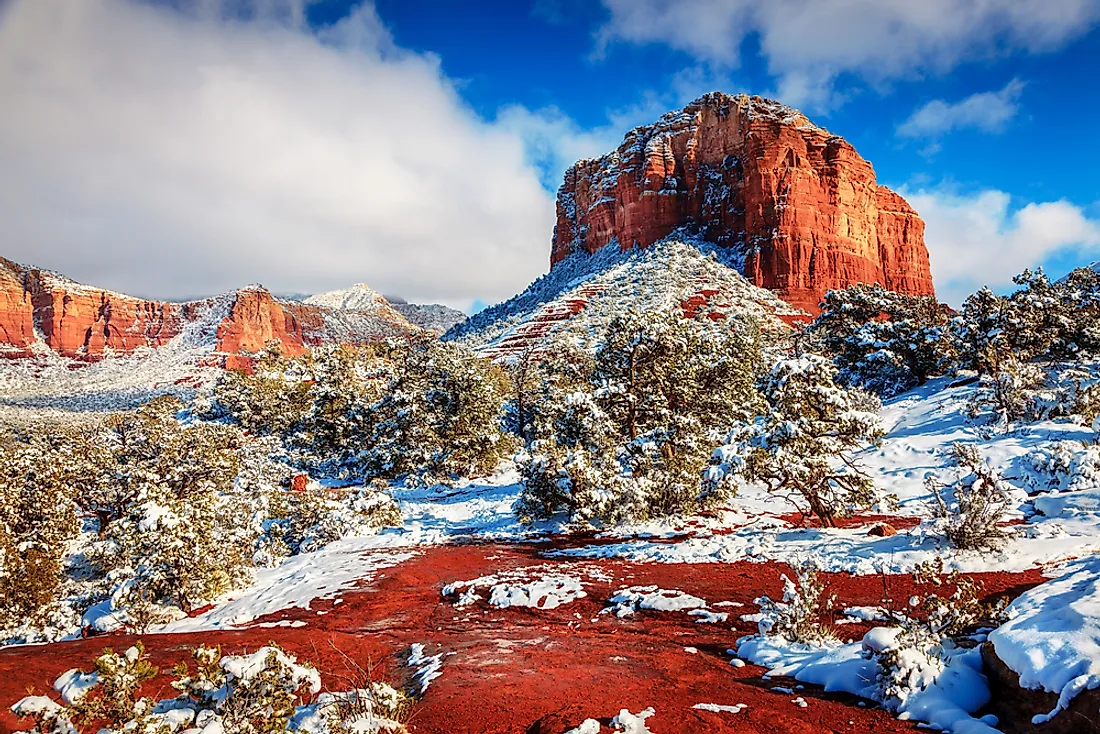
Beyond the Desert Heat: Where Winter Thrives in Arizona
While the southern regions of Arizona, including cities like Phoenix and Tucson, typically enjoy mild winters with minimal to no snowfall, the northern and higher elevation areas tell a different story. These regions are home to mountain ranges that receive significant amounts of snow, offering a stark and beautiful contrast to the desert floor. Understanding Arizona’s geography is key to unlocking its snowy secrets.
The Mogollon Rim and Northern Highlands: Arizona’s Winter Heartlands
The Mogollon Rim, a dramatic escarpment stretching across central and northern Arizona, acts as a significant climatic divide. North of the Rim, elevations rise considerably, leading to colder temperatures and substantial snowfall. This is where you’ll find Arizona’s most prominent winter destinations.
Flagstaff: The Snowiest City in Arizona
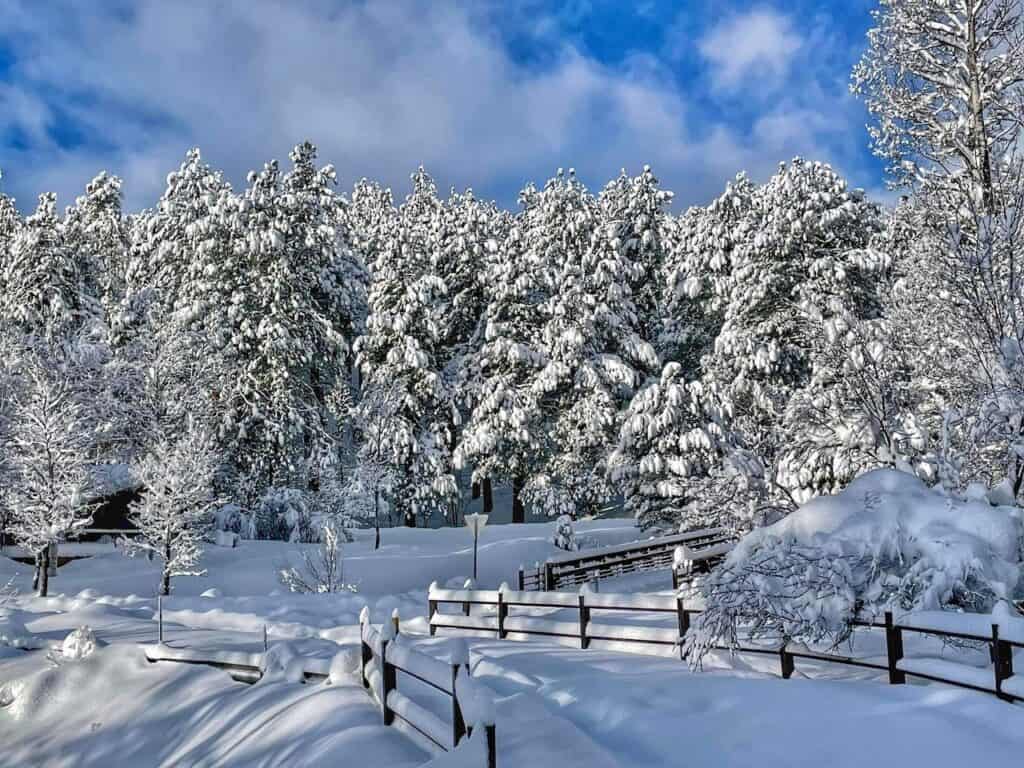
Often referred to as the “Gateway to the Grand Canyon,” Flagstaff is also Arizona’s snowiest city. Nestled at an elevation of over 7,000 feet, this vibrant mountain town experiences an average of over 100 inches of snow annually. The pine forests surrounding Flagstaff are transformed into a winter wonderland, making it a popular base for exploring snowy landscapes and engaging in winter sports.
-
Winter Activities in Flagstaff:
- Skiing and Snowboarding: Just a short drive from Flagstaff, Arizona Snowbowl offers challenging ski runs with breathtaking views of the surrounding San Francisco Peaks. With its high elevation, Arizona Snowbowl boasts a long ski season.
- Snowshoeing and Cross-Country Skiing: Numerous trails around Flagstaff, particularly in the Coconino National Forest, are perfect for snowshoeing and cross-country skiing, offering a peaceful way to experience the snow-covered forests.
- Sledding and Snow Play: Local parks and designated areas around Flagstaff often become popular spots for sledding and building snowmen, offering family-friendly fun.
- Holiday Charm: During the holiday season, Flagstaff embraces its winter persona with festive decorations, the Grand Canyon Railway Polar Express, and cozy cafes serving hot cocoa.
-
Where to Stay in Flagstaff:
- Little America Hotel: Known for its rustic charm and expansive grounds, this hotel offers a cozy retreat after a day in the snow.
- Drury Inn & Suites Flagstaff: A reliable option offering comfortable accommodations and convenient access to the city’s attractions.
- Distinction Luxury Boutique Hotel: For those seeking a more upscale experience, this boutique hotel provides elegant surroundings and personalized service.
The White Mountains: A Serene Snowy Escape
Further east, the White Mountains region of Arizona offers another significant snowy playground. This expansive mountain range boasts higher elevations than even Flagstaff, leading to abundant snowfall and a more remote, tranquil winter experience.
-
Destination Highlights in the White Mountains:
- Pinetop-Lakeside: This charming community is a popular destination for outdoor enthusiasts. It offers a variety of winter activities, including skiing, snowboarding, and snowmobiling.
- Sunrise Park Resort: Located near Eagar and Springerville, this is Arizona’s largest ski resort, featuring multiple peaks and a wide range of terrain suitable for all skill levels. It’s a prime spot for winter sports enthusiasts.
- Alpine: Situated at over 8,000 feet, Alpine is one of the highest towns in Arizona and receives considerable snowfall, making it an ideal base for exploring the winter wilderness. The nearby Apache-Sitgreaves National Forests offer stunning snowy vistas.
- Snowmobiling Trails: The White Mountains are crisscrossed with miles of designated snowmobile trails, providing exhilarating rides through the pristine, snow-covered landscapes.
-
Accommodation Options in the White Mountains:
- GreenTree Inn Pinetop: Offering comfortable and affordable lodging, this inn is a good choice for families and budget-conscious travelers.
- Resort at the Mountain House: This resort provides a more secluded and upscale experience, with amenities designed for relaxation and enjoyment of the mountain environment.
- Various Cabin Rentals: The White Mountains region is dotted with numerous cabin rentals, offering a cozy and private way to experience a winter getaway. Many provide amenities like fireplaces and hot tubs, perfect for a snowy retreat.
Other Notable Snowy Spots and Considerations
While Flagstaff and the White Mountains are the primary hubs for snow in Arizona, other higher elevation areas can also experience snowfall, albeit less consistently.
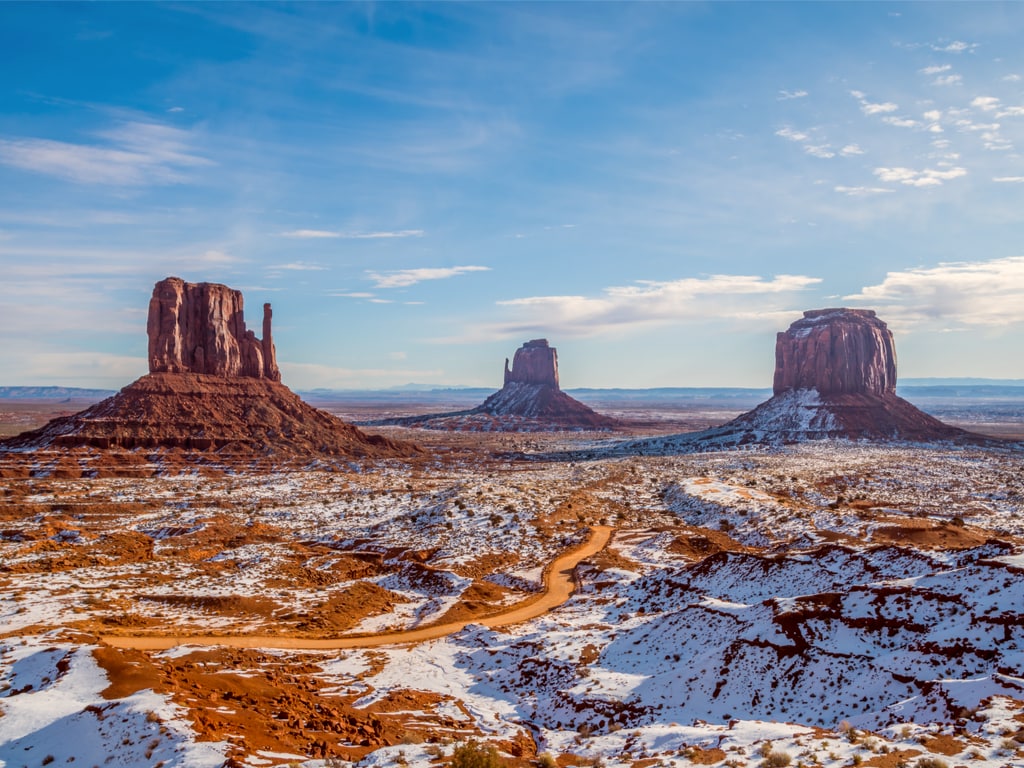
- Humphreys Peak: As the highest point in Arizona at over 12,600 feet, Humphreys Peak, part of the San Francisco Peaks, is almost always covered in snow for a significant portion of the winter. While not a destination for casual visitors, it’s a vital component of Arizona’s winter ecosystem and a challenging objective for experienced mountaineers.
- Munds Park: Located south of Flagstaff, this community also experiences snowfall and offers opportunities for snowshoeing and cross-country skiing in its forested surroundings.
Key Considerations for a Snowy Arizona Trip:
- Timing is Crucial: Arizona’s snow season typically runs from late November through March, with the heaviest snowfall often occurring in January and February. However, weather patterns can vary significantly year to year. It’s always advisable to check local weather forecasts and snow reports before planning your trip.
- Vehicle Preparedness: If you plan to travel to the higher elevations during winter, especially during or after a snowfall, ensure your vehicle is equipped for winter driving. This may include snow tires or chains, and a full tank of gas. Roads in the mountains can become slick and challenging.
- Packing for Cold Weather: Despite being Arizona, winter in the mountains requires proper cold-weather gear. Think warm layers, waterproof outerwear, hats, gloves, and sturdy, waterproof boots.
- Embrace the Unexpected: While Arizona is known for its sunshine, embracing the possibility of snow opens up a whole new dimension of travel within the state. The contrast between the snow-covered landscapes and the vibrant desert flora (which might still be visible in certain areas) offers a unique visual experience.
Experiencing Arizona’s Winter Charm: Activities and Attractions
The presence of snow in Arizona unlocks a range of activities that appeal to different types of travelers, from adventure seekers to those looking for a peaceful winter escape.
Winter Sports and Outdoor Adventures
For those who love the thrill of winter sports, Arizona’s mountain regions offer a surprising variety of options.
- Skiing and Snowboarding: As mentioned, Arizona Snowbowl near Flagstaff and Sunrise Park Resort in the White Mountains are the state’s premier destinations for downhill skiing and snowboarding. They offer rentals, lessons, and diverse terrain.
- Snowshoeing and Winter Hiking: The vast national forests surrounding Flagstaff and the White Mountains, such as the Coconino National Forest and the Apache-Sitgreaves National Forests, are ideal for snowshoeing and winter hiking. Trails like those around the Boyce Thompson Arboretum State Park (though typically less snowy, higher elevations nearby can be) or specific routes in the San Francisco Peaks wilderness offer stunning scenery.
- Snowmobiling: Designated trails in the White Mountains provide exhilarating snowmobile adventures through expansive winter landscapes. Rental services are available in areas like Pinetop-Lakeside.
- Ice Skating: While not as common as other activities, some smaller, temporary outdoor ice-skating rinks may pop up in mountain towns during the winter months, offering a festive atmosphere.
Embracing the Cozy and Festive Atmosphere
Beyond active pursuits, Arizona’s snowy regions offer a unique charm that captivates visitors during the colder months.
- Mountain Town Getaways: Towns like Flagstaff, Pinetop-Lakeside, and Sedona (which, while less prone to heavy snow, can get dusted and offers a magical winter ambiance) become particularly inviting. Cozying up by a fireplace in a lodge or cabin after a day outdoors is a quintessential winter experience.
- Holiday Celebrations: The holiday season in Arizona’s mountain towns is often magical. Flagstaff is renowned for its festive events, including the Grand Canyon Railway’s Polar Express, Christmas tree lightings, and holiday markets. Many smaller communities also host their own charming celebrations.
- Scenic Drives: Even if you’re not participating in winter sports, a scenic drive through the snow-dusted landscapes of the Mogollon Rim or the White Mountains can be incredibly rewarding. The change of scenery is dramatic and offers fantastic photographic opportunities.
- Culinary Delights: Mountain towns offer a chance to indulge in hearty, warming cuisine. Think delicious soups, stews, and hot beverages in local cafes and restaurants. Many establishments in Flagstaff and the White Mountains are perfect for this.
Planning Your Snowy Arizona Adventure
Whether you’re drawn by the allure of skiing down a mountain slope or the simple pleasure of watching snowflakes fall, planning a winter trip to Arizona requires a bit of foresight to ensure a smooth and enjoyable experience.
Accommodation and Travel Tips
- Book in Advance: Arizona’s snowy destinations, especially Flagstaff and the White Mountains, become popular during winter, particularly around holidays and school breaks. Booking your accommodation and any desired activities well in advance is highly recommended.
- Consider Your Accommodation Type: From ski resorts and hotels to cozy cabins and vacation rentals, Arizona offers a range of lodging options. For families or groups, a cabin rental can provide a more intimate and self-sufficient experience, often featuring amenities like full kitchens and fireplaces. Hotels in Flagstaff like the Little America Hotel or the Drury Inn & Suites Flagstaff offer convenience and comfort. In the White Mountains, options like the GreenTree Inn Pinetop or the Resort at the Mountain House provide excellent bases.
- Road Conditions and Travel: As previously noted, winter road conditions in the mountains can be unpredictable. Always check the Arizona Department of Transportation (ADOT) website for road closures and travel advisories before you depart. Allow extra travel time, especially if snow is in the forecast. Consider renting a 4WD or AWD vehicle if you’re not comfortable driving on potentially snowy or icy roads.
- Altitude Awareness: Flagstaff and the White Mountains are at high altitudes. If you’re not accustomed to such elevations, take it easy on your first day, stay hydrated, and be aware of potential symptoms of altitude sickness.
Packing Essentials for a Winter Trip
- Layering is Key: Pack several layers of clothing. Base layers (thermals), insulating layers (fleece or down jackets), and a waterproof and windproof outer shell are essential.
- Headwear and Handwear: A warm hat that covers your ears and waterproof gloves or mittens are non-negotiable.
- Footwear: Insulated, waterproof boots with good traction are crucial for walking in snow and on icy surfaces.
- Sun Protection: Even in winter, the sun’s rays can be strong, especially at higher altitudes and when reflected off snow. Pack sunglasses, sunscreen, and lip balm.
- Moisture-Wicking Socks: Wool or synthetic socks are best for keeping your feet warm and dry. Avoid cotton.
- Reusable Water Bottle: Staying hydrated is important, especially at altitude.
By understanding Arizona’s diverse climate and exploring its higher elevation regions, you can discover a winter wonderland that offers a refreshing and unexpected travel experience. From the ski slopes of Arizona Snowbowl to the serene beauty of the White Mountains, Arizona truly does have snow, and it’s waiting for you to explore.
LifeOutOfTheBox is a participant in the Amazon Services LLC Associates Program, an affiliate advertising program designed to provide a means for sites to earn advertising fees by advertising and linking to Amazon.com. Amazon, the Amazon logo, AmazonSupply, and the AmazonSupply logo are trademarks of Amazon.com, Inc. or its affiliates. As an Amazon Associate we earn affiliate commissions from qualifying purchases.