
The Golden State, a land celebrated for its breathtaking landscapes, from the towering sequoias of the north to the sun-drenched beaches of Southern California, is a dream destination for travelers worldwide. Millions flock to witness the majestic beauty of Yosemite National Park, explore the vibrant cities of San Francisco and Los Angeles, or unwind in the serene wine regions of Napa Valley and Sonoma Valley. Yet, beneath this idyllic veneer, California grapples with a formidable adversary: increasingly destructive wildfires. These blazes not only threaten homes and lives but also cast a shadow over tourism, impact air quality, and fundamentally alter the very ecosystems that draw visitors. In the face of this escalating challenge, a critical question arises: Does California employ controlled burns, and if so, how do these vital practices contribute to safeguarding its natural treasures and the vibrant lifestyle it offers? The answer is a resounding yes, and understanding this strategy is key to appreciating the state’s long-term commitment to resilience.
Understanding California’s Wildfire Challenge
California’s allure is inseparable from its diverse and often arid landscapes. From the chaparral-covered hillsides to the dense forests of the Sierra Nevada, much of the state’s natural beauty is also inherently combustible. For centuries, fire has been a natural, albeit intense, part of these ecosystems. However, a confluence of factors has transformed this natural process into a devastating threat, requiring proactive and sophisticated management strategies like controlled burns.
A Land of Striking Beauty and Persistent Threat
Imagine embarking on a scenic drive along Highway 1 through Big Sur, the rugged coastline meeting the vast Pacific Ocean, or hiking among the ancient giants of Redwood National Park. These iconic landmarks, foundational to California’s travel appeal, are constantly under threat from wildfire. The state’s distinct Mediterranean climate, characterized by hot, dry summers and mild, wet winters, creates ideal conditions for vegetation to dry out and become highly flammable. This natural predisposition is now exacerbated by other forces.
The expansion of the Wildland-Urban Interface (WUI) has brought more homes and communities closer to fire-prone areas. Historically, natural fire regimes would clear out undergrowth, but decades of fire suppression have led to an accumulation of dense vegetation – effectively creating a tinderbox. When a spark ignites, whether from lightning or human activity, these overgrown forests and chaparral can quickly explode into megafires that defy traditional containment methods, devastating both natural habitats and human infrastructure, impacting everything from local economies to air travel and the safety of tourist destinations.
The Science Behind the Blaze: Fuel, Topography, and Climate
Wildfires are complex phenomena driven by three primary factors: fuel, weather, and topography. In California, these elements often conspire to create worst-case scenarios.
- Fuel: The state’s diverse flora, from highly flammable chaparral to dense pine forests, provides abundant fuel. Years of aggressive fire suppression, though well-intentioned, allowed this fuel to build up, creating unnaturally dense stands of vegetation. When a fire starts, it has an uninterrupted, massive buffet to consume.
- Weather: Prolonged droughts, like those California has experienced frequently in recent decades, dry out vegetation to extreme levels. Coupled with high temperatures and critically, strong, dry winds—such as the infamous Santa Ana winds in the south or Diablo winds in the north—fires can spread at terrifying speeds, jumping natural barriers and creating their own weather systems. Climate change is undeniably intensifying these weather patterns, leading to longer, hotter dry seasons and more extreme wind events, further complicating wildfire management.
- Topography: California’s mountainous terrain, steep canyons, and valleys act like natural chimneys, funneling winds and accelerating fire spread uphill. This makes fires incredibly difficult to control, often pushing them rapidly towards populated areas or vital infrastructure, challenging emergency responders and threatening residents and visitors alike.
The combination of these factors means that California’s approach to wildfire management must be equally complex and multi-faceted. It requires not just fighting fires once they start, but proactively managing the landscape to prevent them from becoming catastrophic, and this is where controlled burns play a pivotal role.
The Proactive Approach: Controlled Burns in the Golden State
Faced with an increasingly volatile fire environment, California has significantly escalated its commitment to proactive fire management strategies, with controlled burns, also known as prescribed fires, at the forefront. These intentional, carefully planned fires are a cornerstone of modern ecological management, aiming to mimic natural fire cycles under safe and controlled conditions.
What Exactly Are Controlled Burns?
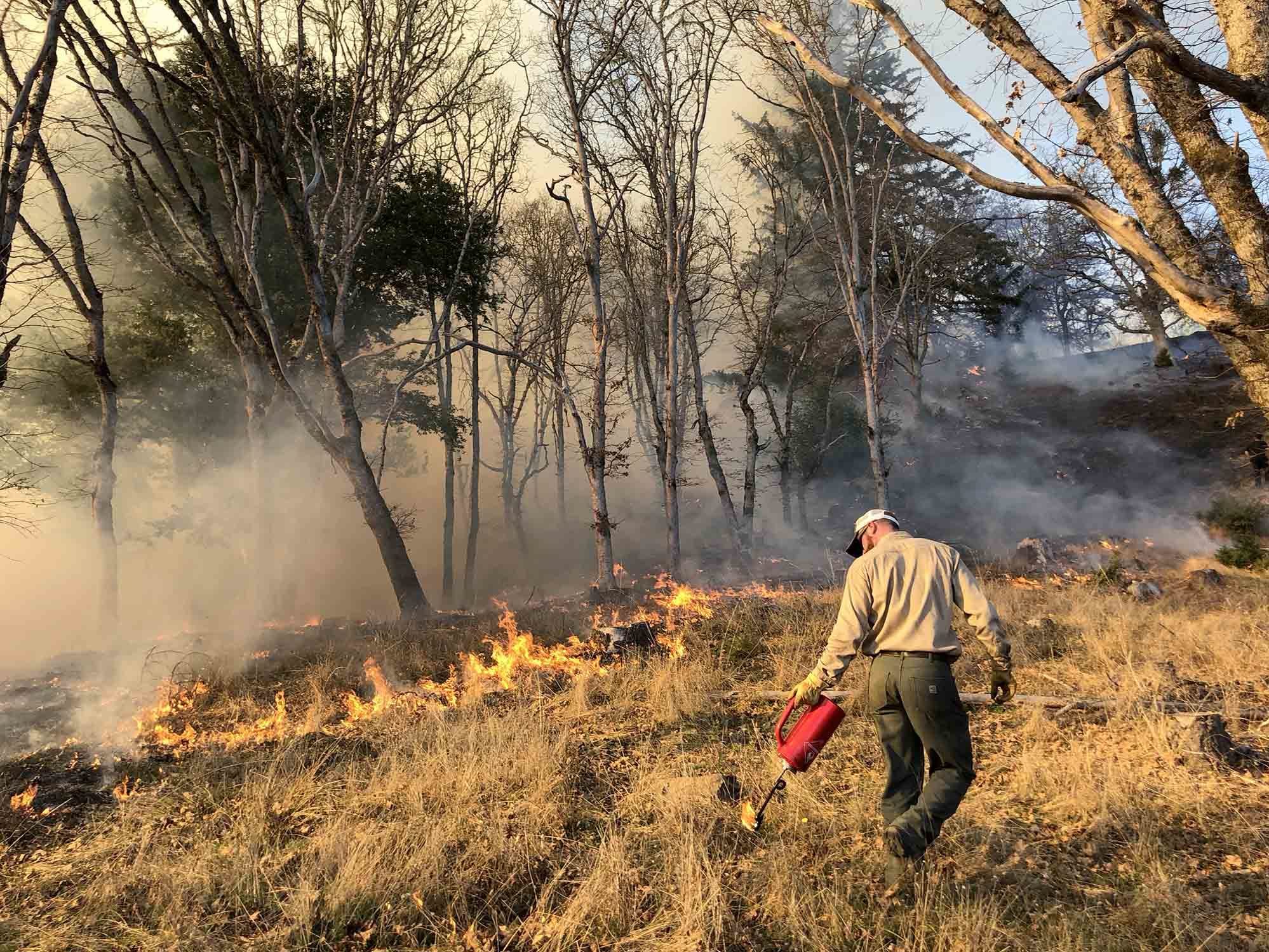
A controlled burn is the deliberate application of fire by trained professionals under specific environmental conditions to achieve predetermined resource objectives. Unlike a wildfire, which is often destructive and uncontrolled, a prescribed burn is a calculated tool. It involves setting small, low-intensity fires in targeted areas to remove excess vegetation, reduce fuel loads, and restore ecological health.
The practice isn’t new; indigenous peoples in California, such as the Karuk Tribe and Yurok Tribe, have utilized cultural burning for thousands of years to manage landscapes, promote specific plant growth, reduce pests, and prevent larger, more destructive fires. Their traditional ecological knowledge is increasingly being integrated into contemporary fire management practices, recognizing the wisdom of living with fire rather than merely fighting it.
Modern controlled burns are meticulously planned operations. Fire managers consider factors like wind speed and direction, humidity, air temperature, fuel moisture, and smoke dispersal before ignition. Teams of firefighters are strategically positioned to ensure the fire stays within its designated perimeter, using natural barriers and constructed firebreaks. The goal is to conduct a low-intensity burn that consumes surface fuels (leaves, twigs, grasses, small shrubs) without harming mature trees or the soil structure, thus restoring the ecosystem’s natural resilience.
Key Players and Policy Shifts
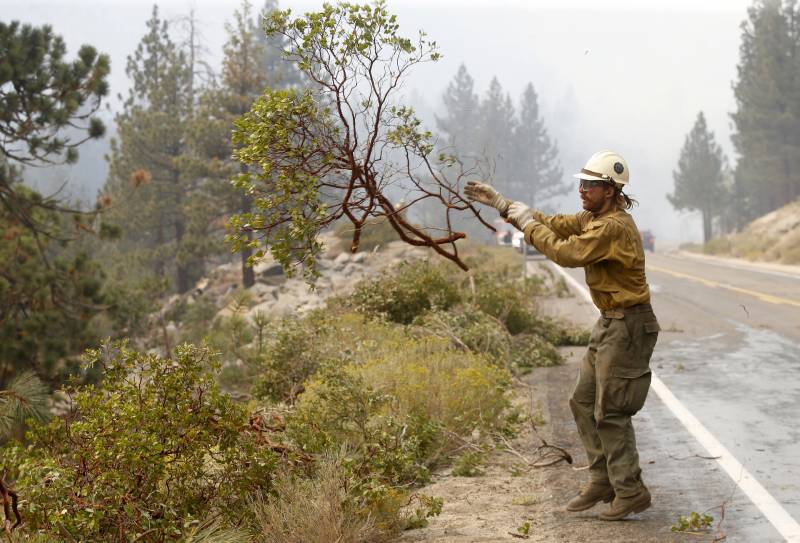
California’s wildfire strategy is a collaborative effort involving a multitude of state and federal agencies, alongside local communities and tribal nations. At the forefront are:
- CAL FIRE: The state’s primary firefighting agency, CAL FIRE, is not only responsible for fire suppression but also for an aggressive prescribed fire program, working across state responsibility areas.
- US Forest Service: Manages national forests within California, implementing large-scale prescribed burns to maintain forest health and reduce wildfire risks.
- Bureau of Land Management: Manages federal public lands, including conducting prescribed burns for habitat restoration and fuel reduction.
- California State Parks: Protects and manages the state’s park system, often employing prescribed burns to preserve natural and cultural resources.
- Local Fire Departments and Resource Conservation Districts: Play crucial roles in smaller-scale projects and community-level planning.
- Tribal Nations: Are increasingly recognized for their expertise in cultural burning and are partnering with state and federal agencies to reintroduce these practices.
Policy shifts in California reflect a growing understanding of fire’s role in the landscape. The state has invested heavily in the California Wildfire and Forest Resilience Action Plan, which outlines ambitious goals for increasing the pace and scale of fuel treatments, including prescribed burns. This plan allocates significant funding towards hiring more personnel, acquiring specialized equipment, streamlining permitting processes, and fostering cross-jurisdictional collaboration, aiming to treat hundreds of thousands of acres annually.
Benefits Beyond Fire Suppression
The advantages of controlled burns extend far beyond simply preventing catastrophic wildfires; they are fundamental to maintaining ecological balance and enhancing the long-term viability of California’s natural resources and the tourism they support.
- Ecological Restoration: Many of California’s ecosystems, such as Ponderosa pine forests and chaparral, are fire-adapted. Prescribed burns clear out competing undergrowth, allowing fire-resistant species to thrive. This promotes biodiversity by creating a mosaic of habitats, stimulating seed germination, and improving nutrient cycling in the soil.
- Reduced Wildfire Severity: By consuming accumulated fuels, controlled burns significantly reduce the intensity and spread potential of subsequent wildfires. When an uncontrolled fire eventually enters an area previously treated by a prescribed burn, it often drops to the ground, becomes less intense, and is much easier for firefighters to control, saving lives, homes, and vital natural resources.
- Improved Watershed Health: Healthy forests, maintained partly through prescribed fire, are better at absorbing and filtering rainwater, leading to cleaner water supplies for communities and enhancing aquatic habitats.
- Wildlife Habitat Enhancement: Many animal species benefit from the diverse habitats created by controlled burns. For example, clearing dense undergrowth can improve foraging conditions for deer and other herbivores, while creating open spaces for certain bird species.
- Community Safety and Economic Stability: By mitigating wildfire risks, prescribed burns protect rural communities, infrastructure, and the vital tourism industry. They help ensure that popular destinations remain accessible and appealing, supporting local economies reliant on visitors.
Navigating the Complexities: Challenges and Public Perception
While the ecological and safety benefits of controlled burns are well-documented, their implementation is fraught with challenges. From air quality concerns to logistical hurdles and the imperative of public understanding, the path to widespread prescribed fire use is complex.
Balancing Smoke and Safety
One of the most immediate and visible impacts of prescribed burns is smoke. While essential for clearing fuels, smoke can affect air quality, posing health risks, particularly for sensitive populations. This necessitates meticulous planning to minimize smoke impacts on nearby communities, often requiring burns to be conducted during specific weather windows that allow for optimal smoke dispersal away from populated areas. Air quality monitoring is a critical component, and collaboration with air quality management districts is essential.
Safety is paramount. Despite being “controlled,” fire is inherently unpredictable. Strict safety protocols, highly trained personnel, and contingency plans are critical to prevent prescribed burns from escaping their perimeters and turning into wildfires. This requires substantial resources, expertise, and continuous training, making it a demanding and high-stakes operation.
Overcoming Hurdles: Funding, Workforce, and Regulations
Expanding the scale of prescribed burning in California faces significant practical obstacles:
- Funding: Implementing large-scale prescribed fire programs requires substantial and consistent funding for planning, operations, equipment, and personnel. While state and federal investments have increased, the long-term financial commitment needed to meet ambitious targets is immense.
- Workforce: There’s a critical need for a larger, highly skilled workforce trained in prescribed fire techniques. Recruiting, training, and retaining these specialists is an ongoing challenge, especially given the seasonal nature of some fire roles and the competitive demand for experienced firefighters.
- Regulations and Liability: Navigating complex environmental regulations, such as the National Environmental Policy Act (NEPA) and the California Environmental Quality Act (CEQA), can be time-consuming and costly. Additionally, liability concerns for agencies and landowners conducting prescribed burns remain a significant deterrent, requiring policy solutions to mitigate perceived risks.
These challenges highlight that controlled burning is not a simple solution but a sophisticated management tool requiring continuous investment, innovation, and collaboration.
Public Engagement and Education
Perhaps one of the most crucial aspects of expanding prescribed fire is public acceptance. After decades of ” Smokey Bear” campaigns emphasizing fire prevention, the concept of “good fire” can be counterintuitive for many. Public perception often associates any smoke with disaster.
Effective public outreach and education are vital to building community support. This includes explaining the benefits of prescribed fire, the safety measures in place, and how short-term smoke impacts contribute to long-term community safety and environmental health. Engaging local communities, working with Prescribed Fire Councils, and sharing success stories can help shift public perception and foster a culture that understands and supports living with fire. When communities understand that a controlled burn near their town means a significantly reduced risk of a devastating wildfire, they are more likely to tolerate the temporary inconvenience of smoke.
Protecting California’s Priceless Destinations and Lifestyle
The long-term health of California’s natural landscapes is inextricably linked to the vitality of its tourism industry and the quality of life for its residents. Controlled burns, as a proactive measure, are not just about environmental protection; they are an investment in the state’s future, safeguarding the very experiences that draw millions to its shores and mountains.
Safeguarding Travel and Tourism Hotspots
Consider the direct impact of wildfires on travel and tourism. A major wildfire near a destination like Lake Tahoe or Malibu can lead to evacuations, road closures, poor air quality, and the destruction of hotels, resorts, and attractions. The economic ripple effects are immense, affecting local businesses, employment, and the overall perception of the destination.
By reducing the risk and severity of catastrophic wildfires, controlled burns play a critical role in preserving the natural infrastructure of tourism. They help ensure that:
- Iconic Landmarks Remain Intact: Protecting the forests of Yosemite National Park, the coastal beauty of Big Sur, and the majestic trees of Redwood National Park from devastating fire ensures these natural wonders continue to inspire travelers for generations.
- Outdoor Activities Thrive: Healthy, fire-resilient landscapes mean hiking trails, camping grounds, fishing streams, and scenic overlooks remain open and enjoyable, supporting the adventure and nature tourism that is a hallmark of California.
- Air Quality is Protected Long-Term: While prescribed burns create temporary smoke, they prevent the much larger, more prolonged, and more toxic smoke plumes associated with megafires, which can shut down entire regions for weeks or months, impacting travel plans and public health far more severely.
- Destination Reputation is Maintained: A state perceived as actively managing its environmental risks is more appealing to conscious travelers seeking safe and sustainable destinations.
Travel guides, accommodation providers, and local businesses all benefit from a proactive approach to wildfire management. It offers a degree of predictability and safety that is increasingly valuable in a world grappling with climate change.
A Sustainable Future for the Golden State
California’s commitment to controlled burns is more than just a fire prevention strategy; it’s a profound statement about resilience and sustainability. It acknowledges that to truly preserve its natural heritage, its diverse ecosystems, and the vibrant lifestyle it embodies, the state must adapt and innovate.
For visitors planning a trip to California, understanding the role of controlled burns provides a deeper appreciation for the efforts underway to protect the landscapes they cherish. It encourages responsible tourism, where travelers are aware of environmental challenges and support sustainable practices. For those considering a long-term stay or an investment in the Golden State, it highlights a proactive, science-backed approach to managing environmental risks, which is a crucial aspect of lifestyle planning.
As climate change continues to intensify wildfire risks, California’s embrace of prescribed fire is not merely a tactic but a fundamental shift towards coexisting with fire, learning from millennia of indigenous wisdom, and building a more resilient future. It’s about ensuring that the breathtaking beauty, the endless adventure, and the unique culture of California remain vibrant, accessible, and safe for all who wish to experience them, year after year. The question “Does California do controlled burns?” can therefore be answered with an emphatic “Yes,” affirming the state’s dedication to a sustainable and awe-inspiring tomorrow.
