
Ah, California – the Golden State! Famed for its sun-drenched beaches, towering redwoods, vibrant cities, and iconic landmarks, it’s a dream destination for travelers worldwide. From the glamour of Hollywood to the serene beauty of Yosemite National Park and the bustling tech hubs of Silicon Valley, California offers an unparalleled array of experiences. But as you plan your dream vacation, consider a fundamental question that impacts every aspect of your trip, from booking your stay to dining out and exploring attractions: “Does California have a state tax?” The simple answer is a resounding yes, and understanding its various forms is crucial for both visitors and those considering a longer stay in this dynamic part of the United States.
Beyond the postcard-perfect images, California’s tax structure is complex, encompassing sales tax, income tax, and various local levies that can significantly influence your travel budget and overall lifestyle costs. For anyone exploring the world of travel and accommodation, grasping these financial nuances is key to a smooth and enjoyable experience. This guide aims to demystify California’s state tax system, providing insights into what you can expect to pay, where those funds go, and how to factor them into your plans, whether you’re embarking on a luxurious getaway, a budget-friendly adventure, or even contemplating a move to this iconic state.
The Golden State’s Tax Landscape: An Essential Overview for Visitors and Residents
California’s reputation for innovation and natural splendor often precedes its economic realities. While its diverse landscapes, from the deserts of Death Valley National Park to the vineyards of Napa Valley and the pristine shores of Lake Tahoe, draw millions, it’s also known for having one of the highest overall tax burdens in the nation. This isn’t meant to deter, but rather to inform. Understanding where your money goes ensures a more transparent and predictable travel or living experience. These taxes contribute to the extensive infrastructure that supports tourism, maintains public services, and preserves the natural beauty that makes California so appealing.
For travelers, the most immediate impact will be felt through sales tax and lodging taxes. For those considering temporary work, remote stays, or even permanent relocation, the state’s income tax structure becomes a more significant consideration. Property taxes, while not directly paid by tourists, indirectly influence the cost of everything from hotel rates to rental properties. Diving into these specific tax categories provides a clearer picture of the financial landscape in California.
Unpacking California Sales Tax: What You’ll Pay on Goods and Services
When you shop for souvenirs, dine at a restaurant, or even rent a car in California, you’ll encounter sales tax. This tax is applied to the sale of most tangible personal property and some services, and it’s a significant component of the state’s revenue.
The Statewide Base and Local Additions
California operates with a statewide base sales tax rate. However, what makes budgeting a bit more complex is the addition of local district taxes. Cities and counties can impose their own additional sales taxes, which means the rate you pay can vary significantly depending on where you are in the state. For instance, the sales tax rate in Los Angeles might be different from that in San Francisco, or a smaller town along the Pacific Coast Highway. These local taxes often fund essential services, infrastructure projects, or specific community initiatives.
For example, while the statewide base rate might be around 7.25%, with local district taxes, the combined rate can easily climb to 8% or even over 10% in some areas. Always check the local rate for your specific destination if you’re planning significant purchases. Information on current rates is usually available through the California State Board of Equalization or on local government websites. This variability means that a seemingly small purchase could have a noticeably higher final cost than you might expect, particularly when you factor in taxes on multiple items throughout your trip.

Sales Tax on Specific Purchases: From Souvenirs to Car Rentals
For travelers, sales tax applies to a wide range of purchases. When you visit theme parks like Disneyland Park in Anaheim or Universal Studios Hollywood in Southern California, admission tickets are generally not subject to sales tax, as they are considered services. However, any merchandise, food, or beverages you buy inside these attractions will be taxed. The same applies to shopping sprees in upscale districts like Beverly Hills or charming boutiques in San Francisco’s Fisherman’s Wharf.
Dining out is another area where sales tax is consistently applied to your food and drink bill. This means that a meal at a Michelin-starred restaurant in San Francisco or a casual taco truck in Los Angeles will both include sales tax on top of the listed menu price. When renting a car, you’ll also find sales tax applied to the rental fees, in addition to any other surcharges or daily fees. This can quickly add up, especially for longer rental periods, and should be factored into your budget if road-tripping along the scenic Big Sur coastline or through Joshua Tree National Park.
Navigating Accommodation Taxes: Hotel Stays and Short-Term Rentals
One of the most significant tax considerations for travelers is the tax on lodging. Whether you’re staying in a luxury resort, a boutique hotel, or a vacation rental, you’ll incur additional charges beyond the advertised nightly rate.
Transient Occupancy Taxes (TOT) Across California’s Destinations
In California, accommodation taxes are primarily collected through what’s known as Transient Occupancy Tax (TOT), sometimes referred to as hotel tax or bed tax. This is a local tax imposed by cities and counties on the rent paid for short-term lodging, typically for stays of 30 days or less. The revenue generated from TOT is a vital funding source for local governments, often supporting tourism promotion, city services, and public infrastructure.
Crucially, the TOT rate varies significantly from one municipality to another. For example, a stay in San Diego might have a different TOT rate than one in Palm Springs, or a coastal town like Santa Barbara. Rates can range from as low as 6% to over 15% in some popular tourist destinations. Major cities like Los Angeles and San Francisco often have higher TOT rates, reflecting the high demand for accommodation and the significant tourism infrastructure they maintain. It’s essential to check the specific TOT rate for your chosen destination before booking, as this can add a substantial amount to the total cost of your stay. Many booking platforms will show an estimated total, but verifying the exact breakdown can help you understand all charges.
The Impact on Your Travel Budget: Booking Hotels and Vacation Rentals
For travelers, the TOT can represent a considerable portion of their accommodation budget. A room advertised at $200 per night could easily cost $220 or more once the TOT is applied, not to mention other potential resort fees or service charges. This is particularly relevant when booking through online travel agencies or directly with hotels. Reputable booking sites generally include these taxes in their final price estimates, but it’s always wise to confirm.
The rise of short-term rental platforms like Airbnb and Vrbo has also brought these taxes into focus. Most cities and counties now require these platforms and their hosts to collect and remit TOT, ensuring a level playing field with traditional hotels. So, whether you opt for a luxurious suite in Beverly Hills, a charming apartment in La Jolla, or a rustic villa near Lake Tahoe, be prepared for the transient occupancy tax to be added to your bill. Understanding this upfront can prevent sticker shock and allow you to budget more accurately for your perfect California escape.
California Income Tax: Implications for Longer Stays, Remote Work, and Business Travel
While sales and lodging taxes are the primary concern for short-term visitors, California’s state income tax system becomes highly relevant for individuals planning extended stays, remote workers, or those on business assignments within the state. California has a progressive income tax system, meaning higher earners pay a larger percentage of their income in taxes.
Understanding California’s Progressive Income Tax System
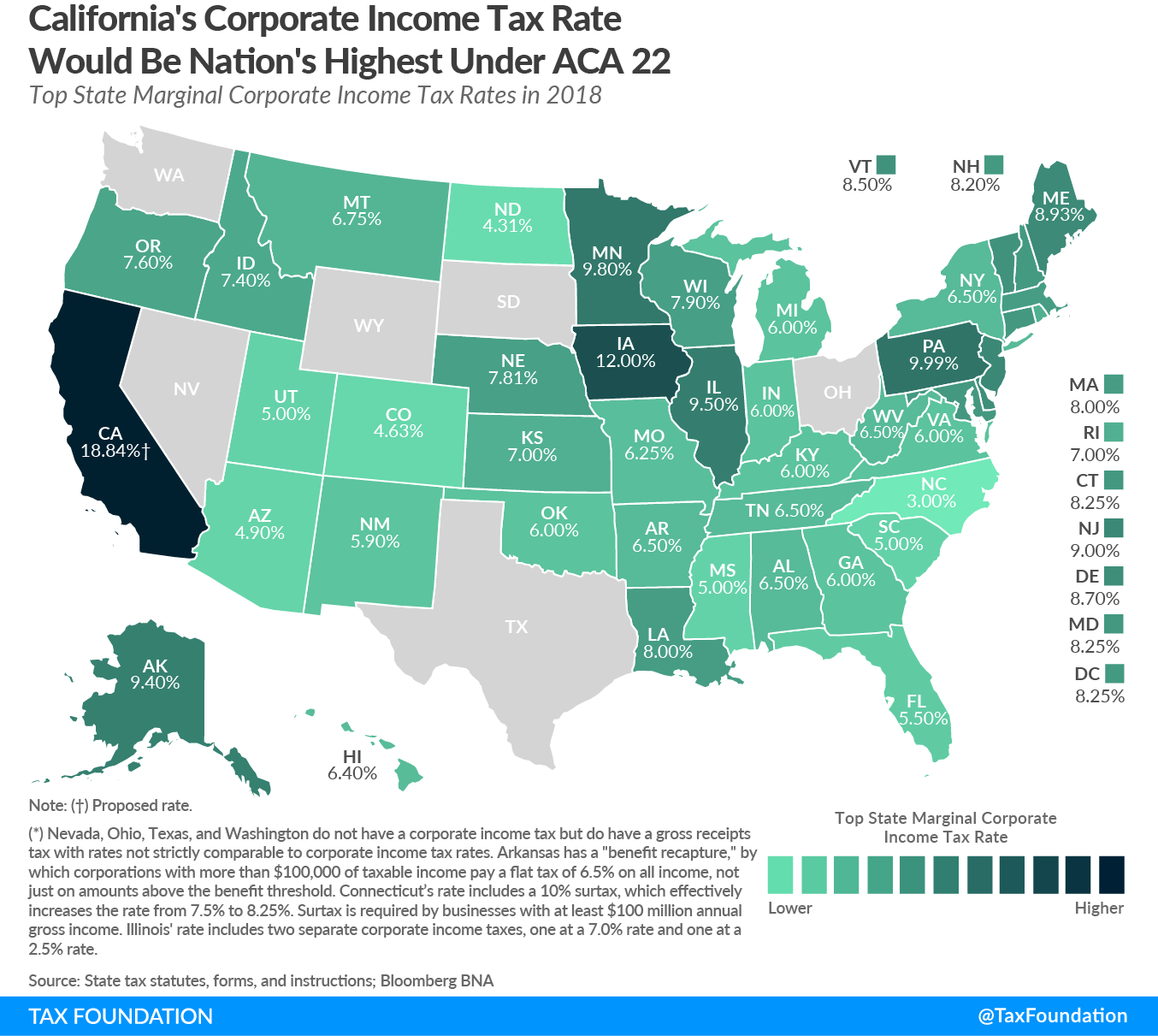
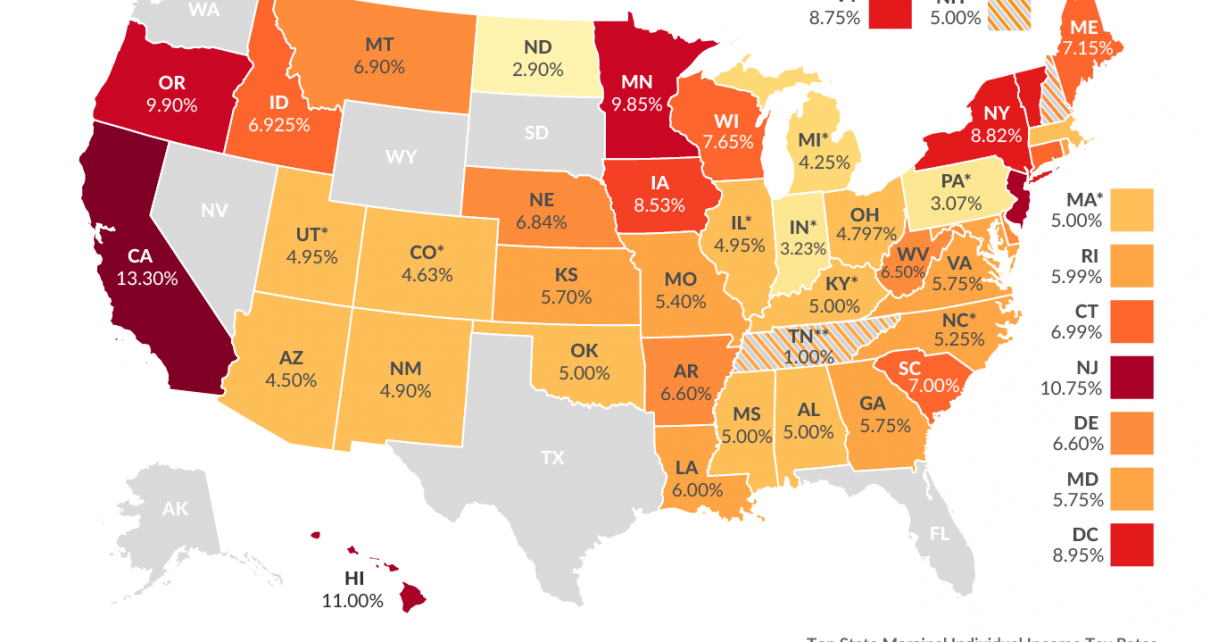
California levies a state income tax on individuals, corporations, and other entities. For individuals, the tax rates are progressive, ranging from a relatively low percentage for lower income brackets to one of the highest top marginal rates in the United States for the wealthiest individuals. This system is designed to distribute the tax burden, with the idea that those with greater financial capacity contribute more to state services.
For non-residents, the state income tax generally applies only to income sourced from California. This means if you perform work within the state, even for a short period, or earn income from a California-based business or property, that income could be subject to California income tax. The complexity often lies in determining what constitutes “sourced from California” and understanding residency rules, which can be nuanced.
Residency Rules and Taxable Income: What to Consider
Defining residency for tax purposes in California is crucial. Generally, you are considered a California resident for tax purposes if you are domiciled in the state, even if you are temporarily outside it. If you are not domiciled in California but spend enough time there and intend to make it your permanent home, you could also be classified as a resident. Conversely, non-residents are typically taxed only on income earned from California sources.
This has significant implications for:
- Business Travelers: If you’re frequently in California for work, even for short stints, your earnings for the days worked in the state may be taxable by California. Companies often have protocols for tracking this for their employees.
- Remote Workers/Digital Nomads: If you maintain a primary residence outside California but spend an extended period (e.g., several months) working remotely from a California location, you might find yourself in a grey area regarding residency and taxable income. It’s advisable to consult with a tax professional to understand your obligations.
- Long-Term Stays/Temporary Relocation: For those living in California for more than just a vacation, even if it’s not intended as a permanent move, the duration and intent of your stay can trigger residency status, making all your income (regardless of source) subject to California income tax.
The California Franchise Tax Board provides detailed guidelines on residency, but given the potential complexities, especially for high earners or those with multi-state income, seeking professional tax advice is highly recommended to ensure compliance and avoid unexpected tax liabilities.
Beyond the Essentials: Other Taxes Affecting Your California Experience
While sales, lodging, and income taxes are the most prominent, several other taxes and fees can subtly, or sometimes overtly, impact your experience and budget in California. These might not be as immediately obvious but are part of the broader financial landscape.
Gasoline Excise Tax and Vehicle-Related Costs
For anyone planning a scenic road trip along the Pacific Coast Highway, exploring wine country in Sonoma County, or venturing to the ski slopes of Mammoth Lakes, fuel costs will be a significant factor. California has one of the highest gasoline excise taxes in the United States. This state tax, along with federal taxes and other local surcharges, directly contributes to higher pump prices compared to many other states.
This means that filling up your rental car can be notably more expensive. When budgeting for a trip involving extensive driving, factor in these elevated fuel costs. Beyond gasoline, other vehicle-related fees, such as car rental taxes and fees, also contribute to the overall cost of transportation in the state. These often include airport concession fees, vehicle license recovery fees, and other surcharges that are added to your base rental rate before sales tax is applied.
Property Taxes and Their Indirect Effect on Accommodation
While tourists and short-term visitors don’t directly pay property taxes, these taxes significantly influence the cost of everything from hotel rooms to vacation rentals and long-term housing. California property taxes are levied by local governments (counties, cities, school districts) on real estate. These taxes are based on the assessed value of the property and are a substantial expense for property owners.
Owners of hotels, resorts, and rental properties factor these property tax costs into their pricing. Therefore, the high property values and corresponding property taxes in popular California destinations like San Francisco, Los Angeles, and San Diego indirectly contribute to the higher cost of accommodation you experience. Understanding this helps explain why lodging in the Golden State can sometimes feel more expensive than in other regions.
Specialized Taxes and Fees: From Tourism Assessments to Park Entry
Beyond the major tax categories, California also has various specialized taxes and fees that might come into play:
- Tourism Improvement Districts (TID) Assessments: Some cities or regions have TIDs, where an additional fee (usually a percentage of the room rate) is added to hotel bills. These funds are specifically used for marketing and promoting the area to attract more tourism. For example, a Disneyland Resort stay might include such an assessment.
- Park Entry Fees: While not a tax in the traditional sense, national and state parks like Yosemite National Park or Redwood National Park charge entrance fees. These fees are vital for the upkeep, conservation, and management of these natural treasures, ensuring their beauty for future generations of visitors.
- Beverage Container Recycling Fee (CRV): When you buy bottled beverages, you’ll pay a small CRV fee, which is refundable if you recycle the container at a certified redemption center.
- Utility User Taxes: Some cities impose a tax on utility services (electricity, gas, water, phone), which could affect long-term rentals or serviced apartments.
These additional charges, while often small individually, can accumulate, highlighting the importance of looking at the total cost rather than just the base price when planning your California adventures, from exploring Balboa Park in San Diego to enjoying the vibrant nightlife of Universal CityWalk.
Budgeting for Your California Adventure: Integrating Tax Considerations
Navigating the tax landscape of California doesn’t have to be daunting. With a bit of foresight and strategic planning, you can budget effectively and ensure your trip remains enjoyable and free of financial surprises.
Practical Tips for Travelers
Here are some actionable tips to help you integrate tax considerations into your California travel budget:
- Always Look at the Total Price: When booking accommodation, flights, car rentals, or tours, always review the final price breakdown to see if taxes, fees, and surcharges are included. Many online booking platforms now display “total price” prominently, but it’s still wise to double-check.
- Research Local Tax Rates: Before you travel, do a quick search for the sales tax and transient occupancy tax rates in the specific cities you plan to visit. This is particularly useful for major purchases or extended stays. Knowing that San Francisco or Los Angeles might have higher rates than a smaller town like those on the Mendocino Coast can influence your spending decisions.
- Budget for Incidentals: Factor in an extra percentage for sales tax on shopping and dining. For example, if you budget $100 for meals in a high-tax area, assume it will cost closer to $108-$110 after tax and before tip.
- Consider “All-Inclusive” Options: While rare for entire trips, some resorts or packages might include certain taxes and fees. Be sure to clarify what is and isn’t covered.
- Consult a Tax Professional for Extended Stays: If you’re planning to stay in California for more than a month or two, especially if working remotely, seeking advice from a tax expert familiar with California’s residency rules and income tax laws is highly advisable. This foresight can save you from significant tax liabilities down the line.
- Track Your Spending: Utilize budgeting apps or simply keep a running tally of your expenses to stay on track. This helps you see how taxes contribute to your overall spending.
The Value Proposition: Where Your Tax Dollars Go
While the idea of paying taxes might not be the most exciting aspect of travel, it’s important to remember the collective benefit. The various taxes collected in California play a crucial role in maintaining and enhancing the very infrastructure and attractions that draw visitors to the state. Your tax dollars contribute to:
- Roads and Public Transportation: Funding the maintenance of vast highway networks like the Pacific Coast Highway and efficient public transit systems in major cities, which are essential for seamless travel.
- Parks and Recreation: Supporting the preservation and accessibility of natural wonders like Yosemite National Park, Lake Tahoe, and numerous state beaches.
- Public Safety and Services: Ensuring police, fire, and emergency services are robust, contributing to a safe environment for residents and tourists alike.
- Cultural Institutions and Tourism Promotion: Helping to fund museums, cultural centers, and local tourism boards that enrich the visitor experience and promote California as a premier global destination. From the iconic Golden Gate Bridge in San Francisco to the vibrant nightlife in Los Angeles, these funds contribute to their allure and upkeep.
In conclusion, yes, California absolutely has a state tax, alongside a complex web of local taxes. Far from being a deterrent, understanding these financial aspects simply empowers you to plan a more informed and enjoyable journey. By incorporating sales tax, lodging tax, and other potential fees into your budget, you can fully immerse yourself in the unparalleled beauty, culture, and adventure that the Golden State has to offer, without any unexpected financial bumps along the way. Enjoy your California experience, fully aware of the value and services your contributions help to sustain.
LifeOutOfTheBox is a participant in the Amazon Services LLC Associates Program, an affiliate advertising program designed to provide a means for sites to earn advertising fees by advertising and linking to Amazon.com. Amazon, the Amazon logo, AmazonSupply, and the AmazonSupply logo are trademarks of Amazon.com, Inc. or its affiliates. As an Amazon Associate we earn affiliate commissions from qualifying purchases.