
California beckons with its sun-drenched beaches, iconic landmarks, and a vibrant lifestyle that captures the imagination of travelers worldwide. From the bustling streets of Los Angeles to the majestic beauty of Yosemite National Park and the serene vineyards of Napa Valley, the Golden State offers an unparalleled array of experiences. Visitors arrive seeking adventure, relaxation, and a taste of the quintessential American dream. Yet, as with any destination, understanding the local laws and customs is crucial for a safe and enriching journey. Among the various legal nuances that sometimes pique the curiosity of both potential residents and tourists, the topic of self-defense laws, particularly the “Stand Your Ground” doctrine, frequently arises.
For those planning an idyllic escape, considering a long-term stay, or even contemplating a move to California, having clarity on personal safety regulations is more than just academic; it’s a practical aspect of ensuring peace of mind. While the concept of self-defense might seem far removed from planning a stay at a luxurious resort or exploring historical sites, it underpins the broader understanding of safety and security in any unfamiliar territory. This article aims to demystify California’s approach to self-defense, clarifying whether it embraces “Stand Your Ground” and how these laws might subtly influence your travel plans, accommodation choices, and overall lifestyle within the state. By delving into the specifics, we hope to equip you with essential knowledge, allowing you to focus on the myriad of incredible experiences California has to offer, confident in your understanding of the local legal framework.
Understanding Self-Defense Laws in California
The landscape of self-defense laws across the United States can be complex, with significant variations from state to state. While the right to self-defense is universally recognized, the conditions under which one can employ force, especially deadly force, differ considerably. This divergence is most notably observed in the distinction between “Stand Your Ground” laws and the “Duty to Retreat” principle, both of which shape how individuals can legally protect themselves when faced with a threat.
The “Duty to Retreat” vs. “Stand Your Ground” Debate
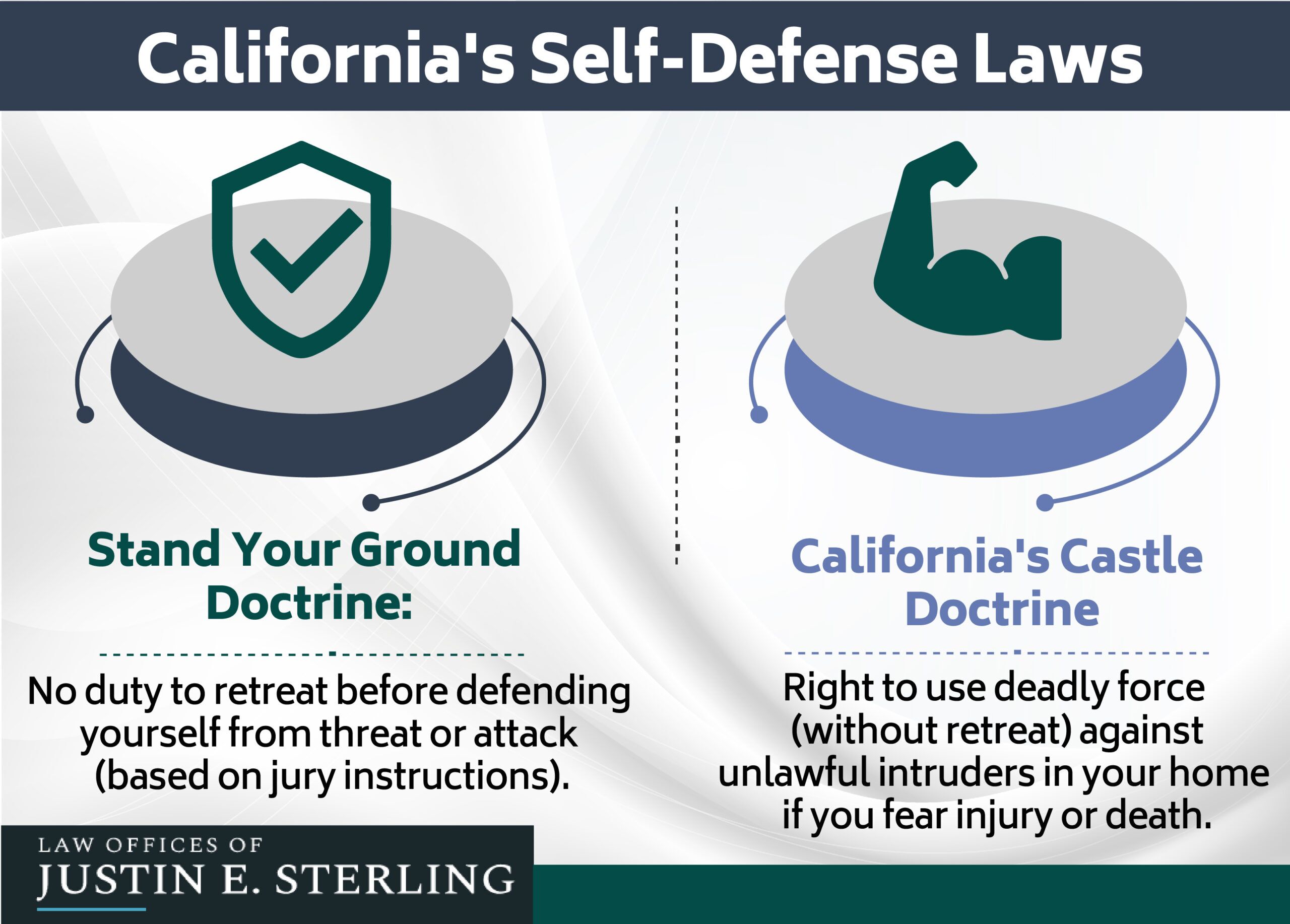
At the heart of the debate are two contrasting philosophies regarding self-defense. “Stand Your Ground” laws, which have gained prominence in many states over recent decades, eliminate the duty to retreat from a perceived threat before using deadly force, provided one is lawfully present and not the aggressor. In simpler terms, if you are legally entitled to be in a particular location and face an imminent threat of death or great bodily harm, you are generally not required to attempt to escape the situation before defending yourself, even if a safe means of retreat exists. Proponents argue that these laws empower law-abiding citizens to protect themselves without fear of legal repercussions, asserting an individual’s right to defend their life or the lives of others without qualification.
Conversely, the “Duty to Retreat” principle mandates that an individual facing a threat must attempt to escape or retreat to safety if it is safely possible to do so, before resorting to deadly force. This principle posits that human life is paramount, and if a conflict can be avoided without endangering oneself, it should be. The use of deadly force under this doctrine is generally considered a last resort, permissible only when all avenues of retreat have been exhausted or are impossible. States adhering to this principle emphasize de-escalation and avoidance of confrontation whenever feasible, prioritizing the preservation of life above all else.
So, where does California stand on this spectrum? It’s important to clarify: California is not a “Stand Your Ground” state in the traditional sense when you are in public spaces. Generally, California law incorporates a “Duty to Retreat” for individuals who are outside of their own home or place of business, if they can safely do so. This means that if you are confronted with a threat while walking through a park, enjoying an attraction like the Santa Monica Pier, or exploring a city like San Francisco, the law would expect you to attempt to remove yourself from the dangerous situation before using deadly force. The force used in self-defense must always be reasonable and proportionate to the threat faced. This nuanced position often surprises those accustomed to the broader “Stand Your Ground” provisions found elsewhere.
The Castle Doctrine: Your Home, Your Sanctuary
While California generally upholds a “Duty to Retreat” in public, there is a significant exception that aligns with principles similar to “Stand Your Ground,” particularly within one’s own domicile. This exception is known as the Castle Doctrine. The Castle Doctrine is a legal principle that states an individual has no duty to retreat from their own home when faced with an intruder and a reasonable belief of imminent danger. Within the confines of your dwelling, your “castle,” the law recognizes a heightened expectation of safety and privacy, granting you more leeway in self-defense.
In California, the Castle Doctrine dictates that if an intruder unlawfully and forcibly enters your home, you are presumed to have a reasonable fear of death or great bodily injury, and therefore, you are permitted to use reasonable force, including deadly force, to protect yourself and others within that home. This presumption is significant because it shifts the burden of proof, making it more challenging for prosecutors to argue that your fear was unreasonable or that you should have retreated. The Castle Doctrine can also extend to other places you lawfully occupy, such as a rented apartment, a hotel room, or even your vehicle, under specific circumstances, transforming these spaces into temporary sanctuaries where the duty to retreat is waived.
For travelers, this is a crucial distinction. While exploring the vast outdoor spaces of National Parks or mingling in the crowds of Hollywood, the “Duty to Retreat” applies. However, once you return to your hotel room in San Diego, your rented villa in Beverly Hills, or even a suite overlooking the Pacific Coast Highway, that space becomes your temporary “castle.” Should an intruder unlawfully enter your accommodation with the intent to commit a felony, the Castle Doctrine would likely afford you the legal right to defend yourself without first attempting to retreat.
It’s important to remember that even under the Castle Doctrine, the force used must still be reasonable in proportion to the threat. For instance, using deadly force against an unarmed person who poses no immediate threat to life would generally not be justified. Furthermore, the doctrine typically does not apply if the person you are defending against also lawfully resides in the home or if you were the initial aggressor in the confrontation. Understanding this dual approach—duty to retreat in public, Castle Doctrine in private—is fundamental to navigating personal safety in California, whether you are a short-term visitor or a long-term resident.
Implications for Travelers and Tourists in California
For anyone visiting California, from the thrill-seekers at Disneyland to the connoisseurs savoring wines in Napa Valley, understanding the state’s self-defense laws directly relates to personal safety and peace of mind. While the vast majority of visitors will never encounter a situation requiring self-defense, being informed is an essential part of responsible travel planning.
Navigating Public Spaces and Tourist Attractions
California’s iconic public spaces, whether it’s the bustling Fisherman’s Wharf in San Francisco, the scenic trails around Lake Tahoe, or the vibrant boardwalk of Venice Beach, are generally safe and welcoming. However, like any popular tourist destination globally, incidents of petty crime, scams, or rare altercations can occur. In these public environments, California’s general “Duty to Retreat” principle is in effect. This means that if you find yourself in a confrontational situation, the law expects you to disengage and retreat to safety if a clear path to do so exists, before considering the use of force, especially deadly force.
For travelers, this principle emphasizes the importance of situational awareness, de-escalation techniques, and common-sense safety practices. Rather than engaging in confrontation, the prudent approach is to avoid escalating conflicts, remove yourself from potentially dangerous scenarios, and seek assistance from local authorities if necessary. This aligns perfectly with general travel advice:
- Stay Aware of Your Surroundings: Be mindful of people and activities around you, especially in crowded areas or at night.
- Secure Valuables: Keep passports, large amounts of cash, and electronics out of sight. Be wary of pickpockets in tourist hotspots.
- Trust Your Instincts: If a situation or an individual feels off, remove yourself from it.
- Know Emergency Numbers: In the United States, dial 911 for emergencies.
- Research Areas: Before venturing into less familiar neighborhoods, especially after dark, check travel guides or ask your hotel concierge for advice on safe zones and areas to avoid.
Reputable tour operators and travel guides often provide practical safety tips, helping visitors navigate destinations like the Golden Gate Bridge or the urban sprawl of Los Angeles with confidence. While understanding legal nuances is important, proactive measures and a cautious approach remain the best defense for any traveler.

Accommodation Safety and the Castle Doctrine
When it comes to your temporary residence in California—be it a luxury hotel on the coast, a cozy Airbnb apartment in a charming neighborhood, or a sprawling villa for a family reunion—the Castle Doctrine offers an important layer of legal protection. As previously discussed, your lawfully occupied accommodation is considered your “castle,” meaning you are generally not required to retreat from an intruder who unlawfully enters and poses a threat of death or great bodily harm.
This provision is particularly relevant for travelers, as it outlines the legal parameters for defending oneself within the privacy and presumed security of one’s rented space. While it’s an unlikely scenario, knowing that the law supports your right to self-defense within your temporary dwelling can contribute to a greater sense of security during your stay.
When selecting accommodation, particularly for long-term stays or family trips, considering safety features can align with the spirit of the Castle Doctrine and enhance your overall peace of mind:
- Check Reviews for Security: Look for mentions of secure entry, well-lit parking, and reputable staff in hotel and rental reviews.
- Amenities and Location: Many modern hotels and resorts offer advanced security systems, 24/7 front desks, and are located in well-patrolled areas, all of which contribute to a safer environment. Boutique hotels in charming but quiet neighborhoods often offer a good balance of local culture and tranquility.
- Personal Security Measures: Always use door chains and deadbolts when inside your room, and ensure windows are securely locked. Store valuables in a safe provided by your accommodation.
- Communicate with Staff: Don’t hesitate to report any suspicious activity to hotel management or property owners immediately.
Whether you’re booking a short visit to San Diego’s Gaslamp Quarter or settling into a villa for an extended stay near Joshua Tree National Park, understanding that your chosen accommodation is afforded special protections under the Castle Doctrine can add a layer of reassurance to your travel experience, allowing you to relax and fully immerse yourself in the wonders of California.
Lifestyle and Long-Term Considerations in the Golden State
Beyond the typical tourist experience, many individuals are drawn to California for its lifestyle, considering it for long-term stays, relocation, or even retirement. For this demographic, a deeper understanding of the state’s self-defense laws, woven into the broader fabric of daily life and community integration, becomes even more pertinent. It moves from being a theoretical travel advisory to a practical consideration for day-to-day safety and legal preparedness.
Residing in California: Beyond the Tourist Trail
For those contemplating making California their home, whether as digital nomads, expats, or permanent residents, the nuances of self-defense laws impact more than just isolated incidents; they contribute to the overall sense of security and how one approaches personal safety strategies. While the allure of California’s diverse regions—from the tech hubs of Silicon Valley to the artistic communities of Laguna Beach—is undeniable, understanding the legal framework provides a complete picture of living in the Golden State.
When residing in California, whether owning a home or renting an apartment, the Castle Doctrine firmly establishes your right to defend yourself without retreat within your domicile. This is a foundational aspect of property ownership and tenancy, granting residents a strong legal standing in cases of home invasion. However, for everyday interactions outside the home, the “Duty to Retreat” still applies. This emphasizes responsible conduct, avoidance of unnecessary confrontations, and prioritizing de-escalation in public settings.
Beyond the legal aspect, integrating into a new community involves researching neighborhood safety, understanding local crime statistics, and engaging with neighborhood watch programs. For instance, a bustling urban center like Downtown Los Angeles will have different safety considerations than a quiet suburban enclave in Orange County or a rural town in Northern California. These considerations often dictate choices in housing, lifestyle activities, and even how one commutes or spends leisure time.
Furthermore, individuals considering carrying a weapon for self-defense should be acutely aware of California’s strict gun laws and regulations regarding concealed carry permits, which are generally very difficult to obtain and vary by county. Consulting with a legal professional is highly recommended for anyone seeking to understand the full scope of these complex laws and their personal implications. Navigating these legal and practical considerations is a key part of establishing a secure and fulfilling lifestyle in California.
Enjoying California Responsibly and Safely
Ultimately, [California](https://lifeoutofthebox.com/california] remains an incredibly safe and welcoming state for both visitors and residents. The vast majority of experiences, whether enjoying the cuisine of San Francisco, hiking in Joshua Tree National Park, or exploring the vibrant art scenes of Oakland, will be peaceful and memorable. The purpose of understanding self-defense laws is not to foster fear, but to empower individuals with knowledge, allowing them to travel and live with greater confidence and preparedness.
Embracing the California lifestyle means taking advantage of its unparalleled natural beauty, cultural diversity, and innovative spirit. Whether you’re indulging in luxury travel with stays at five-star resorts or embarking on a budget travel adventure through its scenic routes, preparedness and awareness are your best companions. Simple precautions, such as safeguarding your belongings, avoiding isolated areas late at night, and trusting your intuition, will contribute more significantly to your personal safety than an in-depth legal analysis in most day-to-day scenarios.
For those planning to immerse themselves in California’s rich tapestry of experiences, from its world-class attractions to its charming local communities, a relaxed yet informed approach is ideal. Knowing that California employs a “Duty to Retreat” in public spaces encourages a mindset of de-escalation and avoidance, which are often the safest courses of action. Simultaneously, the protection afforded by the Castle Doctrine within your home or temporary accommodation provides reassurance that your private space is legally recognized as a sanctuary where your right to defend yourself is paramount.

Conclusion
In summary, the question “Does California have Stand Your Ground Law?” can be answered with a nuanced “no, but.” While California does not broadly embrace the “Stand Your Ground” doctrine that eliminates the duty to retreat in all public spaces, it firmly upholds the “Duty to Retreat” principle. However, this is significantly tempered by the robust application of the Castle Doctrine, which grants individuals the right to stand their ground and use reasonable force, including deadly force, without a duty to retreat, if they are within their own home, lawfully occupied apartment, or even a hotel room, and face an intruder posing a threat of death or great bodily injury.
For anyone traveling to or residing in California, this distinction is vital. It means that while exploring iconic landmarks or enjoying the vibrant culture of California’s cities, exercising caution, avoiding conflict, and retreating from threats whenever safely possible are the expected legal responses. Conversely, within the sanctity of your chosen accommodation, whether it’s a short-stay hotel or a long-term villa, the law provides a strong foundation for self-defense without the obligation to retreat.
Understanding these self-defense laws, combined with general personal safety practices, empowers both visitors and residents to navigate the Golden State with confidence. California continues to be an extraordinary destination, offering boundless opportunities for unforgettable travel experiences, luxurious accommodations, and an enriching lifestyle. By being informed and prepared, you can fully embrace all that this remarkable state has to offer, ensuring your adventures are not only thrilling but also safe and secure. Enjoy your journey through California, responsibly and with peace of mind.