
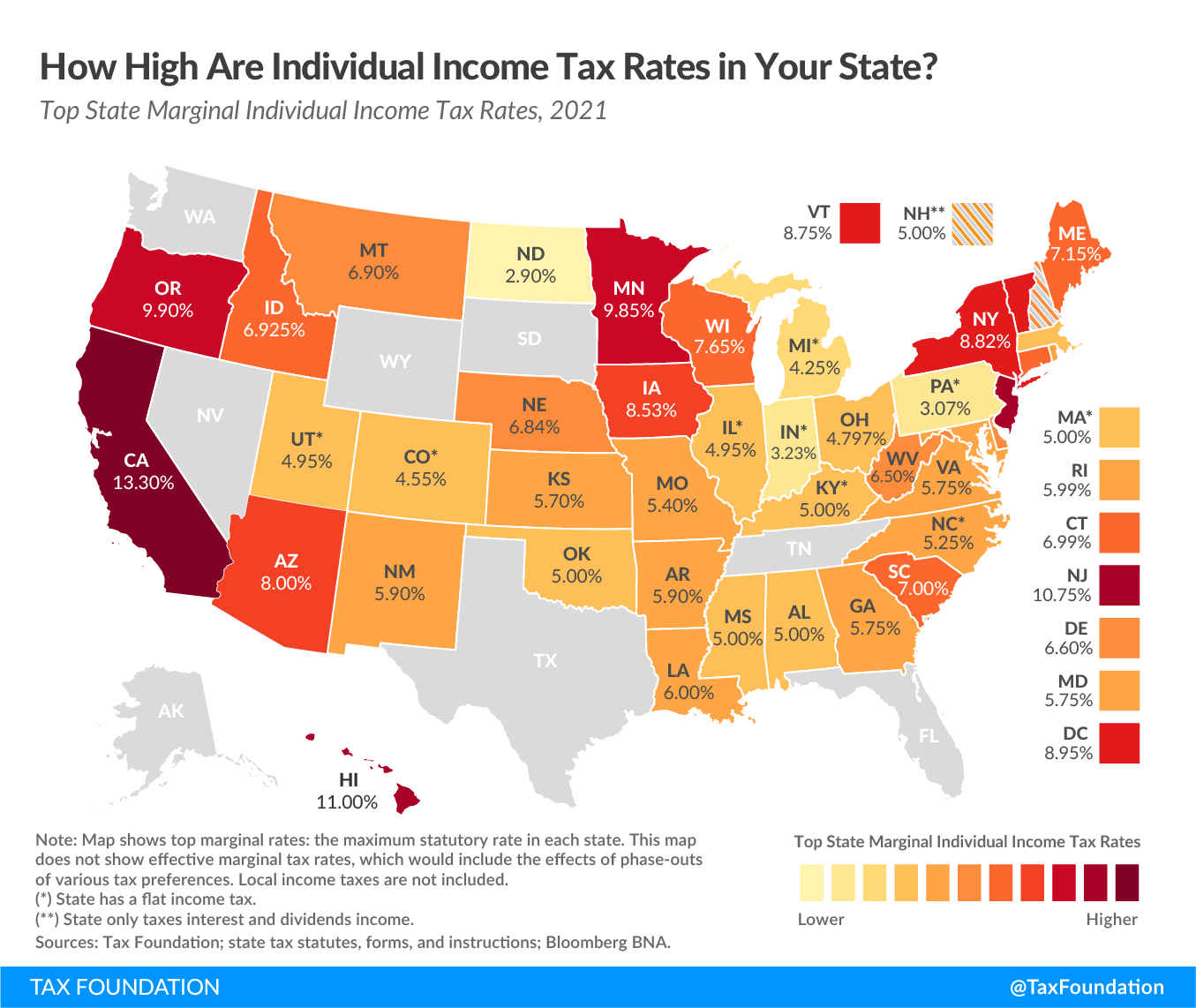
Yes, California does have a state income tax. In fact, it is renowned for having one of the highest state income tax rates in the United States. This fact often sparks curiosity and discussion, especially among those planning a visit, contemplating a move, or even considering a long-term stay in the Golden State. For travelers, digital nomads, and potential residents, understanding this aspect of California’s financial landscape is crucial, as it can significantly impact everything from a luxury vacation budget to the overall cost of living and working remotely from one of the world’s most desirable destinations.
California’s income tax system is progressive, meaning that the more an individual earns, the higher percentage of their income they will pay in taxes. The specific tax rates are tiered and vary based on income level and filing status. While the exact figures can fluctuate slightly year by year due to legislative changes, the fundamental progressive structure remains a defining characteristic of California’s tax code. For the most up-to-date and specific information, it’s always prudent to consult official sources, though this article will delve into the broader implications for tourism and lifestyle.
Understanding California’s Income Tax Landscape
The question of whether California has a state income tax is straightforward, but the implications are far-reaching. Beyond simply knowing “yes,” it’s important to grasp what this means for various individuals interacting with the state, from short-term tourists enjoying the beaches of Malibu to tech professionals establishing a new life in San Jose. The tax structure is designed to fund the state’s extensive public services, infrastructure, and social programs, reflecting the diverse and often expensive needs of its nearly 40 million residents.
Who Pays California State Income Tax?
Generally, individuals who are residents of California are subject to state income tax on all their income, regardless of where it’s earned. This includes wages, salaries, business income, investments, and more. For non-residents, the situation is a bit different: they are typically only taxed on income derived from California sources. This distinction is particularly relevant for the growing number of remote workers and digital nomads. If you spend a significant portion of the year working from a temporary residence in California but maintain your primary residence elsewhere, understanding the residency rules becomes critical. These rules are complex and can factor in elements like the location of your home, family, bank accounts, and even the amount of time spent in the state.
For tourists on short trips, the state income tax usually isn’t a direct concern unless they are engaging in income-generating activities within the state. However, the higher operating costs for businesses, potentially influenced by state taxes, can indirectly affect prices for hotels, attractions, and goods, which is a consideration for any travel budget. For those considering a longer stay, perhaps purchasing a second home in Palm Springs or enjoying an extended sabbatical in Santa Barbara, the nuances of residency and tax liability become much more pressing.

What Are the Current Tax Rates?
California’s income tax rates are among the highest in the nation, with top marginal rates that can exceed 13%. These rates apply progressively across various income brackets, meaning different portions of an individual’s income are taxed at different rates. For instance, the first portion of income might be taxed at 1%, with subsequent brackets reaching much higher percentages. These brackets are adjusted periodically for inflation.
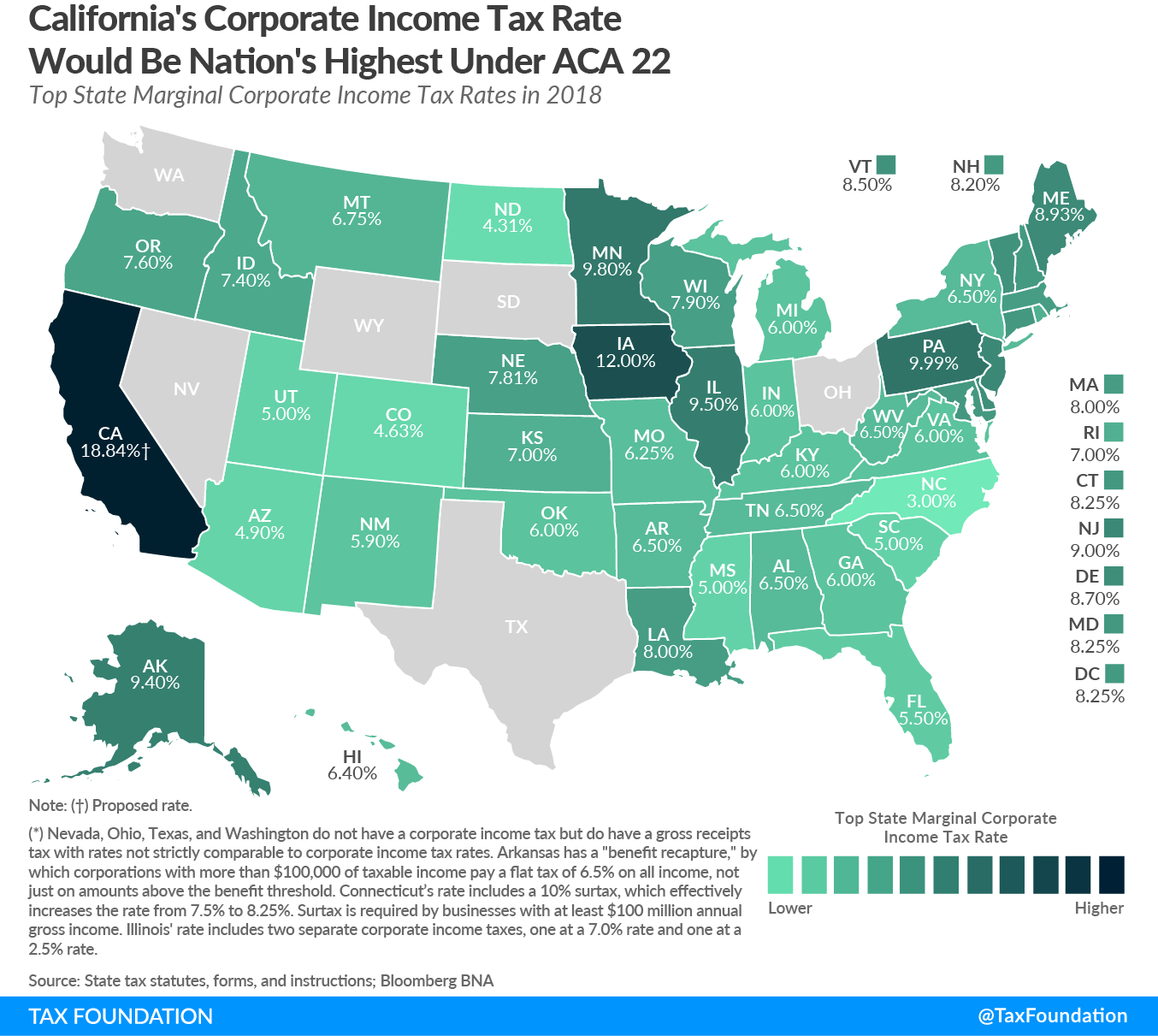
It’s important to distinguish between state income tax and federal income tax. Individuals in California pay both. The combination of federal and state taxes can result in a significant portion of income being allocated to taxes, a factor that influences the overall cost of living and the attractiveness of California for certain professionals and high-net-worth individuals. Understanding these rates is essential for anyone planning a business venture, considering job opportunities in Silicon Valley, or simply evaluating the financial feasibility of a dream move to Los Angeles. The state also imposes a surcharge on very high incomes, further emphasizing its progressive tax philosophy.
The Impact of California’s Taxes on Travel and Lifestyle
The presence of a significant state income tax in California has a ripple effect that extends beyond just direct tax payments. It influences the broader economic environment, which in turn affects travel experiences, lifestyle choices, and the feasibility of long-term stays. For a website focused on travel, hotels, tourism, accommodation, landmarks, and lifestyle, these implications are central to providing comprehensive guidance.
For Tourists and Short-Term Visitors
While tourists generally aren’t directly subject to California state income tax, its indirect effects can be felt. The cost of doing business in California, which includes factors like employee wages and commercial property costs influenced by the state’s economic structure, can translate into higher prices for consumers. This means that a stay at a luxury resort in Beverly Hills, a meal at a Michelin-starred restaurant in San Francisco, or even tickets to Disneyland Resort in Anaheim might carry a higher price tag compared to similar experiences in states with lower operating costs.
Understanding this allows travelers to budget more effectively. A family trip to California requires careful financial planning, especially when considering accommodation options ranging from boutique hotels in Napa Valley to vacation rentals along the Monterey coastline. The overall higher cost of living in popular tourist destinations translates into higher prices for everything from transportation and groceries to souvenirs. Therefore, a “budget travel” approach in California might look different than in other regions, emphasizing careful selection of accommodation, taking advantage of free attractions like Santa Monica Pier, and utilizing public transport where available.
For Digital Nomads and Remote Workers
The rise of remote work has introduced a new demographic to consider California’s tax structure: digital nomads. These individuals often have the flexibility to live and work from almost anywhere, and the allure of California’s diverse landscapes and vibrant culture is undeniable. However, the state income tax becomes a significant consideration. If a digital nomad establishes residency in California, even temporarily, they will likely be subject to its income tax on all their earnings. This can significantly reduce their take-home pay compared to living in a state with no income tax.
Many remote workers are drawn to California for its innovative spirit and access to professional networks, particularly in tech hubs like San Francisco and Los Angeles. However, the high cost of accommodation, combined with state income tax, necessitates a careful financial assessment. Some digital nomads might opt for shorter stays, carefully tracking their time in the state to avoid triggering residency rules, or choose more affordable, lesser-known destinations within California that offer a lower cost of living while still providing access to natural beauty, such as small towns near Yosemite National Park or along the Mendocino Coast.
For Relocation and Long-Term Stays
For individuals and families contemplating a full relocation or a long-term stay in California, the state income tax is a primary financial factor. The dream of living near the beaches of Laguna Beach, enjoying the cultural scene of Hollywood, or being close to the natural wonders of Lake Tahoe comes with a financial reality check. The combination of high income taxes, elevated housing costs, and a generally high cost of living means that salaries need to be proportionally higher to maintain a comparable standard of living to many other parts of the United States.
This influences decisions about career paths, retirement planning, and family budgets. Professionals considering business stays or long-term assignments in California must factor in these taxes when negotiating compensation packages. Retirees looking for warmer climates might weigh the benefits of Palm Springs against the tax implications for their retirement income. Understanding the long-term financial commitment is essential for anyone dreaming of making California their permanent home, whether it’s for the vibrant lifestyle, diverse culture, or unparalleled natural beauty.
Navigating California: Balancing Experience with Cost
Despite the tax implications, California remains one of the most visited and desired destinations globally. Its unique blend of iconic landmarks, world-class attractions, and diverse natural landscapes continues to draw millions. The key for many is to navigate the state smartly, balancing the desire for incredible experiences with the practicalities of its higher cost of living, which is partly influenced by its tax structure.
Iconic Destinations and Their Economic Context
California is home to an astonishing array of world-famous landmarks and destinations. From the architectural marvel of the Golden Gate Bridge in San Francisco to the cinematic magic of Universal Studios Hollywood in Los Angeles, and the awe-inspiring beauty of Yosemite National Park, the state offers experiences unmatched anywhere else. Each of these places, however, exists within the broader economic context of California.
For example, a trip to Alcatraz Island or a drive along Big Sur will incur costs for transportation, lodging, and food that are reflective of the state’s economic environment. Visiting the Hollywood Walk of Fame or the Griffith Observatory in Los Angeles offers relatively inexpensive activities, yet the surrounding costs for accommodation in Hollywood or Beverly Hills can be substantial. Similarly, exploring the wine regions of Napa Valley or Paso Robles requires budgeting for tours, tastings, and potentially luxurious resort stays. Even visiting natural wonders like Joshua Tree National Park or Sequoia National Park involves travel and accommodation expenses that need to be planned for. Understanding that the incredible quality and variety of experiences come with a corresponding price point, partly influenced by the state’s tax system, helps travelers set realistic expectations and plan accordingly.
Finding Value in Accommodation and Experiences
Smart travelers and potential residents can find ways to mitigate the higher costs associated with California. When it comes to accommodation, exploring options beyond the most central or well-known districts can yield significant savings. Instead of a beachfront hotel in Santa Monica, consider areas slightly inland or charming towns like Ojai or Carmel-by-the-Sea for a different kind of luxury travel experience that might offer better value. Utilizing hotel comparison sites, booking long-term stays in serviced apartments, or exploring vacation rentals can also provide more economical choices, especially for families or longer trips.
For experiences, focusing on California’s natural beauty is often the most cost-effective and rewarding approach. Hiking in Redwood National Park, exploring the deserts of Death Valley National Park, or enjoying a day at a less-crowded beach can be free or low-cost activities. Many museums, like the Getty Center in Los Angeles, offer free admission, with only parking as an expense. Embracing local culture through farmers’ markets, street festivals, and free outdoor concerts can also enrich a trip without breaking the bank. For those considering long-term residency, exploring cities like Sacramento or those in the Central Valley, which often have a lower cost of living than coastal metropolises, can offer a more financially sustainable path to a California lifestyle. Even mountain communities like Lake Arrowhead or Big Bear Lake offer distinct lifestyle options.
Beyond Income Tax: Other Financial Considerations in California
While state income tax is a significant factor, it’s not the only financial consideration for those engaging with California. A holistic view of the state’s financial environment includes other taxes and general cost-of-living expenses that collectively impact travel and lifestyle choices.
Sales Tax and Property Tax
California also has one of the highest state sales tax rates in the United States, with local jurisdictions often adding their own rates, pushing combined rates well over 7% and sometimes exceeding 10% in certain cities. This directly impacts tourists and residents alike, as it applies to most goods purchased, from clothing and electronics to restaurant meals. While a minor expense on individual purchases, it can add up over the course of a long vacation or for a household’s regular spending.
Property taxes in California are another major consideration, particularly for long-term residents, those purchasing vacation homes, or investors in hotels and rental properties. While the state’s base property tax rate is relatively low due to Proposition 13, the exceptionally high property values in many desirable areas mean that the actual dollar amount paid in property taxes can still be very substantial. This directly influences the cost of accommodation, whether you’re renting an apartment in San Diego or staying in a luxury villa in San Simeon near Hearst Castle. The combination of high income taxes, sales taxes, and property taxes contributes to the overall perception of California as an expensive place to live and visit.
Budgeting for a California Adventure
Ultimately, budgeting for any trip or move to California requires a clear understanding of its financial realities. This includes accounting for transportation costs, which can be high given the state’s vast distances and often congested traffic in urban centers. Fuel prices in California are consistently among the highest in the nation. Food costs, whether dining out or purchasing groceries, are also generally above the national average. Even simple activities like a ferry ride to Catalina Island need to be factored into the overall budget.
For visitors, creating a detailed itinerary that balances iconic paid attractions with free natural wonders and leveraging local deals can make a significant difference. For those considering relocation, a thorough financial plan that accounts for income taxes, housing costs, daily expenses, and transportation is indispensable. While California may come with a higher price tag due to its tax structure and high demand, its unparalleled beauty, diverse culture, and endless opportunities make it a dream destination for many. With careful planning and an awareness of these financial aspects, individuals can still experience the best of what the Golden State has to offer, making the most of their travel, accommodation, and lifestyle choices within this magnificent state.