
California, often hailed as the Golden State, beckons millions of visitors each year with its unparalleled blend of sun-drenched beaches, majestic mountains, vibrant cities, and a cultural tapestry woven from innovation and tradition. From the iconic glamour of Hollywood to the serene beauty of Yosemite National Park, and the bustling tech hubs of Silicon Valley to the world-renowned vineyards of Napa Valley, California offers an incredible spectrum of experiences for every type of traveler. Whether you dream of a luxurious escape in Beverly Hills, a family adventure at Disneyland Resort, or a rugged backpacking trip through the Sierra Nevada, the opportunities are boundless.
However, beneath the allure of its picturesque landscapes and dynamic urban centers lies a practical consideration that impacts both visitors and prospective residents alike: the state’s tax system. To directly answer the question: Yes, California does have state taxes, and understanding them is crucial for effectively budgeting your dream vacation, planning a long-term stay, or considering a permanent move to this remarkable state. These taxes are not just numbers on a ledger; they are fundamental to funding the very infrastructure, public services, and attractions that make California such a desirable place to visit and live. For anyone navigating the vibrant landscape of California, from booking a boutique hotel in San Francisco to renting a car for a Pacific Coast Highway adventure, these fiscal realities play a significant role in the overall cost and experience.
Understanding California’s Tax Landscape for Travelers and Residents
California’s tax system is complex, encompassing a range of levies that contribute to the state’s revenue. For visitors, the most immediate impact comes from sales taxes and transient occupancy taxes. For residents, the picture expands to include income tax and property tax, alongside various other fees and surcharges. Recognizing these distinct categories helps in appreciating how different aspects of the California experience are priced and funded.
Key State Taxes: Income, Sales, and Property
-
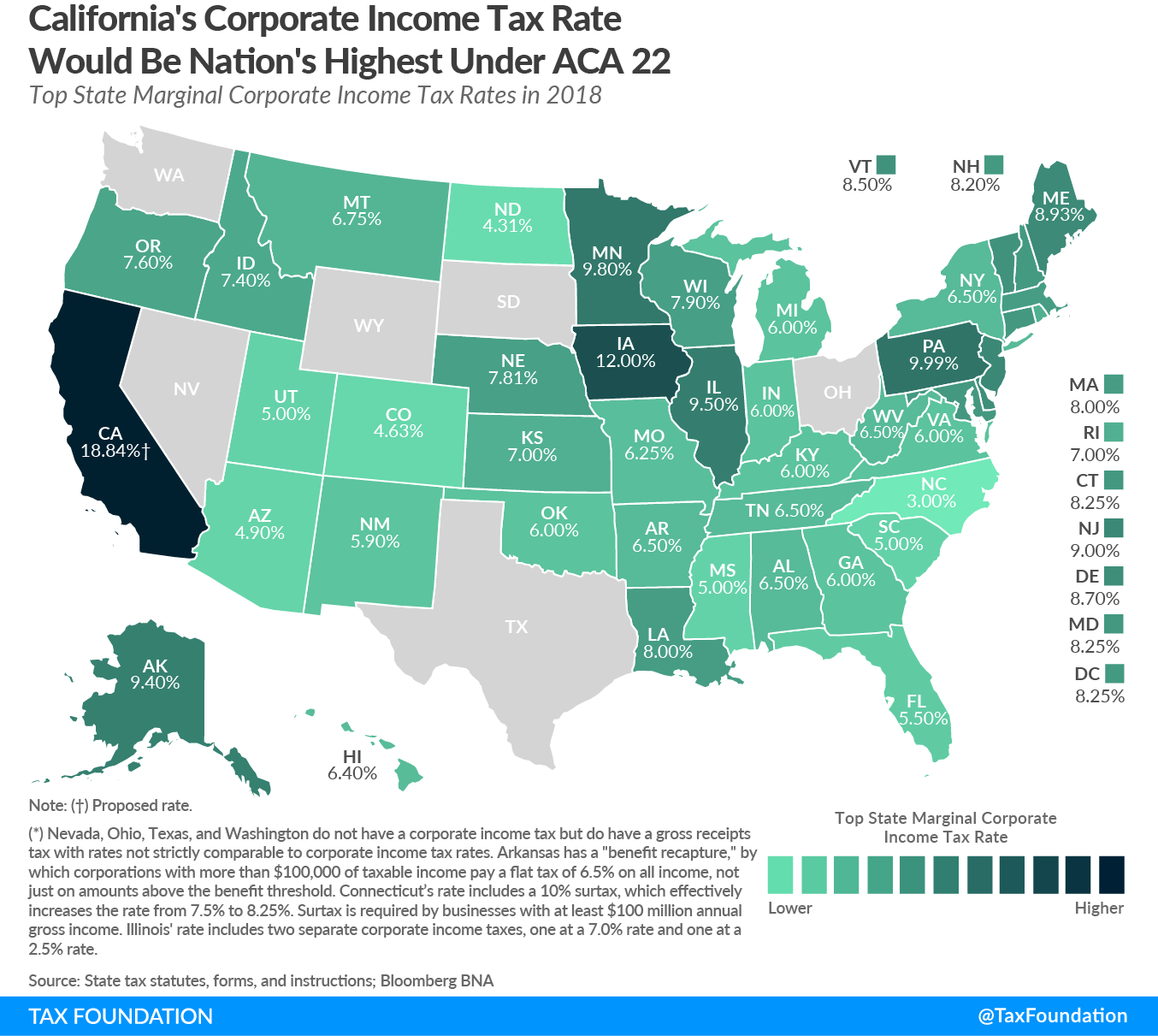
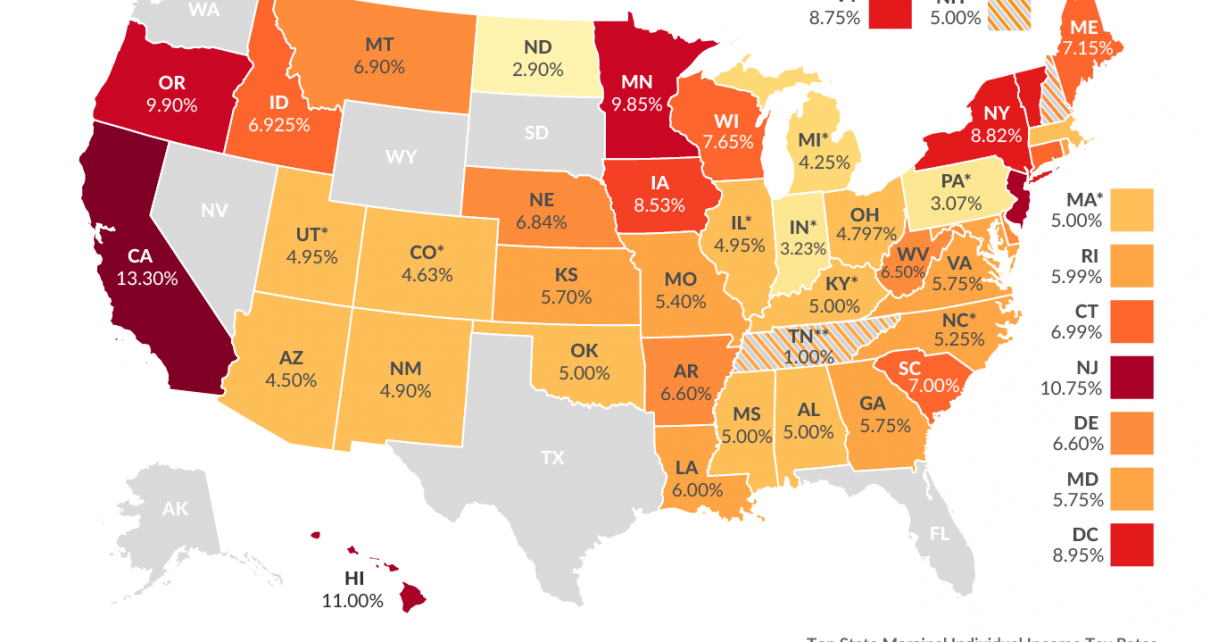
California State Income Tax: This is a progressive tax, meaning higher earners pay a larger percentage of their income in taxes. Rates can range from 1% to as high as 12.3% (or even 13.3% for the wealthiest, including a mental health services tax). While this primarily affects residents and those earning income within the state, it’s a significant factor in California’s overall high cost of living, which can indirectly influence the prices of goods and services for everyone. For those considering relocating for work in tech or entertainment, understanding the income tax implications is paramount. This tax helps fund a wide array of state services, from education to healthcare, all of which contribute to the quality of life and public infrastructure that benefit tourists.
-
California State Sales Tax: This is perhaps the most noticeable tax for tourists. California has the highest statewide sales tax rate in the United States at 7.25%. However, this is just the base rate. Most cities and counties add their own local sales taxes, pushing the combined rate significantly higher. For instance, in cities like Los Angeles or Oakland, the combined sales tax rate can exceed 9.5%. This tax is applied to most tangible goods purchased, from souvenirs and clothing to restaurant meals and groceries (excluding most unprepared food items). When you dine out in San Diego‘s Gaslamp Quarter or shop for designer items in San Francisco’s Union Square, remember that the price tag won’t be your final bill. This sales tax contributes directly to municipal and county services, enhancing the cleanliness and safety of the areas travelers frequent.
-
California Property Tax: Property taxes are levied by local governments (counties, cities, school districts) on real estate. While not directly paid by most tourists, property taxes are a crucial component of the cost of accommodation, especially for hotels, resorts, and vacation rentals. These taxes contribute to local public services such as schools, fire departments, and police forces, which indirectly enhance the safety and appeal of tourist destinations. For those contemplating long-term stays or purchasing property in California, understanding the nuances of Proposition 13 and local assessment practices is essential, as it significantly impacts the cost of homeownership and real estate investment.
The Impact of State Taxes on Your California Travel Budget
For anyone planning a trip to California, budgeting is key, and state taxes are an unavoidable part of that equation. Beyond income and sales tax, other specific taxes directly affect the cost of travel and accommodation, making it imperative to factor them into your financial planning.
Hotel Occupancy Taxes and Their Variations
One of the most significant taxes for travelers is the Transient Occupancy Tax (TOT), often referred to as a hotel tax. This local tax is levied on short-term stays at hotels, motels, bed and breakfasts, and even many short-term vacation rentals. The TOT rate varies widely by city and county across California, ranging anywhere from 8% to 17% or even higher in some popular tourist destinations. For example, a stay in a luxury suite at the Waldorf Astoria Beverly Hills might incur a higher percentage in TOT than a motel stay in a smaller town.
Consider the implications: if you book a hotel room for $200 per night in San Francisco (which has a high TOT rate, often around 14-16%), you could easily be paying an additional $28-32 per night in tax alone. Over a week-long trip, this can add hundreds of dollars to your accommodation expenses. Researching the specific TOT rate for your chosen city or town before booking is a smart move. Websites often display the base room rate, but the final price including all taxes and fees can be substantially higher. This is especially true for popular destinations like Santa Monica, Palm Springs, or Anaheim (home to Disneyland Resort), where tourism thrives and local governments rely on these taxes to fund tourist-related services.

Car Rentals and Fuel: Hidden Costs
For many visitors, especially those embarking on a scenic road trip along Highway 1 or exploring California’s vast national parks, a rental car is essential. Here, too, taxes and fees come into play. Beyond the base rental rate, you’ll encounter sales tax, various surcharges (like vehicle license fees or airport concession fees if renting from an airport), and potentially a tourism tax. These can add a significant percentage to your rental car bill.
Furthermore, California has some of the highest gasoline prices in the United States, largely due to state gasoline taxes, environmental fees, and specific blend requirements for fuel. These factors contribute to the overall cost of driving, which is a key consideration for anyone planning to explore the expansive regions of Northern California or Southern California. While public transportation options are robust in major metropolitan areas like San Francisco (with BART and Muni) and Los Angeles (with Metro), for true exploration of the state’s diverse attractions, a car is often necessary, making fuel costs an important budget line item.
Beyond the Numbers: How Taxes Shape California’s Tourist Experience
While the mention of taxes might seem mundane, it’s vital to remember that these revenues are not simply absorbed into a void. They play a critical role in funding the infrastructure, public services, and preservation efforts that directly enhance the quality of life for residents and the experience for millions of tourists. The vibrancy of California’s cultural scene, the meticulous upkeep of its natural treasures, and the efficiency of its urban centers are all, in part, supported by the state’s tax framework.
Funding Public Services and Infrastructure
State and local taxes contribute significantly to maintaining California’s extensive road network, including the famed Pacific Coast Highway which draws countless visitors for its breathtaking views from Big Sur to Monterey. They also fund public transportation systems like BART in the Bay Area, making it easier for travelers to navigate bustling cities like San Francisco and Oakland without the hassle of driving and parking. The quality of airports, ports, and other essential services are also supported by tax revenues, ensuring smooth arrivals and departures for international and domestic travelers alike. Beyond transportation, these funds underpin police and fire services, public health initiatives, and emergency response, providing a crucial safety net that benefits everyone within the state’s borders.
Preserving Natural Wonders and Cultural Sites
A substantial portion of tax revenue is allocated to environmental protection and the maintenance of California’s unparalleled natural and cultural landmarks. This includes the upkeep of state parks, beaches, and wilderness areas like Redwood National and State Parks or the scenic coastline around Carmel-by-the-Sea. These funds ensure that hiking trails are maintained, campsites are managed, and fragile ecosystems are protected for future generations to enjoy.
Moreover, cultural institutions such as the Getty Center in Los Angeles, the numerous museums in San Francisco’s Golden Gate Park, and historic sites like Alcatraz Island receive public funding and support that helps with their preservation, operation, and accessibility. Even events and festivals that celebrate California’s diverse heritage and artistic spirit often benefit from local tax dollars, enhancing the visitor experience with unique cultural insights and entertainment opportunities. In essence, the taxes paid, whether directly or indirectly, contribute to sustaining the very reasons why people choose to visit California in the first place.
Navigating the Golden State: Financial Considerations for Visitors and Newcomers
Planning for a visit or a move to California requires a comprehensive understanding of the financial landscape. While the state’s natural beauty and economic opportunities are undeniable, being prepared for the cost of living and specific tax implications will ensure a smoother and more enjoyable experience.
Budgeting for Your Dream California Vacation
For travelers, smart budgeting goes beyond just airfare and accommodation. Here are some tips to factor in taxes:
- Research TOT Rates: Before booking any accommodation, check the specific Transient Occupancy Tax rate for the city or county. Websites like Booking.com or Expedia will usually show the final price including taxes, but it’s good to be aware of the breakdown.
- Sales Tax Awareness: Remember that nearly every purchase of a tangible item or restaurant meal will have sales tax added. Budget an extra 8-10% for these expenses, depending on your location.
- Transportation Costs: Factor in higher gas prices and potential rental car surcharges. If relying on public transit, budget for passes or fares. Consider passes for attractions like Universal Studios Hollywood or the San Diego Zoo to avoid paying individual ticket sales taxes multiple times.
- Flexibility and Off-Peak Travel: While taxes remain constant, demand-based pricing for hotels and flights can fluctuate dramatically. Traveling during the off-peak season can often lead to significant savings on the base price of accommodation, which in turn reduces the total tax amount you pay.
- Enjoy Free Attractions: Balance paid attractions with California’s many free offerings, such as beaches in Santa Barbara, hiking trails in Griffith Park (with its iconic Griffith Observatory), or strolling across the Golden Gate Bridge.
Considering a Move? Tax Implications for Residents
For those dreaming of a longer-term stay or full relocation to California, a deeper dive into the tax structure is essential. California has one of the highest overall tax burdens in the United States, which is a key factor in its high cost of living.
- Income Tax Impact: As mentioned, California’s progressive income tax can significantly reduce disposable income, especially for high earners. It’s crucial to understand your estimated tax bracket.
- Housing Costs and Property Tax: The median home price in many California areas is exceptionally high. While property taxes are limited by Proposition 13, the initial purchase price dictates a substantial annual tax bill. Renters also indirectly pay property taxes through higher rental costs.
- Vehicle Registration and Fees: Owning a car in California involves annual registration fees that are often higher than in other states, based on the vehicle’s value. Smog checks are also a regular requirement in many areas.
- Retirement Planning: For retirees, California fully taxes most retirement income, unlike some other states. This is an important consideration for financial planning.
- Financial Advisement: Given the complexity, consulting with a financial advisor specializing in California taxation is highly recommended for anyone considering a significant financial move or relocation.
In conclusion, California undeniably has a robust state and local tax system. While these taxes contribute to a higher cost of living and travel compared to some other destinations, they are also instrumental in funding the unparalleled public amenities, world-class infrastructure, and diligent preservation of natural and cultural treasures that define the Golden State. By understanding and factoring these taxes into your plans, you can confidently embark on an unforgettable journey or successfully transition to life in one of the most dynamic and beautiful places on Earth. The experiences and memories forged in California often far outweigh the financial considerations, making it a truly rewarding destination for all.
LifeOutOfTheBox is a participant in the Amazon Services LLC Associates Program, an affiliate advertising program designed to provide a means for sites to earn advertising fees by advertising and linking to Amazon.com. Amazon, the Amazon logo, AmazonSupply, and the AmazonSupply logo are trademarks of Amazon.com, Inc. or its affiliates. As an Amazon Associate we earn affiliate commissions from qualifying purchases.