
California, a state synonymous with innovation, natural beauty, and a laid-back lifestyle, often captivates the imagination of travelers worldwide. From the sun-drenched beaches of San Diego to the iconic urban landscapes of San Francisco and Los Angeles, it offers an unparalleled array of destinations, attractions, and experiences. Millions flock here annually to explore its diverse culture, indulge in its world-class cuisine, and marvel at its famous landmarks like the Golden Gate Bridge or the majestic Yosemite National Park. Yet, beneath the veneer of its vibrant tourism industry and captivating lifestyle offerings, lies a complex legal and social landscape that occasionally prompts deeper inquiries from curious visitors or those contemplating a long-term stay. One such question, perhaps surprisingly to some, concerns the state’s stance on capital punishment: Does California have the death penalty?

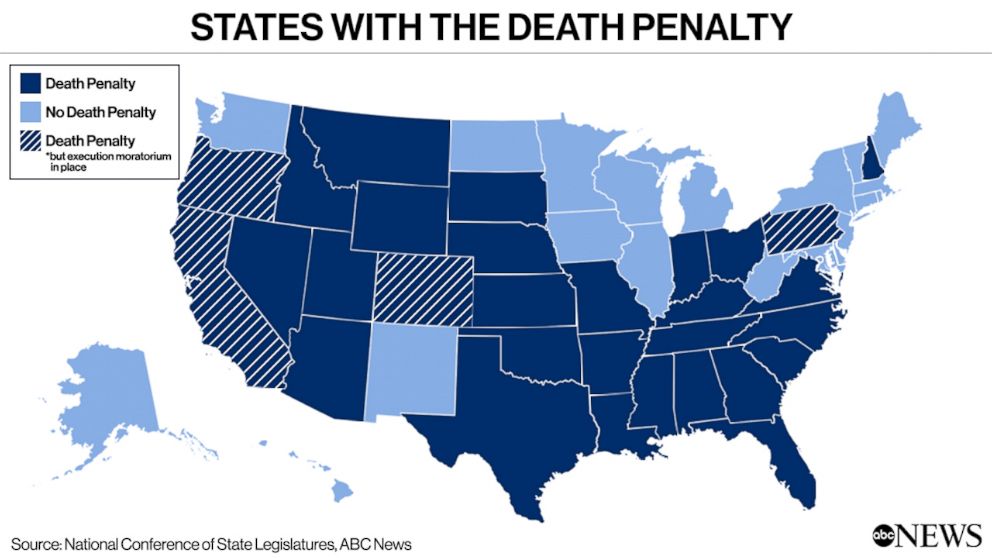
While this topic might seem far removed from the typical discussions of luxury travel, budget travel, or family trips, understanding the legal framework and cultural ethos of any destination can offer a richer, more nuanced appreciation of its identity. For those interested in the historical fabric of governance, the evolution of justice systems, or even specific sites related to these aspects, the answer is complex and reflects a significant chapter in the state’s history. Technically, yes, California still has the death penalty on its books, but its application has been subject to a lengthy, convoluted legal journey, culminating in a statewide moratorium on executions. This means that while capital punishment remains a legally permissible sentence, no executions are currently carried out. This exploration delves into the history, legal challenges, and current state of capital punishment in California, offering insights that, while distinct from typical tourism guides, provide a deeper understanding of this remarkable state.
The Shifting Sands of Justice: A Look at California’s Capital Punishment History
To fully grasp California’s current position on the death penalty, it’s essential to journey through its historical trajectory. The state’s approach to capital punishment has been anything but static, reflecting broader societal changes, evolving legal interpretations, and the interplay of public sentiment and judicial scrutiny. This historical narrative is as much a part of California’s unique “local culture” as its food scene or architectural styles, offering a glimpse into the ongoing evolution of justice in the United States.
Early Days and Reinstatement: Legal Battles and Public Sentiment
Capital punishment has been a part of California’s legal system since its inception into the United States in 1850. For over a century, executions, primarily by hanging, and later by gas chamber, were carried out. However, the legal landscape began to shift dramatically in the latter half of the 20th century. In 1972, a landmark ruling by the California Supreme Court in People v. Anderson declared the state’s death penalty unconstitutional, deeming it “cruel or unusual punishment” in violation of the state’s constitution. This decision led to the commutation of all existing death sentences, effectively abolishing capital punishment in the state.
However, this abolition was short-lived. Public sentiment, strongly in favor of capital punishment, quickly mobilized. In 1972, just months after the Anderson ruling, voters approved Proposition 17, amending the California Constitution to explicitly declare that the death penalty was not cruel or unusual punishment. This set the stage for the legislature to reinstate capital punishment in 1973. Further amendments and new statutes were passed, culminating in the 1978 ballot initiative, Proposition 7, which significantly expanded the scope of crimes punishable by death. This period highlights the dynamic interplay between judicial decisions, legislative action, and the will of the people—a fascinating aspect of any region’s “lifestyle” or governance.
Landmark Rulings and Judicial Scrutiny
Following the 1978 reinstatement, California quickly amassed the largest death row population in the Western Hemisphere. Despite this, actual executions remained infrequent due to a labyrinthine appeals process. Each death sentence automatically triggers a series of appeals, first through the California Supreme Court and then potentially through the federal courts, including the U.S. Supreme Court. This extensive review process is designed to ensure due process and prevent wrongful convictions, but it also creates considerable delays.
Over the decades, numerous legal challenges have chipped away at the viability of capital punishment. Issues such as inadequate legal representation, racial bias, the constitutionality of specific execution methods, and the sheer length of time inmates spend on death row have all been scrutinized. These legal battles have not only highlighted flaws in the system but have also contributed to the de facto moratorium currently in place. The continuous legal discourse around these issues represents a significant part of California’s “cultural” landscape, often debated in its vibrant urban centers and reflected in its progressive leanings.
The Modern Landscape: A Moratorium in Practice
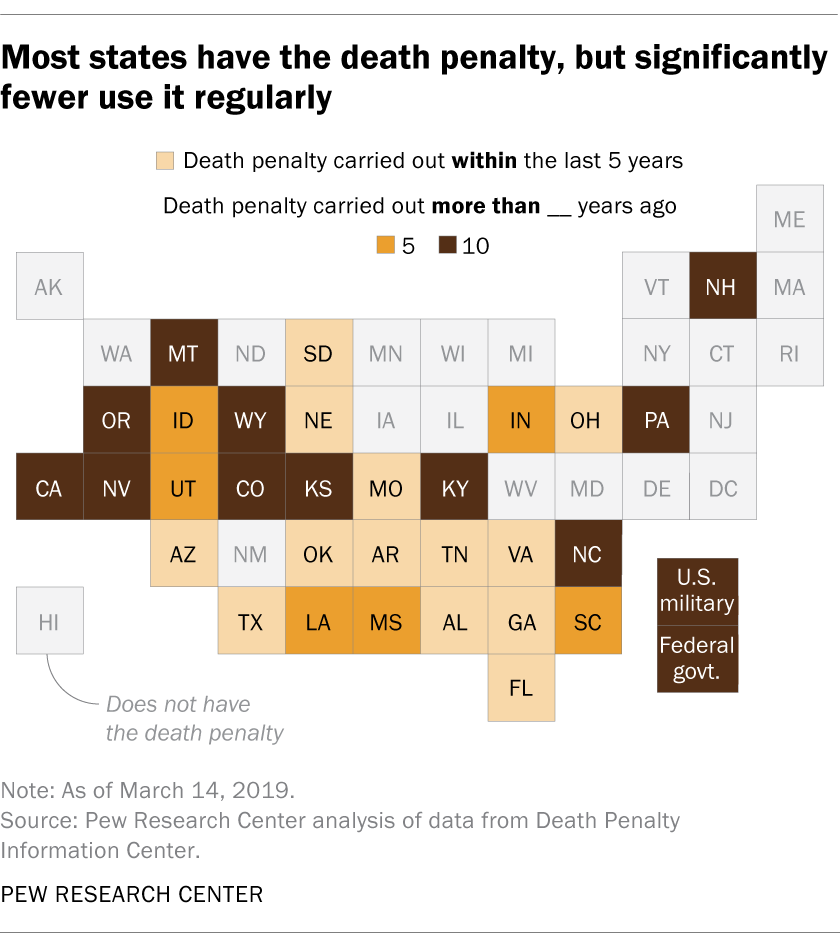
The present status of the death penalty in California is characterized by a significant divergence between what is legally allowed on paper and what is practiced. While sentences of death are still handed down, and death row continues to house hundreds of inmates, no executions have taken place in over 17 years. This current state is primarily due to a statewide moratorium, an executive action that has brought executions to a halt.
Executive Action and the Fate of San Quentin
On March 13, 2019, Governor Gavin Newsom signed an executive order imposing a moratorium on the death penalty in California. This action immediately halted all executions as long as he remains governor. The executive order also withdrew the state’s lethal injection protocol, effectively closing the execution chamber at San Quentin State Prison, the facility that houses the state’s male death row inmates. Governor Newsom cited moral opposition to capital punishment, concerns about its disproportionate application, and the risk of executing innocent individuals as reasons for his decision.
This moratorium reflects a broader “lifestyle” shift in how justice is approached in California, aligning with its reputation as a state often at the forefront of social and legal reform. For those interested in local culture and the nuances of governance, this executive action is a critical element in understanding the state’s contemporary identity. While the death penalty remains on the books, awaiting potential legislative or future gubernatorial action, its practical implementation has been suspended indefinitely under the current administration.
Implications for the State’s Judicial “Lifestyle”
The existence of a de facto moratorium has profound implications for California’s judicial “lifestyle.” It means that while courtrooms continue to process capital cases and juries may still recommend death sentences, the ultimate penalty cannot be carried out. This creates a complex situation for victims’ families, legal professionals, and inmates alike, generating ongoing debate and legislative efforts.
There have been multiple attempts through ballot initiatives to either repeal the death penalty entirely (Proposition 62 in 2016) or to streamline the appeals process and expedite executions (Proposition 66 in 2016). Voters rejected the repeal and narrowly approved expediting executions, illustrating the divided public opinion on this issue. However, even with the passage of Proposition 66, the challenges in implementing its provisions, coupled with the governor’s moratorium, have ensured that executions remain stalled. This intricate dance between public will, judicial review, and executive power forms a fascinating, if somber, part of California’s governance story—a deep dive into the “culture” and “activities” that shape the state.
Exploring Sites of Legal Significance: Beyond the Tourist Trail
While the concept of capital punishment isn’t typically featured in travel guides for California’s stunning attractions, certain sites hold profound historical and legal significance, offering a unique perspective for travelers interested in the deeper facets of local culture and history. These aren’t your typical resorts or hotels, but rather landmarks that speak to the state’s complex past and present.
San Quentin State Prison: A Historic, Yet Somber, Landmark
Perhaps the most recognized site related to California’s death penalty is San Quentin State Prison. Located just north of San Francisco in Marin County, this iconic facility is the oldest prison in California and the only one with a death row for male inmates. Established in 1852, its imposing stone walls and watchtowers stand as a stark reminder of the state’s criminal justice system. While not a tourist attraction in the traditional sense, its historical significance is undeniable. Its proximity to other famous landmarks, like the picturesque town of Sausalito and the natural beauty of Mount Tamalpais, sometimes prompts visitors to ponder its role in the state’s narrative.
For those intrigued by “dark tourism” or places with significant historical weight, sites like San Quentin and even the infamous Alcatraz Island (a former federal prison in San Francisco Bay, now a popular national park site) offer a different kind of “experience.” They represent a somber, yet integral, aspect of California’s past, showcasing the evolution of its correctional and legal philosophies. While San Quentin does not offer public tours focused on its death row facilities, its visible presence as a historic landmark underscores the gravity of the legal issues discussed.
State Capitols and Judicial Buildings: Architectural Insights into Governance
Beyond prisons, the centers of legislative and judicial power offer architectural and historical landmarks that are open to the public. The California State Capitol Museum in Sacramento, for instance, is a magnificent neoclassical building that serves as both a museum and the working seat of the state’s government. Visitors can explore its grand halls, admire its intricate architecture, and learn about the legislative process, which directly impacts laws like those pertaining to capital punishment. Touring such buildings offers a tangible connection to the state’s governance and the decisions that shape its “lifestyle.”
Similarly, various county courthouses across the state, particularly those in historic downtowns, often boast impressive architecture and house the very courts where justice is administered. While not direct tourist attractions, their presence in cities like Los Angeles or San Francisco contributes to the urban landscape and historical depth. Understanding the role of these buildings in the state’s legal history can enrich a traveler’s appreciation for California’s layered identity, far beyond its surf culture or entertainment industry.
Understanding California’s Unique Legal Fabric as a Traveler
For the discerning traveler, especially those considering extended stays or a deeper engagement with local culture, understanding the nuances of a destination goes beyond finding the best hotels or mapping out popular attractions. It involves appreciating the complete picture, including the legal and social frameworks that define a place. While the death penalty might not appear on a typical list of “things to do” in California, its complex status reflects the state’s progressive tendencies, its robust legal system, and its commitment to ongoing social discourse.
Respecting Local Governance and the Spirit of a Place
Knowing that California has a death penalty on its books but a moratorium in practice offers a glimpse into the state’s progressive “lifestyle” and its evolving approach to justice. It underscores a society that grapples with complex moral and ethical questions, seeking to balance public safety with human rights and judicial fairness. This context can enhance a traveler’s understanding of the local ethos, particularly in a state renowned for its activism, environmental consciousness, and social innovation.
Visitors can enjoy all that California has to offer, from the pristine beaches of Malibu to the bustling energy of Hollywood and the serene landscapes of Death Valley National Park, with the knowledge that they are in a state that, while diverse in opinion, often strives for thoughtful and humane governance. This understanding allows for a more informed and respectful engagement with the destination, fostering a deeper connection to the culture and people. It’s about appreciating that every locale, even one as seemingly idyllic as California, carries a profound history and an ongoing commitment to shaping its future.
In conclusion, the answer to “Does California have the death penalty?” is yes, legally, but no, practically, due to the standing moratorium. This complex reality is a testament to California’s unique position as a leader in both tourism and progressive policy. For travelers, understanding such intricacies enriches the travel experience, transforming a simple visit into an educational journey through the layers of a truly remarkable state. Whether you’re staying in a luxurious Santa Monica resort or exploring the historic districts of Pasadena, knowing more about the legal and social fabric of California adds another dimension to your adventure.