
The Golden State, renowned for its sun-drenched beaches, towering redwood forests, and iconic landmarks, might not be the first place that springs to mind when discussing twisters. Many associate the most dramatic tornado activity with the “Tornado Alley” states of the central United States. However, the question of whether California experiences tornadoes is a valid one, and the answer, while perhaps not as sensational as in other regions, is a resounding yes. California does indeed have tornadoes, though they are generally less frequent and less powerful than their Midwestern counterparts. Understanding the meteorological conditions that give rise to these phenomena in California, their typical characteristics, and their impact on the state’s diverse landscapes offers a fascinating glimpse into the complex weather patterns of this vast and varied territory.
The Meteorological Crucible: Conditions for Tornado Formation in California
While California’s typical weather patterns are often characterized by dry summers and mild, wet winters, specific atmospheric conditions can converge to create an environment conducive to tornado development. Unlike the vast, flat plains of the Midwest, which offer unobstructed pathways for severe thunderstorms to develop and interact, California’s meteorological landscape is more complex, influenced by its coastal proximity, mountain ranges, and diverse topography.
Thunderstorms and Atmospheric Instability
Tornadoes, in essence, are a product of severe thunderstorms. The primary ingredients for their formation are atmospheric instability, moisture, and a lifting mechanism. In California, these elements can align, particularly during the cooler, wetter months when storm systems from the Pacific Ocean are more prevalent. Atmospheric instability occurs when warmer, moist air near the surface rises rapidly through cooler, drier air aloft. This rapid updraft is the engine of a thunderstorm.
Wind Shear: The Spinning Element
Perhaps the most crucial ingredient for tornado formation, beyond a strong thunderstorm, is wind shear. Wind shear refers to a change in wind speed and/or direction with height. In the context of thunderstorms, this differential wind flow can cause the air within the storm to begin rotating. As this rotation intensifies and extends vertically, it can form a mesocyclone – a rotating column of air within a supercell thunderstorm. It is from these mesocyclones that tornadoes can descend to the ground.
Unique Californian Influences
California’s unique geography plays a significant role in how and where tornadoes form. The Sierra Nevada mountain range, for instance, can influence air currents and create localized areas of instability. The proximity to the Pacific Ocean provides a source of moisture, especially during the winter storm season. Furthermore, the interaction of marine air masses with continental air masses can create frontal boundaries where lifting mechanisms are enhanced, fostering the development of severe weather.
The Nature of Californian Tornadoes: Frequency, Intensity, and Types
When tornadoes do manifest in California, they often differ in characteristics from those seen in the Great Plains. Their typical scale, intensity, and behavior are shaped by the prevailing meteorological conditions.
Infrequent Yet Significant
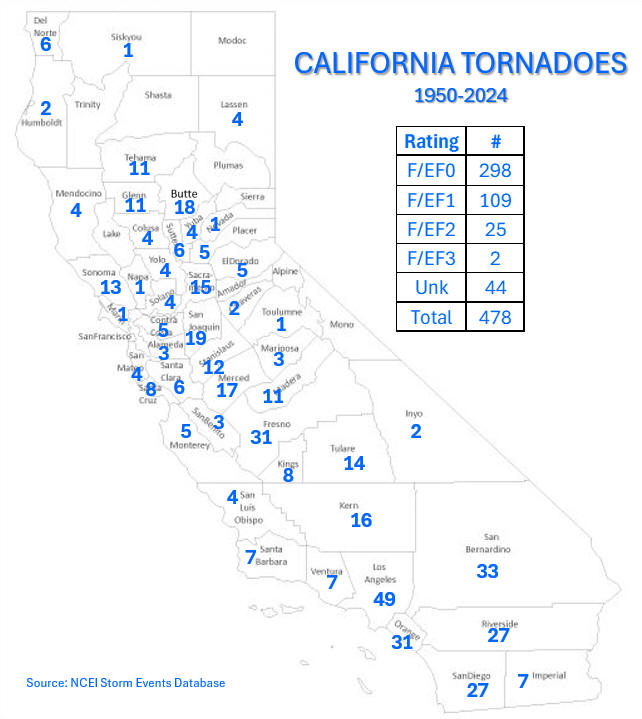
The average number of tornadoes reported in California each year is relatively low compared to states in Tornado Alley. However, this statistical rarity does not diminish the potential for significant damage when they do occur. The state experiences, on average, a handful of tornadoes annually, with some years seeing none and others witnessing a slightly higher count. These events are often concentrated during the late fall, winter, and early spring months, coinciding with the peak of the Pacific storm season.
The Waterspout Connection

A common phenomenon in California that shares similarities with tornadoes is the waterspout. Waterspouts are essentially tornadoes that form over water. Off the California coast, particularly in areas like the Channel Islands or near Santa Catalina Island, these rotating columns of air are observed with some regularity. While many waterspouts are relatively weak and dissipate quickly, some can move onshore and transition into landspouts, a type of tornado that forms without a pre-existing mesocyclone.
Landspouts and Occasional Supercells
Landspouts are the most common type of tornado observed in California. Unlike the powerful tornadoes born from supercells, landspouts form under developing cumulonimbus clouds when air is being drawn upward and rotates. They are often weaker and more localized. However, California is not entirely immune to the development of supercells capable of producing stronger, more violent tornadoes. These events are rarer but can cause significant destruction. The Los Angeles metropolitan area, for example, has experienced damaging tornadoes in the past, demonstrating the state’s vulnerability to these more potent storms.
Documented Tornado Events and Their Impact
Throughout California’s history, there have been notable tornado events that have left their mark on communities and landscapes. These occurrences serve as reminders of the state’s capacity for severe weather, even if it is not a primary tornado-prone region.
Notable Past Tornadoes
One of the most significant tornado outbreaks in California occurred on March 27, 1991, when a series of tornadoes struck the Los Angeles Basin. The strongest of these, an F3 tornado, caused extensive damage in Fontana and surrounding areas, downing trees, damaging homes, and injuring several people. Another notable event was the San Diego tornado on July 1, 1997, an F1 event that caused significant damage in the Clairemont neighborhood, tearing roofs off buildings and uprooting trees. More recently, on February 21, 2019, an EF1 tornado touched down in the San Bernardino area, causing minor damage and disruption.
Impact on Diverse Landscapes
The impact of tornadoes in California is often influenced by the state’s varied geography. In urban areas like those in Southern California, tornadoes can cause significant structural damage to homes, businesses, and infrastructure. The density of development in places like Orange County means that even a weaker tornado can have a substantial economic and social impact. In more rural or natural settings, tornadoes can cause considerable damage to agricultural lands, vineyards, and forests, disrupting ecosystems and impacting livelihoods. The redwood forests of Northern California, while not a common target, could theoretically be affected by a powerful, unusual tornado.
Preparedness and Perception: Navigating California’s Tornado Risk
Given the occurrence of tornadoes, understanding preparedness measures and the general perception of tornado risk in California is crucial for residents and visitors alike.
Tornado Warnings and Safety Measures
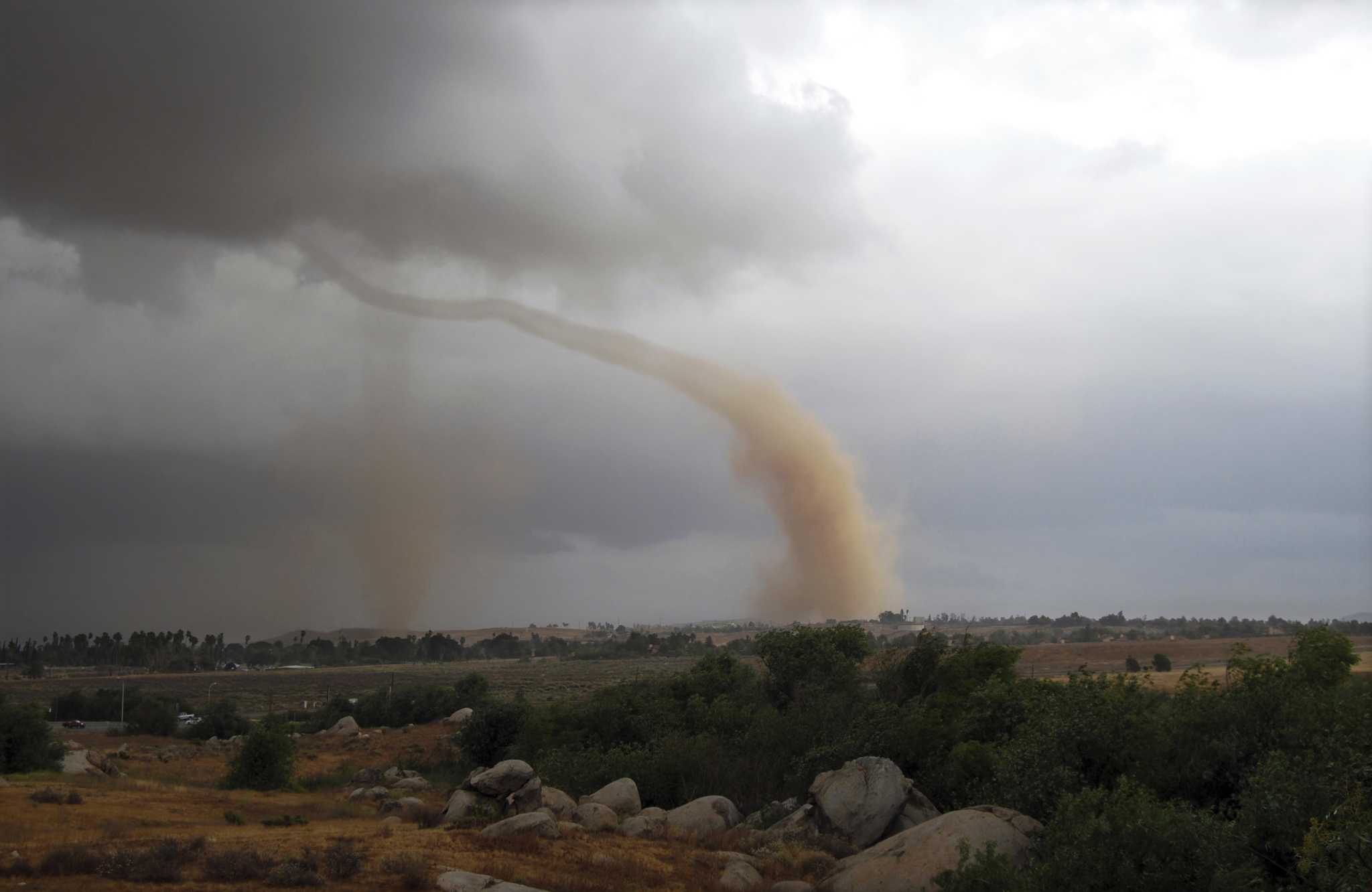
When tornado activity is anticipated, the National Weather Service issues tornado watches and warnings. A tornado watch means that conditions are favorable for tornadoes to develop in a given area. A tornado warning means that a tornado has been sighted or indicated by weather radar, and immediate action is required. In California, as elsewhere, the safest course of action during a tornado warning is to seek shelter immediately in a basement, an interior room on the lowest floor of a sturdy building, or a designated storm shelter. Staying away from windows and avoiding mobile homes or vehicles is paramount.
Public Awareness and Education
While widespread tornado awareness campaigns akin to those in the Midwest may not be as prevalent in California, meteorologists and emergency management agencies consistently work to educate the public about the potential for severe weather. Understanding the signs of a developing tornado, knowing how to interpret weather alerts, and having a family emergency plan are vital preparedness steps for anyone living in or visiting California. The state’s diverse climate means that while tornadoes are less common, the risk is never zero, and vigilance is always advisable, particularly during the stormier seasons.
In conclusion, while California may not be synonymous with tornadoes, the Golden State is not immune to their destructive potential. The unique interplay of geography and weather systems can, and does, give rise to these powerful atmospheric phenomena. By understanding the conditions that foster their development, recognizing their typical characteristics, and adhering to safety protocols, Californians can navigate the inherent risks and continue to appreciate the diverse and often awe-inspiring natural world that their state offers.