
Navigating the diverse landscapes of Colorado offers an unparalleled experience, from the majestic peaks of the Rocky Mountains to the vibrant cultural hubs like Denver and the charming ski towns. As you plan your adventure, whether it’s a luxurious ski trip to Aspen or a family exploration of Mesa Verde National Park, understanding local regulations is key to a smooth journey. One common question that arises for visitors driving into the Centennial State, or for residents updating their vehicle information, concerns the display of license plates. Specifically, many wonder: Does Colorado require a front license plate?
This article will delve into the specifics of Colorado’s license plate laws, offering clarity and peace of mind for travelers and locals alike. We’ll explore the official stance, the rationale behind it, and what you need to know to avoid any unwanted attention from law enforcement while enjoying the breathtaking scenery and exciting attractions Colorado has to offer. Understanding this seemingly minor detail can contribute significantly to a stress-free travel experience and ensure your focus remains on the incredible experiences and attractions this state is renowned for.
Understanding Colorado’s Vehicle Registration and Display Laws
Colorado’s approach to vehicle identification is straightforward and aims for consistent visibility of registered vehicles. The primary legislation governing the display of license plates is designed to assist law enforcement in identifying vehicles quickly and efficiently. For anyone traveling through or residing in Colorado, understanding these requirements is essential for compliance and avoiding potential fines.
The Official Requirement: Front and Rear Plates
Yes, Colorado does require vehicles to display both a front and a rear license plate. This is not an optional guideline but a legally mandated rule for all passenger vehicles, trucks, and other registered motor vehicles operating on public roads within the state. The Colorado Department of Revenue, through its Division of Motor Vehicles (DMV), enforces these regulations. The purpose behind requiring two plates is to enhance identification. In many scenarios, such as traffic stops or accident investigations, a front license plate can be crucial for identifying a vehicle, especially if the rear plate is obscured, damaged, or has been removed.
The statutes clearly stipulate that license plates must be securely fastened and plainly visible. This means they should be attached in the designated locations and not be obstructed by any part of the vehicle, its accessories, or any aftermarket modifications. The plates must also be kept clean and legible. Faded, dirty, or damaged plates can be as problematic as missing plates.
For new residents or those who have recently purchased a vehicle in Colorado, it is imperative to obtain and properly display these plates as soon as possible after registration. The process typically involves visiting a Colorado DMV office or completing the necessary paperwork online, depending on the specific circumstances of registration or titling. Failure to comply can result in traffic citations, which not only incur fines but can also negatively impact your driving record.
This rule applies universally to all vehicles registered in Colorado, including those that might be leased or rented. Rental car companies operating within the state are also required to ensure their vehicles are equipped with and display both front and rear license plates. Therefore, if you are renting a car for your Colorado vacation, you can expect it to have both plates already attached.
Rationale Behind the Two-Plate System
The decision to mandate both front and rear license plates in Colorado is rooted in practical considerations that benefit public safety and law enforcement efforts. The dual-plate system provides a more comprehensive method for vehicle identification in a variety of situations.
Firstly, it significantly aids in identification during traffic enforcement. Police officers often observe vehicles from the front, especially when they are approaching or passing. A front license plate provides immediate visual confirmation of the vehicle’s identity, allowing officers to run checks or respond to observed infractions more efficiently. This is particularly useful in situations where the rear of the vehicle might be obscured, such as in heavy traffic, during parades, or when the vehicle is parked facing a different direction.
Secondly, the front license plate is a critical tool in investigations of hit-and-run incidents or other crimes. Eyewitness accounts can sometimes provide a partial view of a vehicle, and a front plate can offer crucial distinguishing information that might otherwise be missed. In scenarios where a vehicle is fleeing the scene, officers can often get a better look at the front of the vehicle than the rear, making the front plate an invaluable asset.
Thirdly, it supports the prevention of license plate swapping or masking. While criminals may attempt to alter or obscure rear plates, having a mandatory front plate provides an additional, often more difficult to tamper with, point of identification. This makes it harder for stolen vehicles or vehicles used in criminal activities to evade detection.
Finally, the requirement for both plates ensures visual consistency across the state’s registered fleet. This uniformity simplifies the task for law enforcement and parking enforcement officers in identifying authorized vehicles and distinguishing them from unregistered or stolen ones. For visitors, understanding this is part of respecting the local laws and regulations that contribute to the overall safety and orderliness of the state, much like understanding local tourism tips enhances your journey.
Exceptions and Special Circumstances
While the general rule in Colorado is that both front and rear license plates are required, there are very limited exceptions to this mandate. These exceptions are typically for specific types of vehicles or situations where the standard mounting of a front plate is impractical or impossible due to the vehicle’s design.
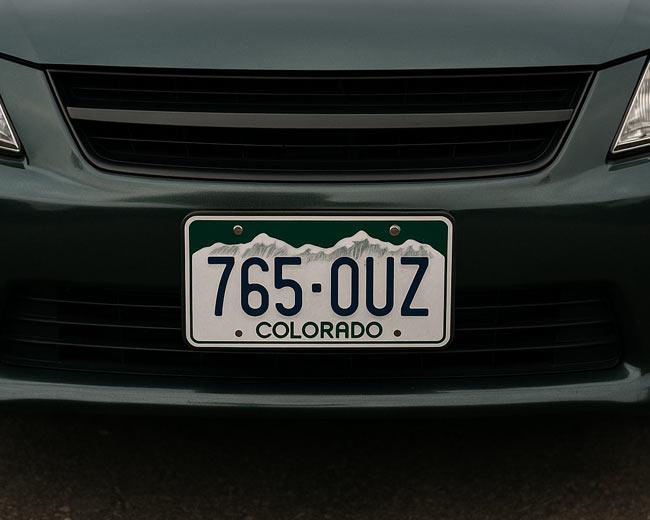
One common category of exception relates to specialty vehicles. For instance, some classic cars or custom-built vehicles may have unique designs that make the installation of a traditional front license plate bracket difficult or aesthetically disruptive. In such cases, owners might be able to apply for an exemption or an alternative display method, though this is not guaranteed and would require official approval from the Colorado DMV. It is crucial for owners of such vehicles to proactively investigate and secure any necessary permits or waivers.
Another area where exceptions might arise is for motorcycles and certain recreational vehicles. While most motorcycles registered in Colorado are required to have a rear plate, some models may not have a practical or safe location for a front plate. Similarly, some ATVs or off-road vehicles, depending on their intended use and registration status, might fall under different display rules. However, it’s important to note that for typical passenger vehicles, including cars, SUVs, and vans, there are generally no exemptions.
It is also worth mentioning that temporary tags or permits issued by dealerships or the DMV might sometimes be displayed in lieu of permanent plates for a specified period. However, these temporary tags themselves must be clearly visible and adhere to any instructions provided with them.
For any traveler uncertain about their specific vehicle or situation, the best course of action is to contact the Colorado Division of Motor Vehicles directly. They can provide the most accurate and up-to-date information regarding any potential exceptions and the procedures for applying for them. Ignorance of the law is not a defense, and ensuring compliance will allow you to fully enjoy your time exploring the wonders of Colorado, from its iconic landmarks to its charming towns and natural beauty.
Driving in Colorado: Tips for a Smooth Experience
Beyond the specifics of license plate requirements, a few general driving tips can enhance your journey through the diverse and often mountainous terrain of Colorado. Understanding the local driving culture and environmental factors will contribute to a safer and more enjoyable travel experience.
Navigating Mountain Roads and Weather Conditions
Colorado is synonymous with its stunning mountain ranges, which offer incredible natural beauty and exhilarating outdoor activities. However, driving in these areas requires special attention. Mountain roads are often winding, with steep grades and sharp turns. It’s crucial to adjust your speed accordingly, use lower gears when descending to prevent brake overheating, and be mindful of slower-moving vehicles. Always yield to faster traffic and pull over when safe if you have a line of cars behind you.
Weather in Colorado can change rapidly, especially at higher elevations. Snow, ice, fog, and high winds can appear with little warning, even outside of the winter season. Always check the weather forecast before setting out, particularly if you plan to travel over mountain passes. Ensure your vehicle is equipped with appropriate tires for the season. In winter, chains may be required on certain roads. Be prepared for potential delays and always carry an emergency kit with essentials like water, blankets, and a first-aid kit. Towns like Vail and Breckenridge are popular destinations that require careful navigation during winter months.
Local Driving Etiquette and Speed Limits
While speed limits are posted, they are often suggestions for ideal conditions. In Colorado, drivers tend to be respectful of slower traffic, but it’s good practice to be aware of those behind you. When passing, use designated passing lanes and ensure you have ample visibility and space. Right-turn-on-red is generally permitted in Colorado unless otherwise posted, but always exercise caution.
Be prepared for wildlife on the roads, especially at dawn and dusk. Deer, elk, and other animals can pose a significant hazard. Slow down in areas known for wildlife and be extra vigilant. This is particularly relevant when traveling through rural areas or national parks like Rocky Mountain National Park.
For those planning a stay at a resort or exploring different accommodations, understanding local road conditions can help you choose the best routes and avoid unnecessary stress. Familiarize yourself with a map or GPS, and consider that cell service can be spotty in remote areas.
Ensuring Your Vehicle is Road-Ready
Before embarking on your Colorado adventure, ensure your vehicle is in good working order. Check your tire pressure, as it can be affected by altitude changes. Ensure your brakes are in good condition, especially if you plan to drive in mountainous regions. Check your fluids, including coolant and windshield wiper fluid, as these are essential for safe driving.
A thorough inspection of your lights, including headlights, taillights, and brake lights, is also important, as visibility can be a major issue in Colorado due to weather and elevation. Confirming that your windshield wipers are functioning effectively is also key for dealing with potential rain or snow.
If you are visiting from out of state and driving your own vehicle, be aware of the front license plate requirement. If your vehicle is not currently equipped for a front plate, plan to have one installed before you arrive in Colorado to avoid any issues with law enforcement. This foresight will allow you to focus on enjoying the incredible lifestyle and attractions this state has to offer, from world-class dining in Boulder to the historic charm of Colorado Springs.
By adhering to these driving guidelines and understanding the specific regulations like the front license plate requirement, your journey through Colorado will undoubtedly be more enjoyable and stress-free, allowing you to fully immerse yourself in the unforgettable experiences this remarkable state provides.