
Planning a road trip to the Sunshine State can be an exciting prospect. Whether you’re dreaming of the pristine beaches of Siesta Key, the thrilling rollercoasters of Orlando, or the vibrant art scene of Miami, a significant part of navigating Florida involves its extensive network of toll roads. For many travelers accustomed to toll collection systems in other states, a burning question often arises: “Does Florida accept E-ZPass?” The answer, while seemingly straightforward, has nuances that are crucial to understand for a seamless journey.
This comprehensive guide will delve into Florida’s toll collection systems, clarifying the acceptance of E-ZPass, and providing practical advice for both residents and visitors to ensure a hassle-free experience on the road. We’ll explore the primary toll operators in Florida, the interoperability of different transponder systems, and the best ways to manage toll payments to avoid unexpected fees and surcharges.

Understanding Florida’s Toll Road Landscape
Florida boasts an impressive and often indispensable network of toll roads, managed by various authorities. The largest and most prominent of these is the Florida Turnpike Enterprise, responsible for the vast majority of tolled routes, including the iconic Florida Turnpike. Additionally, several regional toll authorities operate expressways and bridges, particularly in metropolitan areas like Central Florida and the Tampa Bay region.
The Florida Turnpike Enterprise
The Florida Turnpike, stretching over 300 miles, is the backbone of toll travel in the state. It connects major population centers and attractions, making it a vital artery for tourism and commerce. Along with the Florida Turnpike, the Florida Turnpike Enterprise also manages other toll facilities, including portions of the Beachline Expressway (SR 528), the Central Florida GreeneWay (SR 417), and the Western Beltway (SR 429).
Other Toll Authorities
Beyond the Florida Turnpike Enterprise, other entities operate toll roads that you might encounter:
- Central Florida Expressway Authority (CFX): This authority manages several toll roads in the Orlando metropolitan area, such as the Central Florida GreeneWay (SR 417) and the Western Beltway (SR 429), though the Florida Turnpike Enterprise also has interests in some of these.
- Tampa Hillsborough Expressway Authority (THEA): Primarily serving the Tampa area, THEA operates the Selmon Expressway and the Crosstown Connector.
- Sanford Tourism Development Authority: Though less common for general travel, some specific tourist-oriented routes might fall under local authorities.
The presence of multiple toll authorities means that understanding which system operates a particular road is key. However, for the vast majority of travelers, the distinction between systems becomes less critical when considering electronic toll collection.
E-ZPass and Florida: Interoperability Explained
The question of E-ZPass acceptance in Florida often stems from the widespread use of E-ZPass as a dominant electronic toll collection system in many northeastern and midwestern states. E-ZPass is part of a larger network of interoperable toll systems. However, Florida has historically operated its own independent electronic toll collection system.
SunPass: Florida’s Primary Toll System
Florida primarily utilizes its own electronic toll collection system called SunPass. SunPass transponders are widely available and can be purchased at various retail locations, including Publix grocery stores, CVS Pharmacies, and online through the SunPass website.
The Interoperability Agreement: A Game Changer
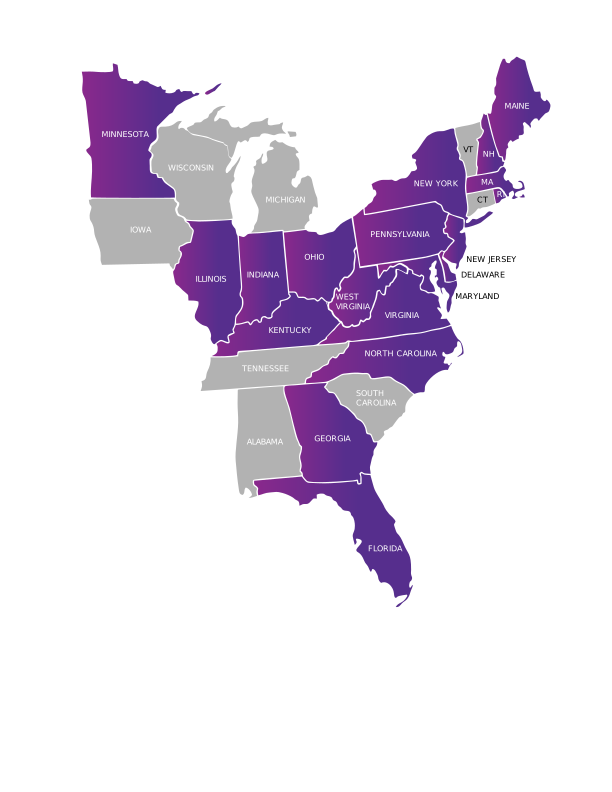
For a long time, E-ZPass users traveling to Florida had to either purchase a SunPass transponder or risk incurring toll violations. However, a significant development has occurred that directly addresses the initial question: Florida has joined the interoperable toll collection network, allowing E-ZPass transponders to be used on most toll roads in the state.
This interoperability means that if you have a valid E-ZPass account and transponder, it will be recognized and debited for tolls incurred on Florida toll roads managed by the Florida Turnpike Enterprise and other participating agencies. This greatly simplifies travel for those who frequently travel between E-ZPass states and Florida.
How Does E-ZPass Work in Florida?
When you drive through an electronic tolling point on a Florida toll road with your E-ZPass transponder, the system reads the transponder’s unique identification. This information is then transmitted back to the E-ZPass system, which deducts the toll amount from your linked account.
It’s important to note that the E-ZPass organization and the SunPass system have entered into agreements that facilitate this cross-state toll collection. This means that your E-ZPass account will be billed directly for Florida tolls, eliminating the need for a separate SunPass account for those trips.

What About Other Transponders?
While E-ZPass is now widely accepted, it’s also worth mentioning other transponders. If you have a transponder from another state, such as FasTrak in California or TxTag in Texas, it’s advisable to check the specific interoperability agreements for those systems with Florida tolls. However, the most common and guaranteed method for non-Florida residents is to ensure their E-ZPass is active, or to obtain a SunPass if they plan extensive travel within Florida.
Managing Your Toll Payments: Tips for a Smooth Journey
Even with interoperability, understanding how to manage your toll payments is crucial for a stress-free road trip in Florida. Here are some practical tips:
Link Your E-ZPass Account and Ensure Sufficient Funds
Before embarking on your Florida adventure, ensure your E-ZPass account is active and has sufficient funds or a valid payment method linked. Any issues with your account could lead to toll violations. You can manage your E-ZPass account online or through their mobile app.
Understand Toll Rates and Plate Pay
While E-ZPass and SunPass offer discounted toll rates compared to paying by mail or at a cash lane (where available), it’s important to be aware of the general cost of tolls. Florida uses a variable tolling system where rates can change based on time of day and traffic volume on certain express lanes.
If you don’t have an E-ZPass or SunPass, Florida toll roads often utilize a system called Plate Pay or Toll-by-Plate. This system captures your license plate number and sends a bill to the registered owner of the vehicle. However, Plate Pay rates are typically higher than those for transponder users, and there’s a risk of late fees if the bill is not paid promptly. It’s always best to have a transponder for the most cost-effective and convenient toll payment.
Traveling with Rental Cars
If you are renting a car in Florida, inquire with the rental agency about their toll payment policies. Many rental companies offer options to include a toll transponder (usually SunPass) with your rental agreement for an additional daily fee. This can be a convenient option, but compare the cost to purchasing your own SunPass or ensuring your E-ZPass is usable, especially if you plan extensive driving. Some rental agencies may automatically enroll you in their toll program, which can sometimes lead to higher charges than direct usage. Always read the rental agreement carefully.
Keep Your Transponder Properly Mounted
For your transponder to be read correctly, it needs to be mounted according to the manufacturer’s instructions, typically on the inside of your windshield. Avoid obstructing the transponder with other items.
What to Do If You Receive a Toll Bill
If you receive a toll bill (especially a Plate Pay notice) and you believe it’s an error, or if you had an active transponder, contact the relevant toll authority immediately. Florida Turnpike Enterprise and other agencies have customer service departments that can assist with resolving billing discrepancies. It’s always better to address these issues proactively to avoid escalating fees.
Planning Your Route
While E-ZPass acceptance simplifies toll payment, using navigation apps like Google Maps or Waze can also help you identify toll roads on your route and estimate costs. These apps often have settings to avoid tolls altogether if you prefer, though this can significantly increase travel time.
Exploring Florida’s Attractions with Confidence
Knowing that your E-ZPass is a valid form of payment in Florida removes a significant potential stressor from your travel plans. This interoperability allows you to focus on the myriad of experiences the Sunshine State has to offer.
From the theme parks of Orlando, home to Walt Disney World Resort and Universal Orlando Resort, to the cultural richness of the Everglades and the historic charm of St. Augustine, Florida provides endless opportunities for exploration. You can immerse yourself in the lively atmosphere of South Beach, discover the underwater wonders of the Florida Keys, or enjoy the serene beauty of the Dry Tortugas National Park.
Whether you’re seeking a luxurious resort stay in Naples, a family-friendly vacation in Clearwater Beach, or a budget-conscious exploration of the state’s natural beauty, the ease of navigating toll roads with your familiar E-ZPass enhances the overall travel experience. Remember to check for any specific regional toll authorities that might not be fully integrated into the E-ZPass network, though most major routes are covered. With a little preparation and this understanding, your journey through Florida will be as smooth as its legendary beaches.