
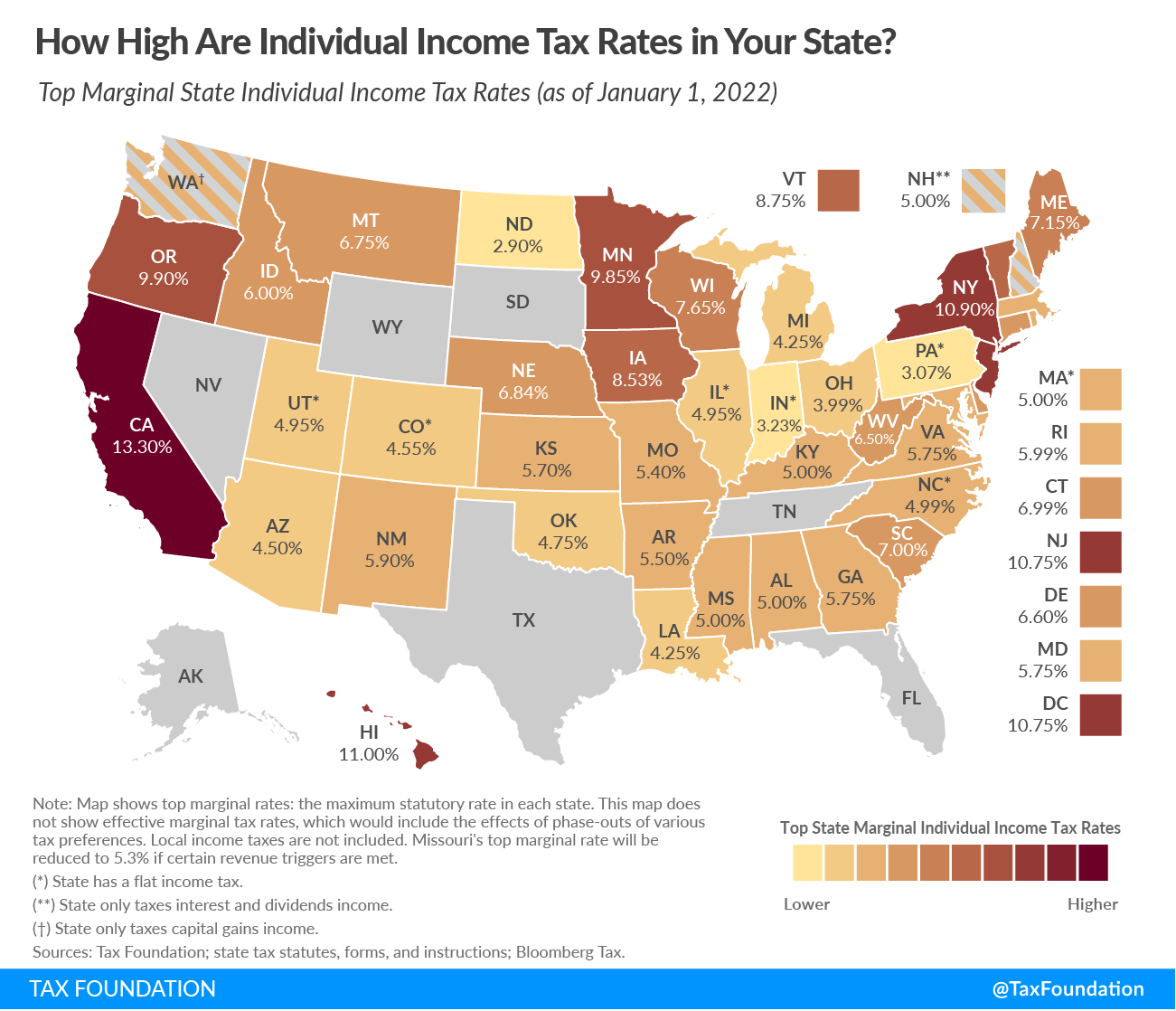
For anyone considering a move to the Sunshine State, planning an extended vacation, or even just curious about the economic landscape behind one of the world’s most popular travel destinations, a fundamental question often arises: Does Florida have a state income tax? The straightforward answer is no. Florida is one of a handful of states in the United States that does not impose a statewide individual income tax. This crucial financial detail has profound implications, shaping not only the lives of its residents but also influencing the state’s vibrant tourism industry, accommodation market, and overall lifestyle.
This lack of a state income tax is a cornerstone of Florida’s economic appeal, drawing in a diverse population from retirees seeking financial solace to entrepreneurs looking for a business-friendly environment, and even digital nomads embracing the freedom to live and work from anywhere. For visitors, while the direct impact might seem less obvious, the underlying economic stability and growth fostered by this policy subtly contribute to the quality and variety of experiences available, from world-class resorts and luxury accommodations to bustling cityscapes and serene natural landmarks. Understanding Florida’s tax structure, therefore, is essential for anyone looking to fully appreciate the state’s unique charm and opportunities, whether for a short getaway or a long-term stay.
The Sunshine State’s Tax Advantage: What it Means for You
Florida’s decision to forego a state income tax is enshrined in its constitution, a deliberate policy choice that sets it apart from the majority of U.S. states. This commitment to a tax-friendly environment is a significant draw, influencing migration patterns, business investments, and the broader economic vitality of the region.
No State Income Tax: A Core Attraction
The absence of a state income tax in Florida means that individuals do not pay state taxes on their wages, salaries, business income, or interest and dividends. This is a considerable advantage, especially for those relocating from states with high income tax rates. For a resident earning a significant income, the savings can be substantial, leading to a higher disposable income. This financial flexibility directly impacts lifestyle choices, allowing for more investment in homes, luxury travel, or simply a more comfortable standard of living.
For retirees, the benefit is particularly pronounced. Florida has long been a haven for those living on fixed incomes, as their pensions, Social Security benefits, and withdrawals from retirement accounts are not subject to state income tax. This makes the state an exceptionally attractive destination for long-term stays and permanent residency for the elder community, contributing to its diverse demographics and vibrant social fabric. The influx of retirees, in turn, fuels demand for specialized services, healthcare facilities, and a variety of accommodation options, from independent living communities to luxurious retirement resorts.
Entrepreneurs and businesses also find Florida’s tax structure appealing. While corporations do pay a state corporate income tax (though often with various exemptions and deductions), the lack of individual income tax means that owners of pass-through entities (like sole proprietorships, partnerships, and S-corporations) can often enjoy significant personal tax savings. This environment fosters innovation and business growth, leading to more job opportunities and a robust economy that indirectly benefits the tourism sector through improved infrastructure, diverse dining options, and a generally prosperous atmosphere.
Beyond Income Tax: Understanding Florida’s Other Taxes
While the absence of a state income tax is a major headline, it’s crucial to understand that Florida still collects revenue through other means. These taxes directly impact both residents and visitors, especially those on vacation or considering long-term accommodation.
The most significant alternative revenue source is the sales tax. Florida imposes a statewide sales tax rate, which applies to most goods and services, including restaurant meals, retail purchases, and, importantly for travelers, hotel stays. Many counties also add their own discretionary sales surtaxes, which can increase the total sales tax rate depending on the specific location within the state. For instance, a meal in Orlando or a souvenir from Miami Beach will include this sales tax, as will the cost of your room at a resort in Key West or a charming boutique hotel in St. Augustine. This means that while your personal earnings aren’t taxed by the state, your spending habits certainly contribute to state and local coffers. Travelers should budget for this added percentage on nearly every transaction involving goods or services.
Another key tax is the property tax. This is a locally assessed tax based on the value of real estate and is a primary funding source for local governments, schools, and public services. While directly relevant to homeowners and long-term renters, it also subtly impacts the cost of accommodation. Property taxes are a significant operating expense for hotels, resorts, and vacation rental owners, which can be reflected in room rates. For those considering purchasing a vacation home or relocating, understanding local property tax rates and available homestead exemptions (which can reduce the taxable value of a primary residence) is paramount. Florida offers various property tax exemptions that can significantly lower the tax burden for permanent residents, another incentive for making the state your home.

Additionally, Florida has specific excise taxes on certain goods and services, such as gasoline, tobacco, and alcoholic beverages. There’s also a corporate income tax that businesses operating in the state must pay. For tourists, the sales tax and potential tourist development taxes (often added specifically to hotel stays to fund local tourism marketing and infrastructure) are the most direct financial considerations beyond the initial price tag of their trip.
Lifestyle and Economic Impact: Why Florida Thrives
The absence of a state income tax isn’t just a line item on a budget; it’s a fundamental driver of Florida’s unique lifestyle and economic dynamism. It creates a domino effect, attracting talent, fostering business, and shaping the very fabric of communities from the bustling metropolitan areas to the tranquil coastal towns.
Attracting Residents and Businesses
Florida’s tax structure acts as a powerful magnet, drawing in a continuous stream of new residents and businesses. The allure of keeping more of one’s earnings is particularly strong for high-income earners, entrepreneurs, and retirees. This demographic shift has profound effects on the state’s economy and social landscape.
Cities like Miami, known for its vibrant arts scene, luxury shopping, and international finance, have seen a surge in residents and businesses, especially from other U.S. states. Miami’s skyline continues to grow with new residential towers and commercial spaces, fueled by this influx. Similarly, Orlando, famous for attractions like Walt Disney World Resort and Universal Orlando Resort, benefits from a growing permanent population that supports its massive tourism infrastructure. These residents provide the workforce for hotels, theme parks, restaurants, and myriad other services catering to both locals and visitors.

Beyond the major metropolises, cities like Tampa on the Gulf Coast have emerged as tech hubs, attracting startups and remote workers seeking a blend of career opportunity and enviable lifestyle without the burden of state income tax. Naples and Sarasota, with their upscale communities and beautiful beaches, continue to be prime destinations for retirees and those seeking a luxurious, relaxed pace of life. Even smaller, charming towns like St. Petersburg and Fort Lauderdale have experienced significant revitalization, supported by a growing base of residents who have chosen Florida for its financial advantages and quality of life.
This continuous growth creates a robust market for housing and accommodation. From sprawling luxury resorts to boutique hotels, extended-stay apartments, and private villa rentals, the variety of options reflects the diverse needs of both temporary visitors and new residents. The competition among these establishments often leads to high standards of service and amenities, enhancing the overall experience for everyone.
Implications for Travel and Tourism
For the travel and tourism industry, Florida’s tax policy has both direct and indirect benefits. Directly, lower operating costs for businesses can, in theory, translate to more competitive pricing for consumers in some sectors. While major attractions and luxury accommodations will always command premium prices due to demand and unique offerings, local services, dining, and smaller establishments might operate with a slightly lower cost burden, potentially offering better value.
Indirectly, the thriving economy fueled by tax migration strengthens the state’s infrastructure and enhances the visitor experience. More residents mean a larger tax base for local services (via sales and property taxes), leading to better roads, public amenities, and a wider array of restaurants, shops, and entertainment venues. A vibrant, growing population also means a diverse workforce eager to cater to tourists, providing exceptional service in hotels, theme parks, and cultural institutions.
Furthermore, the appeal to businesses makes Florida a popular destination for conferences, conventions, and corporate retreats. Companies often choose locations like Orlando or Miami for their events, combining business with the opportunity for attendees to enjoy the state’s attractions. This business travel segment is a crucial component of the tourism economy, supporting a vast network of hotels, convention centers, and transportation services. The overall effect is a state that not only welcomes tourists but is economically structured to continually invest in and improve its tourism offerings, ensuring Florida remains a top global destination.
Maximizing Your Florida Experience: Financial Considerations
Understanding Florida’s unique tax landscape is key to effectively planning your visit or even a potential move. While the absence of a state income tax offers significant advantages, being aware of other financial aspects ensures a smooth and enjoyable experience, whether you’re here for a short holiday or a long-term stay.
Budgeting for Your Florida Trip
When planning your Florida vacation, remember that while you won’t pay state income tax, you will encounter the state and local sales taxes on nearly everything you purchase. This includes your meals at South Beach restaurants, tickets to Universal Studios Florida, souvenirs from Epcot, and of course, your hotel or resort accommodation. On average, you can expect to add 6% to 8% to the listed price of most goods and services, depending on the county. For hotel stays, many areas also impose additional tourist development taxes, which can further increase the final bill for your room. Always check the total price, including all taxes and fees, when booking accommodation to avoid surprises.
Beyond taxes, be mindful of other common tourist expenses. Resort fees are prevalent at many Florida hotels, covering amenities like Wi-Fi, fitness center access, and pool towels, and are typically charged per night. Parking fees, especially in popular urban centers like Miami or at major theme parks, can also add up. Transportation costs, whether for rental cars, ride-sharing services, or public transit, should also be factored in. While Florida’s roads are generally well-maintained, toll roads are common, particularly around major cities and popular routes to attractions, so consider purchasing a SunPass or using rental cars with integrated toll payment options.
To make your budget stretch further, consider traveling during the shoulder seasons (spring or fall) when crowds are thinner and prices for flights and accommodations tend to be lower than during peak winter or summer periods. Booking well in advance, especially for popular attractions and hotels, can also secure better rates. Look for package deals that bundle flights, hotels, and sometimes even park tickets, which can offer significant savings compared to booking each component separately. Exploring free attractions, such as Florida’s stunning beaches, state parks (like Everglades National Park or Biscayne National Park), and charming historic districts like St. Augustine’s Colonial Quarter, can also help balance your spending.
Long-Term Stays and Relocation
For those contemplating an extended stay or permanent relocation to Florida, the financial landscape becomes even more compelling. The absence of state income tax immediately provides a boost to your effective income, allowing you to retain more of your earnings. This makes Florida an ideal choice for remote workers, retirees, and families looking to maximize their financial well-being. The savings can be redirected towards a higher quality of life, investment opportunities, or simply building a more robust personal nest egg.
However, a prudent approach requires a comprehensive understanding of other costs. While property taxes are a local concern and can vary significantly by county and municipality, Florida offers significant homestead exemptions for permanent residents, which can substantially reduce the taxable value of your primary residence. It’s crucial to research these exemptions and understand their eligibility requirements if you plan to purchase a home. Homeowner’s insurance, particularly in coastal areas prone to hurricanes, can be considerably higher than in other parts of the country. Factor in these potential insurance premiums, along with flood insurance if applicable, when calculating the true cost of homeownership.
For accommodation, Florida offers a vast array of options suitable for long-term stays. From furnished apartments in bustling cities to tranquil villas in resort communities, or even houseboats in picturesque marinas, the choices are diverse. Many hotels offer extended-stay rates with amenities like kitchenettes, making them ideal for snowbirds or individuals on temporary work assignments. Platforms for vacation rentals also cater to longer durations, offering a home-away-from-home experience with more space and privacy. When considering these options, inquire about monthly rates, utility inclusions, and any available tax benefits for longer stays. Consulting with local real estate agents or financial advisors can provide invaluable insights tailored to your specific situation, helping you navigate the market and make informed decisions about living in the Sunshine State.
In conclusion, Florida’s lack of a state income tax is a defining characteristic that permeates its entire economic and social structure. It underpins its reputation as a haven for retirees, a magnet for entrepreneurs, and a perpetually popular destination for travelers. While sales taxes and property taxes are still part of the financial equation, the overall fiscal environment often results in a higher quality of life and greater financial freedom for residents. For visitors, understanding this backdrop enhances the appreciation of the state’s vibrant tourism sector and the diverse, high-quality experiences it offers, from luxurious resort stays to immersive cultural explorations. Whether you’re planning a week-long escape or dreaming of a permanent move, Florida’s unique tax policy is undoubtedly a key ingredient in its enduring appeal.