
As the Sunshine State basks in its year-round warmth and vibrant allure, a perennial question often arises for travelers and residents alike: Does Florida observe Daylight Saving Time? The answer, as with many things in this dynamic state, is a touch more nuanced than a simple yes or no, weaving a tale of legislative debate, local preference, and the enduring rhythm of the sun. For anyone planning a trip, booking a stay at a luxurious resort, or simply trying to navigate daily life, understanding Florida‘s stance on time shifts is crucial for a seamless experience.
This exploration delves into the intricacies of Daylight Saving Time in Florida, examining its history, current status, and the implications for various aspects of travel and lifestyle within the state. From coordinating your itinerary to enjoying the abundant attractions, a clear grasp of the clock’s behavior is an essential component of your Florida adventure.
The Shifting Sands of Time: A History of Daylight Saving in Florida
The concept of Daylight Saving Time (DST) has a long and often contentious history across the United States, and Florida is no exception. While the federal government established DST, states retain the option to opt out. This has led to a patchwork of observance across the nation, and Florida has, at various times, been part of this intricate legislative dance.
Historically, Florida has largely followed the national trend of observing Daylight Saving Time. This means that for many years, clocks in Florida have sprung forward in the spring and fallen back in the autumn, mirroring the practice in most other United States states. The intention behind DST, of course, is to maximize the use of natural daylight during warmer months, with the aim of reducing energy consumption and providing more daylight in the evenings for recreational activities. For a state so heavily reliant on outdoor tourism and a vibrant nightlife, these perceived benefits have often aligned with Florida‘s economic and lifestyle interests.
However, the debate over DST is never truly settled, and Florida has seen its share of discussions and proposed legislation aimed at altering its participation. Concerns have been raised by various groups about the potential disruptions DST can cause, ranging from sleep cycle disturbances to impacts on certain industries. For instance, agricultural communities may find the time shift less beneficial, and there have been arguments about the potential for increased accidents during the transition periods.
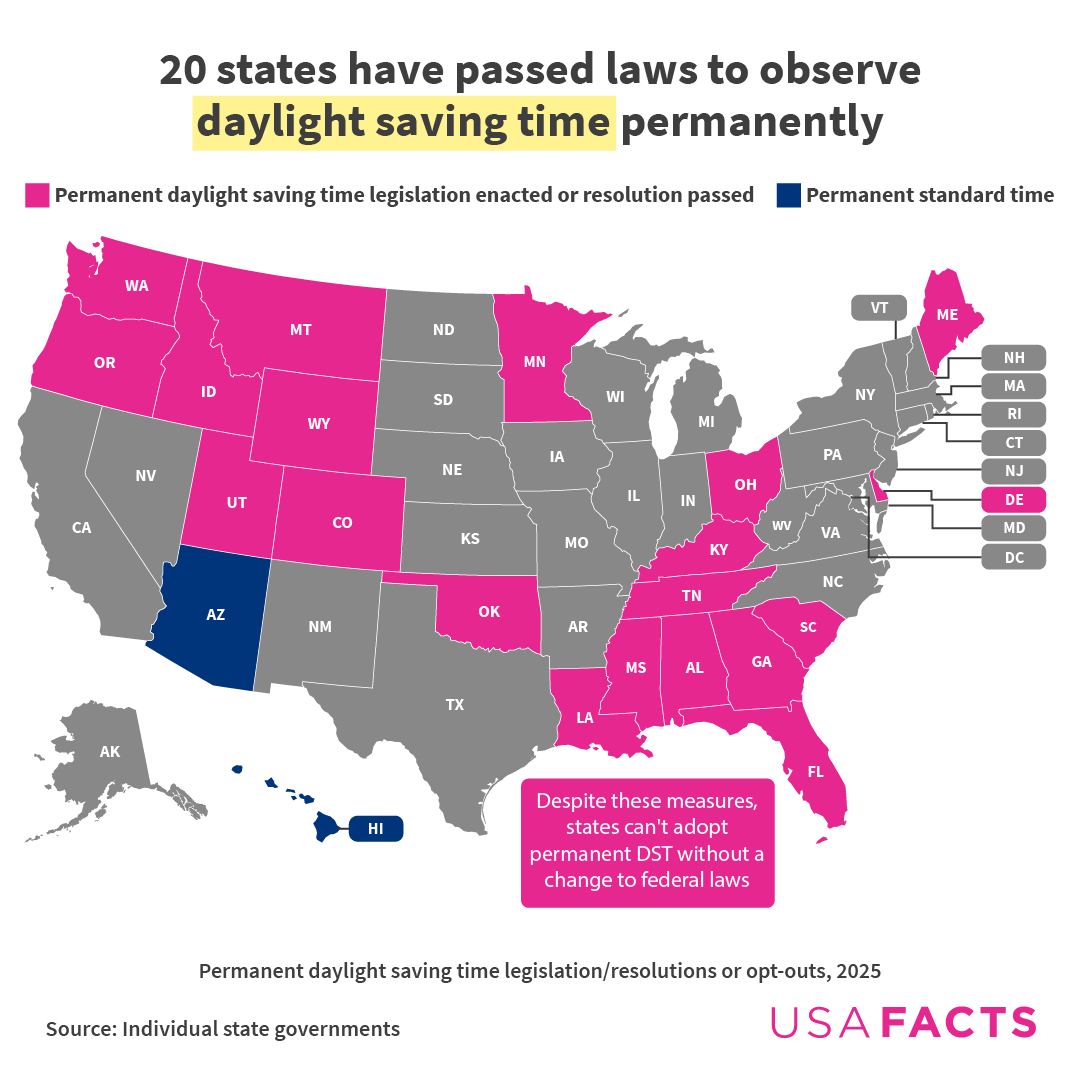
The most significant legislative push in recent years centered on making Daylight Saving Time permanent in Florida. In 2018, Governor Rick Scott signed the “Sunshine Protection Act” into law, which would have made DST permanent year-round. However, for this change to take effect, federal approval was required under the Uniform Time Act of 1966, which currently mandates that any state wishing to observe DST permanently must receive congressional authorization. To date, this federal approval has not been granted, meaning that Florida, like most other states, continues to operate under the biannual clock change. This ongoing legislative tension highlights the dynamic nature of Daylight Saving Time in Florida and the desire by some to align the state’s time permanently with the longer daylight hours experienced during warmer months.
The Practicalities for Travelers: Navigating Time Zones and DST in Florida
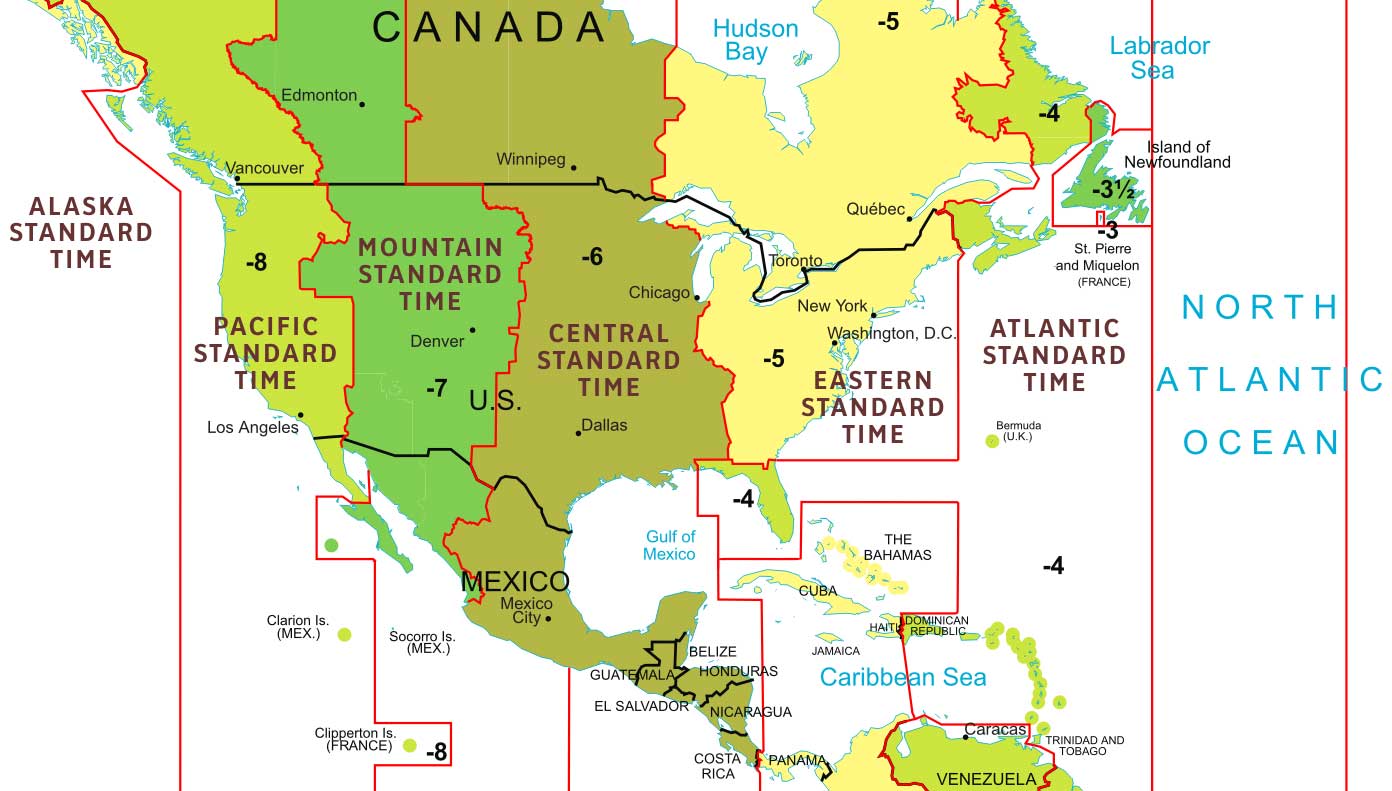
For the millions of tourists who flock to Florida each year, understanding Daylight Saving Time is less about legislative history and more about practical application. Florida observes Daylight Saving Time in sync with the rest of the Eastern Time Zone, which it primarily resides in. This means that for the majority of the year, Florida operates on Eastern Daylight Time (EDT) during the spring and summer months, and Eastern Standard Time (EST) during the autumn and winter months.
This synchronization is crucial for planning a Florida vacation. When you’re booking flights into Orlando International Airport or Miami International Airport, checking into your hotel in Orlando, Miami, or Tampa, or scheduling activities like a visit to Walt Disney World Resort or a cruise departing from Port Canaveral, the time difference is a key factor. For instance, if you’re traveling from a state that does not observe DST, or a different time zone altogether, it’s essential to factor in the current time in Florida to avoid missing reservations or appointments.
The transition periods, when clocks spring forward or fall back, can be particularly tricky. Travelers should always double-check the exact times of their bookings and travel arrangements around these dates. The first Sunday in March is when DST begins in the spring, and the first Sunday in November is when it ends in the fall. During these weekends, many travelers find themselves adjusting their watches, phones, and other devices to ensure they are on the correct time for their onward journey or planned activities.
It’s also worth noting that while most of Florida is in the Eastern Time Zone, a small portion of the Florida Panhandle, west of the Apalachicola River, observes the Central Time Zone. This means that during DST, this westernmost part of Florida will be on Central Daylight Time (CDT), an hour behind the rest of the state. While this only affects a small geographical area, it’s a detail that can be important for travelers venturing into that specific region, particularly if they are coordinating with businesses or attractions on either side of the time zone boundary. This geographical nuance, combined with the biannual clock change, underscores the need for diligent timekeeping when navigating the diverse landscapes of Florida.
Exploring Florida’s Clock-Bound Attractions and Lifestyle
The observance of Daylight Saving Time has subtle but significant impacts on how one experiences Florida‘s world-renowned attractions and its unique lifestyle. From the early morning hours at a theme park to sunset cruises along the coast, the extra hour of daylight in the evenings can profoundly influence your itinerary and overall enjoyment.
Maximizing Daylight for Tourism and Leisure
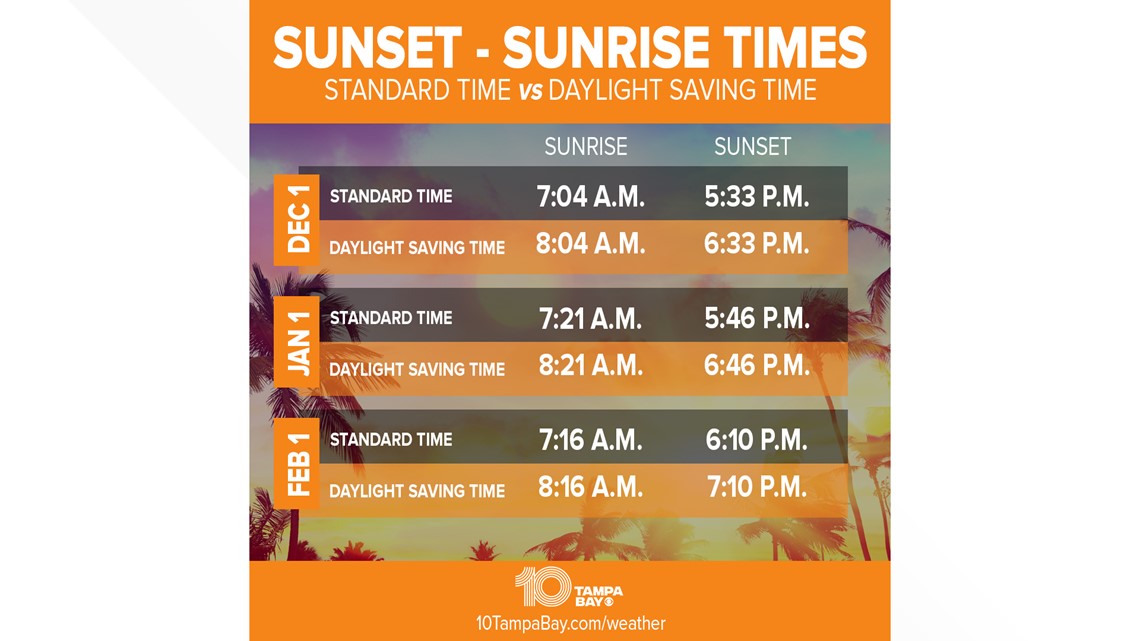
For the millions of tourists drawn to Florida‘s sun-drenched beaches, bustling theme parks, and natural wonders, the extended daylight hours of DST are a significant boon. Imagine spending an extra hour exploring the magical lands of Walt Disney World Resort, extending your beach day at South Beach in Miami, or taking a leisurely stroll through the historic streets of St. Augustine. The ability to enjoy outdoor activities well into the evening enhances the vacation experience, allowing for more flexibility and opportunities to soak in the Florida sun.
This extended daylight is particularly beneficial for popular attractions that thrive on evening entertainment. Theme parks often extend their operating hours during peak seasons, and the extra light ensures that guests can fully enjoy fireworks displays, parades, and nighttime shows without feeling rushed by darkness. Similarly, dinner cruises, sunset tours, and evening excursions to places like the Everglades National Park or the iconic Amelia Island become more accessible and enjoyable.
The tourism industry in Florida heavily relies on maximizing outdoor experiences, and DST plays a role in this. Resorts and hotels often design their amenities and activities with longer daylight hours in mind. Think of enjoying a late swim at the Boca Raton Resort & Club, playing an extra round of golf at one of PGA National Resort & Spa‘s many courses, or simply relaxing on your balcony at a Clearwater Beach condo as the sun sets. These moments are amplified by the extended daylight, contributing to the overall allure of a Florida vacation.
Lifestyle Rhythms: Work, Play, and the Florida Sun
Beyond the tourist experience, Daylight Saving Time influences the daily rhythms of Florida residents. For those working in industries that benefit from outdoor activities, such as landscaping, construction, or sports, the extra daylight can mean more productive hours and a better work-life balance. The ability to engage in outdoor hobbies, exercise, or simply enjoy family time after work is a tangible benefit of the spring and summer months.
The extended evenings also contribute to Florida‘s vibrant social scene. Restaurants with outdoor seating, bars with patios, and public spaces that encourage evening gatherings benefit from the prolonged daylight. Whether it’s enjoying a seafood dinner in Key West or attending an outdoor concert in West Palm Beach, the extra hour of light makes these activities more appealing and accessible.
However, the biannual shift is not without its critics among residents. Concerns about sleep disruption, potential impacts on children’s schedules, and even perceived increases in traffic accidents during the transition periods are frequently voiced. The ongoing discussion about making DST permanent reflects a desire by many to stabilize these daily routines and enjoy the benefits of longer daylight hours year-round, without the disruption of the clock change. This sentiment is particularly strong in a state where outdoor living is so integral to the lifestyle.
Ultimately, whether Florida observes Daylight Saving Time or not, the state’s inherent charm and abundance of activities remain. However, understanding the ebb and flow of the clock’s adjustments ensures a more informed and enjoyable experience, whether you’re a visitor exploring the wonders of the Everglades or a local enjoying the perpetual sunshine of the Sunshine State. The intricate relationship between time, daylight, and the Florida experience continues to be a topic of discussion and a point of interest for all who call this beautiful state home or choose it as their next unforgettable destination.