
The sunshine state of Florida is renowned for its captivating beaches, vibrant cities, and world-class theme parks, but a lesser-known, often surprising fact for many visitors is the presence of wild monkeys. The question, “Does Florida have monkeys?” often elicits raised eyebrows, yet the answer is a resounding yes, though the story behind their existence is as intriguing as it is complex. Beyond the controlled environments of zoos and sanctuaries, pockets of non-native primate populations thrive in certain areas, becoming an unexpected element of Florida’s diverse ecosystem. For travelers seeking unique experiences and a deeper dive into local culture and natural wonders, encountering these primates can be an unforgettable part of their Florida adventure.

The Truth About Florida’s Primate Population
While the idea of spotting monkeys swinging through the palmetto trees might seem like something out of a tropical rainforest, it’s a reality in certain parts of Florida. These aren’t indigenous species but rather descendants of animals brought to the state for various reasons, primarily as attractions or pets, which subsequently escaped or were released into the wild. Their proliferation highlights the delicate balance of ecosystems and the profound impact human actions can have on natural landscapes. Understanding where these primates come from, their current status, and how to safely observe them is crucial for any responsible traveler.
The Rhesus Macaques of Silver Springs State Park
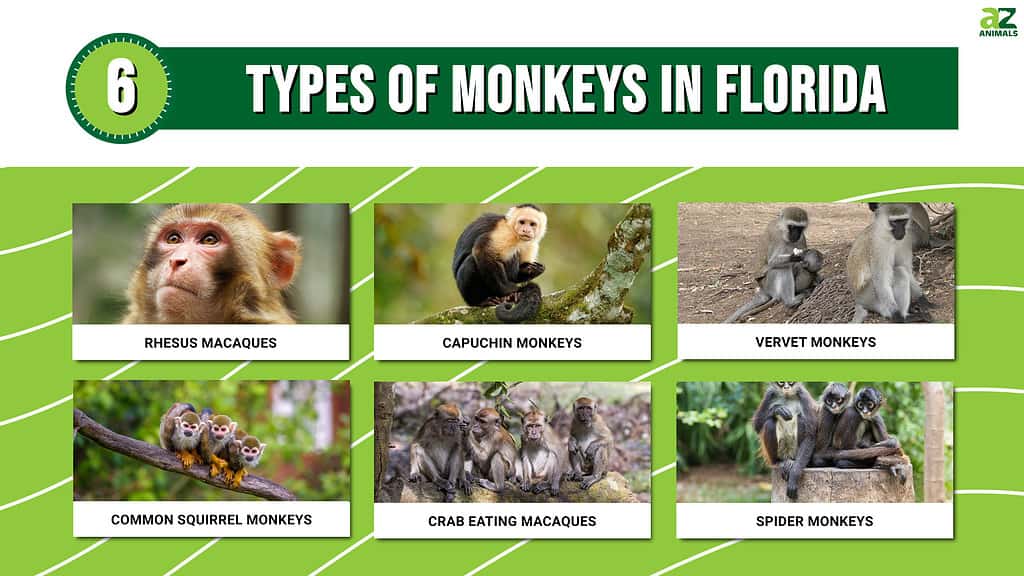
The most famous and widely recognized wild monkey population in Florida resides within the lush, historic confines of Silver Springs State Park near Ocala. These are Rhesus Macaques (Macaca mulatta), and their story is a fascinating blend of entertainment history and ecological consequence. Legend often attributes their introduction to the filming of the 1930s Tarzan movies, suggesting they were released after production. However, the true origin points to a glass-bottom boat operator, Colonel Tooey, who introduced a small number of these monkeys to an island in the Silver River in the late 1930s to enhance the exotic appeal for tourists. He underestimated their swimming prowess, and it wasn’t long before they escaped the island and began to establish a robust population throughout the surrounding forests.
Today, the Rhesus Macaques population in Silver Springs State Park and the Ocala National Forest is estimated to be over 200 individuals, a significant increase from their initial release. They are highly adaptable and intelligent primates, known for their social structures and omnivorous diet. While observing them in their natural habitat can be an exhilarating experience for visitors, their presence also poses ecological and health concerns. They are an invasive species, competing with native wildlife for resources and potentially carrying diseases like Herpes B virus, which can be transmitted to humans.
For tourists, spotting the Rhesus Macaques is a major draw to Silver Springs State Park. Kayaking, canoeing, or taking one of the famous glass-bottom boat tours along the Silver River offers the best opportunities for sightings. These monkeys are often seen near the riverbanks, foraging for food or simply observing the passing boats. It’s important to maintain a safe distance and never attempt to feed or interact with them. The Florida Fish and Wildlife Conservation Commission (FWC) actively manages the population, implementing strategies to mitigate their impact while balancing public safety and the unique appeal they bring to this historic natural landmark. This experience offers a glimpse into how human actions can inadvertently create unexpected natural attractions, adding a layer of intrigue to Florida’s travel narrative.
Other Primate Species in Florida
Beyond the notorious Rhesus Macaques of Silver Springs, Florida is home to other primate species, though their presence in the wild is generally more localized or within controlled environments. One notable example is the occasional sighting of Squirrel Monkeys in scattered areas, primarily around Fort Lauderdale and other parts of South Florida. These small, agile monkeys, known for their bright yellow legs and playful demeanor, are believed to have escaped from private collections or roadside attractions decades ago. While not as numerous or widespread as the Rhesus Macaques, their occasional appearance adds another layer to Florida’s exotic fauna.
Furthermore, several reputable zoos and animal sanctuaries across Florida house a diverse range of primates, offering safe and educational viewing opportunities without the ecological concerns of wild populations. These institutions are vital for conservation and public education, allowing visitors to appreciate these incredible animals up close.
- Monkey Jungle in Miami is a unique, long-standing attraction where visitors walk through screened pathways while various species of monkeys roam freely around them in a natural jungle habitat. It’s an immersive experience for families and wildlife enthusiasts alike.
- Busch Gardens Tampa Bay in Tampa combines thrilling rides with an impressive zoological park, featuring a wide array of primates from around the world, including gorillas, chimpanzees, and lemurs, in expansive habitats.
- The Brevard Zoo in Melbourne, Brevard County, and the Palm Beach Zoo & Conservation Society in West Palm Beach both offer excellent opportunities to see various monkey species, often as part of broader conservation efforts.
- The St. Augustine Wild Reserve near St. Augustine provides a home for exotic animals, including several primates, that have been rescued or are in need of permanent care. Guided tours offer an intimate look at these animals and the challenges they face.
Visiting these establishments not only guarantees a sighting but also supports animal welfare and conservation initiatives, making it a responsible choice for travelers interested in primates. They are perfect destinations for family trips, offering educational experiences that highlight the importance of biodiversity and responsible tourism.
Exploring Florida’s Wild Side Responsibly
Encountering wildlife, especially exotic species like monkeys, is undoubtedly one of the most memorable aspects of travel in Florida. However, this privilege comes with a significant responsibility. Ethical engagement with wildlife ensures both human safety and the well-being of the animals and their habitats. For those planning a trip focused on natural attractions and unique wildlife encounters, understanding responsible tourism practices is paramount.
Responsible Wildlife Viewing and Ecotourism
When venturing into areas where wild primates or any other wildlife might be present, adherence to guidelines is crucial. The primary rule is always to observe from a safe distance. This protects you from potential bites, scratches, or disease transmission, and it prevents disturbing the animals’ natural behavior. Never feed wild animals, as this can lead to them becoming reliant on human handouts, losing their natural foraging instincts, and even becoming aggressive when food isn’t provided. It also alters their diet, which can be detrimental to their health.
Ecotourism principles should guide your interactions. This means minimizing your impact on the environment, supporting local conservation efforts, and respecting the natural world. In locations like Silver Springs State Park, staying on marked trails, properly disposing of trash, and avoiding direct contact with the monkeys are simple yet effective ways to be a responsible visitor. Education is also a key component of ecotourism; learning about the specific species you might encounter, their natural behaviors, and any threats they face enriches your experience and fosters a deeper appreciation for nature. Choosing guided tours from reputable operators who prioritize ethical wildlife viewing is another excellent way to ensure your adventure contributes positively to conservation and local tourism. Many tour guides offer invaluable insights into the local culture, history, and ecology, transforming a simple sighting into a profound learning experience.
Beyond Monkeys: Other Unique Florida Wildlife Encounters
While monkeys are a surprising highlight, Florida’s wild side offers a spectrum of incredible native wildlife experiences that should not be overlooked. The state’s diverse ecosystems, from the Everglades National Park to the pristine coasts, are teeming with iconic creatures.
- Alligators and Crocodiles: No trip to Florida is complete without encountering its most famous reptile. Airboat tours through the Everglades or Big Cypress Swamp offer thrilling opportunities to spot American alligators and the elusive American crocodile in their natural habitats.
- Manatees: These gentle giants, often called “sea cows,” are a beloved symbol of Florida. Crystal River and Weeki Wachee Springs State Park are prime locations for observing manatees, with opportunities for snorkeling or kayaking nearby. This is a truly unique experience that connects visitors with the state’s natural marine heritage.
- Dolphins and Whales: Off Florida’s coasts, particularly in the Gulf of Mexico and Atlantic Ocean, dolphin-watching tours are popular. Lucky visitors might even spot various whale species during migration seasons.
- Birds: Florida is a birder’s paradise, home to hundreds of species, including the iconic roseate spoonbill, majestic bald eagles, and a variety of wading birds like herons and egrets. State parks and wildlife refuges across the state provide excellent bird-watching opportunities.
Exploring these natural attractions offers a holistic view of Florida’s rich biodiversity. Integrating visits to natural landmarks with cultural experiences, such as exploring local food scenes or historical sites, enriches any travel itinerary.
Planning Your Primate-Centric Florida Adventure
Embarking on a Florida trip with a focus on wildlife, especially the surprising presence of monkeys, requires some strategic planning. From selecting the best destinations to finding the perfect accommodation, thoughtful preparation ensures a smooth and memorable journey that caters to both your adventurous spirit and desire for comfort.
Top Destinations and Attractions for Wildlife Enthusiasts
For those keen on a monkey sighting, Silver Springs State Park near Ocala is unequivocally the top recommendation. Plan a full day here to enjoy a glass-bottom boat tour, kayak or canoe rentals, and explore the walking trails. The park itself is a natural landmark with a rich history and stunning natural springs.
If your travel plans take you elsewhere in Florida or you prefer a guaranteed and educational primate encounter, consider adding these to your itinerary:
- Miami: Monkey Jungle offers an unparalleled experience, as does the Zoo Miami, which features extensive primate exhibits. Miami itself is a vibrant global hub, offering luxury travel experiences, stunning beaches like South Beach, and diverse culinary scenes.
- Tampa: Busch Gardens Tampa Bay provides a blend of amusement park thrills and a world-class zoo with numerous primate species. After a day of adventure, explore Tampa’s evolving downtown and waterfront.
- St. Augustine: While renowned for its history, the St. Augustine Wild Reserve offers a unique insight into exotic animal rescue, including various primates. This oldest city in the U.S. combines historical landmarks with beautiful natural surroundings.
- Orlando: Though known for Disney World and Universal Studios, Orlando is also centrally located for day trips to Silver Springs or to the Brevard Zoo on the Space Coast, near Kennedy Space Center Visitor Complex. This offers a perfect blend of family fun and nature exploration.

Accommodation and Travel Tips for Your Florida Getaway
When planning your Florida adventure, selecting the right accommodation is key to a comfortable and convenient trip. Depending on your chosen destinations and lifestyle preferences, Florida offers a vast array of options, from luxury resorts to budget-friendly hotels and long-term stay apartments.
- Near Silver Springs State Park (Ocala): Ocala has several comfortable hotels and charming bed-and-breakfasts. Options like the Holiday Inn Express Ocala Downtown or the Hilton Garden Inn Ocala Downtown provide convenient access to the park and other local attractions. For a more unique experience, consider a cozy villa rental.
- Orlando and Central Florida: As a major tourism hub, Orlando boasts an incredible selection of resorts ideal for family trips. High-end options like the JW Marriott Orlando, Grande Lakes or the Gaylord Palms Resort & Convention Center offer extensive amenities, including pools, dining, and easy access to theme parks, making them perfect bases for exploring the wider region. Many chain hotels from brands like Marriott and Hilton also provide excellent value and reliability.
- Miami and South Florida: For those focusing on Monkey Jungle or other attractions in the south, Miami offers everything from glamorous beachfront resorts like The Ritz-Carlton, South Beach to boutique hotels in trendy neighborhoods. Fort Lauderdale and Palm Beach also provide a range of accommodation choices, including luxury hotels such as The Breakers Palm Beach.
General Travel Tips:
- Booking: Always book your accommodation and any popular tours in advance, especially during peak season (winter and spring break). Websites offer comparison tools and reviews to help you find the best fit.
- Transportation: Renting a car is highly recommended for exploring Florida’s diverse attractions, particularly if you plan to visit multiple parks or delve into more rural areas. Major airports like Orlando International Airport (MCO) and Miami International Airport (MIA) offer a wide range of rental car services.
- Weather: Florida summers can be hot and humid with frequent afternoon thunderstorms. Spring and fall generally offer milder weather, making them ideal for outdoor activities. Always check the forecast and pack accordingly.
- Flexibility: While planning is essential, maintaining some flexibility in your itinerary can lead to unexpected discoveries and enriching experiences.
In conclusion, the answer to “Does Florida have monkeys?” is a fascinating entry point into the state’s complex natural history and diverse tourism offerings. From the wild Rhesus Macaques of Silver Springs State Park to the protected primates in world-class zoos and sanctuaries, these intelligent creatures add a unique dimension to any Florida travel itinerary. By embracing responsible tourism practices and appreciating the broader spectrum of Florida’s wildlife and natural landmarks, visitors can create an unforgettable journey that combines adventure, education, and relaxation, truly experiencing life out of the box.