
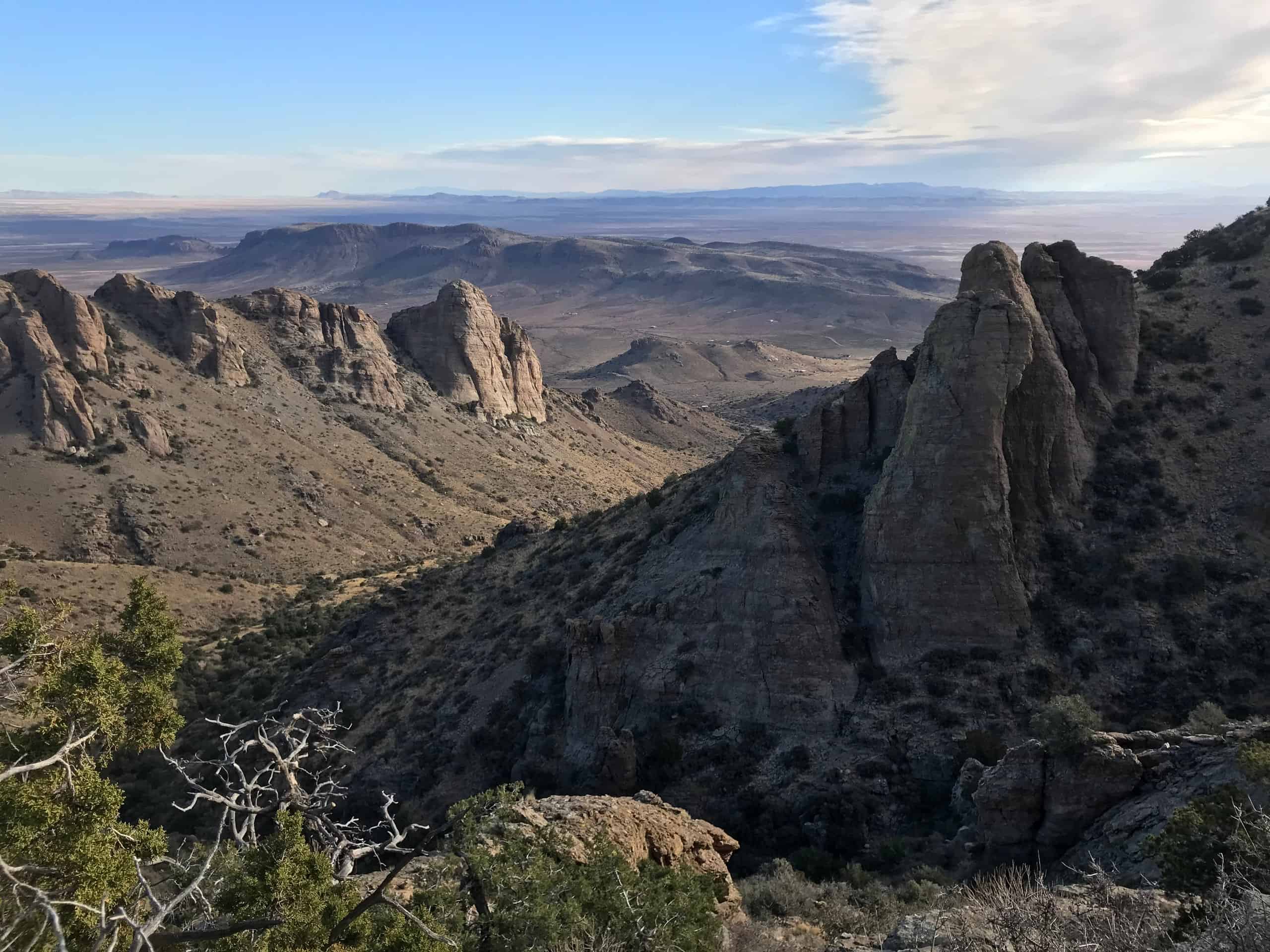
The question “Does Florida have mountains?” often sparks a chuckle from those familiar with the Sunshine State’s geography. While images of snow-capped peaks and rugged terrain are commonly associated with the word “mountains,” Florida presents a distinctly different landscape. The short answer is no, not in the traditional sense. Instead of towering geological formations, Florida offers a unique tapestry of pristine beaches, sprawling wetlands, crystal-clear springs, and gentle rolling hills that contribute to its distinctive allure as a global travel destination.
For visitors planning a trip to this popular United States state, understanding its geological reality is key to appreciating the vast array of activities, natural wonders, and cultural experiences it provides. Far from being a drawback, Florida’s low-lying topography is integral to its identity, shaping everything from its vibrant ecosystems and outdoor adventures to the development of its world-famous attractions and diverse accommodation options. This article will delve into the true nature of Florida’s landscape, exploring what you will find instead of mountains, and how these features create an unparalleled tourism experience that draws millions year after year.
The Geographic Reality: Florida’s Unique Terrain
To understand why Florida lacks traditional mountains, one must look beneath its surface and back in geological time. The state’s terrain is a fascinating study in low elevation and sedimentary geology, a stark contrast to the dramatic uplift and volcanic activity that characterize mountainous regions elsewhere in the world.
Dispelling the Myth: What Florida Isn’t
Florida’s geological story is one of marine deposition. For millions of years, much of what is now Florida was submerged under shallow seas. Over time, the skeletons of marine organisms, shells, and other sediments accumulated, compressing into a thick layer of limestone bedrock that forms the foundation of the state. This bedrock is largely covered by younger layers of sand, clay, and shells. This process, rather than the tectonic plate collisions that create mountain ranges, is responsible for Florida’s flat or gently undulating landscape.
A true mountain is typically defined by a significant elevation above its surrounding area, often with steep slopes, rugged peaks, and formed by geological processes involving substantial uplift and folding of the Earth’s crust. Think of the Rocky Mountains or the Appalachian Mountains. Florida simply doesn’t have the geological history or structure to support such formations. Its highest points are better described as hills or ridges, lacking the dramatic scale and ruggedness associated with mountainous terrain.

The Highest Points: Hills, Not Mountains
Despite its general flatness, Florida does possess some elevated areas, which, while not mountains, are notable landmarks within the state’s low-relief environment. The highest natural point in Florida is Britton Hill, located in Walton County near the border with Alabama. Reaching a modest elevation of 345 feet (105 meters) above sea level, Britton Hill is the lowest high point of any U.S. state. It’s marked by a small park, complete with a monument, making it a quirky destination for “highpointers” who seek to visit the highest points in various states. Visitors often enjoy a picnic here, celebrating the achievement of reaching Florida’s “summit” without the need for climbing gear.
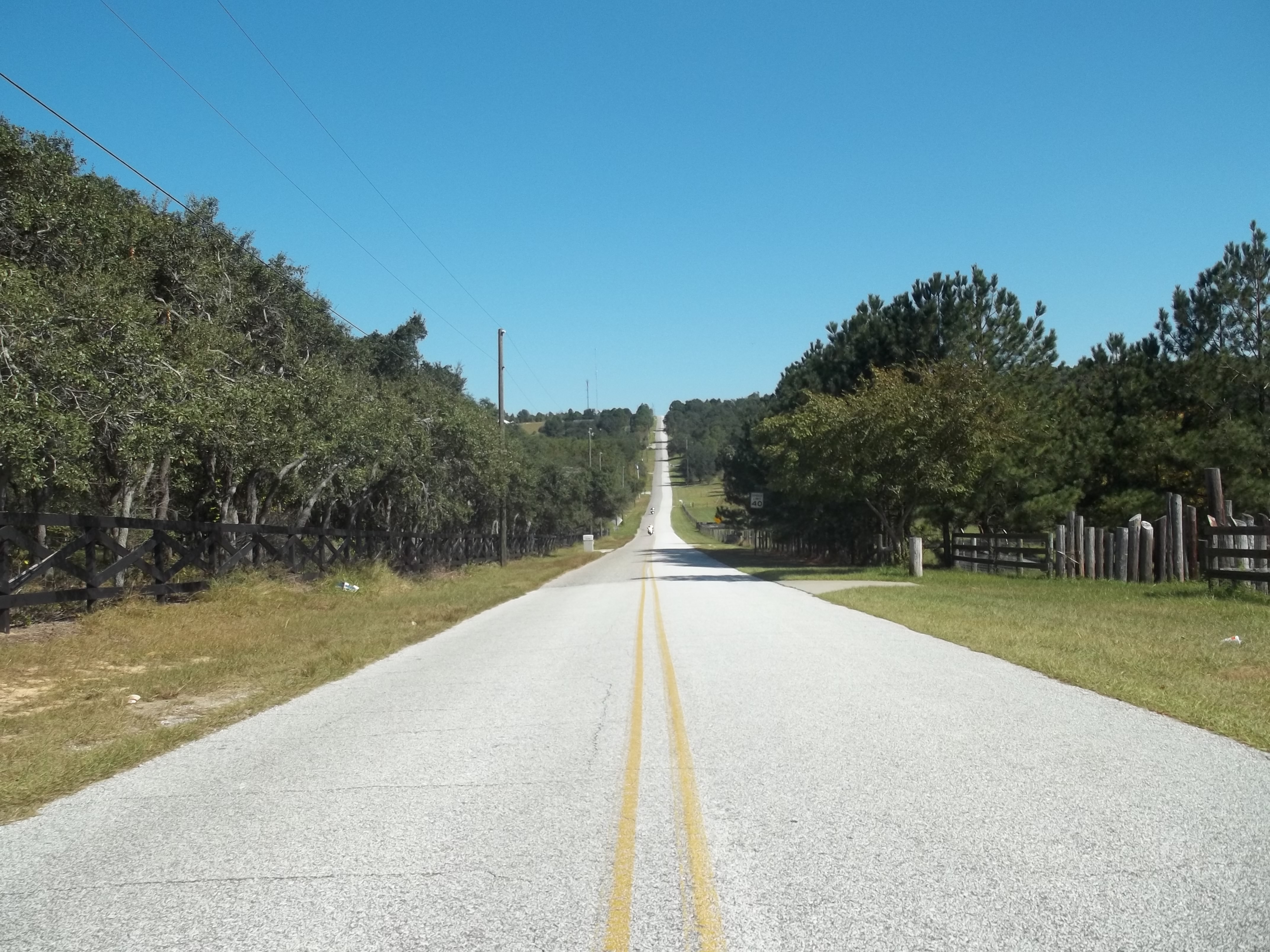
Another frequently mentioned “mountain” is Sugarloaf Mountain in Lake County, near the city of Clermont. Standing at approximately 312 feet (95 meters) tall, it’s the most prominent topographical feature in peninsular Florida. While its name might suggest a formidable peak, it is, in reality, a large hill formed by ancient sand dunes. Sugarloaf Mountain is particularly popular among cyclists who enjoy the challenging inclines it offers, providing a unique training ground in an otherwise flat state. The area around it, known as the Lake Wales Ridge, is an ancient sand dune system that runs down the spine of Florida, home to unique scrub habitats and endemic plant species. These “high points” serve as fascinating geological curiosities and offer a different perspective on the state’s diverse geography, proving that elevation isn’t the only measure of natural beauty or recreational opportunity.
Embracing the Lowlands: Florida’s Natural Wonders
The absence of mountains in Florida doesn’t mean a lack of natural beauty or outdoor adventure. Quite the contrary, Florida’s unique landscape has fostered an incredible array of ecosystems and natural attractions that are, in their own right, breathtaking and globally significant.
Beaches, Wetlands, and Springs: A Different Kind of Majesty
Instead of dramatic mountain vistas, Florida offers vast horizons stretching over its iconic coastlines and expansive interior wetlands.
- Pristine Beaches: Florida boasts some of the world’s most beautiful beaches, famous for their soft, white sand and clear turquoise waters. Along the Atlantic Ocean coast, vibrant cities like Miami Beach offer glamorous shores like South Beach, while further north, Daytona Beach is renowned for its hard-packed sands where driving is permitted. The Gulf of Mexico side presents calmer, shallower waters and sugar-sand beaches like Siesta Key Beach near Sarasota and the highly acclaimed Clearwater Beach. These coastal stretches are prime destinations for relaxation, swimming, sunbathing, and watersports, supporting a thriving tourism industry with numerous beachfront resorts and hotels.
- Expansive Wetlands: Perhaps Florida’s most unique natural feature is its vast wetland ecosystem, epitomized by the Everglades National Park. This “River of Grass” is a UNESCO World Heritage Site and an International Biosphere Reserve, home to an incredible diversity of wildlife, including alligators, crocodiles, Florida panthers, manatees, and countless bird species. Visitors can explore the Everglades via airboat tours, kayaking, or walking trails, offering a glimpse into a truly unique and vital ecosystem. It’s a landscape of subtle beauty and immense ecological importance, providing a stark contrast to the typical mountain wilderness experience.
- Crystal-Clear Springs: Hidden gems of Florida’s interior are its hundreds of freshwater springs, formed where underground aquifers push water to the surface through the porous limestone bedrock. These natural wonders offer year-round swimming, snorkeling, diving, and kayaking in incredibly clear, cool waters. Popular spots include Silver Springs State Park, famous for its glass-bottom boat tours, Weeki Wachee Springs State Park, known for its live mermaid shows, and Blue Spring State Park, a designated manatee refuge, especially during the colder months. These springs are natural oases that provide unique recreational opportunities and a chance to connect with Florida’s pristine aquatic environment.
Outdoor Adventures: From Kayaking to Wildlife Watching
Florida’s low-lying topography and extensive coastline create a paradise for water-based activities and wildlife enthusiasts. The adventure here isn’t about ascending peaks, but rather exploring vast waterways and diverse ecosystems.
- Watersports Galore: The warm waters surrounding Florida are ideal for a multitude of activities. Paddleboarding, kayaking, and canoeing are popular ways to explore the serene mangroves, quiet rivers, and spring runs. Snorkeling and scuba diving thrive, especially in the Florida Keys, which boast the only living coral barrier reef in the continental United States. Deep-sea fishing in the Atlantic or Gulf is a major draw, while freshwater fishing in lakes like Lake Okeechobee offers excellent opportunities for bass and other species.
- Hiking and Biking: While lacking mountain trails, Florida offers extensive networks of hiking and biking paths through its numerous state parks and national forests. Ocala National Forest provides hundreds of miles of trails for hiking, horseback riding, and even some surprisingly challenging mountain biking routes on its rolling hills. Jonathan Dickinson State Park near Jupiter offers diverse landscapes for hiking, biking, and canoeing. These trails allow visitors to experience Florida’s diverse habitats, from pine flatwoods to cypress swamps.
- Wildlife Encounters: Florida is a biodiverse hotspot. Birdwatchers flock to its wetlands and coastal areas to spot migratory birds and resident species. Airboat tours in the Everglades provide thrilling opportunities to see alligators and other marsh inhabitants. Manatee tours offer respectful interactions with these gentle giants in their natural spring habitats. The commitment to preserving these natural areas ensures that visitors can enjoy immersive wildlife experiences that are unique to the Sunshine State.
Tourism and Lifestyle in the Sunshine State
Florida’s distinctive geography has profoundly influenced its tourism industry and lifestyle. Without mountains to conquer, the state has innovatively capitalized on its natural assets and strategic location to become a global leader in travel and leisure.
Beyond the Peaks: Theme Parks and Coastal Escapes
The absence of rugged mountain ranges has allowed Florida to develop a different kind of “peak” experience: world-class theme parks and expansive coastal resorts.
- Theme Park Capital: Orlando is undeniably the “Theme Park Capital of the World,” home to iconic attractions that draw millions annually. Walt Disney World Resort, encompassing Magic Kingdom, Epcot, Hollywood Studios, and Animal Kingdom, creates immersive fantasy worlds. Universal Orlando Resort offers thrilling rides and experiences, notably The Wizarding World of Harry Potter. SeaWorld Orlando focuses on marine life and aquatic adventures. These colossal entertainment complexes provide high-altitude thrills and imaginative escapism that easily rival the excitement of a mountain adventure.
- Coastal Allure: Florida’s extensive coastline is a magnet for travelers seeking sun, sand, and sea. From the vibrant nightlife and Art Deco architecture of Miami Beach to the upscale boutiques and pristine beaches of Naples, coastal living is a cornerstone of the Florida lifestyle. The relaxed, island vibes of the Florida Keys, stretching down to Key West, offer a unique blend of adventure and tranquility. Each coastal region offers its own distinct flavor, catering to luxury travelers, budget-conscious families, and adventurous solo explorers alike.
- Historic and Cultural Landmarks: Beyond the beaches and parks, Florida is rich in history. St. Augustine, the nation’s oldest continuously inhabited European-established settlement, boasts landmarks like the imposing Castillo de San Marcos. On the space coast, the Kennedy Space Center Visitor Complex offers an inspiring look into space exploration. These destinations provide cultural and educational experiences that round out Florida’s diverse tourism offerings.
Accommodation Choices for Every Traveler
Given the variety of attractions and experiences, Florida’s accommodation sector is incredibly diverse, catering to every need and budget. Whether you’re planning a luxury escape, a family adventure, or a long-term stay, you’ll find options perfectly suited to your preferences.
- Luxury Resorts: For those seeking indulgence, Florida is home to numerous five-star resorts offering unparalleled amenities. Iconic properties like The Breakers Palm Beach provide opulent beachfront experiences, while Ritz-Carlton Orlando, Grande Lakes combines golf, spa, and fine dining near the theme parks. Coastal havens such as the JW Marriott Marco Island Beach Resort offer stunning Gulf views and extensive recreational activities.
- Family-Friendly Suites and Hotels: Near Orlando’s attractions, countless hotels and resorts cater specifically to families, offering spacious suites, kid-friendly pools, and shuttle services to theme parks. Many provide apartment-style accommodations, perfect for longer stays or larger groups.
- Boutique Hotels and Unique Stays: Historic cities like St. Augustine feature charming boutique hotels, such as the Casa Monica Resort & Spa, offering a blend of history and luxury. In the Florida Keys, you’ll find quaint guesthouses and unique waterfront villas.
- Vacation Rentals: From private villas with pools to beachfront apartments, vacation rentals are a popular choice for travelers seeking more space, privacy, and a home-away-from-home feel. These are especially favored by families or groups looking for extended stays in popular areas like Orlando, Fort Lauderdale, and the Gulf Coast. Booking platforms and local agencies offer a wide selection, often with reviews and comparison tools to help travelers find the perfect fit.
Planning Your Florida Journey: Tips and Considerations
While Florida may not offer the mountain climbing experiences found in other destinations, it presents a compelling case for a different kind of adventure. Planning your trip with an understanding of its unique characteristics will ensure a memorable and enjoyable visit.
When packing for Florida, prioritize lightweight clothing, swimwear, and plenty of sunscreen. Comfortable shoes are essential for exploring theme parks or nature trails, and insect repellent is advisable for excursions into natural areas like the Everglades or national forests.
The best time to visit Florida generally spans from late fall to late spring (November to May), when the weather is cooler and drier, perfect for outdoor activities. Summers can be hot and humid, with frequent afternoon thunderstorms and the potential for hurricanes. However, off-peak summer travel can offer fewer crowds at certain attractions and lower accommodation rates.
Transportation typically involves renting a car, as Florida is a large, sprawling state with many attractions spread out. Major cities like Miami, Orlando, and Tampa have extensive road networks, and driving allows the flexibility to explore beyond the main tourist hubs.
Ultimately, Florida challenges the conventional idea of a “great outdoors” destination by redefining it. Its natural beauty isn’t about vertical ascents but horizontal expansiveness – the endless horizon of the ocean, the sprawling wetlands, and the winding rivers leading to pristine springs. It’s a place where history intertwines with cutting-edge entertainment, and where every type of traveler can find their ideal escape. So, while Florida may not have mountains, it has an abundance of experiences that climb to the peak of vacation perfection. It offers a unique and unforgettable journey, proving that true grandeur comes in many forms, not just the highest peaks.
LifeOutOfTheBox is a participant in the Amazon Services LLC Associates Program, an affiliate advertising program designed to provide a means for sites to earn advertising fees by advertising and linking to Amazon.com. Amazon, the Amazon logo, AmazonSupply, and the AmazonSupply logo are trademarks of Amazon.com, Inc. or its affiliates. As an Amazon Associate we earn affiliate commissions from qualifying purchases.