
For anyone dreaming of sunshine, sandy beaches, and vibrant culture, Florida often tops the list of ideal destinations, whether for a vacation, a seasonal retreat, or a permanent move. Known as the Sunshine State, Florida beckons with its diverse offerings, from the magical theme parks of Orlando to the bustling cityscape of Miami, and the tranquil beauty of the Gulf Coast. However, amidst the allure of no state income tax, a crucial question often arises for potential residents, property investors, or even those considering extended stays: Does Florida have property tax? The straightforward answer is yes, Florida absolutely has property taxes.
Understanding how property taxes work in Florida is essential for anyone looking to purchase real estate, invest in vacation rentals, or simply understand the cost of living and maintaining property in this popular state. While the absence of a state income tax is a significant draw, property taxes form a substantial portion of the revenue for local governments and can significantly impact your overall financial landscape. This comprehensive guide will delve into the intricacies of Florida’s property tax system, exploring how it’s calculated, what exemptions are available, and how these taxes affect different types of property owners and travelers. Whether you’re considering a luxurious villa in Naples, a cozy condo in Sarasota, or a commercial hotel venture, grasping these concepts is key to a smooth and informed experience in the Sunshine State.
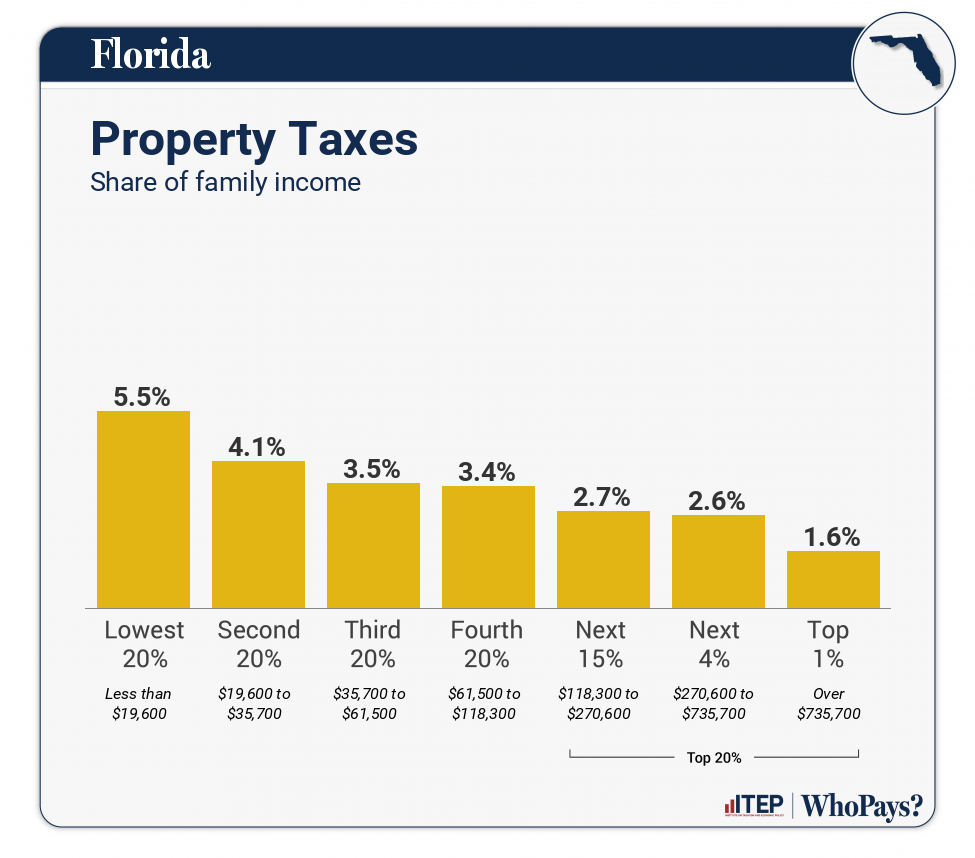
Understanding Property Tax in Florida: The Basics
Property taxes in Florida are primarily a local affair, meaning they are levied and collected by county and municipal governments rather than the state itself. These taxes are an indispensable source of funding for a wide array of public services that benefit both residents and the millions of tourists who visit each year. From maintaining roads and public safety to supporting educational institutions, property taxes underpin much of the infrastructure and quality of life that makes Florida so attractive.
How Property Taxes are Assessed and Calculated
The process begins with the County Property Appraiser, an elected official in each of Florida’s 67 counties. The Property Appraiser is responsible for determining the “just value” of all real property within their county. This “just value” is essentially the market value of your property, reflecting what it would likely sell for on the open market. They use a mass appraisal system, considering factors such as recent sales of comparable properties, the property’s size, age, condition, location, and any improvements made. Property values are assessed as of January 1st each year.
Once the just value is determined, certain exemptions are applied to arrive at the taxable value. This is the value upon which your property tax will actually be calculated. The tax rate, known as the millage rate, is then applied to this taxable value. A mill is equal to one-thousandth of a dollar, or $1 for every $1,000 of taxable value. Millage rates are set annually by various taxing authorities within your county, including the county commission, school board, city commission (if applicable), and special districts (e.g., water management, fire protection).
For example, if a property has a taxable value of $200,000 and the combined millage rate is 20 mills (which equates to $20 per $1,000 of taxable value), the annual property tax would be $200,000 / 1,000 * 20 = $4,000. It’s crucial to understand that millage rates can vary significantly even within the same county, depending on which city or special districts a property falls under. This means a property in Jacksonville might have a different effective tax rate than one just outside city limits in Duval County.

What Your Property Taxes Fund
The revenue generated from property taxes is vital for funding the essential services and infrastructure that support Florida’s communities and its booming tourism industry. This includes:
- Public Education: A significant portion of property taxes goes to local school districts, funding schools, teachers’ salaries, and educational programs.
- Public Safety: Police and sheriff’s departments, fire rescue services, and emergency medical services (EMS) rely heavily on property tax revenue to operate and keep communities safe for both residents and visitors.
- Infrastructure: Funds are allocated for maintaining and improving roads, bridges, public transportation, and other critical infrastructure, which is especially important for accommodating the large volume of tourists.
- Parks and Recreation: Local parks, community centers, libraries, and recreational facilities, which enhance the quality of life and provide leisure options for families and tourists, are often supported by these taxes.
- Environmental Protection: Some taxes contribute to initiatives for preserving Florida’s unique natural environment, including waterways, beaches, and wildlife habitats like the Everglades National Park.
- General Government Operations: This covers the administrative costs of running county and city governments, ensuring smooth functioning of public services.
For tourists and those enjoying short-term accommodations, while they don’t directly pay property taxes, they indirectly benefit from the well-maintained roads, safe public spaces, and quality services that these taxes enable. For property owners and investors, understanding these contributions can provide a clearer picture of the value received for their tax dollars.
Key Exemptions and Benefits for Florida Property Owners
While property taxes are a given in Florida, the state offers several significant exemptions and benefits that can substantially reduce a homeowner’s tax burden. These provisions are particularly appealing for permanent residents and can make owning a home in the Sunshine State more affordable. However, it’s crucial to distinguish between properties used as primary residences and those considered second homes or investment properties, as the benefits largely favor the former.
The Florida Homestead Exemption: A Game-Changer
The Florida Homestead Exemption is arguably the most impactful property tax benefit for residents. It’s designed to provide tax relief for homeowners who declare a property as their permanent, primary residence. To qualify, you must own the home and reside in it as your permanent home as of January 1st of the tax year, and you must file an application with your County Property Appraiser by March 1st.
The homestead exemption offers up to a $50,000 reduction in your home’s assessed value. Specifically:
- The first $25,000 is exempt from all local property taxes, including school district taxes.
- An additional $25,000 exemption applies to the value between $50,000 and $75,000, but only for non-school taxes.
This means a qualifying homeowner could see a significant decrease in their taxable value, leading to lower property tax bills. For instance, if a home is assessed at $100,000 and qualifies for the full $50,000 homestead exemption, its taxable value for non-school taxes would drop to $50,000.

Beyond the dollar amount, the homestead exemption also triggers the “Save Our Homes” (SOH) amendment. This crucial provision caps the annual increase in the assessed value of a homesteaded property at 3% or the Consumer Price Index (CPI), whichever is lower. This means that even if market values skyrocket, as they often do in popular areas like Tampa or Fort Lauderdale, the assessed value for homesteaded properties cannot increase by more than 3% annually. This provides immense stability and predictability for long-term homeowners, protecting them from sudden, drastic increases in their property tax bills. This is a huge advantage for residents planning to make Florida their permanent home, offering a degree of financial security against market fluctuations.
Another important feature is homestead portability. If you sell a homesteaded property in Florida and purchase a new one within the state, you may be able to transfer up to $500,000 of your accumulated “Save Our Homes” assessment cap savings to your new primary residence. This allows homeowners to move within Florida without losing the tax benefits built up over years, making lifestyle changes, such as moving to a larger home for a growing family or downsizing for retirement, more financially feasible.
Other Notable Exemptions
Florida also offers additional property tax exemptions for specific groups of residents, further underscoring the state’s efforts to support certain demographics:
- Senior Citizens: Many counties and cities offer additional exemptions for seniors, particularly those with low income. These can vary significantly by local ordinance, so it’s worth checking with the local Property Appraiser’s office if you are over 65. For example, some counties like Miami-Dade offer additional exemptions for low-income seniors.
- Veterans: Veterans with service-connected disabilities can qualify for substantial property tax relief. The amount of the exemption depends on the percentage of disability. For instance, a veteran with a 10% or more service-connected disability can receive an additional exemption of $5,000. A totally and permanently disabled veteran may be entirely exempt from property taxes.
- Disabled Persons: Non-veteran homeowners who are permanently and totally disabled may also qualify for an additional exemption, subject to income limitations.
- Widows and Widowers: An exemption of $500 is available for widows and widowers.
These exemptions collectively demonstrate Florida’s commitment to making homeownership more accessible and sustainable for its residents, directly impacting lifestyle and budget for eligible individuals and families. However, it’s crucial to remember that these benefits generally do not apply to properties that are not the owner’s primary residence.
Property Tax Implications for Different Lifestyles and Investments in Florida
The way property taxes impact individuals and businesses in Florida varies significantly depending on their residency status and the intended use of the property. For a state deeply intertwined with tourism and a diverse population, understanding these distinctions is paramount for effective financial planning, whether you’re contemplating a permanent move, a seasonal escape, or an investment opportunity.
Residents and Long-Term Stays
For individuals and families who make Florida their permanent home, property taxes are an integral part of their annual budget. As discussed, the Homestead Exemption and the “Save Our Homes” amendment are monumental benefits. These provisions make long-term residency in Florida considerably more affordable than it might otherwise be, especially in areas with rapidly appreciating property values like Orlando and the Florida Keys. The stability offered by the 3% cap on assessed value increases means that property owners can plan their finances with greater certainty, even as their neighborhood becomes more desirable or property values surge.
This stability, combined with the absence of a state income tax, makes Florida an attractive option for those seeking a lower overall tax burden compared to many other states in the United States. For families considering a permanent relocation, the quality of public services funded by these taxes, such as schools and local amenities, can be a significant factor in choosing a community. For individuals planning their retirement, the predictable nature of homesteaded property taxes provides peace of mind, allowing them to better manage their fixed incomes.
Seasonal Residents, Snowbirds, and Second Home Owners
Florida has long been a haven for “snowbirds” – individuals who escape colder climates to spend their winters in the Sunshine State. Many of these seasonal residents own second homes, condos, or even apartments across the state, from the serene beaches of Daytona Beach to the bustling communities of South Beach. However, a crucial distinction for this group is that they are generally not eligible for the homestead exemption.
Since the homestead exemption applies only to a primary residence, a second home owner pays property taxes on the full assessed value of their property, without the $25,000 or $50,000 reduction. Furthermore, their property’s assessed value is not subject to the “Save Our Homes” cap. This means that the assessed value of a second home can increase annually by the full market value, up to 10% for non-homesteaded properties, potentially leading to much higher property tax increases compared to a homesteaded property.
This difference is a critical consideration for seasonal residents. While they enjoy the benefits of Florida’s climate and amenities, their property tax burden will likely be higher and less predictable than that of permanent residents. It’s essential for snowbirds and second home owners to factor these higher potential tax liabilities into their budgeting and financial planning, especially when comparing the cost of owning versus renting for their seasonal stays.
Investors in Vacation Rentals and Commercial Properties
Florida’s robust tourism industry makes it a prime location for real estate investors interested in vacation rentals, commercial properties, and developments like resorts and hotels. Properties like those near Walt Disney World Resort or Universal Studios Florida in Orlando, or beachfront condominiums along the Atlantic Coast, are popular choices for generating rental income.
For these investors, property taxes are a significant operational cost that directly impacts their Return on Investment (ROI). Like second home owners, investors in residential rental properties (including Airbnb units, villas, or traditional long-term rentals) do not qualify for the homestead exemption. Their properties are taxed on their full assessed market value, and the annual increase in assessed value can be up to 10%, which is higher than the SOH cap for homesteaded properties. This means property tax expenses can fluctuate more significantly year-to-year.
For commercial properties, such as hotels, retail spaces, or office buildings, property taxes are typically a major operating expense. These properties are assessed based on market value, often considering factors like income-generating potential. The absence of homestead exemptions and the potential for larger annual increases in assessed value mean that investors must carefully project these costs when evaluating potential acquisitions and setting rental rates or pricing for their services. Factors like property tax rates in different municipalities (e.g., St. Augustine vs. Key West) can greatly influence the profitability of a tourism-related venture.
In summary, while Florida offers enticing tax benefits for its permanent residents, those with seasonal homes or investment properties face a different, often higher, property tax landscape. Understanding these distinctions is crucial for anyone engaging with the Florida real estate market, ensuring that financial expectations align with the realities of the local tax structure.
Navigating Property Taxes: Tips for Buyers and Owners
Understanding Florida’s property tax system is not just about knowing that taxes exist; it’s about strategizing to manage them effectively. For potential buyers, current owners, and real estate investors, proactive engagement with the tax process can lead to significant savings and greater financial predictability. Given the state’s appeal for various lifestyles—from family trips to luxury travel and business stays—these tips apply broadly to anyone looking to establish a presence in the Sunshine State.
Researching Tax Rates Before Buying
One of the most critical steps for any prospective property owner in Florida is to thoroughly research the property tax rates in areas of interest before making a purchase. Property taxes can vary widely from one county to another, and even between different cities or special taxing districts within the same county. For example, a property in Miami might have a different overall millage rate than one in a nearby unincorporated area of Miami-Dade County.
When you look at a property’s listing, the current property taxes might reflect the seller’s homestead exemption and “Save Our Homes” cap. If you purchase the property and it will not be your primary residence, or if it’s your primary residence but the previous owner had a much lower assessed value, your property taxes could be significantly higher in the first year of ownership. This is often referred to as a “tax shock” if not anticipated.
- Visit the County Property Appraiser’s website: These sites provide public access to property records, including current and historical assessed values, exemptions applied, and millage rates for specific parcels.
- Contact the County Tax Collector: They can provide information on actual tax bills and collection schedules.
- Consult a real estate professional: Experienced real estate agents in Florida can help you estimate your future property tax liability based on the market value of the home and your intended use.
Accurate budgeting for property taxes is crucial, whether you’re purchasing a hotel for investment, a villa for seasonal enjoyment, or a home for long-term residency.
Understanding Assessment Notices
Each August, Florida property owners receive a Notice of Proposed Property Taxes (TRIM notice) from their County Property Appraiser. This notice is not a bill, but a crucial document that details:
- The property’s “just value” (market value) as determined by the Property Appraiser.
- The taxable value after any exemptions have been applied.
- The proposed millage rates set by various taxing authorities.
- The estimated property taxes for the upcoming year based on these values and rates.
It’s vital to review this notice carefully. This is your opportunity to ensure that your property’s assessment is fair and that all applicable exemptions have been properly applied. The TRIM notice also provides information on how to challenge the proposed assessment or millage rates.
Appealing Assessments
If you believe your property’s assessed value is incorrect or too high, you have the right to appeal it. The process typically involves a few steps:
- Informal Conference: First, contact your County Property Appraiser’s office to discuss your concerns. Often, discrepancies can be resolved at this stage through an informal review. You’ll need to provide evidence to support your claim (e.g., recent appraisals, sales data for comparable properties, photos showing damage or issues not reflected in the assessment).
- Petition to the Value Adjustment Board (VAB): If an informal resolution isn’t reached, you can file a petition with the VAB. This is an independent quasi-judicial body, typically composed of county commissioners and school board members, that hears disputes between taxpayers and the Property Appraiser. The deadline for filing a VAB petition is usually 25 days after the TRIM notice is mailed.
- Judicial Review: If you are not satisfied with the VAB’s decision, you may be able to pursue legal action in circuit court.
Successfully appealing an assessment can lead to a lower taxable value and, consequently, a reduced property tax bill. This is particularly relevant for investors or those with non-homesteaded properties, where assessed values can increase more sharply.
Ensuring Exemptions Are Applied
For those who qualify for exemptions, such as the homestead exemption, senior exemptions, or veteran benefits, it’s imperative to ensure they are properly applied.
- Apply on time: The deadline for most exemptions is March 1st of the tax year for which you are applying. Missing this deadline means you’ll likely have to wait until the next year.
- Verify on the TRIM notice: Always check your annual TRIM notice to confirm that your exemptions are correctly reflected in your taxable value. If they are missing or incorrect, contact the Property Appraiser’s office immediately.
Taking these proactive steps can significantly influence your financial outlay when owning property in Florida. Whether you’re enjoying the attractions of Busch Gardens Tampa Bay or exploring the history of St. Augustine, effective property tax management is a cornerstone of responsible property ownership in the Sunshine State.
In conclusion, while Florida does have property taxes, the system is designed with provisions to offer substantial relief, especially for permanent residents. The appeal of Florida—from its sun-drenched landmarks and diverse tourism opportunities to its vibrant lifestyle—remains strong. By understanding how property taxes are assessed, leveraging available exemptions, and proactively managing your property’s tax obligations, you can fully embrace the unique opportunities and relaxed way of life that the Sunshine State offers, whether for leisure, long-term stay, or investment. Knowing the ins and outs of this financial landscape ensures that your Florida experience is as sunny as the weather.