
Planning a trip to the Sunshine State conjures images of pristine beaches, thrilling theme parks, and vibrant cultural experiences. From the magical realm of Walt Disney World Resort in Orlando to the Art Deco charm of Miami Beach, and the laid-back beauty of the Florida Keys, Florida offers an unparalleled variety of destinations. However, a crucial aspect often overlooked in the excitement of travel planning is understanding the local tax structure. Many travelers, especially those from outside the United States or states with different tax systems, often wonder: “Does Florida have sales tax?” The simple answer is yes, it does, and understanding how it applies to various aspects of your vacation can significantly impact your overall budget and travel experience.
For any traveler, whether you’re embarking on a luxury getaway, a family adventure, a business trip, or a budget-friendly escape, comprehending the financial landscape extends beyond just the sticker price. Sales tax, along with other tourism-related levies, can add up quickly, affecting everything from your accommodation and dining choices to souvenirs and transportation. This comprehensive guide aims to demystify Florida’s sales tax system, specifically detailing how it impacts visitors and offering insights into smart budgeting for your unforgettable journey through this diverse and captivating state. By understanding these nuances, you can better plan your itinerary, manage your expenses, and truly immerse yourself in the local culture and attractions without any unwelcome financial surprises.
Understanding Florida’s Sales Tax Landscape
The foundation of Florida’s sales tax system is relatively straightforward at its core, but its application can vary depending on the county and the specific goods or services being purchased. As a significant revenue source for the state, sales tax plays a role in funding essential public services and infrastructure, which in turn supports the thriving tourism industry that Florida is renowned for.
The Statewide Standard Rate
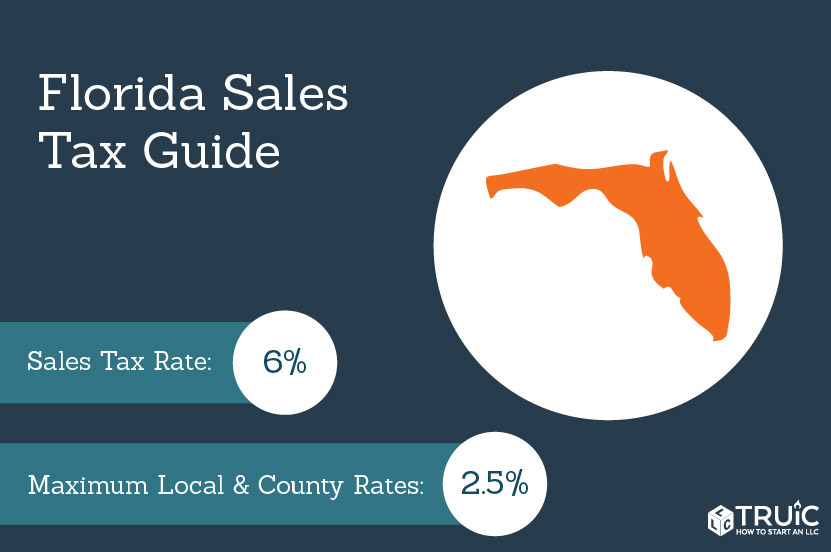
At the state level, Florida imposes a general sales tax rate of 6%. This rate applies to the retail sale of most tangible personal property, meaning physical goods you purchase, and certain services. When you’re shopping for souvenirs at a gift shop near Universal Studios, buying new swimwear in Miami, or picking up groceries for your vacation rental in St. Petersburg, this 6% state sales tax will typically be added to your bill.
However, it’s crucial to distinguish between tangible goods and services. While most physical items are subject to sales tax, many services are not. For example, professional services like legal advice or medical treatments are generally exempt. Yet, specific services that are integral to a tourist’s experience, such as amusement park admissions, car rentals, and hotel stays, are indeed subject to sales tax, often alongside other specialized taxes.
Local Option Sales Taxes: A Regional Nuance
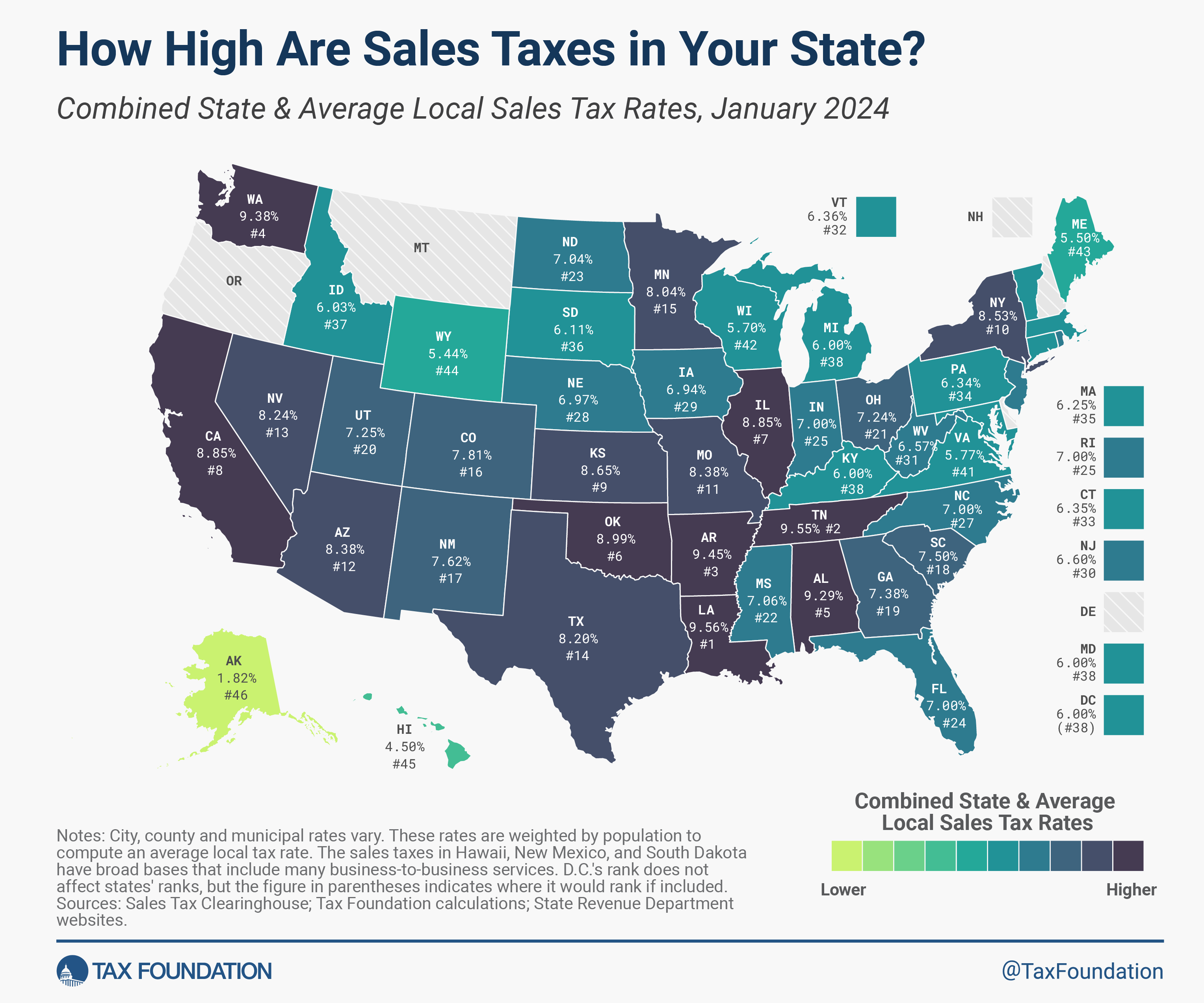
Beyond the statewide 6%, many counties in Florida have the authority to levy their own “local option” sales taxes. These are additional sales taxes that are added on top of the state rate, increasing the total percentage you pay. These local taxes can vary widely from county to county, typically ranging from 0.5% to 2.5%, bringing the combined sales tax rate anywhere from 6.5% to 8.5% or even higher in some areas.
For example, a tourist visiting Orlando (located in Orange County) would face the state’s 6% sales tax plus a local option sales tax, bringing the total to a higher figure. Similarly, in popular destinations like Tampa (Hillsborough County) or Fort Lauderdale (Broward County), the combined rate will be higher than the base 6%. This regional variation means that the exact amount of sales tax you pay can differ significantly depending on where you are in Florida. When budgeting for your trip, it’s wise to research the specific sales tax rate for the counties you plan to visit, particularly for major purchases or extended stays. This localized approach ensures that visitors contribute to the infrastructure and services of the specific areas they enjoy, enriching their experience in turn.
Key Taxes for Visitors: Accommodation, Rentals, and Dining
For travelers, sales tax is just one piece of the financial puzzle. Several other taxes specifically target the tourism industry, directly impacting the cost of your accommodation, transportation, and dining experiences. Understanding these additional levies is crucial for accurate budgeting and avoiding unexpected expenses during your Florida vacation.
Tourist Development Tax (TDT) on Lodging
Perhaps the most significant additional tax for tourists in Florida is the Tourist Development Tax (TDT), often referred to as a bed tax, resort tax, or transient rental tax. This tax applies to the rental of any living quarters or accommodations for a term of six months or less. This includes hotels, motels, resorts, vacation rentals (like those found on Airbnb or VRBO), timeshares, and even campgrounds.
The TDT rate is set at the county level and can vary considerably, typically ranging from 2% to 6%. For instance, a county like Orange County (Orlando) or Miami-Dade County (Miami) may have a higher TDT due to their high volume of tourists, whereas a less visited county might have a lower rate or none at all. When booking your accommodation, be aware that the advertised nightly rate often does not include the TDT, nor the state’s 6% sales tax. These taxes are added on top, sometimes along with other fees (which we’ll discuss later). For example, a $200 per night hotel room in a county with a 6% state sales tax and a 5% TDT would actually cost you $200 + (6% of $200) + (5% of $200) = $200 + $12 + $10 = $222 per night, before any resort fees. This can significantly inflate the total cost of your stay, especially for longer vacations or luxury accommodations in popular destinations like Naples or the Florida Keys. Always check the “total price” before confirming your booking to get an accurate picture of your expenditure.
Sales Tax on Rental Cars and Transportation
Getting around Florida often involves renting a car, especially if you plan to explore multiple cities or attractions outside of public transit hubs. Car rentals in Florida are subject to the standard statewide sales tax of 6%, plus any applicable local option sales taxes. However, there’s an additional tax specifically for motor vehicle leases or rentals: a 6% discretionary sales surtax on the rental price. This means that a standard car rental in Florida will be taxed at the state’s 6% sales tax PLUS an additional 6% discretionary sales surtax, totaling a minimum of 12% before any county surtaxes are applied.
This additional 6% discretionary tax applies to lease or rental periods of six months or less and is distinct from the general sales tax. So, if you rent a car for $300 for a week, expect to pay around $36 in state sales tax and an additional $18 for the discretionary surtax (assuming a 6% state sales tax and 6% discretionary surtax, and no local option sales tax for simplicity in this example – though actual rates will vary). These taxes apply to the base rental rate, but often also to additional charges like GPS rentals, child seats, and roadside assistance. It’s essential to factor this into your transportation budget, especially if you’re planning a scenic road trip along the Gulf of Mexico coast or down to Key West.
Beyond rental cars, other forms of transportation, such as ride-sharing services like Uber or Lyft, are generally subject to sales tax on the service fee, but the fare itself is usually not directly taxed as a tangible good. Public transportation, like bus or train tickets, is typically exempt from sales tax. However, charter buses or tour services might include sales tax in their pricing.
Dining Out: Food and Beverage Taxes
Florida’s vibrant culinary scene is a highlight for many travelers, whether you’re enjoying fresh seafood in Panama City Beach, Cuban cuisine in Miami, or farm-to-table dining in Sarasota. When dining out at restaurants, cafes, food trucks, or even within your hotel, the bill for prepared food and beverages will be subject to the standard statewide 6% sales tax, plus any applicable local option sales taxes for that county. This means your restaurant bill in Jacksonville could have a different total tax percentage than in West Palm Beach.
For example, a $50 dinner bill in a county with a 7% combined sales tax would incur an additional $3.50 in tax. While this might seem minor per meal, it can add up considerably over a multi-day trip, especially for families or those indulging in fine dining experiences.
On the other hand, most unprepared food items purchased from grocery stores or farmers’ markets for consumption at home or in your accommodation are generally exempt from sales tax. This is a significant distinction that savvy travelers can leverage to save money. If you’re staying in a vacation rental with a kitchen, buying groceries to prepare some meals can considerably reduce your dining expenses and, by extension, your total tax burden. This is an excellent tip for budget travelers or families looking to manage costs while still enjoying their Florida adventure.
Maximizing Your Budget: Exemptions and Smart Spending in Florida
While taxes are an unavoidable part of travel, understanding where exemptions apply and adopting smart spending habits can help you maximize your budget during your Florida trip. Strategic planning and a little local knowledge can go a long way in ensuring your financial resources stretch further, allowing for more experiences, attractions, or even an upgrade to your accommodation.
Exemptions That Benefit Travelers
Not everything you purchase or consume in Florida is subject to sales tax. Recognizing these exemptions can be particularly beneficial for travelers:
- Most Groceries: As mentioned, unprepared food items purchased from grocery stores, supermarkets, or farmers’ markets are generally exempt from sales tax. This includes fresh produce, meat, dairy, packaged foods, and staples like bread and cereals. This exemption encourages self-catering, a popular option for families or long-term stays in vacation apartments or villas.
- Prescription Medications: All prescription drugs and certain non-prescription medical items are exempt from sales tax. While hopefully not needed, it’s good to know this if you require any medication during your trip.
- Certain Services: While some services directly related to tourism (like admissions to attractions or car rentals) are taxed, many other services are not. For instance, haircuts, dry cleaning services (though you’re unlikely to need these on a short trip!), and professional services are generally exempt.
- Purchases for Resale: If you’re a business traveler purchasing items for resale outside of Florida, you may qualify for exemptions, though this is less common for typical tourists.
Understanding these exemptions allows you to make informed choices. Opting to buy snacks, drinks, and ingredients for simple meals from a local grocery store rather than relying solely on convenience stores or restaurants for every bite can lead to noticeable savings over your trip.
Practical Tips for Savvy Travelers
Beyond knowing the exemptions, implementing a few practical strategies can help you manage your expenses effectively:
- Set a Realistic Budget: Incorporate sales tax and other tourism-related taxes (TDT, rental car taxes, resort fees) into your initial travel budget. Don’t just look at base prices; calculate the estimated total cost, especially for accommodation and major purchases. This proactive approach prevents sticker shock and allows for more accurate financial planning.
- Consider Self-Catering: For longer stays, particularly if you’ve chosen accommodation like a suite with a kitchenette or a full vacation rental, utilizing the grocery sales tax exemption by preparing some of your own meals can be a game-changer. Explore local markets in places like St. Petersburg or Sarasota for fresh, local ingredients and a taste of the local culture.
- Look for All-Inclusive Options: While less common in Florida than in destinations like Mexico or the Caribbean, some resorts may offer packages that bundle certain taxes and fees, simplifying your budgeting. Always read the fine print to confirm what’s included.
- Utilize Public Transportation or Ride-Sharing: In cities like Miami or Orlando, opting for public transit or ride-sharing services for short distances can sometimes be more cost-effective than renting a car for your entire trip, especially when factoring in the various taxes, fuel, and parking fees associated with rentals.
- Research Attraction Bundles and Discounts: Many major attractions, such as Walt Disney World Resort or Busch Gardens in Tampa, offer multi-day passes or package deals that can provide savings compared to single-day tickets. While these will still incur sales tax, the overall per-day cost might be lower. Check reputable travel guides and online forums for tips on finding the best deals for experiences in Florida.
- Shop Smart for Souvenirs: If you’re planning to buy many souvenirs, consider purchasing them from larger retail stores or outlets which might offer better pricing, or keep an eye out for sales events. Remember that even small purchases add up with sales tax.
By strategically planning your activities, accommodation choices, and dining habits, you can significantly mitigate the impact of sales tax and other levies on your Florida adventure, allowing you to focus more on creating lasting memories.
Comprehensive Financial Planning for Your Florida Adventure
Beyond the core sales tax and the specific tourism levies, there are other financial considerations that every traveler to Florida should be aware of. These “hidden” costs, though not always direct taxes, can significantly impact your total expenditure and should be factored into your travel planning from the outset. Understanding these ensures a smooth, stress-free trip, whether you’re relaxing on Amelia Island or exploring the natural wonders of Everglades National Park.
Resort Fees and Hidden Charges
Perhaps one of the most common complaints from travelers to popular destinations, especially in Florida, are resort fees. These are mandatory daily charges imposed by hotels and resorts, often ostensibly for amenities like Wi-Fi, fitness center access, pool towels, or shuttle services. Critically, resort fees are generally subject to both the state sales tax and the Tourist Development Tax (TDT), further increasing their impact on your bill.
For example, a hotel might advertise a room rate of $150 per night. If it has a $35 resort fee, plus 6% state sales tax and 5% TDT on both the room and the resort fee, your actual cost could look like this:
- Room Rate: $150
- Resort Fee: $35
- Subtotal: $185
- State Sales Tax (6% of $185): $11.10
- TDT (5% of $185): $9.25
- Total Per Night: $205.35
This example clearly shows how quickly a seemingly modest resort fee can escalate the overall cost once taxes are applied. Always confirm with your hotel or check the booking details for any additional fees – including resort fees, parking charges, and early check-in/late check-out fees – before finalizing your reservation. Many booking platforms now display these fees more transparently, but it’s still good practice to double-check, especially if you’re using third-party comparison sites. Understanding these additional charges is key to comparing accommodation options accurately, whether you’re seeking luxury resorts or budget-friendly hotels in bustling areas like Daytona Beach or tranquil locales like Siesta Key.
Fuel Taxes and Event Tickets
While not directly a sales tax on the final pump price, the cost of gasoline in Florida includes various state and federal fuel taxes. For travelers embarking on road trips across the vast state, from Tallahassee to Miami or exploring the scenic Florida Panhandle around Destin, these taxes are baked into the per-gallon price you see at the pump. While you don’t see them itemized separately on your receipt like sales tax, they are a component of your transportation budget.
Tickets for attractions, concerts, sporting events, and other entertainment venues are also subject to Florida’s sales tax. This includes admission to theme parks like Universal Studios, historical sites, museums, and even boat tours or fishing charters. When purchasing tickets online or at the gate, assume that the advertised price will have the state’s 6% sales tax (and any local option sales tax) added on top. For high-cost tickets, such as those for a multi-day pass to Walt Disney World Resort or a special event at the Kennedy Space Center, this can add a significant amount to your total outlay. Always factor this into your entertainment budget when planning your itinerary.
Finally, for those considering a cruise, keep in mind that while the cruise fare itself is generally exempt from Florida sales tax (as it’s considered international travel once you leave U.S. waters), any purchases made on board within Florida territory (e.g., at the port of Port Canaveral or Miami before departure), or services like shore excursions booked through the cruise line that occur entirely within Florida and are purchased separately, might be subject to sales tax.
In conclusion, a successful and enjoyable trip to Florida involves more than just selecting your dream destinations and booking your favorite resorts. A thorough understanding of the state’s sales tax, the Tourist Development Tax, and other potential fees is paramount to avoiding budget overruns and ensuring a financially stress-free vacation. By planning ahead, leveraging exemptions, and being aware of all the potential costs, you can confidently navigate Florida’s financial landscape and focus on creating unforgettable memories under the sunshine. Florida is a fantastic place for all types of travelers, and with careful budgeting, its wonders become accessible to everyone.