
The Sunshine State, with its pristine beaches, vibrant cities, and world-renowned attractions, has long been a magnet for tourists, retirees, and those seeking a dynamic lifestyle. From the enchanting theme parks of Orlando to the sophisticated urban landscape of Miami, Florida offers an unparalleled array of experiences. But beyond the allure of its famous landmarks and luxurious resorts, a fundamental financial question often arises, especially for individuals considering relocation, extended stays, or even just evaluating the overall economic environment: “Does Florida have a state income tax?” The simple and resounding answer is no. Florida is one of a handful of U.S. states that does not impose a personal state income tax on its residents.
This distinctive tax policy is a cornerstone of Florida’s economic strategy, significantly influencing its appeal to individuals, businesses, and investors alike. It means that residents do not pay a portion of their wages, salaries, or other personal income to the state government. This financial advantage can translate into more disposable income, making the state particularly attractive for those looking to maximize their earnings or stretch their retirement savings further. For travelers, understanding this policy, while not directly impacting their short-term income, provides insight into the state’s economic philosophy and its impact on the cost of living, business development, and the overall vibrant lifestyle that many come to enjoy.
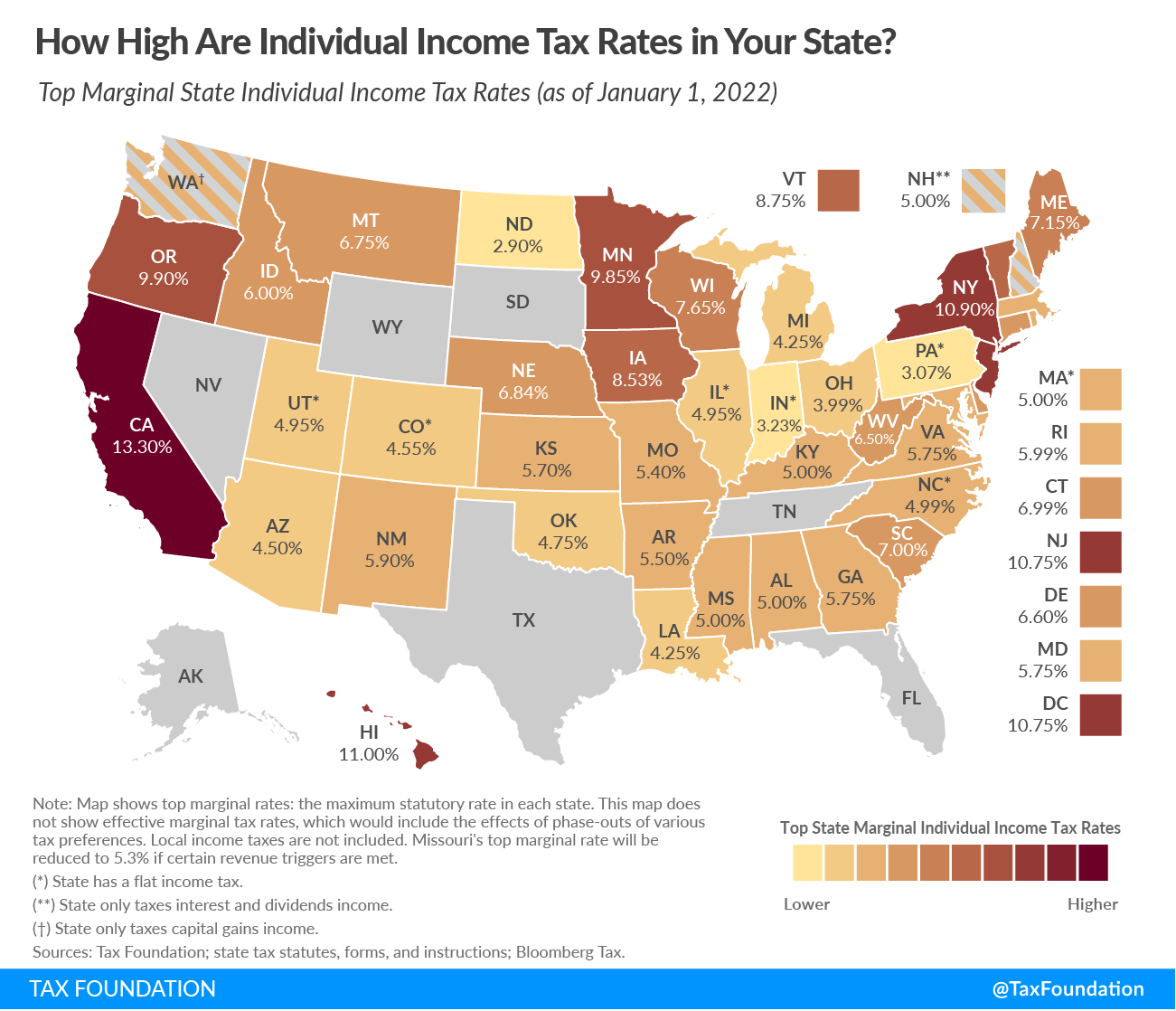
While the absence of a state income tax is a significant draw, it’s crucial to understand that Florida’s government still needs to generate revenue to fund its public services, infrastructure, and myriad programs. This is achieved through a different mix of taxes, including sales tax, property tax, and corporate income tax, among others. For anyone considering a move, an extended stay in an apartment or villa, or even a long-term business trip, a comprehensive understanding of the entire tax landscape is essential for accurate budgeting and financial planning.
Understanding Florida’s Tax Landscape: More Than Just Income
Florida’s tax system is designed to balance the state’s revenue needs with its goal of remaining an economically attractive destination. While the lack of personal income tax is its most famous feature, other taxes play significant roles in funding state and local governments.
The Sunshine State’s Income Tax Advantage
The absence of a state income tax is arguably Florida’s most potent economic incentive. For individuals, this means a significant portion of their earnings remains in their pockets rather than being remitted to the state. This is a major factor for:
- Retirees: Florida has long been a top destination for retirees, and the lack of state income tax on pensions, Social Security benefits, and other retirement income only enhances its appeal. This allows retirees to enjoy their golden years with greater financial freedom.
- Remote Workers and Professionals: With the rise of remote work, professionals from high-tax states are increasingly drawn to Florida, where their take-home pay can be considerably higher. This trend has spurred growth in various cities, leading to an increased demand for diverse accommodations, from luxury suites to long-term apartment rentals.
- Entrepreneurs and Business Owners: While corporations pay a separate income tax (discussed later), individual business owners and sole proprietors benefit from not having state income tax levied on their personal business profits, making Florida an attractive state for launching new ventures.

This income tax advantage fuels a vibrant lifestyle, allowing residents to invest more in their homes, travel, and leisure activities, which in turn supports local businesses, hotels, and tourism sectors across the state.
Sales Tax: A Key Revenue Driver
Given the absence of state income tax, sales tax plays a crucial role in Florida’s revenue generation.
- General State Sales Tax: The statewide sales tax rate in Florida is 6%. This tax applies to the sale of most tangible personal property, admissions, and certain services. When you buy clothes, electronics, dining out, or tickets to attractions, you’ll typically pay this sales tax.
- Local Sales Taxes (Discretionary Sales Surtax): In addition to the state sales tax, many counties in Florida levy a discretionary sales surtax, also known as a local option sales tax. These surtaxes vary by county, ranging from 0.5% to 2.5%, and are added on top of the state’s 6%. This means your total sales tax rate could be anywhere from 6% to 8.5%, depending on where you are in the state. For travelers, this is particularly relevant as it impacts the cost of souvenirs, restaurant meals, and entry fees to popular destinations.
- Tourist Development Tax (Resort Tax): A particularly relevant tax for visitors and those involved in the accommodation industry is the Tourist Development Tax (TDT), often called the resort tax or bed tax. This local tax is levied on the rental of transient accommodations (e.g., hotels, motels, apartments, villas, and vacation rentals) for six months or less. The rate varies by county, typically ranging from 2% to 6%. This tax directly contributes to funding tourism promotion, beach renourishment, and cultural facilities, ensuring that the state remains a premier travel destination with top-notch amenities and attractions.
- Specific Sales Taxes: Beyond the general sales tax, specific items like motor vehicles and boats are subject to sales tax, which applies to both new and used purchases. This is particularly relevant for those planning a long-term stay or considering making Florida their permanent home.

The sales tax structure ensures that tourists, who flock to the state’s numerous attractions and utilize its extensive accommodation options, contribute significantly to the state’s coffers, allowing Florida to maintain its income-tax-free status for residents while funding essential services.
Property Taxes: A Local Consideration
For homeowners and those considering investing in real estate, property taxes are a significant financial factor in Florida. Unlike state income tax, property taxes are a local levy, collected by counties and municipalities to fund local services such as schools, police, fire departments, and local infrastructure.
- Assessment and Rates: Property taxes are based on the assessed value of a property and the local millage rate (dollars of tax per $1,000 of assessed value). These rates can vary considerably from one county or city to another, influenced by local budgets and the services provided.
- Homestead Exemption: A crucial benefit for permanent residents of Florida is the Homestead Exemption. This allows homeowners to reduce the taxable value of their primary residence by up to $50,000, significantly lowering their property tax bill. To qualify, a property owner must declare the property as their permanent residence by January 1st of the tax year. This exemption is a substantial incentive for individuals to establish permanent residency in the state.
- “Save Our Homes” Amendment: This amendment to the Florida Constitution caps the annual increase in the assessed value of homesteaded properties at 3% or the percentage change in the Consumer Price Index (CPI), whichever is lower. This provides stability and predictability for long-term homeowners, protecting them from drastic spikes in property taxes, even as market values soar.
- Portability: The “Save Our Homes” benefit can also be “ported” or transferred to a new homestead within Florida. This allows homeowners who sell their primary residence and buy another within a certain timeframe to transfer a portion of their accumulated savings, further encouraging long-term residency and homeownership.
- Greenbelt Law: For those considering larger properties, especially those involved in agriculture, Florida’s Greenbelt Law provides a significant property tax advantage. Agricultural land is assessed based on its agricultural use value rather than its potential development value, leading to substantially lower property taxes for bona fide agricultural operations.
Understanding property taxes, exemptions, and limitations is vital for anyone planning to purchase real estate or considering a long-term stay in Florida, as it represents one of the primary recurring costs of homeownership.
Beyond Income, Sales, and Property: Other Taxes in Florida
While personal income, sales, and property taxes are the most prominent, Florida has other taxes that contribute to its revenue streams, particularly impacting businesses and specific financial transactions.
Corporate Income Tax: For Businesses in the Sunshine State
Even though individuals do not pay state income tax, corporations doing business in Florida are subject to a corporate income tax.
- Rate: Florida levies a corporate income tax rate of 5.5% on the net income of corporations that conduct business in the state. This rate is relatively competitive compared to many other states.
- Purpose: This tax ensures that corporations contribute to the state’s public services, infrastructure, and economic development, even as individual residents enjoy the benefit of no personal income tax.
- Impact on Business: For companies considering relocating or expanding into Florida, this tax is a key factor in their financial modeling. However, the overall business-friendly environment, including the lack of personal income tax for employees and a generally favorable regulatory climate, often outweighs the corporate income tax burden for many enterprises. This creates a fertile ground for diverse industries, from aerospace to finance, making cities like Tampa and Miami hubs for business growth.
Taxes That No Longer Exist or Are Different
Florida’s tax code has evolved over time, with certain taxes being repealed or modified, further shaping its reputation as a tax-friendly state.
- Intangibles Tax: Historically, Florida imposed an intangibles tax on certain investments like stocks, bonds, and mutual funds. However, this tax was fully repealed in 2000, further enhancing the state’s attractiveness for investors and those with substantial financial assets. Its repeal underscored a commitment to reducing the tax burden on personal wealth.
- Inheritance and Estate Tax: Florida currently does not levy its own state-level inheritance tax or estate tax. While the federal estate tax still applies to estates exceeding a certain threshold, Florida’s decision to repeal its estate tax in 2005 (which was essentially a “pick-up” tax tied to the federal credit) means that residents do not face additional state taxes on inherited wealth. This makes Florida a popular choice for wealthy individuals and families concerned about wealth transfer and estate planning.
- Reemployment Tax (Unemployment Tax): This is not a tax on individuals but rather an employer-paid tax. Formerly known as unemployment tax, the reemployment tax is levied on employers to fund unemployment benefits for eligible workers. The rates vary based on an employer’s industry and their history of employee claims, typically applying to the first $7,000 of wages paid to each employee. While it’s a cost for businesses, it’s a necessary component of the state’s social safety net.
The Broader Impact: Why Florida’s Tax Structure Matters for Travel and Lifestyle
Florida’s unique tax framework, particularly the absence of state income tax, extends its influence far beyond mere financial calculations. It actively shapes the state’s demographics, economic vibrancy, and the very lifestyle it offers, making it a pivotal factor for anyone considering a visit, a move, or a business venture.
Attracting Residents and Businesses: A Lifestyle Choice
The lack of state income tax, combined with the allure of sunshine and beaches, makes Florida an irresistible destination for many. This policy fosters a distinct lifestyle choice, drawing diverse groups:
- Retirees Seeking Value: With no state income tax on retirement benefits, Florida offers a significant financial advantage that allows retirees to stretch their savings further, enjoying a higher quality of life. This has led to the development of vibrant retirement communities and a strong demand for services tailored to this demographic.
- Young Professionals and Families: The ability to keep more of one’s paycheck is a powerful motivator for young professionals and families looking to grow their wealth or improve their financial standing. This influx has diversified the state’s population, fostering dynamic communities and an increasing demand for family-friendly attractions, schools, and diverse cultural experiences.
- Business Magnet: Businesses are attracted not only by the competitive corporate income tax rate but also by the talent pool that the state’s tax-friendly environment attracts. This fosters innovation and job creation across various sectors. Cities like Miami, with its growing tech and finance sectors, and Tampa, known for its healthcare and professional services, exemplify this growth. Meanwhile, regions like Naples and Sarasota continue to appeal to those seeking luxury living amidst stunning natural beauty and a thriving arts scene, with the favorable tax climate enhancing their appeal for high-net-worth individuals.
This constant migration of people seeking a better lifestyle and financial advantage directly impacts the demand for accommodations, from luxury hotels and resorts to long-term apartment rentals and vacation villas, keeping the hospitality and real estate markets robust.
Fueling Tourism and Economic Growth
While the primary benefit of no state income tax directly accrues to residents, its indirect effects are a boon for Florida’s colossal tourism industry and overall economic health.
- Investment and Infrastructure: The state’s tax policies encourage investment in infrastructure, hospitality, and entertainment. Without the burden of state income tax, businesses and investors are more inclined to build new hotels, develop groundbreaking attractions, and establish world-class resorts, such as those found around Orlando’s theme parks or along Miami’s bustling beaches. These developments, in turn, enhance the travel experience for millions of visitors each year.
- Visitor Contributions: Tourists, though not directly benefiting from the lack of income tax, contribute significantly to the state’s revenue through sales taxes on purchases, restaurant meals, attraction tickets, and the Tourist Development Tax on accommodations. This revenue cycle allows Florida to fund its public services without taxing personal income, creating a symbiotic relationship between tourism and the state’s fiscal stability.
- Diverse Industries: Beyond tourism and retirement, Florida has successfully diversified its economy. Industries such as aerospace (due to the Kennedy Space Center and related ventures), agriculture, technology, and international trade thrive partly because of the overall business-friendly environment that the tax structure helps to cultivate. This economic diversity provides stable employment opportunities and attracts a varied workforce, further enriching the state’s cultural tapestry.
The ability for residents to enjoy a lower tax burden indirectly supports an environment where tourism flourishes, driving demand for hotels, travel guides, and unique experiences that define a Florida vacation.
Budgeting for Your Florida Experience: Beyond the Tax Savings
While the absence of a state income tax is undeniably attractive, it’s crucial for both prospective residents and long-term visitors to engage in comprehensive financial planning. The “no income tax” label does not mean “no taxes” or “low cost of living.”
- Other Costs: Individuals considering a move or an extended stay must account for other significant expenses. Property taxes, while mitigated by the Homestead Exemption for residents, can still be substantial, especially in desirable areas. Homeowners insurance and flood insurance, particularly in coastal regions, can also be considerable expenses. The overall cost of living, including housing, utilities, and groceries, varies greatly by city and lifestyle. Luxury travel, for instance, in Miami or Naples, will naturally incur higher costs for accommodation, dining, and experiences.
- Sales Tax Impact: For visitors, the combined state and local sales taxes on goods and services, alongside the tourist development tax on accommodations, can add up, especially during a prolonged stay or a spending-heavy vacation. Budgeting for these consumption-based taxes is vital to avoid unexpected costs.
- Accommodation Choices: The type of accommodation — from budget-friendly hotels to lavish resorts or long-term apartment rentals — will significantly influence your overall budget. While the tax structure makes Florida attractive for permanent residency, visitors still need to factor in hotel rates, resort fees, and the aforementioned taxes when planning their trip. Researching and comparing options through booking sites can help optimize expenses.
A balanced perspective acknowledges the significant financial advantage of no state income tax while also recognizing the importance of budgeting for Florida’s other costs, ensuring a smooth and enjoyable travel or relocation experience.
Conclusion
In summary, the answer to “Does Florida have state income tax?” is a definitive no. This absence of personal state income tax stands as a cornerstone of Florida’s economic appeal, acting as a powerful magnet for individuals, retirees, and businesses seeking a favorable financial climate. It means more disposable income for residents, fostering a dynamic lifestyle that fuels local economies and supports robust growth in various sectors.
However, Florida’s government skillfully balances this income tax advantage with other revenue streams, primarily through sales tax (including the significant contributions from tourists via the Tourist Development Tax) and property taxes. The corporate income tax ensures that businesses also contribute to the state’s infrastructure and services. Taxes like the intangibles tax and state estate tax have been repealed, further cementing Florida’s reputation as a fiscally attractive state.
For anyone considering a move to the Sunshine State, an extended stay, or even just planning a vacation, understanding this unique tax landscape is crucial. While the personal income tax relief is substantial, it’s important to budget for property taxes, sales taxes, and the general cost of living, which can vary widely across diverse destinations like Miami, Orlando, Tampa, Naples, and Sarasota. This holistic view ensures that you can fully appreciate and strategically plan for the unparalleled travel, lifestyle, and business opportunities that Florida so generously offers. Whether you’re seeking a family adventure, a luxurious retreat, a business opportunity, or a new place to call home, Florida’s unique financial framework adds another layer to its compelling charm.