
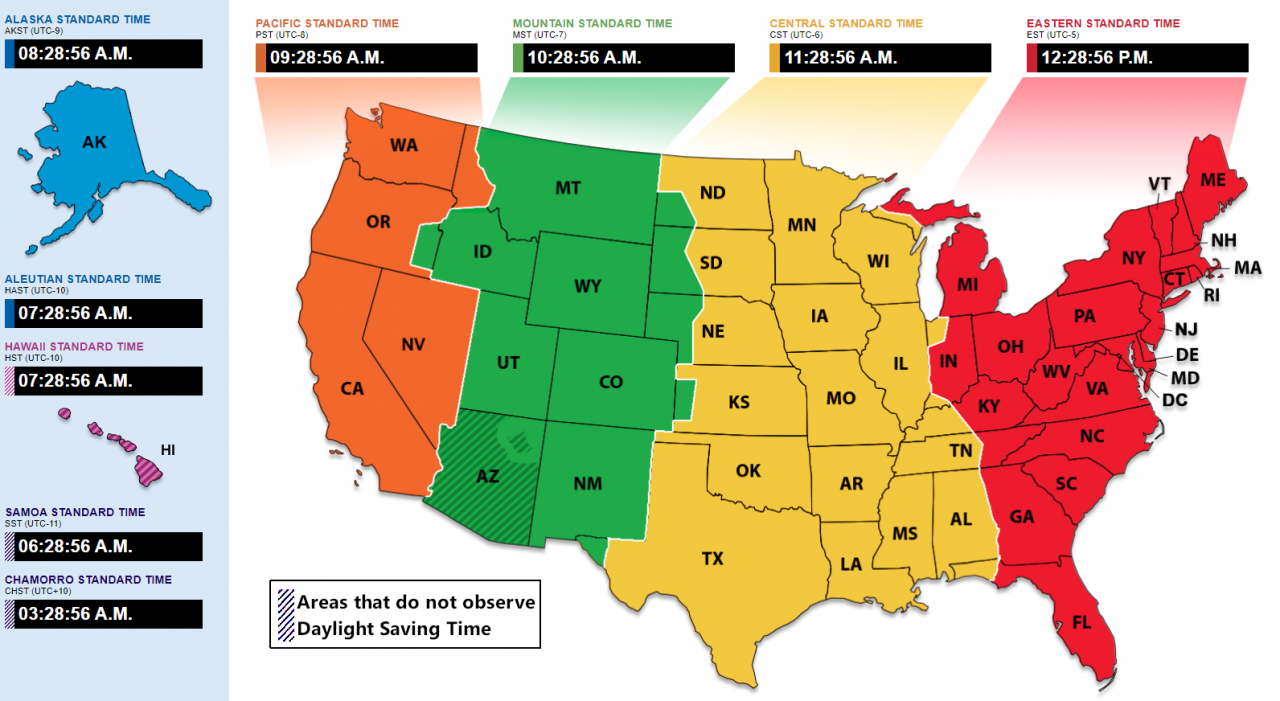
The question “Does Hawaii Daylight Savings Time?” is a common one for prospective travelers and first-time visitors planning a trip to the Aloha State. The short and unequivocal answer is no, Hawaii does not observe Daylight Saving Time (DST). This means that throughout the entire year, the state consistently operates on Hawaii-Aleutian Standard Time (HST), maintaining a steadfast rhythm that distinguishes it from most other United States territories. This unique aspect of Hawaiian life has significant implications for travel planning, daily activities, and understanding the local pace, making it a crucial piece of information for anyone embarking on a Hawaiian adventure.
For many, the biannual ritual of “springing forward” and “falling back” is an ingrained part of life. The idea of a place that remains perpetually on standard time can be a refreshing, albeit sometimes confusing, concept. In Hawaii, the sun rises and sets at predictable times, dictated solely by the changing seasons rather than an artificial shift in the clock. This consistent timekeeping is deeply woven into the fabric of the islands’ lifestyle, influencing everything from the schedules of local businesses and tourism operations to the relaxed pace of daily life for residents and long-term visitors. Understanding why Hawaii adopted this approach, and how it impacts your travel experience, is key to a seamless and enjoyable getaway.
Hawaii’s Unique Time Zone: Always on Standard Time
Hawaii’s decision to forgo Daylight Saving Time is rooted in a combination of geographical factors and historical context. Unlike many mainland regions where summer days stretch significantly longer than winter days, Hawaii’s proximity to the equator results in a relatively consistent amount of daylight throughout the year. The variation between the longest and shortest days is only about 2.5 hours, making the energy-saving or daylight-extending benefits of DST largely negligible. This constant rhythm contributes to the tranquil and consistent flow of life on the islands, reinforcing the “Aloha Spirit” where time often feels less hurried.
A Brief History of Daylight Saving Time in the United States
Daylight Saving Time was initially introduced in the United States during World War I and again during World War II, primarily as a measure to conserve energy. The modern implementation, however, largely stems from the Uniform Time Act of 1966. This federal law established a system of uniform dates for DST transitions across the country, aiming to reduce confusion and synchronize time zones. However, the Act also provided an important caveat: states could opt out of observing DST entirely, provided they did so statewide. This allowed states like Hawaii, and later Arizona (with the exception of the Navajo Nation within its borders), to choose a different path that better suited their unique circumstances.
The rationale behind DST generally revolves around maximizing daylight hours in the evening during warmer months. The idea is to shift an hour of daylight from the morning to the evening, theoretically reducing the need for artificial lighting and encouraging outdoor activities after work or school. For regions further from the equator, where seasonal daylight variations are dramatic, this can indeed have noticeable impacts. However, for a tropical archipelago like Hawaii, these benefits are minimal, or even non-existent, and the disruption of changing clocks would outweigh any perceived advantages.
Why Hawaii Opted Out
Hawaii’s decision to permanently remain on Hawaii-Aleutian Standard Time reflects a practical understanding of its geography and lifestyle. The islands are located just above the equator, meaning that the length of day and night remains relatively stable throughout the year. The earliest sunrise is around 5:50 AM in early June, and the latest is around 7:10 AM in mid-January. Similarly, sunset ranges from approximately 6:00 PM in early December to 7:20 PM in late June. This natural consistency means there’s no compelling need to artificially shift the clock to “save” daylight.
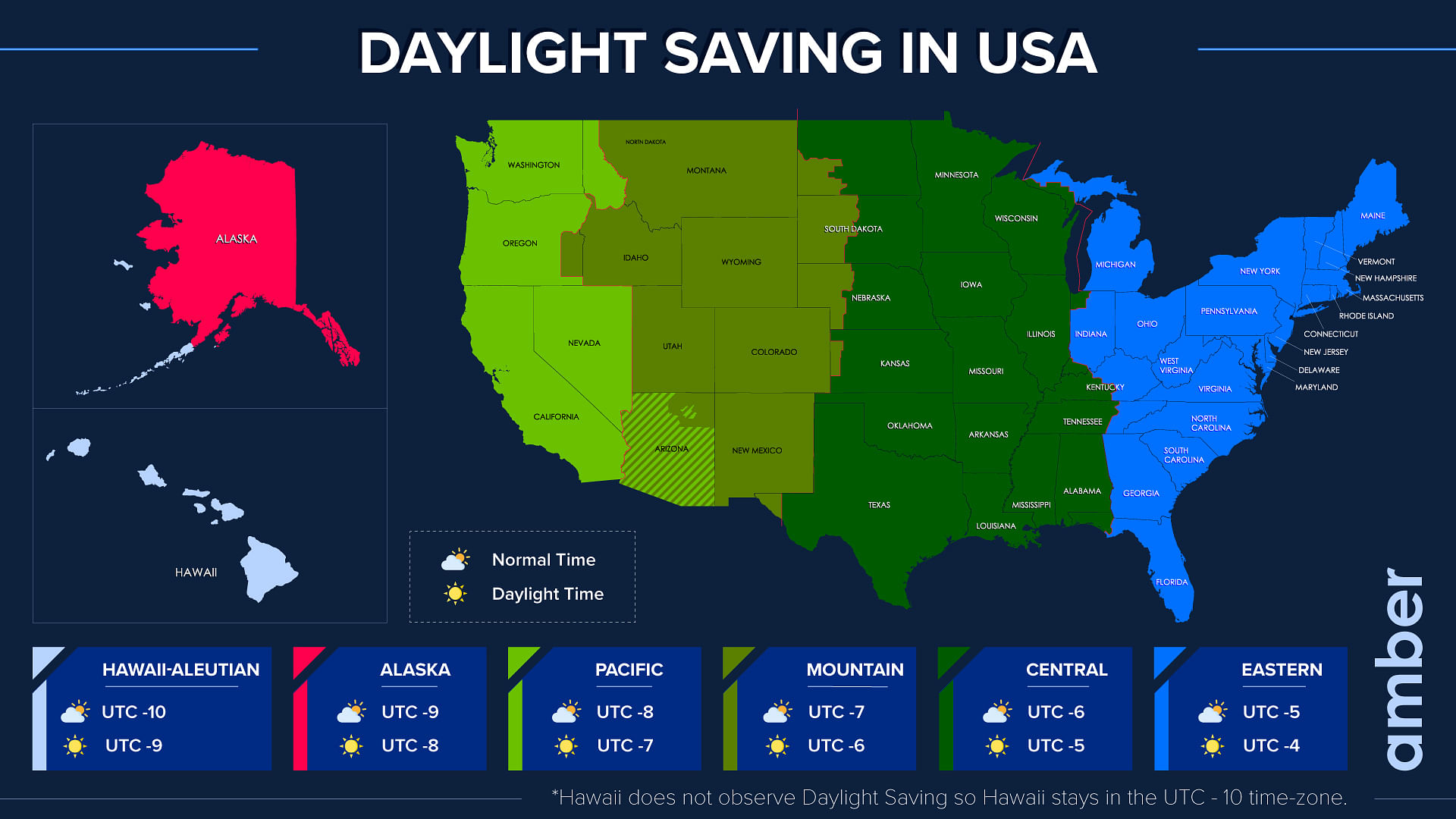
Furthermore, implementing DST would cause an even greater time difference with the mainland United States during half of the year, potentially complicating travel schedules and business communications. Imagine the already significant time gap with the East Coast (a 5-hour difference during standard time) becoming a 6-hour difference, or the West Coast (a 2-hour difference) extending to 3 hours. For a state heavily reliant on tourism and maintaining connections with the mainland, minimizing such discrepancies is often beneficial. By opting out, Hawaii maintains a predictable time difference year-round, simplifying planning for both residents and visitors. This steadfast approach to time aligns perfectly with the relaxed, unhurried pace that characterizes Hawaiian life, allowing everyone to live in harmony with the natural rhythm of the islands.
Navigating Time Differences for Travelers
Understanding Hawaii’s consistent time zone is crucial for anyone planning a trip, especially those arriving from regions that do observe Daylight Saving Time. The time difference you experience upon arrival will depend on two factors: your departure location and whether or not that location is currently observing DST. This can lead to a slightly different calculation of jet lag and scheduling depending on the time of year you visit the islands.
For instance, during the spring and summer months (when most of the mainland United States is on DST), the time difference between Hawaii and the mainland is at its greatest. If you’re coming from Pacific Standard Time (PST) zones like California or Washington State, the difference is typically two hours during standard time. However, when those states “spring forward,” the difference extends to three hours, making Hawaii three hours behind the West Coast. Similarly, the Mountain Standard Time difference goes from three to four hours, Central Standard Time from four to five hours, and Eastern Standard Time from five to six hours. This extended gap is an important consideration for travelers, affecting everything from flight arrival times to the first few days of adjusting to the island pace.
Planning Your Flights and Arrival
When booking flights to Hawaii, pay close attention to the arrival time listed on your itinerary, which will always be in Hawaii-Aleutian Standard Time (HST). It’s easy to miscalculate if you’re not used to thinking about the fixed time difference. A flight arriving at “3:00 PM Hawaiian time” might feel much later (or earlier) to your body clock, especially if you’re traveling from the East Coast and have essentially “lost” six hours of your day.
Consider arriving in Honolulu (the main hub on Oahu) or Kahului (Maui) in the late afternoon or early evening. This allows you to check into your accommodation, settle in, and perhaps enjoy a light dinner before heading to bed at a reasonable local hour. Trying to squeeze in too many activities on your arrival day can exacerbate jet lag. Many hotels, from luxurious resorts in Waikiki to cozy boutique hotels in Kona, are accustomed to helping guests adjust and may offer amenities or services to ease the transition. Always confirm your check-in times, especially if you anticipate an early arrival or late departure.
Adjusting to Hawaiian Time
Jet lag is a common companion for travelers to Hawaii, particularly those coming from far-flung time zones. The consistent nature of Hawaii-Aleutian Standard Time means you’ll consistently be adjusting to the same time difference, regardless of the time of year. For many, the strategy is to immediately adopt the local time upon arrival. Set your watch forward (or backward, depending on your origin) as soon as you step off the plane.
Exposure to natural light is one of the best remedies for jet lag. Spending time outdoors, perhaps enjoying a stroll along Waikiki Beach or exploring the grounds of your resort in Wailea, can help reset your body clock. Avoid napping too long during the day, even if you feel tired, and try to stay awake until a reasonable local bedtime. Hydration is also key; the long flight combined with Hawaii’s tropical climate can be dehydrating. Many visitors report waking up very early on their first few days. Embrace this! It’s an excellent opportunity to catch the stunning Hawaiian sunrise, enjoy a quiet morning walk, or visit popular attractions like Diamond Head or Pearl Harbor before the crowds gather.

Impact on Daily Activities and Excursions
The absence of DST in Hawaii means that sunrise and sunset times change gradually with the seasons, rather than suddenly by an hour. This predictability is a blessing for planning your daily activities and booking excursions. Whether you’re aiming for an early morning snorkeling tour off Maui, a sunset catamaran cruise off Kona, or a luau under the stars, you can rely on the natural light cycle without worrying about an arbitrary time shift.
Tour operators, activity providers, and restaurant reservations will all adhere strictly to Hawaii-Aleutian Standard Time. This eliminates the potential for confusion that can arise in DST-observing areas when transitions occur. For example, if you book a sunrise hike up Haleakala National Park on Maui, the departure time will be consistent, regardless of the month (though the actual sunrise time will still vary by season). This consistency makes it easier for tourists to plan their itineraries and maximize their time enjoying the islands’ natural beauty and cultural experiences.
The Advantages of Consistent Time in Paradise
While the concept of Daylight Saving Time may have its merits in other parts of the world, for Hawaii, the decision to remain on Hawaii-Aleutian Standard Time year-round brings a host of distinct advantages. These benefits extend beyond simple convenience, touching upon the very essence of the islands’ lifestyle, natural harmony, and streamlined tourism operations. It contributes significantly to the unique, relaxed atmosphere that draws millions of visitors to these shores annually.
Embracing the Natural Rhythm
One of the most profound advantages of Hawaii’s consistent time zone is its alignment with the natural rhythm of the tropical environment. Being close to the equator means that the sun’s position changes minimally throughout the year, resulting in relatively stable daylight hours. Without the artificial adjustment of clocks, both residents and visitors can naturally tune into the cycle of sunrise and sunset. This fosters a lifestyle that is more in tune with nature, encouraging early mornings to catch the golden hour and relaxed evenings to watch the spectacular sunsets over the Pacific Ocean.
For those seeking to escape the hustle and bustle of modern life, Hawaii’s stable time offers a grounding experience. There’s no jarring clock change to disrupt sleep patterns or daily routines, contributing to a sense of perpetual calm. It makes it easier to plan outdoor activities, from surfing lessons in Waikiki to exploring the lush trails of Kauai, knowing that the daylight hours will shift gradually with the seasons rather than abruptly. This seamless integration with the natural world is a cornerstone of the Hawaiian experience, promoting well-being and a genuine connection to the ‘āina (land).
Simplicity for Residents and Tourism
The absence of DST simplifies life across the board in Hawaii. For residents, it means no twice-yearly clock adjustments that can disrupt sleep, work schedules, or children’s routines. Businesses operate on a consistent schedule, reducing potential confusion for employees and customers alike. This seemingly small detail contributes to a smoother, more predictable daily flow, which is deeply valued in a culture that often prioritizes harmony and ease.
From a tourism perspective, this consistency is an undeniable asset. Travelers, already navigating the complexities of flight schedules and new environments, appreciate one less variable to contend with. The time difference from their home location remains constant for their entire trip, simplifying communication with family and friends back home. Booking tours, making dinner reservations, or arranging transportation is straightforward, as there’s no need to factor in a mid-vacation time change. Hotels and resorts, from the Four Seasons Resort Maui at Wailea to more budget-friendly apartments in Hilo, can maintain consistent operational hours, ensuring a seamless experience for guests.
The consistent time zone also enhances the appeal of Hawaii as a year-round destination. Whether visiting in the peak summer months or the quieter winter season, the relative constancy of daylight hours means that outdoor activities and sightseeing opportunities remain equally accessible and enjoyable. This predictability allows tourism operators to plan their offerings effectively, from popular luaus to adventurous helicopter tours, ensuring guests can always make the most of their time in paradise.
Practical Tips for Your Hawaiian Getaway
Embarking on a journey to Hawaii is an exciting prospect, and being well-prepared for its unique time zone can significantly enhance your experience. While the lack of Daylight Saving Time simplifies things in many ways, understanding the consistent time difference and how it might affect your body clock is paramount for a smooth transition into island life. Adopting a few practical strategies can help you quickly acclimate and fully immerse yourself in all the islands have to offer.
Check-in, Check-out, and Tour Schedules
When you book your accommodation, whether it’s a luxurious suite at the Grand Hyatt Kauai Resort & Spa or a charming villa in Princeville, remember that all times will be quoted in Hawaii-Aleutian Standard Time. Double-check your flight arrival time against your hotel’s standard check-in time. If you land early in the morning after a long red-eye flight, your room might not be ready until the afternoon. Many hotels in tourist hubs like Kaanapali Beach on Maui or Waikiki on Oahu offer luggage storage, allowing you to start exploring or relax by the pool until your room is available. Similarly, plan your departure day around check-out times, often around 11:00 AM or noon.
For tours and activities, always note the local start time. A morning surf lesson at 8:00 AM or an afternoon excursion to Hawaii Volcanoes National Park on the Big Island will adhere strictly to HST. Use your smartphone’s world clock function to easily compare Hawaii time with your home time zone before your trip and throughout your stay. This simple habit can prevent missed bookings or unnecessary rush, ensuring your experience with local tourism operators is seamless.
Maximizing Your Daylight Hours
Despite the consistent time, the natural cycle of day and night in Hawaii still offers plenty of daylight to enjoy. Embrace the early mornings, especially if you’re experiencing jet lag. The quiet beauty of sunrise over the Pacific Ocean from your lanai or a tranquil walk on the beach before the crowds arrive is a truly magical experience. This is also the perfect time to visit popular landmarks like the USS Arizona Memorial at Pearl Harbor or to embark on the famous Road to Hana on Maui, allowing you to beat the mid-day rush.
Evenings, with their consistent sunset times, are perfect for enjoying outdoor dining, attending a vibrant luau, or simply relaxing and stargazing. The predictable twilight allows for leisurely planning of sunset cruises, beachfront dinners, or exploring local night markets. Remember that while the clocks don’t change, the sun still sets earlier in winter months compared to summer. Always check local sunrise/sunset times for your specific travel dates to perfectly time your outdoor activities and photographic opportunities.
Ultimately, Hawaii’s steadfast adherence to Hawaii-Aleutian Standard Time is part of its charm. It reinforces the islands’ unique identity, offering a consistent and harmonious backdrop for an unforgettable travel experience. By understanding this aspect of Hawaiian lifestyle, you’re better prepared to relax, adjust, and fully immerse yourself in the natural rhythms of paradise. So, leave your “spring forward” and “fall back” worries behind, and get ready to enjoy the timeless beauty of Hawaii, precisely on time, all year round.
LifeOutOfTheBox is a participant in the Amazon Services LLC Associates Program, an affiliate advertising program designed to provide a means for sites to earn advertising fees by advertising and linking to Amazon.com. Amazon, the Amazon logo, AmazonSupply, and the AmazonSupply logo are trademarks of Amazon.com, Inc. or its affiliates. As an Amazon Associate we earn affiliate commissions from qualifying purchases.