
For travelers planning a dream vacation to the sun-kissed shores of Hawaii, or for anyone simply curious about timekeeping in paradise, one question often arises: Does Hawaii observe Daylight Saving Time (DST)? The answer is a resounding no. Unlike most of the continental USA, the Aloha State maintains a consistent time year-round, operating exclusively on Hawaii Standard Time (HST). This unique characteristic significantly impacts travel planning, communication, and even the rhythm of daily life across the islands.
Understanding Hawaii’s approach to time is essential for a seamless travel experience, whether you’re coordinating flights, booking a tour, or simply trying to call family back home. This article delves into the specifics of HST, its implications for visitors, the reasons behind Hawaii’s exemption from DST, and how this consistency contributes to the islands’ laid-back charm.
Hawaii’s Consistent Time Zone: Hawaii Standard Time (HST)
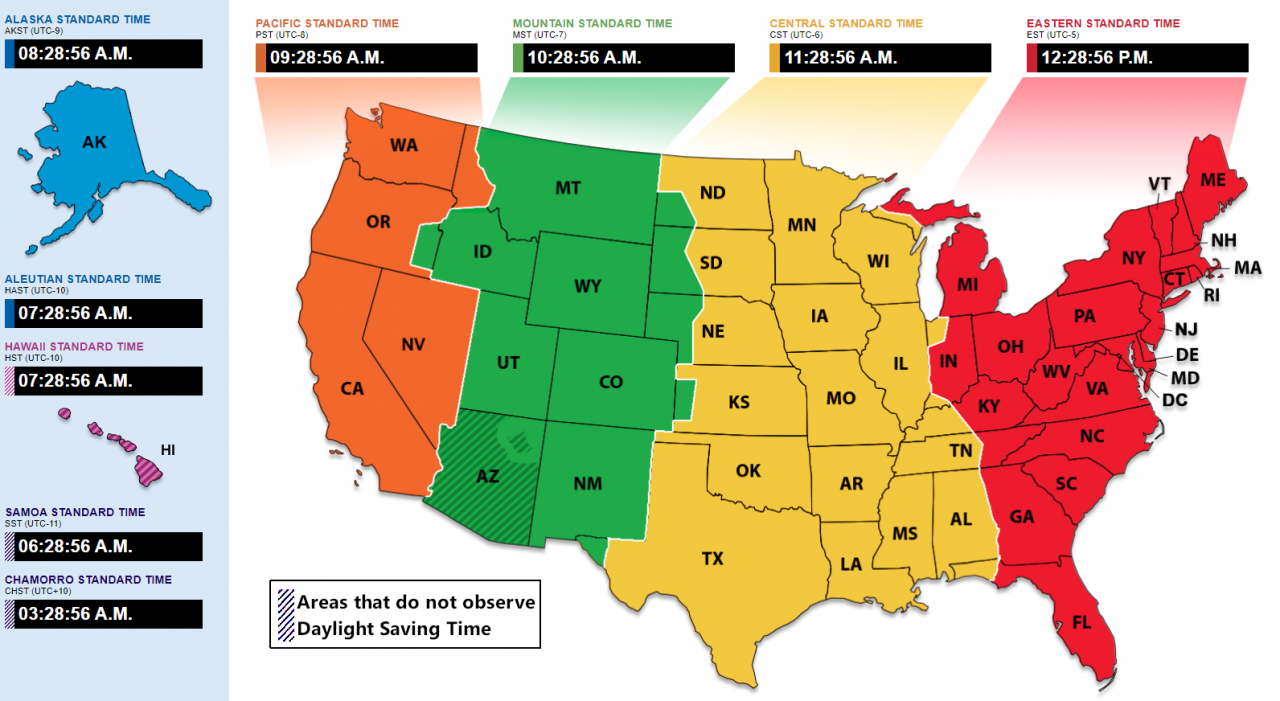
Hawaii operates on Hawaii Standard Time (HST) throughout the entire year. HST is Greenwich Mean Time (GMT) or Coordinated Universal Time (UTC) minus ten hours (UTC-10). This means that when it’s noon in Honolulu, it’s 10 PM GMT/UTC. What makes this particularly notable is the absence of any seasonal adjustments. While most regions that observe DST “spring forward” in March and “fall back” in November, Hawaii’s clocks remain untouched.
The primary reason for this exemption lies in Hawaii’s geographical location. Situated near the equator, the islands experience relatively consistent daylight hours throughout the year. The difference between the longest day in summer and the shortest day in winter is minimal compared to higher latitudes on the mainland. For instance, in Honolulu, the sun rises around 6:00 AM and sets around 6:45 PM in the summer, while in winter, sunrise is around 7:00 AM and sunset around 5:45 PM. This natural consistency means there’s no practical benefit to shifting the clocks to extend daylight into the evening, as the underlying purpose of DST—to make better use of daylight and save energy—doesn’t apply effectively here.
This year-round consistency on HST provides a predictable rhythm to life in Hawaii, influencing everything from school schedules to business hours and tourism activities. For locals, it eliminates the biannual disruption of adjusting to new sleep patterns, while for visitors, it removes one layer of potential confusion during their stay.
Understanding the Lack of Seasonal Variation
To further illustrate why DST isn’t necessary for Hawaii, consider the concept of daylight duration. In places like New York or California, summer days can boast over 14 hours of daylight, while winter days might offer less than 10. DST pushes an hour of morning daylight into the evening during the brighter months, which theoretically saves energy by reducing the need for artificial lighting.
In Hawaii, however, the daylight duration rarely deviates significantly from 12 hours. This stable pattern means that pushing an hour of light around wouldn’t yield the same energy-saving or lifestyle benefits seen in more temperate zones. Instead, it would simply shift the sunrise and sunset times by an hour without fundamentally altering the overall availability of natural light in a meaningful way. This ecological and geographical reality is at the heart of Hawaii’s long-standing decision to opt out of the national DST tradition.
Navigating Time Differences for Travelers
While Hawaii’s consistent time is a blessing for locals, it can present a unique challenge for visitors, particularly those arriving from the mainland USA or other countries that observe Daylight Saving Time. The time difference between Hawaii and other regions will fluctuate depending on whether those regions are currently observing DST.
For instance, during the summer months when most of the USA is on DST:
- Pacific Time (PDT): Hawaii is 3 hours behind (e.g., 12 PM HST = 3 PM PDT in Los Angeles).
- Mountain Time (MDT): Hawaii is 4 hours behind (e.g., 12 PM HST = 4 PM MDT in Denver).
- Central Time (CDT): Hawaii is 5 hours behind (e.g., 12 PM HST = 5 PM CDT in Chicago).
- Eastern Time (EDT): Hawaii is 6 hours behind (e.g., 12 PM HST = 6 PM EDT in New York).
During the winter months, when the mainland reverts to Standard Time:
- Pacific Time (PST): Hawaii is 2 hours behind (e.g., 12 PM HST = 2 PM PST).
- Mountain Time (MST): Hawaii is 3 hours behind (e.g., 12 PM HST = 3 PM MST).
- Central Time (CST): Hawaii is 4 hours behind (e.g., 12 PM HST = 4 PM CST).
- Eastern Time (EST): Hawaii is 5 hours behind (e.g., 12 PM HST = 5 PM EST).
This fluctuation means that the time difference shifts by an hour twice a year, which can be a point of confusion for those accustomed to a fixed time zone difference. Planning ahead and double-checking time differences, especially when making bookings or scheduling communications, is key to a stress-free trip.
Planning Your Arrival and Departure
For travelers, the varying time difference primarily impacts flight schedules and initial acclimatization. A flight departing Los Angeles at 9:00 AM PDT might arrive in Honolulu at 12:00 PM HST, essentially giving you “more time” in your travel day. Conversely, the return journey often feels shorter. This time shift is a significant contributor to jet lag for many arriving visitors. It’s advisable to factor in an extra day to adjust to Hawaii’s time zone before embarking on strenuous activities or early morning excursions.
When booking accommodations, whether it’s a luxurious suite at the Grand Wailea Resort on Maui or a cozy villa near Poipu Beach on Kauai, be mindful of check-in and check-out times relative to your departure city. Many hotels, such as the Hyatt Regency Waikiki Beach Resort or the Marriott’s Ko Olina Beach Club, cater to an international clientele and are accustomed to assisting guests with time zone adjustments, but it’s always best to be informed yourself.
Managing Business and Remote Work
For digital nomads, business travelers, or those needing to stay connected with work or family back home, understanding Hawaii’s consistent time difference is paramount. Scheduling video calls or meetings can be tricky. For example, a 9:00 AM EST meeting becomes a 4:00 AM HST meeting during DST, or a 5:00 AM HST meeting during standard time. This often means adjusting your own schedule to accommodate mainland business hours, which can affect your ability to fully immerse yourself in Hawaii’s relaxed lifestyle. Utilizing world clock apps and clearly communicating your time zone availability are indispensable tools for managing these demands effectively.
The Rationale Behind Hawaii’s DST Exemption

Hawaii’s decision to forego Daylight Saving Time is rooted in practical considerations and its unique geographic position. When the Uniform Time Act of 1966 standardized DST across the USA, it also provided a provision for states to opt out. Hawaii, along with Arizona (with the exception of the Navajo Nation), chose this exemption. The primary argument against adopting DST in Hawaii was, and remains, the negligible benefit it would provide.
The traditional purpose of DST, often attributed to wartime efforts or energy conservation, aims to extend daylight into the evening during the longer days of summer. This is particularly effective in temperate regions where summer days can be significantly longer than winter days. By shifting an hour of morning light to the evening, people theoretically use less artificial lighting after work or school, leading to energy savings.
However, as discussed, Hawaii’s equatorial proximity means that sunrise and sunset times do not vary significantly throughout the year. The sun always rises and sets relatively close to 6:00 AM and 6:00 PM, respectively. Therefore, implementing DST would simply shift the clock by an hour, making the sun rise at 7:00 AM instead of 6:00 AM (during the DST period). This would mean darker mornings for those starting their day early, with little compensatory benefit for evening activities that already enjoy ample natural light. The disruption to daily routines, without a tangible advantage, made DST an impractical choice for the islands.
Furthermore, Hawaii’s strong connection to its natural environment and traditional Hawaiian culture often emphasizes living in harmony with the sun’s natural rhythm. A fixed time zone allows for a more consistent schedule aligned with the natural cycle of day and night, which resonates deeply with the local lifestyle. This pragmatic approach underscores Hawaii’s independence in timekeeping, reflecting its unique position both geographically and culturally within the United States.
Impact on Local Life and Tourism
The absence of Daylight Saving Time profoundly shapes both local life and the tourism experience in Hawaii. For residents, it means a stable daily rhythm, free from the biannual time change that can disrupt sleep patterns, school schedules, and business operations elsewhere. This consistency contributes to the islands’ famously relaxed pace, where life often feels more aligned with natural daylight.
From a tourism perspective, Hawaii’s consistent time zone simplifies many aspects of a visitor’s trip. While the initial adjustment to HST can lead to jet lag, once settled, visitors benefit from a predictable schedule. There’s no confusion about when to “spring forward” or “fall back” during their stay. This is particularly helpful when planning activities that rely on specific times, such as sunrise hikes up Diamond Head on Oahu, sunset cruises from Waikiki Beach, or early morning surfing lessons in Maui.
Local businesses, from charming boutiques in Lahaina to bustling markets in Hilo, operate on a fixed schedule that rarely changes with the seasons. This predictability is a subtle but significant factor in the smooth operation of Hawaii’s vibrant tourism industry, which heavily relies on clear communication and consistent services.
Enjoying Hawaii’s Natural Rhythm
The stable timing of sunrise and sunset allows visitors to easily plan their days around Hawaii’s natural beauty. Early risers can consistently catch breathtaking sunrises over the Pacific Ocean without checking for time shifts. Likewise, sunset enthusiasts can reliably plan their evening dinners or strolls along beaches like Kaanapali or Kona to coincide with the golden hour, creating unforgettable photographic opportunities and romantic moments.
This consistency also extends to popular attractions such as Pearl Harbor or the Polynesian Cultural Center, where tour times and show schedules remain steady regardless of the time of year. For outdoor activities like hiking Waimea Canyon on Kauai, exploring the volcanic landscapes of the Big Island, or driving the scenic Hana Highway on Maui, having a predictable amount of daylight simplifies planning and ensures safety.
A Seamless Travel Experience
Ultimately, Hawaii’s non-observance of DST contributes to a seamless and relaxing travel experience. Once visitors adjust to HST, they can fully embrace the rhythm of the islands without the added mental burden of remembering time changes. This allows for a deeper immersion into the local culture, whether it’s enjoying a luau, learning to surf, or simply unwinding by the pool at a luxurious resort.
The focus shifts from timekeeping complexities to the pure enjoyment of Hawaii’s stunning landscapes, vibrant culture, and unparalleled hospitality. The simplicity of a consistent time zone is a subtle yet significant ingredient in the recipe for a truly unforgettable Hawaiian getaway, allowing visitors to leave their worries—and their clock-adjusting habits—behind on the mainland.
Beyond Hawaii: Other Regions Exempt from DST
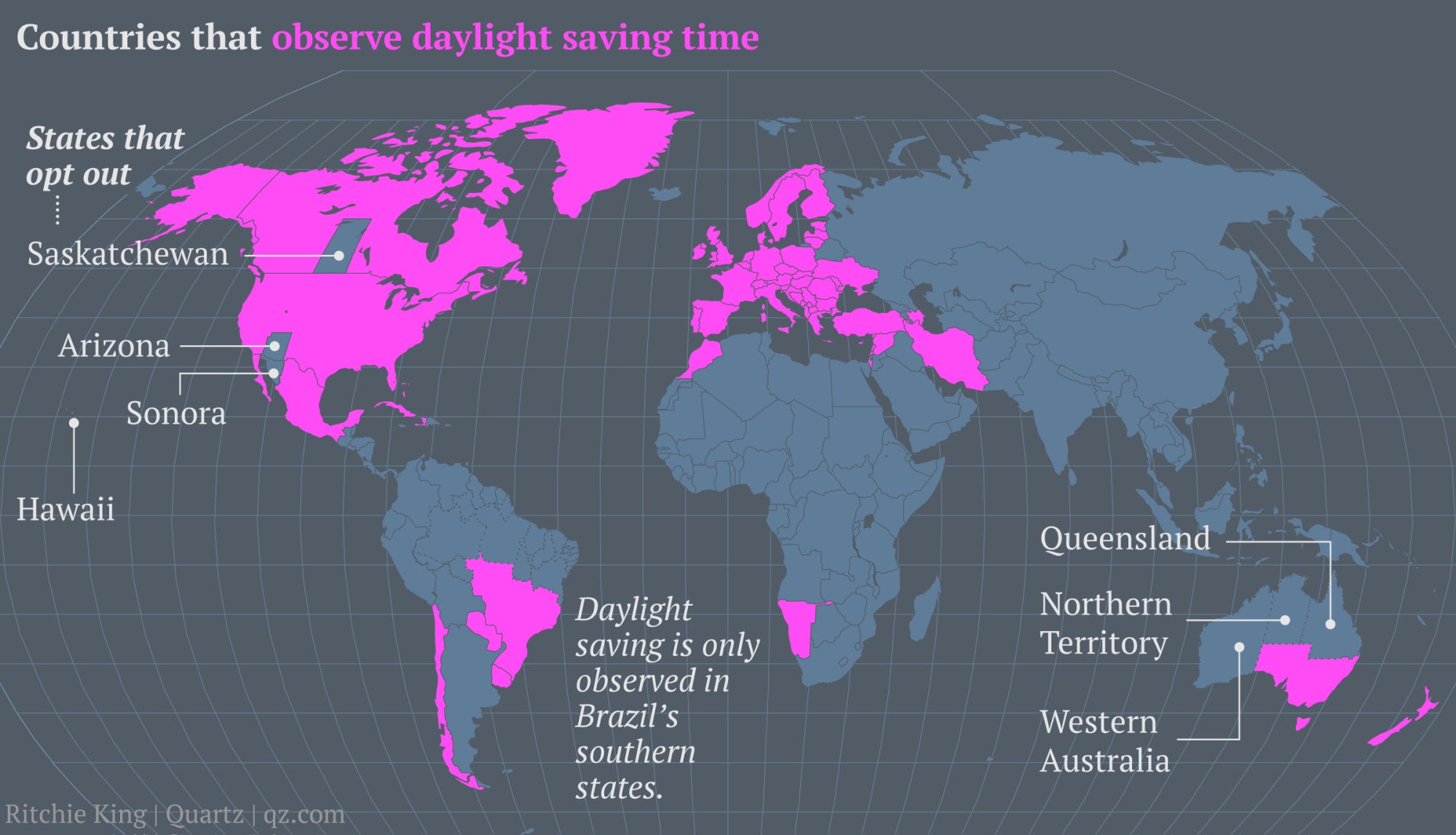
Hawaii is not alone in its decision to forgo Daylight Saving Time. Within the United States and its territories, several other regions also maintain a consistent time year-round, primarily due to similar geographical or practical considerations.
The most notable example on the mainland is most of Arizona. Like Hawaii, Arizona’s desert climate means that extending daylight hours into the evening would simply prolong the hottest part of the day, making evening activities less comfortable and potentially increasing energy consumption for air conditioning. The only exception within Arizona is the Navajo Nation, which spans multiple states and observes DST to align its time with the surrounding regions and other parts of the Navajo Nation.
Furthermore, several U.S. territories in the Pacific Ocean and the Atlantic Ocean also do not observe DST. These include:
- Puerto Rico
- Guam
- American Samoa
- U.S. Virgin Islands
- Northern Mariana Islands
These regions, similar to Hawaii, are located in tropical or subtropical zones where seasonal variations in daylight hours are minimal. The benefits of DST, such as energy savings or optimizing evening daylight, do not apply to the same extent as they do in higher latitudes. Therefore, maintaining a consistent time zone simplifies local life and reduces unnecessary disruptions.
Globally, many countries near the equator also do not observe Daylight Saving Time for the same reasons. Countries in South America, Africa, and parts of Asia and Oceania that are close to the equator find no practical advantage in adjusting their clocks. This highlights a universal understanding that DST is a solution tailored to specific geographical conditions, not a universally beneficial practice.
In conclusion, Hawaii’s choice to remain on Hawaii Standard Time year-round is a practical decision rooted in its unique geographical position. This consistency, shared by a few other regions, simplifies daily life for residents and offers a straightforward time-planning environment for visitors. While requiring an initial mental adjustment for those coming from DST-observing areas, it ultimately contributes to the seamless and naturally rhythmic experience that defines a vacation in the Hawaiian Islands. When planning your next escape to paradise, remember that Hawaii’s time is always a constant, allowing you to focus on the moments, not the minutes.
LifeOutOfTheBox is a participant in the Amazon Services LLC Associates Program, an affiliate advertising program designed to provide a means for sites to earn advertising fees by advertising and linking to Amazon.com. Amazon, the Amazon logo, AmazonSupply, and the AmazonSupply logo are trademarks of Amazon.com, Inc. or its affiliates. As an Amazon Associate we earn affiliate commissions from qualifying purchases.