
When planning a dream vacation to the breathtaking islands of Hawaii, the allure of sun-drenched beaches, lush volcanic landscapes, and vibrant local culture often takes center stage. As you meticulously map out your itinerary, from booking your stay at a luxurious resort on Maui to exploring the historic sites of Oahu, a crucial, albeit less glamorous, aspect of travel budgeting often surfaces: taxes. Specifically, many travelers wonder, “Does Hawaii have sales tax?” The answer, as with many things in the Aloha State, is nuanced and requires a clear understanding to avoid any budgetary surprises during your trip.
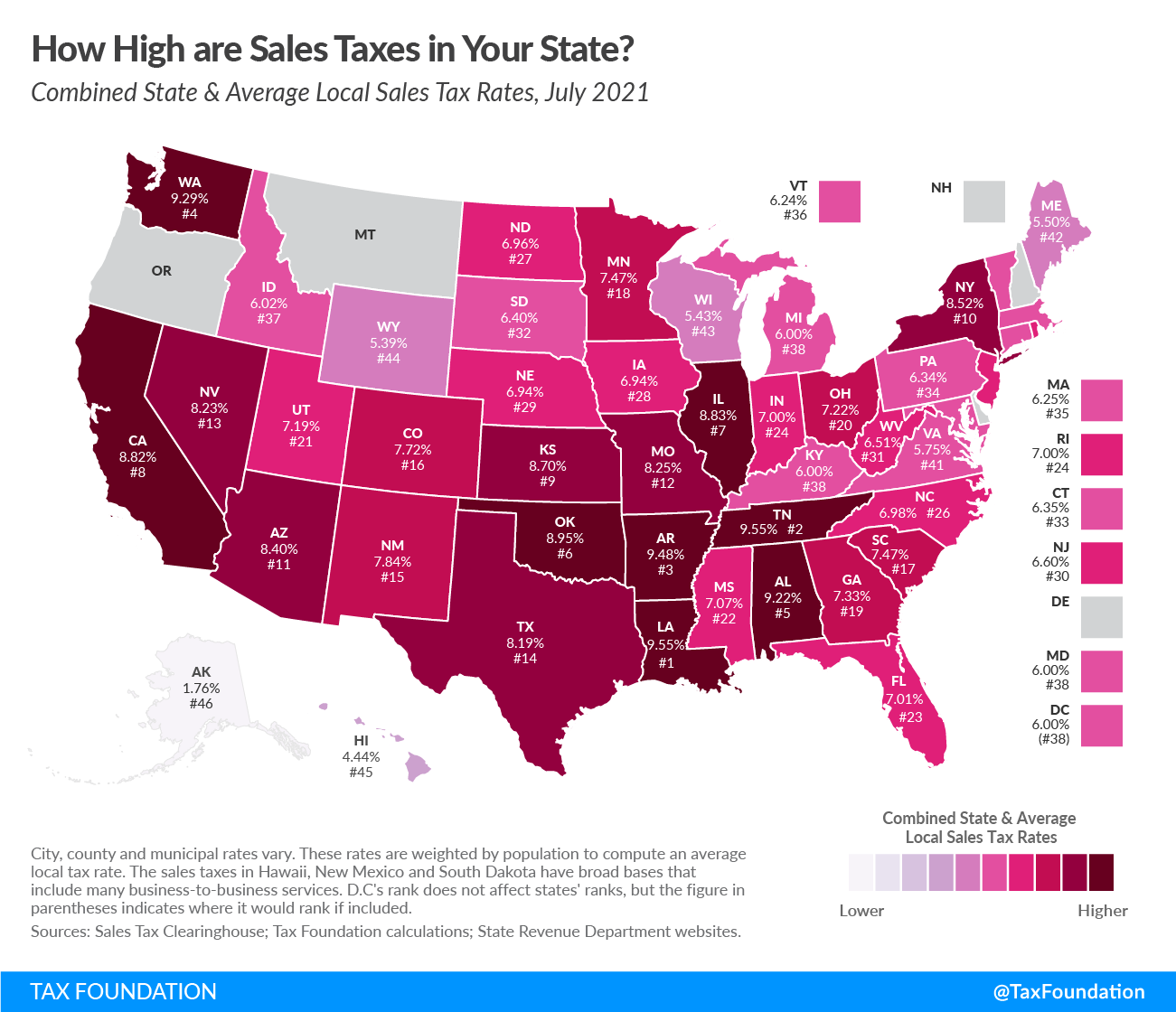
While Hawaii doesn’t have a traditional “sales tax” in the same way that many other states in the United States do, it certainly levies taxes on goods and services that will impact your spending. Understanding these tax structures is vital for both short-term visitors and those considering a longer stay or even relocation. This comprehensive guide will delve into the specifics of Hawaii’s taxation, focusing on how it affects your travel expenses, from your hotel bills to your souvenir purchases.
Understanding Hawaii’s General Excise Tax (GET) and Transient Accommodations Tax (TAT)
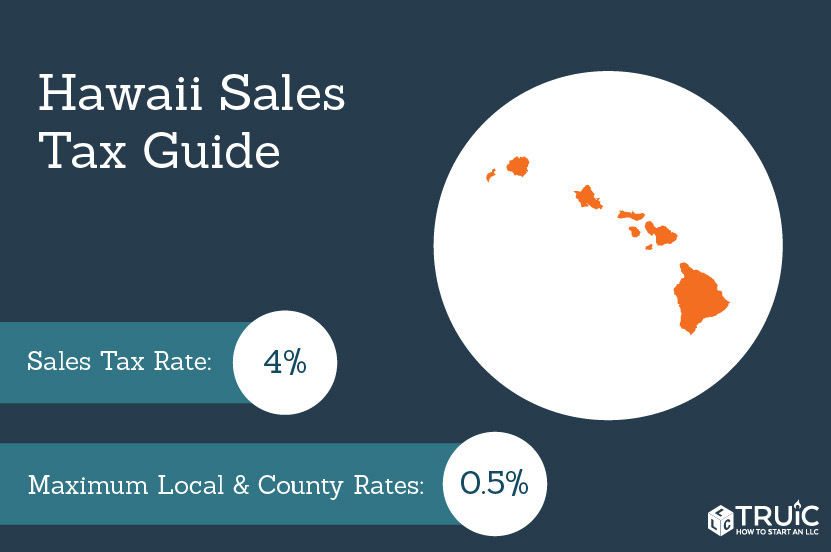
Instead of a state sales tax, Hawaii operates under a different system. The primary tax that functions similarly to a sales tax is the General Excise Tax (GET). This tax is levied on the gross revenue of most businesses operating within the state. This means that when you purchase goods or services, the cost you see often already includes the GET, as businesses are required to remit it to the state. The GET rate varies depending on the type of business and the nature of the transaction. For most retail sales, the GET rate is 4%. However, for certain services and wholesale transactions, the rate can be higher, up to 4.71%.
Beyond the GET, a significant tax that directly impacts travelers is the Transient Accommodations Tax (TAT). This tax is specifically levied on short-term rentals, including hotel rooms, vacation rentals, and timeshare units. The TAT is a crucial component of Hawaii’s tourism revenue and contributes to funding state services and infrastructure that benefit both residents and visitors. The TAT rate is generally 10.25% and is added on top of the room rate. This means that when you book your accommodation at a place like the Grand Hyatt Hotel or a charming villa in Kauai, you should anticipate this additional charge.
The Nuances of GET and TAT for Travelers
The interplay between the GET and the TAT can sometimes cause confusion. While the GET applies to the gross revenue of the business, the TAT is a specific tax on the rental of accommodations to transient occupants (people staying for less than 180 consecutive days). This means that a hotel will collect both the GET on its overall revenue (which includes revenue from room rentals) and the TAT on the room rental itself.
For the average traveler, this translates to an increased cost for goods and services. The price displayed in a shop might appear to be the final price, but it likely has the GET incorporated. However, when it comes to accommodation, the TAT is almost always itemized separately on your bill. This is why it’s essential to look beyond the advertised nightly rate when comparing prices for hotels and other lodging options. A seemingly lower nightly rate at one resort could end up being more expensive overall once the TAT and other applicable fees are factored in.
Furthermore, it’s important to note that local counties in Hawaii can also impose their own additional taxes, sometimes referred to as County Transient Accommodations Taxes. These can further increase the overall cost of your stay. For example, Honolulu on Oahu might have slightly different tax structures compared to Maui or the Island of Hawaii. Always check the specific tax breakdown provided by your accommodation provider to get a precise understanding of the total cost.
Local Taxes and How They Affect Your Spending
Beyond the state-level GET and TAT, understanding local tax nuances is also beneficial. While the GET applies statewide, the application and rates can have subtle differences across the islands, especially concerning specific types of businesses or services.
The Impact on Dining and Activities
When you’re enjoying a delicious plate lunch from a local eatery or embarking on an exciting snorkeling tour off the coast of Molokai, you’ll be interacting with the GET. As mentioned, the 4% GET is typically built into the price of most goods and services. This means that a luau experience or a guided tour of Volcanoes National Park will reflect this tax in its advertised price.
However, it’s worth remembering that some services might fall under different GET categories with slightly varied rates. For instance, transportation services might have a different rate than retail sales. While these differences are usually minor for the individual traveler, they contribute to the overall tax revenue that supports the state’s infrastructure and public services, which in turn enhance the visitor experience.
Shopping for Souvenirs
Hawaii is renowned for its unique local crafts, macadamia nuts, and other tropical treats, making souvenir shopping a must for many visitors. The GET applies to these purchases as well. So, when you’re picking up a handcrafted lei or a bottle of local Kona coffee, the price you see will likely include the 4% GET. This is a consistent tax across all retail purchases throughout the islands.
For those looking to bring home a piece of Hawaii, understanding this ensures you can budget accordingly. While the GET is a relatively low percentage, it can add up on larger purchases.
Beyond the Basic Taxes: Understanding Other Fees and Considerations
While the GET and TAT are the primary taxes you’ll encounter as a tourist in Hawaii, there are other fees and considerations that can impact your overall travel budget. These are often not strictly “taxes” but are charges levied by businesses or the government that contribute to the cost of your trip.
Parking Fees and Resort Fees
Many hotels and resorts, particularly those in popular tourist areas like Waikiki on Oahu or Ka’anapali on Maui, charge resort fees. These fees are intended to cover amenities and services offered by the property, such as Wi-Fi, beach access, or fitness centers. While not a direct tax, they are an additional mandatory charge that can significantly increase the cost of your stay. It’s crucial to factor these fees into your budget when comparing accommodation options. Similarly, parking fees at hotels and attractions can add up, especially in densely populated tourist zones.
Car Rental Taxes and Fees
If you plan to explore the islands at your own pace, renting a car is a popular choice. Rental car companies in Hawaii are subject to various taxes and fees, including the GET. Additionally, there might be specific airport concession fees if you pick up your car at the airport. These charges will be added to your rental bill, so it’s wise to get a full breakdown of all anticipated costs when booking your vehicle.
Understanding Exemptions and Specific Cases
While the GET and TAT are broadly applied, there can be some specific exemptions or situations where different tax rules apply. For instance, certain non-profit organizations or government entities might have different tax obligations. For most tourists, however, these exceptions are unlikely to be relevant. The most common and impactful taxes remain the GET on general purchases and the TAT on accommodations.
Tips for Budgeting and Avoiding Surprises
The best way to navigate Hawaii‘s tax landscape is to be informed and proactive.
- Factor in the TAT for Accommodation: Always add the 10.25% TAT (and any potential county taxes) to the advertised room rate when budgeting for hotels, condos, or vacation rentals.
- Be Aware of Resort Fees and Parking: Research and understand any resort fees or parking charges associated with your accommodation and planned activities.
- Read Your Bills Carefully: When checking out of your hotel or paying for services, take a moment to review your bill and ensure you understand all the charges.
- Budget for Daily Expenses: While the GET is often included, it’s wise to have a slight buffer in your daily budget for snacks, drinks, and impulse purchases.
- Research Local County Taxes: If you are staying in a specific county for an extended period or plan to utilize local services extensively, it might be worth checking if there are any unique local taxes that could apply.
By understanding the tax structures in place in Hawaii, you can confidently plan your budget and fully immerse yourself in the magic of the islands without encountering any unwelcome financial surprises. From the stunning beaches of Lanai to the vibrant city life of Honolulu, Hawaii offers an unforgettable experience, and a little tax savvy will only enhance your journey.