
For travelers planning a dream getaway to the captivating islands of Hawaii, understanding local customs and logistical nuances is key to a seamless experience. Among the many questions that frequently arise, one common query often surfaces: “Does Hawaii observe Daylight Saving Time?” The answer is a resounding no. The Aloha State proudly maintains its unique Hawaii Standard Time (HST) throughout the year, eschewing the biannual clock adjustments that characterize most of the United States. This steadfast commitment to a consistent time zone not only simplifies daily life for residents but also presents an interesting aspect for visitors to consider as they plan their island adventures, from navigating flight schedules to embracing the leisurely pace of island living.
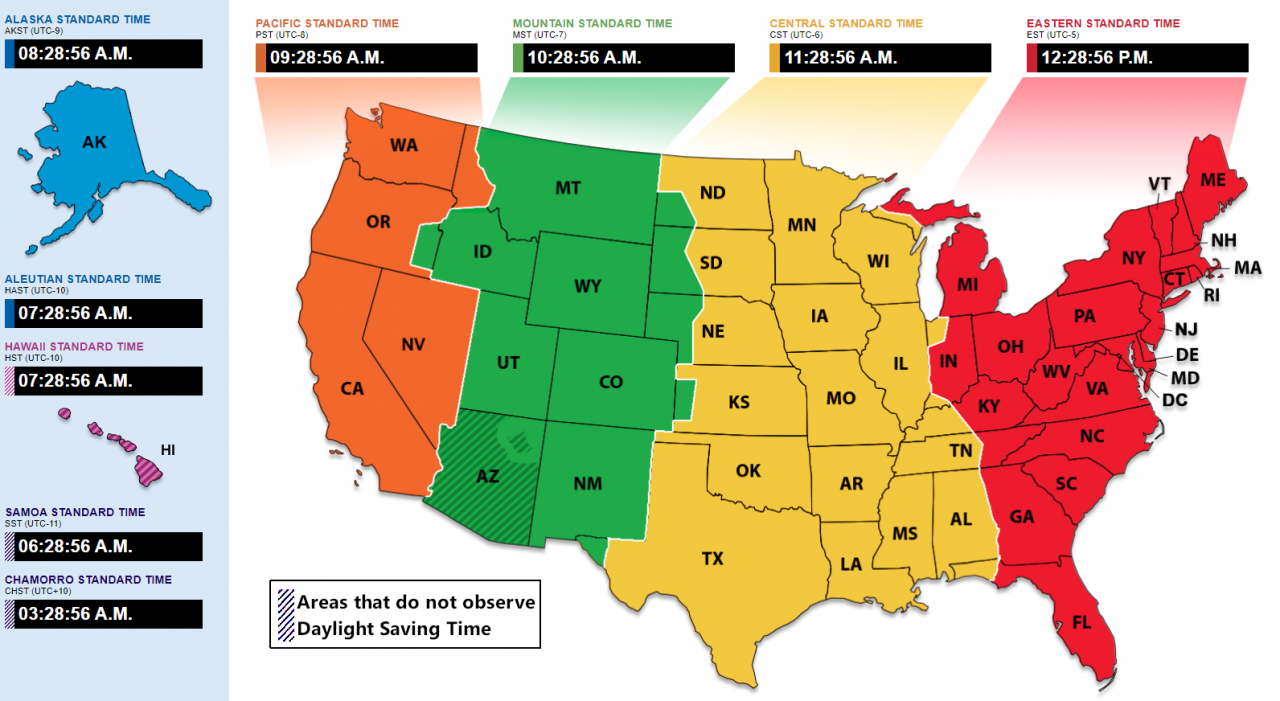
This consistent time standard plays a significant role in the overall Hawaiian lifestyle and profoundly impacts how visitors interact with the islands, from sunrise to sunset. While the absence of Daylight Saving Time might seem like a minor detail, it carries implications for everything from managing jet lag to coordinating with loved ones back on the mainland. Understanding Hawaii’s time zone policy is an essential piece of knowledge for any discerning traveler looking to fully immerse themselves in the unique rhythm of this tropical paradise.
Hawaii’s Unique Time Standard: A Step Back in Time (Literally)
The decision by Hawaii to opt out of Daylight Saving Time is deeply rooted in logic and practicality, shaped by its geographical location and the lifestyle preferences of its inhabitants. Unlike many mainland states that experience drastic seasonal shifts in daylight hours, Hawaii’s proximity to the equator means its daylight hours remain relatively consistent throughout the year. The sun rises and sets at fairly predictable times, with only minor variations between summer and winter. This natural consistency negates the primary purpose of Daylight Saving Time, which is to extend daylight into the evening during warmer months.
Understanding Hawaii Standard Time (HST)
Hawaii Standard Time (HST) is GMT-10, meaning it is ten hours behind Coordinated Universal Time. When most of the United States “springs forward” for Daylight Saving Time, Hawaii’s time difference with the mainland expands. For example, during the period when Daylight Saving Time is observed:
- Pacific Daylight Time (PDT) (e.g., California, Washington) is three hours ahead of HST. So, if it’s 10:00 AM in Honolulu, it’s 1:00 PM in Los Angeles.
- Mountain Daylight Time (MDT) (e.g., Colorado, Arizona – though Arizona largely doesn’t observe DST) is four hours ahead of HST.
- Central Daylight Time (CDT) (e.g., Illinois, Texas) is five hours ahead of HST.
- Eastern Daylight Time (EDT) (e.g., New York, Florida) is six hours ahead of HST.
When Daylight Saving Time ends and clocks “fall back,” the time differences shrink by an hour, returning to their “standard” gaps. For instance, Pacific Standard Time (PST) is two hours ahead of HST. This continuous shift in time zones relative to the mainland can be a point of confusion for first-time visitors, necessitating careful planning, especially regarding flights and communications.
The Historical Rationale Behind Hawaii’s Choice
Hawaii’s exemption from Daylight Saving Time is not an arbitrary decision but a long-standing policy supported by practical and historical reasoning. When the Uniform Time Act was passed in 1966, mandating Daylight Saving Time for the entire United States, it included provisions for states to opt out by passing their own legislation. Hawaii, along with most of Arizona and parts of Indiana at the time, chose to exercise this option.
The consistent daylight hours near the equator meant that shifting the clocks would offer no real benefit in terms of energy savings or extended evening light. Instead, it would merely disrupt routines, complicate business dealings with international partners (like Japan, which also doesn’t observe DST), and create unnecessary confusion for a state heavily reliant on tourism. Maintaining a fixed time year-round simplifies scheduling for tour operators, attractions, and airlines, contributing to a smoother experience for both residents and the millions of visitors who flock to the islands annually. The decision reflects a pragmatic approach to timekeeping that prioritizes stability and aligns with the natural rhythms of the tropical environment.
Navigating Time Differences: What Travelers Need to Know
For travelers journeying to Hawaii, understanding the perpetual time difference is crucial for a smooth arrival and an enjoyable stay. It impacts everything from flight schedules to communication with those back home and, most importantly, your body’s adjustment to the local rhythm. Being prepared for this temporal shift can significantly enhance your travel experience and help you quickly settle into the laid-back Hawaiian lifestyle.
Impact on Flights and Arrival Times
When booking flights to Hawaii, particularly from the mainland United States, travelers must pay close attention to the time zone conversions. Flight schedules will typically display times in local departure and arrival zones. For example, a flight departing Los Angeles at 9:00 AM PDT might arrive in Honolulu at 12:00 PM HST, even though the flight duration is closer to five or six hours. The “lost” hours are accounted for by the time zone difference.
It’s vital to double-check all reservation details and gate times, especially during the spring and fall transitions when Daylight Saving Time begins or ends on the mainland. A common mistake is to miscalculate arrival times based on your departure time zone, leading to potential confusion or missed connections if you are planning onward travel between islands like Oahu, Maui, or Kauai. Always set your devices to Hawaii Standard Time as soon as you depart to begin your mental adjustment and ensure accurate scheduling for your island activities.
Communicating with the Mainland U.S.
Maintaining contact with friends, family, or business associates on the mainland requires a conscious awareness of the time difference. During Daylight Saving Time, the gap can be as much as six hours with the East Coast. This means that a morning call from Hawaii could be late afternoon or early evening on the Eastern Seaboard, potentially disrupting schedules. Similarly, trying to reach someone on the West Coast in the evening from Hawaii might mean calling them very late at night or even into the early morning hours.
To avoid inconvenient call times, it’s advisable to factor in the time zone differences. For instance, if you want to call someone on the East Coast during their business hours (9 AM – 5 PM EDT), you’d need to make that call between 3 AM and 11 AM HST. Planning ahead ensures that you can communicate effectively without causing unnecessary disruptions. Modern smartphones and smartwatches automatically adjust to local time zones, but it’s always wise to manually confirm and perhaps keep a small note or mental reminder of the current time on the mainland.
Adjusting to the Island Rhythm: Minimizing Jet Lag
One of the most significant challenges for travelers arriving in Hawaii from the mainland United States is jet lag, exacerbated by the substantial time difference. The shift of three to six hours can throw your body’s internal clock (circadian rhythm) out of sync, leading to fatigue, sleep disturbances, and a general feeling of malaise. While Hawaii’s lack of Daylight Saving Time means a consistent time reference, the initial adjustment upon arrival is still a real consideration.
To minimize the effects of jet lag:

- Hydrate generously before, during, and after your flight.
- Adjust your sleep schedule gradually in the days leading up to your trip, shifting it closer to HST.
- Embrace natural light upon arrival. Spend time outdoors during the day to help reset your body clock.
- Avoid napping for too long on your first day. Try to stay awake until the evening to establish a normal sleep pattern.
- Eat light, healthy meals and limit alcohol and caffeine, especially close to bedtime.
- Prioritize rest during your first few days, perhaps planning lighter activities.
By proactively addressing jet lag, you can quickly acclimate to the island rhythm and fully enjoy the early mornings, which often offer some of the most beautiful and serene moments in Hawaii, from stunning sunrises over the Pacific to quiet beach strolls before the crowds arrive.
The Broader Implications for Tourism and Daily Life
The absence of Daylight Saving Time in Hawaii extends beyond mere time differences; it shapes the daily routines, energy consumption patterns, and overall lifestyle on the islands. For the tourism sector, this consistent time offers a level of predictability that enhances the visitor experience, while for residents, it contributes to a more stable and less disruptive way of life.
Advantages of a Consistent Schedule
One of the most significant advantages of Hawaii maintaining Hawaii Standard Time year-round is the inherent consistency it provides. Businesses, schools, and public services operate on an unchanging schedule, eliminating the biannual disruption of adjusting clocks. This stability can lead to greater efficiency and less confusion for both locals and the constant flow of tourists.
For instance, tour operators and activity providers can publish fixed schedules that remain valid throughout the year, simplifying booking processes and marketing materials. Dining establishments, retail shops, and transportation services also benefit from this consistency, ensuring that visitors can rely on published hours regardless of the season. This predictability is a subtle yet powerful convenience that contributes to Hawaii’s reputation as a welcoming and effortlessly enjoyable destination. Furthermore, the stable time alignment with crucial international markets, particularly in Asia and the Pacific, makes business and travel coordination simpler, reinforcing Hawaii’s role as a bridge between East and West.
Maximizing Your Hawaiian Experience with Time in Mind
Understanding Hawaii’s unique time zone can significantly enhance your travel planning and overall experience. Given the early sunrises and sunsets (which don’t shift), visitors can maximize their days by embracing the natural light cycle. Early mornings are perfect for activities like surfing at Waikiki Beach on Oahu, hiking up Diamond Head for panoramic views, or experiencing the incredible sunrise from Haleakala National Park on Maui. These hours often feature cooler temperatures and fewer crowds, offering a more serene and authentic engagement with the islands.
Conversely, the early sunsets create opportunities for spectacular evening experiences. Dinners at beachfront restaurants, sunset cruises along the Na Pali Coast of Kauai, or stargazing from Mauna Kea on Hawaii Island become focal points of the evening. The consistent timing of these natural phenomena means you can plan these activities with confidence, knowing the daylight hours won’t unexpectedly shift. Embracing this consistent rhythm allows travelers to seamlessly integrate into the local lifestyle, making the most of every precious moment in this island paradise.
Planning Your Perfect Hawaiian Getaway
Beyond the intricacies of time zones, planning a trip to Hawaii involves a myriad of exciting decisions, from choosing your ideal island to selecting the perfect accommodation. The islands offer an unparalleled blend of natural beauty, rich culture, and diverse experiences, catering to every type of traveler. By keeping in mind the consistent Hawaii Standard Time, you can optimize your itinerary to fully embrace all that Hawaii has to offer.
Best Times to Visit and What to Pack
Hawaii boasts a pleasant tropical climate year-round, making it an attractive destination any time of year. However, there are subtle differences to consider. The peak travel season typically runs from mid-December to mid-April, and again from June to August, coinciding with winter breaks and summer vacations. During these periods, prices for flights and accommodations tend to be higher, and popular attractions can be more crowded. Shoulder seasons (late April to May and September to November) often offer a sweet spot with fewer crowds, slightly lower prices, and excellent weather. These periods can be ideal for experiencing the local culture more intimately and finding better deals on luxury travel experiences.
When packing for Hawaii, think light and versatile. Essentials include swimwear, light casual clothing, reef-safe sunscreen, a wide-brimmed hat, sunglasses, and comfortable walking sandals. If you plan on hiking or exploring volcanic landscapes, sturdy closed-toe shoes are a must. A light jacket or sweater is also advisable for cooler evenings, particularly on higher elevations like Haleakala or Mauna Kea. Don’t forget a reusable water bottle to stay hydrated and minimize plastic waste, aligning with Hawaii’s commitment to sustainable tourism.
Exploring Hawaii’s Iconic Landmarks and Attractions
Each Hawaiian island presents its own unique charm and an array of breathtaking landmarks.
- Oahu, home to the capital Honolulu, is a vibrant hub offering iconic sites like Pearl Harbor, the historic site commemorating World War II, and the world-famous sands of Waikiki Beach, perfect for surfing lessons or simply relaxing. Don’t miss the panoramic views from Diamond Head or the cultural immersion at the Polynesian Cultural Center.
- Maui, known as “The Valley Isle,” captivates with its diverse landscapes. Drive the scenic Road to Hana, witness a majestic sunrise from the summit of Haleakala National Park, or unwind at the luxurious resorts of Wailea and Ka’anapali. Kahului serves as the main entry point for most visitors to Maui.
- Kauai, “The Garden Isle,” is an adventurer’s paradise, boasting the dramatic cliffs of the Na Pali Coast (best explored by boat or helicopter) and the “Grand Canyon of the Pacific,” Waimea Canyon. Lihue is the main city on the island.
- Hawaii Island (the Big Island) offers incredible geological diversity, from the active volcanoes of Hawaii Volcanoes National Park near Hilo to the black sand beaches and the pristine stargazing opportunities atop Mauna Kea. The Kona side, with Kailua-Kona as its main town, is famous for coffee plantations and historical sites.
Each island promises unique experiences, from historical exploration to thrilling outdoor activities, making Hawaii a destination where every day can be an adventure.

Accommodation Choices: From Luxury Resorts to Boutique Stays
Hawaii’s accommodation landscape is as varied as its geography, catering to every preference and budget, from opulent luxury resorts to charming boutique hotels and family-friendly apartments. For those seeking the pinnacle of indulgence, resorts like the [Four Seasons Resort Maui at Wailea](https://lifeoutofthebox.com/four- Seasons-resort-maui-at-wailea) or the Grand Hyatt Kauai Resort & Spa offer world-class amenities, stunning oceanfront locations, and impeccable service, perfect for a romantic getaway or a lavish family trip. The Royal Hawaiian, A Luxury Collection Resort on Waikiki Beach provides a historic and iconic stay.
Mid-range options include well-known chains like the Hilton Hawaiian Village Waikiki Beach Resort, providing a balance of comfort and convenience with a wide range of amenities. For travelers preferring a more intimate or local experience, boutique hotels and guesthouses offer unique charm and personalized service. Vacation rentals, including apartments and villas, are also abundant across the islands, ideal for longer stays, families, or groups seeking the comforts of home, complete with kitchens and multiple bedrooms. Many offer stunning views and a chance to experience a different side of Hawaiian living.
Regardless of your choice, it’s always recommended to book well in advance, especially during peak seasons. Consider what kind of lifestyle you envision for your trip – whether it’s a pampered resort experience, an active adventure, or a quiet retreat – and choose your accommodation accordingly to ensure your Hawaiian getaway is everything you’ve dreamed of. With its consistent time zone and endless allure, Hawaii stands ready to offer an unforgettable travel experience.
LifeOutOfTheBox is a participant in the Amazon Services LLC Associates Program, an affiliate advertising program designed to provide a means for sites to earn advertising fees by advertising and linking to Amazon.com. Amazon, the Amazon logo, AmazonSupply, and the AmazonSupply logo are trademarks of Amazon.com, Inc. or its affiliates. As an Amazon Associate we earn affiliate commissions from qualifying purchases.