
For anyone contemplating a visit, a relocation, or even a business venture in Idaho, understanding its tax landscape is a fundamental piece of the puzzle. The question, “Does Idaho have a state income tax?” is often among the first inquiries for individuals and families considering this picturesque Pacific Northwest state. The straightforward answer is yes, Idaho does indeed levy a state income tax. However, the full picture of its tax structure, particularly how it intersects with travel, tourism, and lifestyle choices, is far more nuanced and deserves a closer look.
Idaho, renowned for its rugged natural beauty, vibrant outdoor activities, and growing urban centers like Boise and Coeur d’Alene, attracts a diverse range of visitors and potential new residents. From adventurers seeking the thrill of the Rocky Mountains to families looking for a community-oriented lifestyle, or digital nomads exploring new horizons, the financial implications of state taxes are a crucial consideration. This article delves into Idaho’s income tax, how it stacks up against other states, and, most importantly, how it might influence your travel budget, accommodation choices, and long-term lifestyle planning within this captivating state.
Understanding Idaho’s Tax Landscape for Travelers and Residents
Navigating the financial aspects of any destination is key to a smooth and enjoyable experience, whether you’re planning a short vacation or a permanent move. For Idaho, the state income tax is a significant component of its revenue system, impacting individuals and businesses alike. Understanding its structure and how it complements other taxes like sales and lodging taxes provides a clearer picture of the overall cost of living and visiting.
The Basics: Idaho State Income Tax Explained
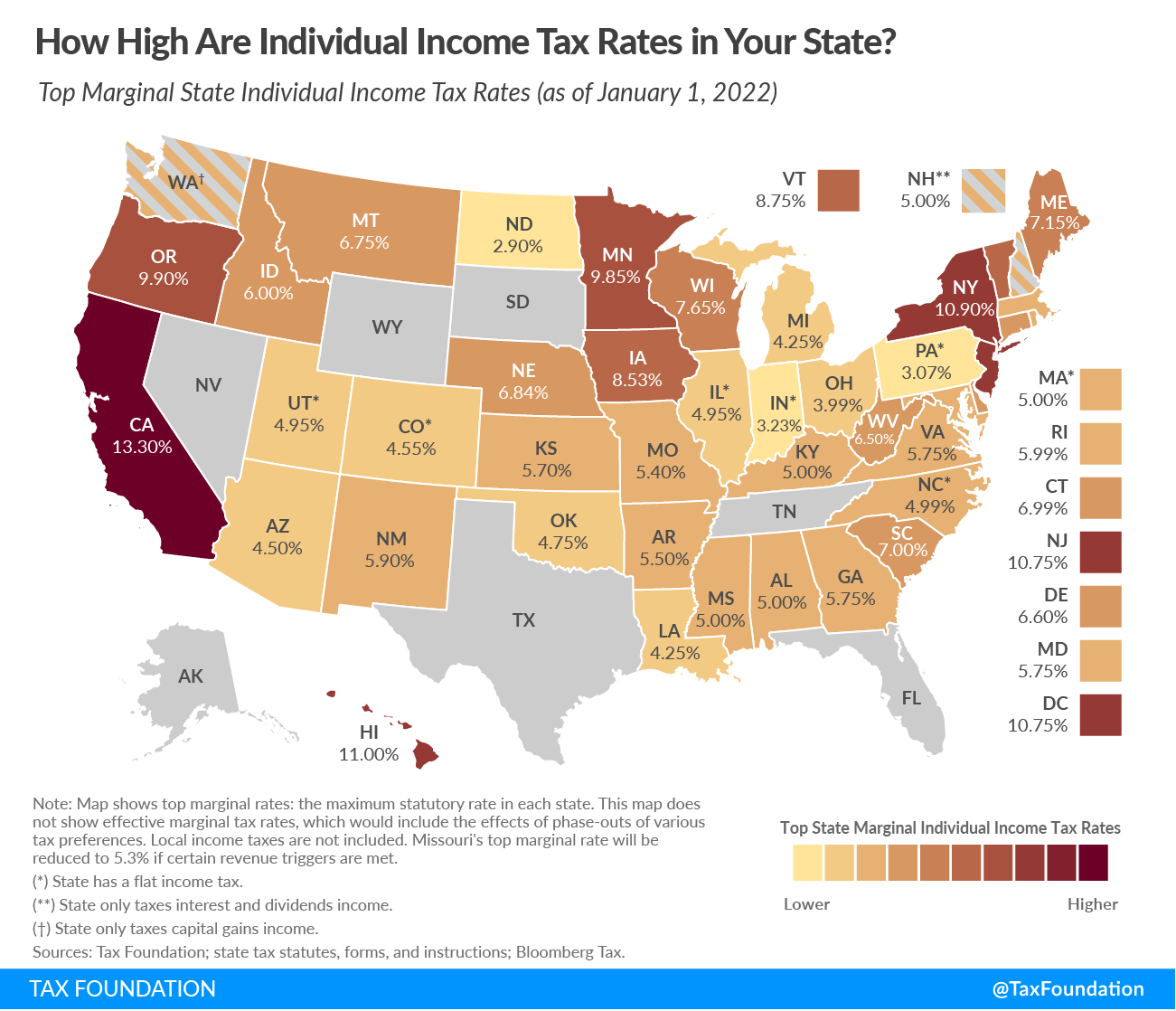
Idaho’s state income tax system is progressive, meaning higher earners pay a higher percentage of their income in taxes. The tax rates are structured into several brackets, with the lowest rates applying to lower income tiers and increasing incrementally up to a maximum rate for the highest income earners. These rates are subject to change by the state legislature, so checking the most current figures from the Idaho State Tax Commission is always advisable for precise planning.
For residents, this means that income earned from wages, salaries, business profits, investments, and other sources is subject to state income tax in addition to federal income tax. For non-residents, income earned from sources within Idaho – for example, income from property rentals, business activities conducted in the state, or temporary work assignments – may also be subject to Idaho income tax, even if their primary residence is elsewhere. This is particularly relevant for those engaging in long-term stays, remote work while visiting, or operating short-term rentals.
Compared to states like Washington or Nevada, which do not have a state income tax, Idaho’s system presents a different financial calculus. However, it’s essential to look beyond just income tax. States without income tax often compensate through higher sales taxes, property taxes, or other fees. Idaho’s overall tax burden, when considering income, sales, and property taxes, can be competitive or even favorable depending on individual financial circumstances and spending habits. This holistic view is crucial for travelers and potential residents to make informed decisions about budgeting for their Idaho experience.
Beyond Income Tax: Sales and Lodging Taxes
While state income tax is a primary concern for residents and those earning income within Idaho, travelers primarily encounter sales and lodging taxes. Idaho has a statewide sales tax that applies to most goods and services purchased. This tax is a direct cost to tourists, affecting everything from souvenirs bought in Sun Valley to meals enjoyed in Boise or outdoor gear acquired for a trip to Hells Canyon. The statewide sales tax rate is consistent across all jurisdictions in Idaho, simplifying budgeting for purchases.
In addition to sales tax, visitors staying in hotels, motels, resorts, or other short-term accommodation options will also encounter lodging taxes. These taxes are typically a percentage of the room rate and are collected by the accommodation provider. Lodging taxes contribute significantly to local and state tourism initiatives, funding marketing campaigns, infrastructure improvements, and visitor services that ultimately enhance the travel experience. For instance, booking a stay at The Coeur d’Alene Resort or a charming boutique hotel in McCall will include these lodging taxes in the final bill.
Understanding both sales and lodging taxes is vital for accurate travel budgeting. While the state income tax might not directly apply to the average tourist, the combined impact of sales and lodging taxes on daily expenses and accommodation costs can add up, making a noticeable difference in the overall price of an Idaho getaway. For instance, a family planning an extended vacation to explore Shoshone Falls and nearby attractions in Twin Falls should factor these taxes into their estimates for meals, souvenirs, and hotel nights.
How Tax Policies Shape Your Idaho Travel and Lifestyle Decisions
Tax policies, while often seen as dry financial matters, intricately weave into the fabric of travel, tourism, and lifestyle decisions. In Idaho, the presence of a state income tax, alongside other levies, influences everything from the perceived affordability of a vacation to the long-term financial viability of relocating to the Gem State. For travelers, it subtly impacts consumer prices and service costs, while for potential residents, it’s a major factor in assessing the cost of living and overall quality of life.
Budgeting Your Idaho Getaway: What Taxes Mean for Tourists
For the casual tourist, the state income tax in Idaho is unlikely to be a direct burden unless they are earning income within the state during their visit. However, its indirect effects are felt through the overall economic landscape. Businesses operating in Idaho are subject to various taxes, including corporate income tax, which can influence their pricing strategies. This means the cost of goods and services – from restaurant meals in Boise to guided fishing tours on Lake Coeur d’Alene – may reflect these underlying business costs.
More directly impactful for tourists are the state’s sales and lodging taxes. As discussed, these taxes add a percentage to nearly every purchase and every night spent in commercial accommodation. For a luxury travel experience, such as a stay at the iconic Sun Valley Resort or a high-end ski vacation at Bogus Basin, these taxes can significantly increase the final bill. Conversely, for budget travelers, being mindful of these additional costs allows for more accurate planning and helps avoid unexpected expenses. For instance, understanding the sales tax can influence choices between preparing meals in accommodation with kitchenettes versus dining out frequently.
Moreover, the perception of value is influenced by these costs. When comparing an Idaho vacation to one in a state without income tax, tourists might weigh the perceived financial burden differently. However, Idaho’s unique attractions, from the Sawtooth National Recreation Area to the unique landscape of Craters of the Moon National Monument and Preserve, often provide experiences that travelers deem well worth the investment, tax implications notwithstanding. Strategic planning, such as utilizing loyalty programs for hotels or taking advantage of off-peak travel deals, can help mitigate these costs.
Relocating to Idaho: A Financial Overview for Long-Term Stays
For individuals or families considering a permanent move or an extended stay in Idaho, the state income tax becomes a much more direct and significant financial factor. Prospective residents must weigh the income tax burden against other aspects of the state’s cost of living, including housing prices, property taxes, and general expenses. Idaho has seen considerable growth in recent years, particularly in its real estate markets, making a comprehensive financial assessment crucial.
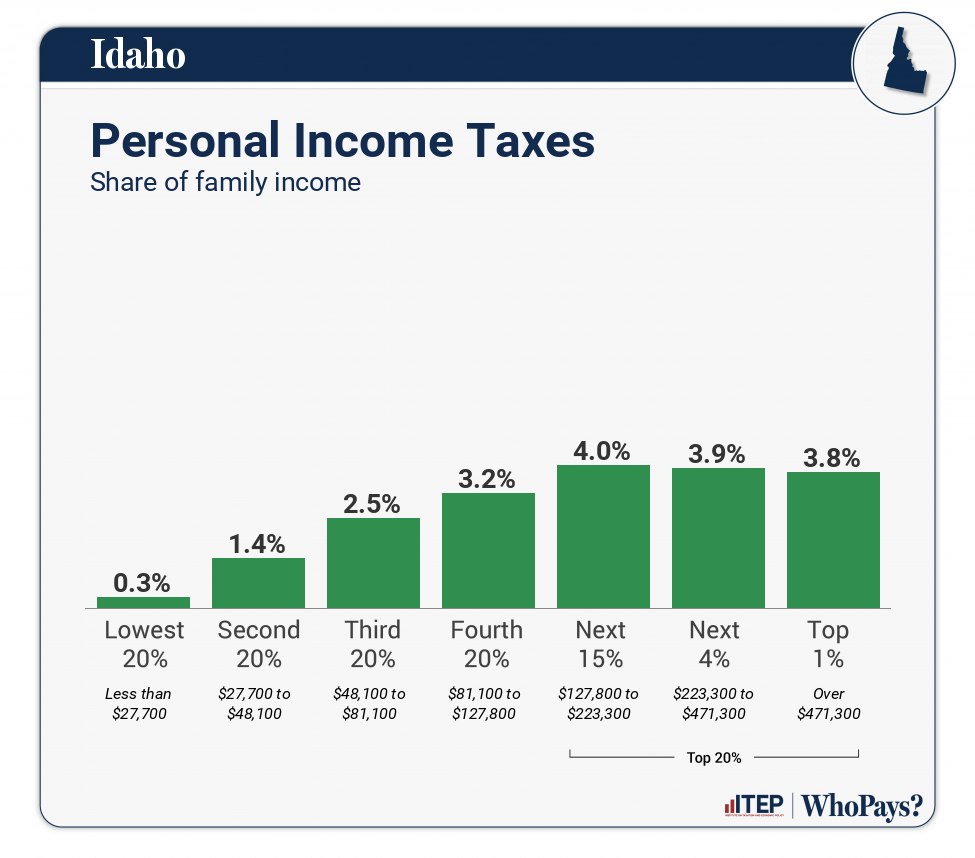
The progressive nature of Idaho’s income tax means that higher earners will contribute a larger portion of their income to state taxes. This can be a key differentiator when comparing Idaho to neighboring states, especially for those in high-income brackets. However, Idaho often offers a compelling quality of life, with access to unparalleled outdoor recreation, a strong sense of community, and generally lower property taxes than some coastal states in the United States.
Digital nomads, retirees, and remote workers who choose Idaho for long-term stays also need to understand their tax obligations. Even if one’s primary employer is based in another state, income earned while officially residing in Idaho is typically subject to Idaho state income tax. Retirees also need to consider how retirement income, such as pensions and social security benefits, is treated under Idaho tax law, as some exemptions or deductions may apply. Consulting with a tax professional specializing in Idaho tax law is highly recommended for anyone planning a long-term relocation to ensure accurate financial planning and compliance.
Idaho’s Allure: Balancing Taxes with Unforgettable Experiences
Despite the presence of a state income tax and other levies, Idaho continues to draw visitors and new residents with its unique blend of natural splendor, vibrant communities, and diverse opportunities. The financial considerations, while important, are often outweighed by the promise of an exceptional quality of life and access to experiences that are truly one-of-a-kind.
Premier Destinations and Their Economic Context
Idaho’s premier destinations offer a window into the state’s economic and cultural vitality, even with the backdrop of its tax structure. Cities like Boise serve as thriving economic hubs, attracting tech companies, outdoor recreation industries, and diverse culinary scenes. Here, the local economy benefits from tax revenues that support public services, infrastructure, and the arts, enhancing the visitor and resident experience. The presence of hotels ranging from luxury suites to budget-friendly apartments caters to all travel styles, with accommodation options influenced by local economic conditions and demand.
Beyond urban centers, resort towns such as Sun Valley and McCall are renowned for their world-class skiing, golfing, and lakeside activities. These areas thrive on tourism, and the taxes collected from visitors contribute to maintaining the pristine environments and high-quality amenities that make these locations so appealing. Similarly, attractions like Yellowstone National Park (partially in Idaho) and the nearby Grand Teton National Park draw millions, showcasing how Idaho’s natural landmarks are pivotal to its tourism economy. The indirect costs related to taxes are often perceived as a necessary contribution to the preservation and enhancement of these irreplaceable assets.
Whether you’re exploring the vineyards near Lewiston, rafting on the Salmon River, or enjoying the vibrant community life of Idaho Falls and Pocatello, Idaho’s diverse offerings provide rich experiences. Travelers seeking authentic adventures, serene retreats, or cultural immersion will find that the state’s appeal often transcends mere financial calculations. Instead, the balance between costs and the unparalleled value of Idaho’s natural beauty and recreational opportunities creates a compelling proposition.

Lifestyle and Investment: Idaho for Families, Businesses, and Retirees
For families, businesses, and retirees, Idaho’s tax structure is one piece of a larger mosaic that defines the state’s lifestyle and investment potential. Despite the income tax, Idaho often presents a lower cost of living compared to many other western states, particularly when it comes to housing outside of the most in-demand urban and resort areas. This affordability, combined with excellent public schools, a low crime rate, and an emphasis on outdoor activities, makes it an attractive place for families looking for a balanced lifestyle. Towns like Meridian and Nampa are popular choices for those seeking suburban living with access to Boise’s amenities.
Businesses considering Idaho will find a growing economy with a strong focus on agriculture, technology, and manufacturing. The state offers various incentives and a supportive environment for entrepreneurs, often balancing corporate income taxes with other pro-business policies. For instance, the accessibility to natural resources and a skilled workforce in specific sectors can make Idaho an economically sensible choice for establishing or expanding operations.
Retirees, too, find Idaho appealing. While income tax applies to various forms of retirement income, the state offers property tax relief programs for seniors and veterans. The abundance of natural beauty, opportunities for active living, and a slower pace of life in many areas, such as around Lake Payette in McCall or near Ponderosa State Park, contribute to a high quality of retirement. The availability of diverse accommodation options, from independent living communities to resorts offering long-term stays, further enhances its appeal.
In conclusion, yes, Idaho does have a state income tax. However, viewing this in isolation would be to miss the broader appeal and economic dynamics of the state. For travelers, understanding sales and lodging taxes is more immediately pertinent to budgeting. For those considering a move or extended stay, the income tax is an important factor, but it must be weighed against Idaho’s overall cost of living, vibrant lifestyle, and the unparalleled access to natural wonders that continue to make it a coveted destination in the United States. Ultimately, whether you’re planning a brief adventure or a lifetime in the Gem State, Idaho offers a compelling blend of opportunities and experiences that often justify the financial considerations.
LifeOutOfTheBox is a participant in the Amazon Services LLC Associates Program, an affiliate advertising program designed to provide a means for sites to earn advertising fees by advertising and linking to Amazon.com. Amazon, the Amazon logo, AmazonSupply, and the AmazonSupply logo are trademarks of Amazon.com, Inc. or its affiliates. As an Amazon Associate we earn affiliate commissions from qualifying purchases.