
For anyone considering a trip to the Gem State – whether for a luxurious escape, a budget-friendly adventure, a potential new home, or a strategic business venture – understanding the local financial landscape is as crucial as planning your itinerary. One of the most common questions that arises is, “Does Idaho have state income tax?” The direct answer is yes, Idaho does levy a state income tax. However, simply knowing this fact doesn’t paint the full picture. The nuances of Idaho’s tax system, including its progressive structure and how it compares to other states, can significantly influence decisions related to travel, accommodation choices, lifestyle planning, and even long-term residency.
Idaho stands as a beacon for outdoor enthusiasts, offering everything from the rugged peaks of the Rocky Mountains to the serene waters of Lake Coeur d’Alene. Its charming cities, like the vibrant capital Boise and the upscale ski town of Sun Valley, beckon travelers with diverse experiences. For those dreaming of a life immersed in nature, or even just a prolonged stay, the cost of living and the tax implications are naturally top considerations. This comprehensive guide will delve into Idaho’s tax structure, exploring how its policies might affect your travel budget, your plans for a longer stay, or your view on making the state your permanent residence, all while highlighting the incredible attractions that make Idaho a truly unique destination.
Understanding Idaho’s Tax Landscape
Before packing your bags for a scenic Idaho adventure or contemplating a move to its picturesque landscapes, it’s wise to gain a clear understanding of the state’s financial framework. Idaho’s tax system, like any other, is multifaceted, encompassing not just income tax but also sales tax and property tax, each playing a role in the overall cost of living and doing business within the state. For travelers, understanding these elements can help in budgeting for everything from hotel stays to restaurant meals and souvenirs. For those considering a longer visit or even relocation, a deeper dive into these levies is essential to gauge the true financial commitment.
A Closer Look at State Income Tax
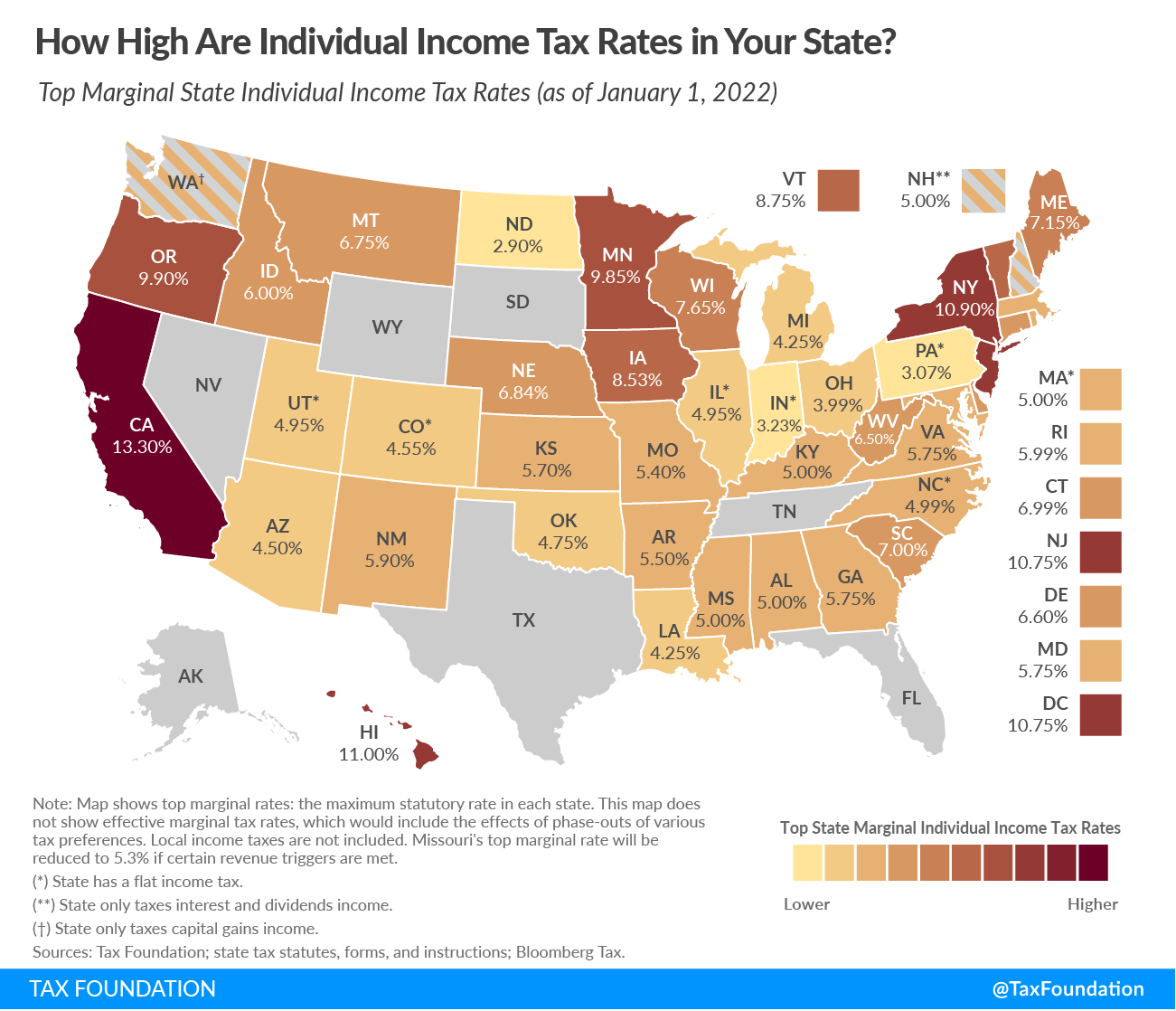
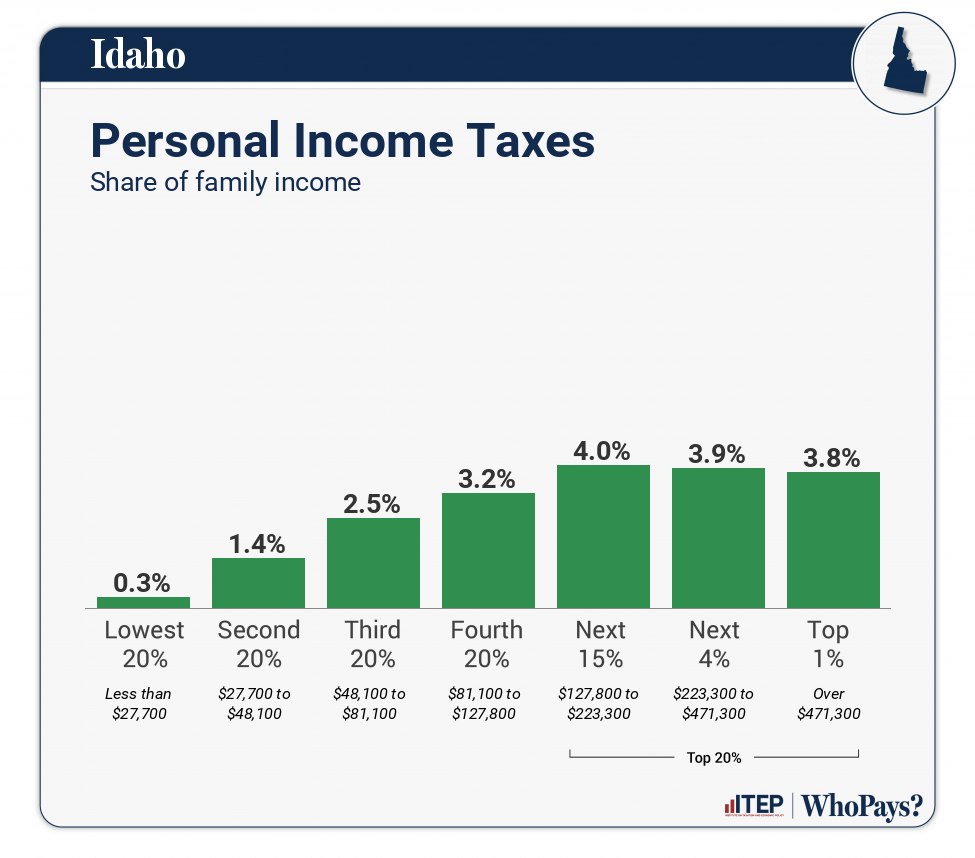
Idaho operates on a progressive income tax system. This means that as an individual’s taxable income increases, so does the rate at which they are taxed, up to a certain threshold. For residents, this applies to all income earned, regardless of its source. Non-residents, on the other hand, are subject to Idaho income tax only on income derived from sources within the state, such as wages earned from an Idaho-based employer or profits from an Idaho business. The state has periodically adjusted its income tax rates, often aiming to make Idaho a more attractive place for residents and businesses. For example, recent legislative changes have seen a compression of the tax brackets and a reduction in the top marginal rate, making the system somewhat flatter and generally lowering the tax burden for many taxpayers. It’s crucial for individuals to consult the most current tax tables published by the Idaho State Tax Commission, as these rates are subject to change based on legislative action.
Beyond the basic rates, Idaho offers various credits, deductions, and exemptions that can reduce an individual’s taxable income and, consequently, their overall tax liability. These can include deductions for contributions to certain savings plans, credits for dependents, or specific tax relief programs. Understanding these provisions is vital for both long-term residents and those contemplating a significant stay, as they can significantly impact one’s financial outlook. For instance, a remote worker considering moving to Boise from a higher-tax state might find the net impact of Idaho’s progressive system, coupled with available deductions, to be favorable, potentially freeing up more disposable income for travel, leisure, or investment in local accommodations. This makes a deep dive into the specifics highly recommended for those making substantial financial decisions tied to the state.
Beyond Income Tax: Other Levies in the Gem State
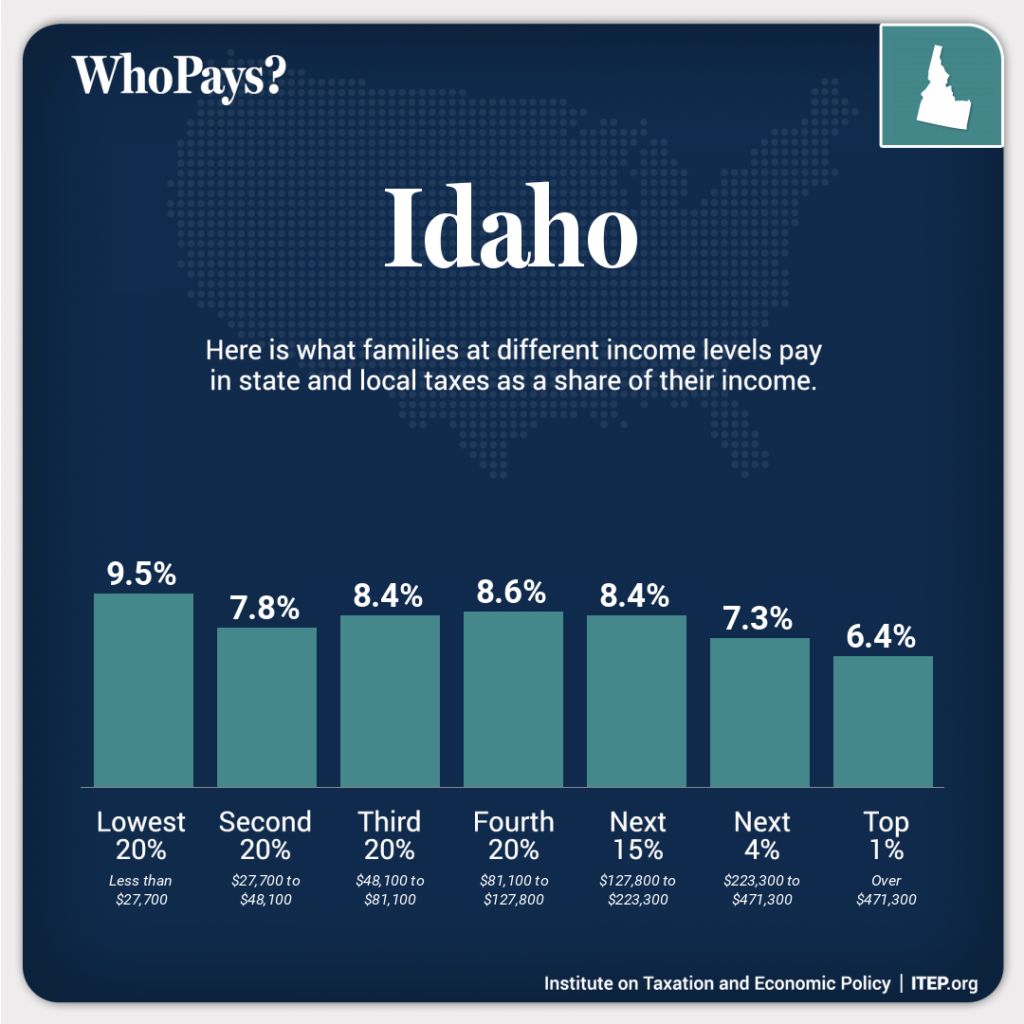
While state income tax is a primary consideration, it’s just one piece of the fiscal puzzle in Idaho. To truly understand the financial commitment, one must also account for sales tax and property tax, both of which have a direct impact on residents and visitors alike. Idaho has a statewide sales tax that applies to the retail sale of most goods and certain services. This tax directly affects travelers’ budgets, as it’s added to hotel bills, restaurant meals, souvenirs, and many other purchases made during their visit. While the statewide rate is generally consistent, some local jurisdictions may impose additional sales taxes, though these are less common than in some other states. Knowing this helps tourists budget accurately for their expenditures in vibrant cities like Coeur d’Alene or while shopping in boutique stores in Ketchum.
Property taxes in Idaho are levied at the local level by counties, cities, and special taxing districts. These taxes are a crucial revenue source for local services such as schools, police, and fire departments. For homeowners and those considering purchasing property, whether for personal residence or as an investment in the burgeoning accommodation sector (like vacation rentals or boutique hotels), property taxes represent a significant ongoing cost. The rates and assessments can vary widely depending on the specific location within Idaho – a luxury condo in Sun Valley will have a vastly different property tax bill than a family home in Pocatello. Idaho does offer a homeowner’s exemption, which reduces the taxable value of an owner-occupied primary residence, providing some relief to residents. Additionally, there are other, albeit less significant, taxes such as fuel taxes and excise taxes on certain goods, which indirectly contribute to the overall cost of living and travel. When comparing Idaho to neighboring states or popular retirement destinations, it’s essential to look at the cumulative tax burden rather than just focusing on income tax in isolation, to get a realistic picture of the financial implications.
The Influence of Taxation on Travel, Lifestyle, and Investment in Idaho
The tax policies of a state like Idaho extend their reach far beyond simple fiscal accounting; they profoundly shape the appeal of the region for various groups, from retirees seeking a peaceful haven to digital nomads chasing adventure, and even large-scale investors eyeing the hospitality market. The interplay of income, sales, and property taxes can significantly sway decisions about where to live, where to vacation, and where to invest, making the Gem State’s tax structure an integral part of its overall allure.
Lifestyle Choices and Residency Considerations
For many, the promise of Idaho’s breathtaking scenery and outdoor lifestyle is a powerful draw. But lifestyle decisions, especially those involving relocation, are often tethered to financial realities. Retirees, for example, frequently scrutinize state tax policies when choosing their golden-years haven. Idaho’s income tax applies to most retirement income, including pensions and 401(k) distributions, though Social Security benefits are not taxed. This makes a careful comparison with states that don’t tax retirement income or have more favorable provisions crucial for those planning their post-work years. However, when combined with a generally lower cost of living compared to coastal regions and the absence of an inheritance or estate tax, Idaho can still present an attractive option for many seniors seeking a vibrant community and access to nature.
The rise of remote work has also put states like Idaho on the map for digital nomads and professionals seeking a better work-life balance. Imagine starting your day with a hike in the foothills around Boise or an afternoon on Lake Coeur d’Alene before logging in for work. For these individuals, the overall tax burden (income, sales, and property if they buy a home) becomes a key factor in assessing the true cost of their idyllic lifestyle. A lower income tax rate compared to their previous state, combined with a potentially more affordable housing market in cities like Meridian or Eagle, can translate into greater disposable income, allowing them to enjoy more of Idaho’s unique offerings. Families, too, weigh these financial aspects, considering how taxes will impact their household budget, educational opportunities, and access to amenities, all while seeking the quality of life that Idaho’s natural environment and growing communities provide. The balance of a reasonable tax structure with an unparalleled outdoor playground makes Idaho a strong contender for a diverse range of lifestyle choices.
The Impact on Tourism and Accommodation
For both casual travelers and serious investors in the hospitality sector, Idaho’s tax policies subtly and overtly shape their experiences and decisions. For tourists, while the income tax doesn’t directly affect their travel budget unless they’re earning income within the state, the statewide sales tax is a tangible factor. Every meal at a farm-to-table restaurant in Boise, every lift ticket at Sun Valley Resort, and every handcrafted souvenir purchased will have sales tax added. This means budgeting for an Idaho vacation isn’t just about the base price of hotels and activities; it includes these additional levies, which can add up, especially for luxury travelers or those undertaking extensive shopping. However, compared to many other popular tourist destinations, Idaho’s sales tax rate remains competitive, generally not posing an exorbitant burden that would deter visitors.
From an investment perspective, Idaho’s tax environment can be quite influential, particularly for those looking to develop or acquire hotels, resorts, or short-term rental properties. Property taxes, determined by local jurisdictions, represent a significant ongoing expense for these businesses. A developer considering a new luxury resort near Lake Coeur d’Alene would factor property tax rates into their financial projections, along with any local lodging taxes or tourism improvement district fees that might apply. Similarly, an individual purchasing a vacation rental in McCall or Driggs would need to understand their property tax obligations, potential income tax implications on rental earnings, and local regulations regarding short-term rentals. The state’s generally favorable business tax climate, combined with its burgeoning tourism industry and growing population, often makes Idaho an appealing location for hospitality investments. Business travelers, too, benefit from a relatively straightforward tax system, and companies sending employees on assignments to Idaho can generally anticipate clear tax guidelines for payroll and local expenditures, contributing to the state’s attractiveness as a hub for both leisure and professional journeys.
Exploring Idaho: Destinations, Attractions, and Experiences
Beyond the numerical specifics of its tax code, Idaho truly shines through its diverse landscapes, vibrant cities, and endless opportunities for adventure. The Gem State offers a travel experience that caters to every preference, from high-octane outdoor pursuits to serene cultural explorations. Understanding the tax environment provides a practical foundation, but it’s the rich tapestry of destinations and experiences that ultimately defines the allure of Idaho for visitors and residents alike.
Iconic Cities and Their Charms
Idaho is home to a collection of distinctive cities, each offering a unique flavor and a gateway to the state’s broader attractions. The capital city, Boise, stands out as a dynamic urban oasis amidst a backdrop of natural beauty. Known for its thriving tech industry, vibrant downtown, extensive greenbelt along the Snake River, and burgeoning culinary scene, Boise perfectly blends metropolitan amenities with easy access to outdoor adventures. Visitors can explore the Idaho State Capitol Building, wander through the historic Basque Block, or enjoy a craft beer at one of its many breweries. Accommodation options range from luxury hotels to boutique stays, catering to business travelers and leisure seekers alike.
Further north, Coeur d’Alene offers a picturesque lakeside escape. Centered around the pristine Lake Coeur d’Alene, this city is renowned for its upscale resorts, championship golf courses, and abundant water activities. The Coeur d’Alene Resort is a landmark in itself, known for its floating green and luxurious amenities, attracting visitors from around the globe. Meanwhile, Sun Valley, nestled in the Rocky Mountains, is synonymous with world-class skiing and year-round luxury. The Sun Valley Resort was America’s first destination ski resort and continues to draw an elite crowd seeking exquisite accommodations, fine dining, and unparalleled slopes. Other notable cities include Idaho Falls, a cultural hub in eastern Idaho and a gateway to Yellowstone National Park, and Pocatello, offering rich history and a strong sense of community. Each city, with its distinct character and range of hotels and attractions, contributes to Idaho’s multifaceted appeal.
Unveiling Idaho’s Natural Wonders
The true heart of Idaho lies in its spectacular natural landscapes, which inspire awe and offer endless opportunities for outdoor exploration. Dominating the central part of the state are the majestic Sawtooth Mountains and the sprawling Sawtooth National Forest. This wilderness area is a paradise for hikers, campers, and backpackers, featuring rugged peaks, alpine lakes, and pristine rivers. It’s a place where you can truly disconnect and immerse yourself in the grandeur of the Pacific Northwest wilderness. For those seeking iconic photo opportunities, Shoshone Falls near Twin Falls is a must-see. Often dubbed the “Niagara of the West,” these magnificent waterfalls plunge over a 212-foot basalt rim, creating a breathtaking spectacle, particularly in spring when the Snake River is at its peak flow.
Venturing to the western edge of the state, visitors can explore Hells Canyon, North America’s deepest river gorge. Carved by the Snake River, this rugged canyon offers thrilling jet boat tours, whitewater rafting, and challenging hiking trails, providing a stark contrast to the alpine serenity of the Sawtooths. It’s an area rich in history, with traces of early Native American cultures and the adventurous spirit of the Lewis and Clark Expedition. Throughout Idaho, the presence of the Rocky Mountains ensures a landscape dotted with hot springs, dense forests, and clear rivers, making it an adventurer’s dream. Whether you’re seeking a challenging mountaineering expedition, a peaceful fishing trip, or simply a scenic drive through stunning vistas, Idaho’s natural wonders promise unforgettable experiences.
Lifestyle and Luxury Experiences
Beyond its raw natural beauty, Idaho offers a sophisticated array of lifestyle and luxury experiences that cater to discerning travelers and residents. The state’s reputation as a premier destination for winter sports is well-deserved, with the legendary slopes of Sun Valley Resort leading the charge. Here, luxury meets adventure, offering pristine ski runs, upscale lodges, and exquisite dining options. Other popular ski areas like Bogus Basin, conveniently close to Boise, provide excellent opportunities for skiing, snowboarding, and cross-country adventures, often coupled with stunning views of the city lights below.
During the warmer months, Idaho transforms into a haven for water sports enthusiasts. The expansive Lake Coeur d’Alene is perfect for boating, paddleboarding, and swimming, with numerous resorts and private vacation rentals offering prime lakeside access. The state’s numerous rivers, including the mighty Snake River, are ideal for whitewater rafting, kayaking, and world-class fly fishing. For those who prefer a more grounded luxury experience, Idaho’s culinary scene is rapidly gaining recognition. Boise, in particular, boasts a farm-to-table ethos, with restaurants celebrating local produce, Idaho potatoes, and locally sourced meats. The burgeoning craft brewery and winery scenes across the state also offer delightful tasting tours and unique local flavors. For a touch of relaxation, numerous natural hot springs, both developed resorts and rustic backcountry pools, invite visitors to unwind amidst stunning scenery. From high-end shopping in resort towns to unique cultural festivals celebrating everything from Basque heritage in Boise to the arts in Sun Valley, Idaho curates an enriching and luxurious lifestyle experience that complements its wild heart.
Balancing the Books with the Beauty of Idaho
In conclusion, the question “Does Idaho have state income tax?” is definitively answered with a “yes.” Idaho operates a progressive income tax system, alongside sales and property taxes, all of which contribute to the fiscal framework of the Gem State. Understanding these tax structures is essential for anyone considering travel, long-term stays, or a permanent move to this captivating region. While taxes are an undeniable part of any financial equation, Idaho’s tax burden is often perceived as reasonable, especially when viewed in the context of its overall cost of living and the unparalleled quality of life it offers.
For travelers, the sales tax will be the most noticeable levy, subtly influencing the total cost of their hotels, dining, and souvenir purchases. For those contemplating residency, whether for retirement, remote work, or family life, the combination of income and property taxes forms a crucial part of the financial consideration. Yet, for countless individuals, the financial aspects are more than balanced by the immense benefits of living in or visiting Idaho. The state’s iconic natural wonders, from the majestic Sawtooth Mountains and the deepest river gorge of Hells Canyon to the serene Lake Coeur d’Alene, offer endless adventures. Its charming cities like Boise and Sun Valley provide a blend of cultural richness, modern amenities, and luxury experiences. Ultimately, Idaho presents a compelling package: a state where fiscal realities are met with extraordinary natural beauty and a vibrant, inviting lifestyle, making it a destination well worth exploring, budget in hand, for its unique blend of wilderness and refinement.