
When planning a trip to a new destination, understanding the local climate and potential weather hazards is a crucial part of travel preparedness. Many adventurers and prospective visitors to the Gem State, Idaho, often wonder about its vulnerability to extreme weather phenomena, particularly tornadoes. Unlike states in the notorious “Tornado Alley,” Idaho is not widely associated with these powerful rotating columns of air. However, the question “Does Idaho have tornadoes?” isn’t a simple yes or no. While the incidence is significantly lower than in other parts of America, the state is not entirely immune. For those considering a journey through its stunning landscapes, from the rugged peaks of the Rocky Mountains to the fertile Snake River Plain, understanding Idaho’s unique meteorological profile is key to ensuring a safe and enjoyable experience. This article delves into the specifics of Idaho’s tornado activity, its broader weather patterns, and how visitors can best prepare for their Idaho adventures.

Idaho’s Climate and Geographical Influences on Weather
Idaho’s geography is a primary determinant of its weather, significantly reducing the likelihood of widespread, powerful tornadoes. Nestled in the Pacific Northwest and dominated by mountain ranges, the state’s diverse topography creates unique climatic zones. The western two-thirds of the state are heavily influenced by moist air masses from the Pacific Ocean, while the eastern part shares characteristics with interior western states, experiencing drier conditions and continental influences.
The presence of the towering Rocky Mountains acts as a formidable barrier, effectively disrupting the atmospheric conditions typically required for robust tornado development. Tornadoes thrive on the collision of warm, moist air with cooler, dry air, often fueled by significant wind shear across a relatively flat, open expanse. The mountainous terrain of much of Idaho tends to break up these air masses and inhibit the sustained rotation necessary for powerful tornadoes. The highest concentrations of tornado activity in the United States occur in the central and southern plains, where broad, unobstructed plains allow these air masses to interact over long distances. Idaho’s complex terrain, with its valleys, plateaus, and mountains, does not provide the ideal environment for the large, rotating supercell thunderstorms that spawn the most destructive tornadoes.
Despite this, the expansive Snake River Plain, which stretches across southern Idaho from west to east, presents a somewhat flatter landscape where localized atmospheric conditions can occasionally align. It is within this region that the majority of Idaho’s recorded tornado events have occurred, albeit typically weak and short-lived. This plain, while still experiencing the broader mountainous influences, is the most susceptible area due to its more open nature, allowing for some of the necessary atmospheric ingredients to converge.
Understanding Tornado Formation
To appreciate why Idaho experiences fewer tornadoes, it’s helpful to understand the basic mechanics of their formation. Tornadoes are violent, rotating columns of air that extend from a thunderstorm to the ground. They are usually spawned by supercells, which are powerful, long-lived thunderstorms characterized by a rotating updraft known as a mesocyclone. The key ingredients for supercell and tornado development include:
- Warm, Moist Air: Typically originating from the Gulf of Mexico or, less commonly, from warmer Pacific air currents, this air provides the fuel for thunderstorms.
- Cool, Dry Air: Often descending from higher altitudes or continental sources, this air creates an unstable atmosphere when it clashes with warm, moist air.
- Wind Shear: A significant change in wind speed and/or direction with height. This shear is crucial for creating the horizontal spinning motion in the atmosphere that can then be tilted vertically by a thunderstorm’s updraft, forming a mesocyclone.
- A “Lifting Mechanism”: Such as a cold front, dry line, or mountain range, which forces the warm, moist air to rise rapidly.
Idaho’s atmosphere rarely sees the perfect combination of these elements. While the state experiences thunderstorms, especially during the warmer months, they are typically not of the supercell variety that produces strong, long-track tornadoes. The air masses are often drier, or the wind shear conditions are not conducive to sustained rotation across broad areas. The lifting mechanisms provided by the mountains tend to create more localized convection rather than widespread, organized severe weather outbreaks.
Tornado Activity in the Gem State
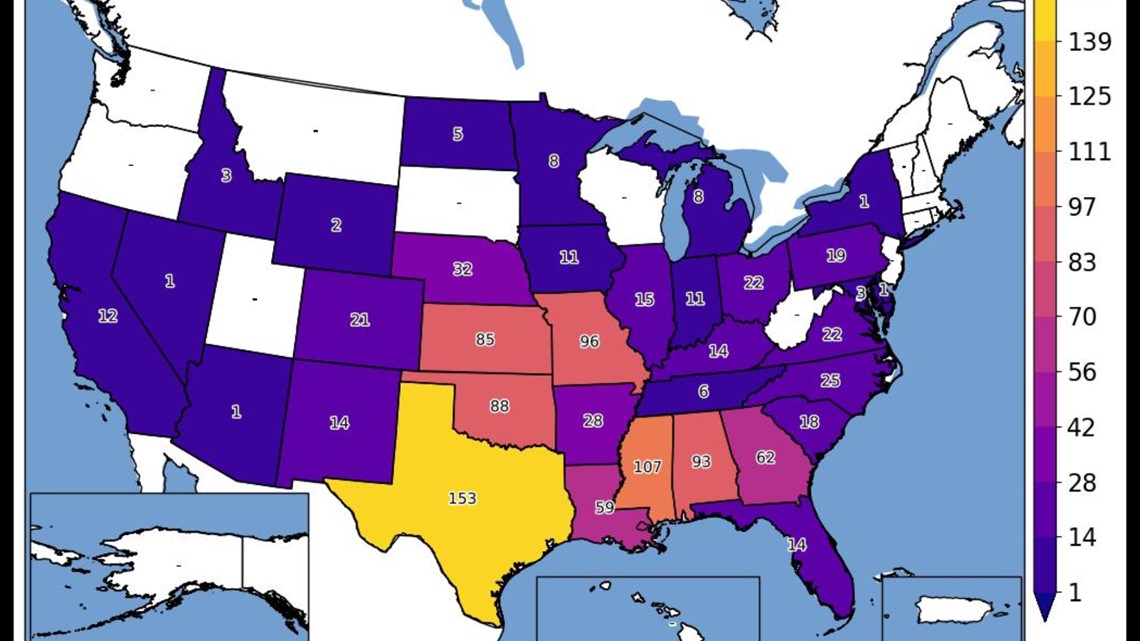
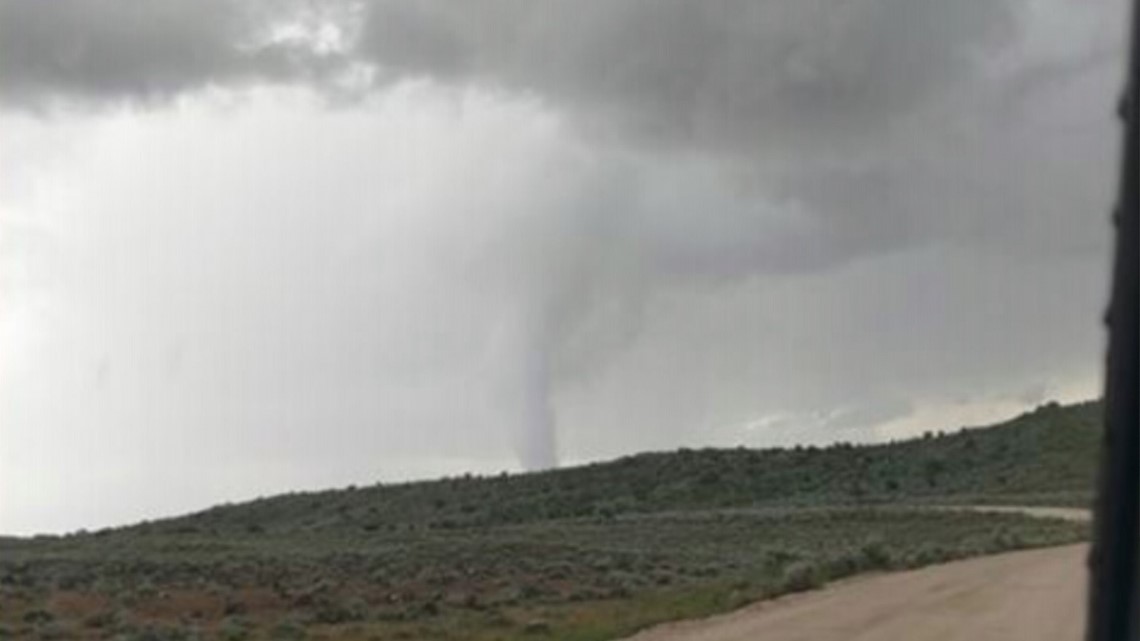
Historically, Idaho records a low number of tornadoes compared to the national average. When they do occur, they are overwhelmingly weak (EF0 or EF1 on the Enhanced Fujita Scale) and cover short distances, often dissipating quickly. Stronger tornadoes (EF2 or higher) are exceptionally rare. The National Weather Service has documented fewer than 200 tornadoes in Idaho since records began in 1950, with an average of only one or two per year. Many of these are landspout tornadoes, which are weaker and form from towering cumulus clouds, not supercells, often in arid regions and posing less of a threat.
Most of Idaho’s tornado occurrences tend to concentrate over the Snake River Plain, affecting areas around cities like Boise, Nampa, Meridian, Pocatello, and Idaho Falls. Even in these regions, direct hits on populated areas are exceedingly uncommon. The few recorded stronger tornadoes often track through rural, agricultural lands, causing damage to property but rarely resulting in fatalities or widespread destruction. This low risk means that while awareness is always prudent, tourists should not typically prioritize tornado preparedness above other, more common weather concerns when visiting Idaho.
Traveling Idaho: Weather Preparedness Beyond Tornadoes
While tornadoes pose a minimal threat, Idaho is far from being weather-free. Travelers should be more concerned with adapting to its highly variable seasonal weather, which can dramatically impact outdoor activities and travel plans. The state offers incredible opportunities for adventure travel, from white-water rafting on the Salmon River to skiing in Sun Valley and hiking in the Sawtooth National Recreation Area. Each season brings its own set of weather challenges and delights, necessitating thoughtful preparation.
Seasonal Weather Considerations for Visitors
Spring (March-May): This is a transition period, characterized by unpredictable weather. Days can range from mild and sunny to sudden snow showers, especially at higher elevations. Rivers begin to swell with snowmelt, making it an exciting time for early-season rafting but also requiring caution. Packing layers, waterproof gear, and sturdy footwear is essential for spring trips. Roads to some higher-elevation attractions or hiking trails may still be closed due to snow.
Summer (June-August): Idaho’s summers are generally warm to hot and dry, especially in the southern and western parts of the state. Days are long and sunny, perfect for hiking, camping, and water sports on lakes like Lake Coeur d’Alene. However, afternoon thunderstorms are common, particularly in the mountains. While rarely severe enough to produce tornadoes, they can bring heavy rain, lightning, and strong winds, posing risks to hikers and campers. Wildfires can also be a concern during dry spells, potentially affecting air quality and access to certain areas. Hydration, sun protection, and awareness of fire restrictions are paramount.
Fall (September-November): Autumn brings cooler temperatures, crisp air, and stunning foliage, making it a popular time for scenic drives and photography. Weather can be variable, with warm days giving way to frosty nights. Snowfall can begin in the mountains as early as October, impacting access to high-altitude trails and passes. Layered clothing and checking road conditions are crucial for fall travel. It’s a fantastic season for experiencing local culture and food festivals without the peak summer crowds.
Winter (December-February): Winters are cold and snowy, particularly in the mountainous regions, which become a paradise for skiers and snowboarders. Cities like Boise and Lewiston typically experience milder, wetter winters with occasional snow, while areas like Sun Valley and the Panhandle receive abundant snowfall. Driving conditions can be challenging, and four-wheel drive or chains may be necessary on mountain passes. Visitors should pack heavy winter clothing, including waterproof outer layers, and be prepared for potential road closures. Many hotels and resorts cater specifically to winter sports enthusiasts, offering cozy amenities and direct access to slopes.
Safety Tips and Resources for Idaho Travelers
Regardless of the season, a proactive approach to weather safety will enhance any Idaho itinerary.
- Monitor Weather Forecasts: Before and during your trip, regularly check forecasts from reputable sources like the National Weather Service. Pay attention to specific forecasts for the elevation and region you’ll be visiting, as mountain weather can change rapidly.
- Pack Appropriately: Embrace the concept of layering. Even in summer, evenings can be cool. Waterproof and windproof outer layers are always a good idea, as are sturdy, comfortable shoes suitable for varied terrain.
- Communicate Your Plans: Especially if venturing into wilderness areas like the Frank Church-River of No Return Wilderness, inform someone of your itinerary and expected return time.
- Emergency Preparedness: Carry a basic emergency kit, including water, snacks, a first-aid kit, a flashlight, and a fully charged cell phone. Be aware that cell service can be spotty in remote areas.
- Heed Warnings: If weather advisories or warnings are issued, take them seriously. This might mean altering hiking plans, seeking shelter, or postponing travel on certain roads. Local tourism centers and park rangers are excellent sources of up-to-date information.
- Wildfire Awareness: During fire season, be aware of fire danger levels, respect burn bans, and exercise extreme caution with campfires. Check with local authorities or park services for current conditions.
Embracing Idaho’s Diverse Attractions, Whatever the Weather
Idaho’s appeal lies in its breathtaking natural beauty and the abundance of outdoor activities it offers. The minimal tornado risk means that visitors can largely focus on planning their adventures around the more predictable seasonal weather patterns. From thrilling white-water rapids to tranquil mountain lakes, from volcanic landscapes to vibrant urban centers, Idaho promises a unique experience for every type of traveler.
Top Destinations and Activities (Rain or Shine)
- Boise and the Treasure Valley: The state capital offers a blend of urban amenities and outdoor access. Explore the Boise River Greenbelt, visit the Old Idaho Penitentiary, or enjoy the burgeoning food and craft beer scene. Even on a rainy day, museums and indoor attractions abound, providing cultural insights into the local lifestyle.
- Sun Valley: Famous for its world-class skiing and snowboarding in winter, Sun Valley transforms into a vibrant hub for hiking, mountain biking, and cultural festivals in summer. Its luxury hotels and resorts offer year-round comfort and amenities, making it a perfect destination for both active and relaxed lifestyles.
- Coeur d’Alene and the Panhandle: With Lake Coeur d’Alene as its centerpiece, this region is a haven for water sports, fishing, and golf. The scenic beauty is stunning year-round, offering opportunities for hiking and exploring charming small towns. Luxury accommodations overlooking the lake are popular, especially in summer.
- Shoshone Falls: Often called the “Niagara of the West,” these impressive falls on the Snake River near Twin Falls are a spectacular sight, especially in spring during peak runoff. It’s a landmark worth visiting for its sheer power and beauty.
- Craters of the Moon National Monument: Explore a surreal volcanic landscape that truly feels out of this world. This is a must-see for geology enthusiasts and offers unique hiking opportunities. While summer can be hot, cooler shoulder seasons offer pleasant exploration conditions.
- Yellowstone National Park and Grand Teton National Park: While technically in Wyoming, eastern Idaho serves as a convenient gateway to these iconic national parks, offering stunning scenery and wildlife viewing. Many travelers combine an Idaho trip with visits to these renowned landmarks.
Accommodation Choices for Every Idaho Adventure
Idaho’s range of accommodations caters to every travel style and budget, ensuring comfort and convenience no matter the weather. From rustic cabins nestled in the mountains to luxurious resorts with all the amenities, booking the right place enhances the overall travel experience.
- Hotels and Resorts: Major cities like Boise, Coeur d’Alene, and Sun Valley boast a wide selection of hotels, ranging from budget-friendly options to high-end luxury resorts. Many offer indoor pools, fitness centers, and fine dining, providing excellent alternatives for relaxation on inclement weather days. Resorts often provide guided tours and activities, perfect for making the most of your trip.
- Vacation Rentals and Apartments: For families, longer stays, or those preferring more privacy, vacation rentals and apartments are popular choices. They offer a “home away from home” experience, often equipped with kitchens and multiple living spaces.
- Camping and Glamping: Idaho’s vast wilderness makes it a prime destination for camping. National Forests and State Parks offer numerous campgrounds. For a more upscale outdoor experience, glamping sites provide comfortable tents or yurts with amenities. Always check weather forecasts and campground conditions before heading out, especially during spring and fall.
- Boutique Stays and Historic Inns: For a taste of local charm and culture, consider staying in one of Idaho’s many boutique hotels or historic inns, which often provide personalized service and unique insights into the community.
Booking accommodation in advance is highly recommended, especially during peak seasons (summer and winter in ski areas) and for popular events. Utilizing online booking platforms and reading reviews can help travelers compare options and find the perfect stay, whether they’re planning a budget travel adventure or a luxury getaway.
In conclusion, while the question “Does Idaho have tornadoes?” can be answered with a qualified “yes,” the risk is remarkably low, particularly for powerful and destructive events. Idaho’s unique geography largely protects it from the widespread severe weather outbreaks common in other parts of the country. For travelers, the focus should instead be on preparing for the state’s diverse seasonal weather – from sunny summers perfect for exploring the Snake River Plain and mountain trails to snowy winters ideal for hitting the slopes. With mindful planning, awareness of general weather patterns, and an appreciation for its stunning natural beauty, a trip to Idaho promises an unforgettable experience, unburdened by significant tornado concerns.