
The question “Does it get dark in Alaska?” is one that fascinates countless travelers and sparks the imagination of anyone contemplating a journey to the Last Frontier. The simple answer is both a resounding yes and a surprising no, depending entirely on the time of year and your precise location within this vast and magnificent state. Alaska is a land of extremes, not only in its rugged landscapes and diverse wildlife but also in its dramatic seasonal shifts in daylight and darkness. From the endless summer days bathed in the glow of the Midnight Sun to the long, deep winters illuminated by the dancing Northern Lights, Alaska’s unique relationship with light is a fundamental aspect of its identity and a crucial consideration for anyone planning a visit.
Understanding Alaska’s distinct light cycles is key to appreciating its natural wonders and cultural rhythms. This article delves into the scientific phenomena behind these variations, explores what it’s like to experience both perpetual daylight and extended darkness, and offers practical insights for travelers eager to embrace Alaska’s unique lifestyle. Whether you dream of hiking under a sun that never sets or witnessing the ethereal glow of the aurora borealis, Alaska’s light cycles offer an unparalleled travel experience, shaping everything from outdoor activities and wildlife viewing to the very culture of its communities.
The Phenomenon of Light and Darkness in the Last Frontier
Alaska’s position on the globe is the primary driver of its extraordinary light variations. As the largest state in the United States, it stretches across a vast latitudinal range, with a significant portion lying within the Arctic Circle. This geographical placement dictates the intensity and duration of sunlight it receives throughout the year, creating a unique environment where the sun behaves in ways rarely seen elsewhere.
Understanding the Arctic Circle’s Influence
The Arctic Circle, located at approximately 66.5 degrees North latitude, marks the boundary above which the sun remains visible for 24 continuous hours at least once a year (around the summer solstice) and remains below the horizon for 24 continuous hours at least once a year (around the winter solstice). Much of Alaska, including cities like Barrow (now officially known as Utqiaġvik), Nome, and even parts of Fairbanks (though Fairbanks is just south of the Arctic Circle, its light cycles are significantly impacted), falls within or very close to this zone.
For instance, Utqiaġvik, the northernmost city in the United States, experiences the most extreme variations. Here, the sun can remain above the horizon for over 80 consecutive days during summer, leading to near-perpetual daylight. Conversely, in winter, the sun disappears completely for about 65 days, plunging the city into a period of continuous civil twilight or darkness. Even in more southern Alaskan cities like Anchorage or Juneau, while they don’t experience 24 hours of total daylight or darkness, the summer days are incredibly long, and winter nights are notably extended compared to lower latitudes.
The Science of Solstices and Equinoxes
The Earth’s axial tilt, combined with its orbit around the sun, causes the phenomenon of solstices and equinoxes, which directly influence Alaska’s unique light patterns.
- Summer Solstice (around June 21st): This is when the Northern Hemisphere is tilted most directly towards the sun. For regions within the Arctic Circle, this results in the sun never setting, creating the famed Midnight Sun. Even south of the Arctic Circle, daylight hours are at their maximum, stretching up to 19-20 hours in places like Anchorage and Fairbanks, with only a few hours of twilight rather than true darkness.
- Winter Solstice (around December 21st): During this period, the Northern Hemisphere is tilted farthest from the sun. Within the Arctic Circle, this leads to polar night, where the sun does not rise above the horizon for days or even months. Cities like Utqiaġvik experience full darkness for an extended period, while further south, daylight is extremely limited, sometimes only a few hours of civil twilight, giving the impression of perpetual dusk.
- Equinoxes (around March 20th and September 22nd): These are the times when the Earth’s axis is neither tilted towards nor away from the sun. Consequently, day and night are roughly equal in length across most of the globe, including Alaska. These transitional periods offer a more “normal” daylight experience before the extremes of summer and winter set in.
Summer in Alaska: The Land of the Midnight Sun
Visiting Alaska during the summer months (typically May through August) means immersing yourself in a world where daylight seems endless. This is the season when the state truly comes alive, offering a vibrant array of activities and natural spectacles.
Embracing 24 Hours of Daylight
Imagine hiking at midnight with the sun still high in the sky, or fishing under a glow that never fades. This is the reality in many parts of Alaska during peak summer. Even in southern areas, the “darkness” is often merely a prolonged twilight, known as civil twilight, where there’s enough ambient light to see clearly without artificial illumination. This extended daylight invigorates both residents and visitors, allowing for more time to explore and enjoy the outdoors.
The concept of the Midnight Sun is more than just a novelty; it fundamentally changes the rhythm of life. Restaurants stay open later, outdoor events stretch into what would typically be the early morning, and the natural world, from flora to fauna, thrives under constant solar energy. This phenomenon offers an unforgettable experience for travelers accustomed to regular day-night cycles, making it a unique draw for tourism.
Activities Under the Eternal Sun
The long summer days unlock an incredible range of Alaskan adventures. Travelers can pack their days with activities without feeling rushed by the setting sun.
- Hiking and Backpacking: With extended daylight, trails in Denali National Park or along the Chugach Mountains can be explored well into the evening. Climbing Mount Denali becomes an endeavor where climbers might have almost continuous daylight for critical ascents.
- Wildlife Viewing: Animals are often more active during these extended hours. Spotting bears, moose, caribou, and eagles becomes easier, whether on a guided tour or from the comfort of a scenic lodge. Cruising through Kenai Fjords National Park or Glacier Bay National Park allows for optimal whale watching and glacier viewing throughout the day.
- Fishing and Boating: Alaska’s world-class fishing, particularly for salmon and halibut, benefits from the Midnight Sun. Anglers can cast their lines late into the night, maximizing their chances for a big catch. Boating trips along the Inside Passage or out into the Arctic Ocean, Bering Sea, or Pacific Ocean offer endless vistas.
- Sightseeing and Photography: Iconic landmarks and natural beauty can be captured at any hour, with the sun providing unique lighting conditions that shift throughout the “night.” Cities like Anchorage and Fairbanks host numerous festivals and events that leverage the extended daylight.
Coping with Constant Daylight
While exhilarating, continuous daylight can be disorienting for those unaccustomed to it. Many accommodations, from luxury hotels and resorts to cozy cabins and budget apartments, are well-prepared for this unique challenge.
- Blackout Curtains: Essential for any hotel or apartment in Alaska during summer, these allow visitors to create artificial night and maintain a regular sleep schedule. When booking your stay, inquire about such amenities.
- Eye Masks: A travel essential for light sleepers.
- Adjusting Schedule: Some travelers find it helpful to adjust their internal clock gradually, while others embrace a more relaxed schedule, taking advantage of the extra hours for sightseeing.
For those planning an extended stay, understanding these nuances and selecting the right accommodation can significantly enhance the experience, ensuring comfort and relaxation even when the sun refuses to set.
Winter’s Embrace: Long Nights and the Aurora Borealis
Just as summer brings continuous light, winter ushers in a period of extended darkness, particularly in the northern reaches of Alaska. However, this darkness is far from desolate; it’s a canvas for one of Earth’s most spectacular natural light shows.
The Extended Period of Darkness
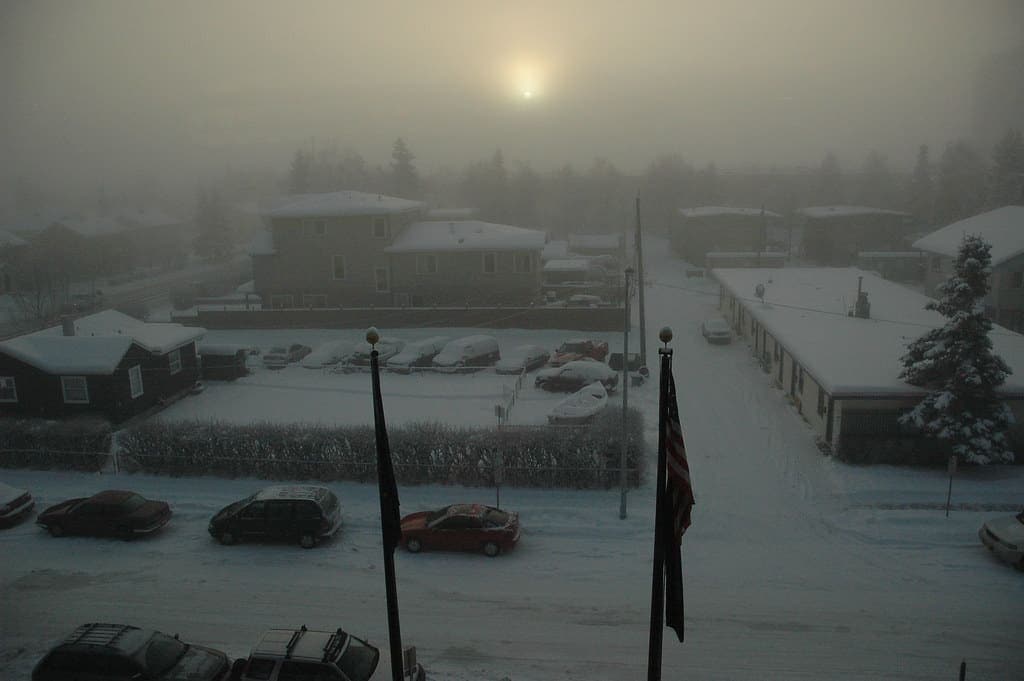
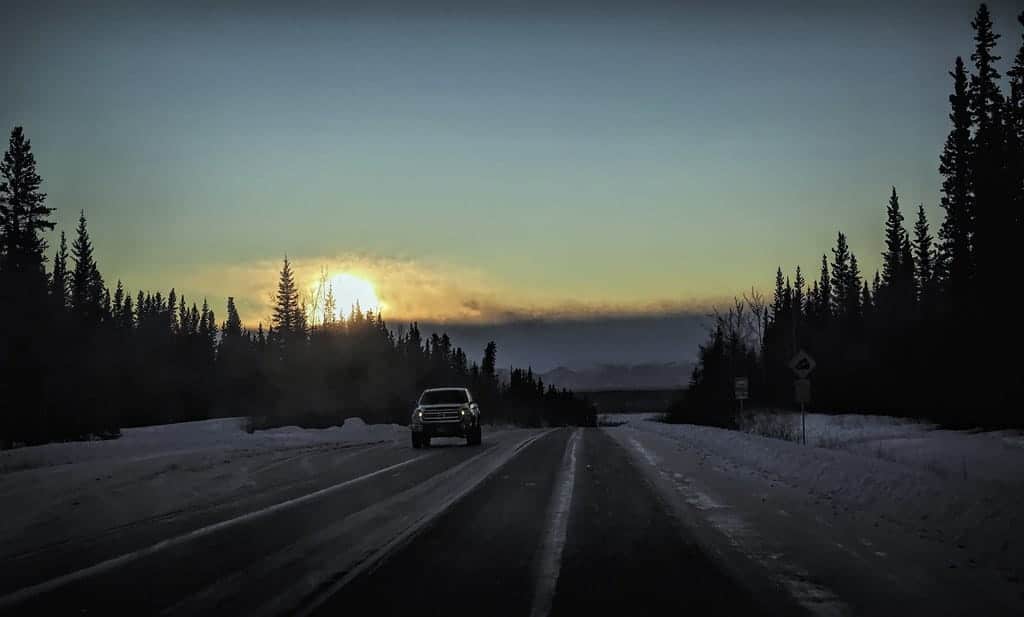
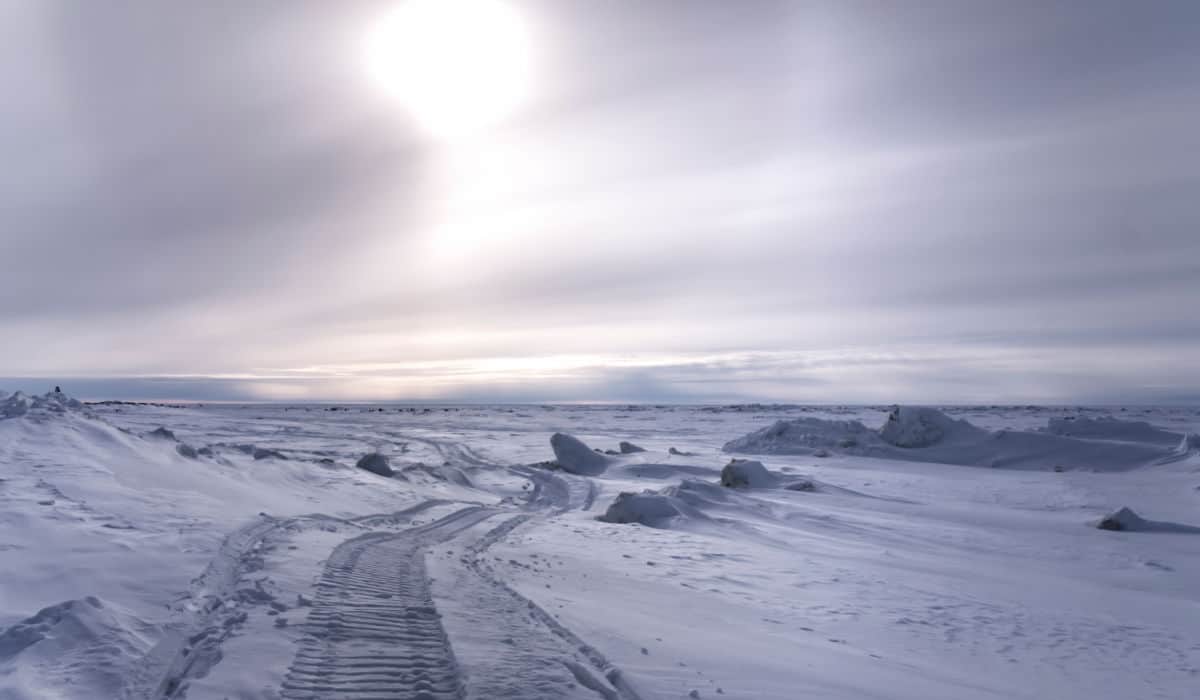
From October to March, Alaska experiences progressively shorter days, culminating in the winter solstice. North of the Arctic Circle, the sun disappears entirely for weeks or months. For instance, Utqiaġvik enters its “polar night” around mid-November, with the sun not reappearing until late January. Even south of the Arctic Circle, cities like Fairbanks might only see 3-4 hours of direct sunlight, often low on the horizon, creating an extended period of twilight.
This extended darkness presents a different kind of beauty and fosters a unique way of life. Indoor activities become more prominent, communities gather for festivals, and residents develop coping mechanisms, often including specialized lighting and vitamin D supplements, to maintain well-being. Tourism during this period shifts focus, attracting those who specifically seek the quiet solitude of winter and the ethereal glow of the aurora.
The Magic of the Northern Lights
The long, dark nights of winter are ideal for witnessing the Northern Lights, or aurora borealis, a phenomenon that draws visitors from across the globe.
- Optimal Viewing: The best time to see the Northern Lights is from late August to April, when the nights are long and dark, and solar activity is favorable. Fairbanks is often considered one of the best places in the world for aurora viewing due to its location, clear skies, and minimal light pollution.
- Tours and Guides: Many tour operators specialize in aurora viewing, taking visitors to remote locations away from city lights, often with heated viewing cabins and hot beverages. Some luxury travel experiences include staying in glass-domed accommodations designed for aurora observation.
- Photography: Capturing the Northern Lights is a bucket-list item for many photographers. Guides often provide tips on camera settings to immortalize the dancing lights.
The experience of seeing the Northern Lights is profoundly moving, a testament to the powerful beauty that can emerge from Alaska’s winter darkness. It transforms what might seem like a disadvantage into an awe-inspiring advantage for tourism.
Winter Activities and Festivities
Despite the limited daylight, Alaska in winter offers a plethora of activities and unique cultural experiences.
- Dog Sledding: Take a thrilling ride through snow-covered landscapes, perhaps even experiencing a portion of the Iditarod Trail Sled Dog Race. Many kennels offer tours and demonstrations.
- Ice Skating and Skiing: Resorts and local communities provide opportunities for ice skating, cross-country skiing, and downhill skiing against stunning backdrops.
- Ice Sculpting and Winter Festivals: Cities like Fairbanks host elaborate ice carving competitions and winter festivals that celebrate the season with art, music, and community spirit.
- Hot Springs: Soaking in natural hot springs, like Chena Hot Springs near Fairbanks, provides a warm retreat and another opportunity to potentially view the aurora against the dark sky.
Winter travel to Alaska offers a profound connection to the raw beauty and resilience of this land, showcasing how life not only endures but thrives amidst the cold and darkness.
Adapting to Alaska’s Unique Rhythms
Life in Alaska, whether as a resident or a temporary visitor, demands a certain adaptability to its extreme light cycles. This unique lifestyle shapes everything from daily routines to urban planning.
Lifestyle Adjustments for Residents
Alaskans have developed various strategies to cope with the dramatic shifts in daylight. During summer, many embrace the Midnight Sun by working longer hours, engaging in outdoor hobbies late into the evening, and sometimes struggling with sleep patterns. Children play outdoors until “late” hours, often unaware of the actual time. Homes are equipped with heavy blinds or blackout curtains to create artificial night.
In winter, the limited daylight encourages a focus on indoor community events, arts, and crafts. Seasonal Affective Disorder (SAD) is a recognized challenge, and many residents use light therapy lamps, maintain active social lives, and engage in winter sports to boost their mood and well-being. The community spirit often strengthens in winter, as people rely on each other during the darker months. This resilience and ingenuity are central to the Alaskan lifestyle.
Travel Tips for Visitors
For travelers, preparing for Alaska’s light cycles is essential for an enjoyable trip.
- Pack Appropriately: Regardless of the season, layers are crucial. In summer, include an eye mask for sleep. In winter, bring warm clothing suitable for extreme cold, even if planning indoor activities, as temperatures can drop significantly.
- Choose Your Season Wisely: Decide whether you prefer endless daylight for activities or extended darkness for aurora viewing. Your choice of season will dramatically alter your experience.
- Book Accommodations with Blackout Curtains: For summer visits, confirm that your hotel, resort, or rental apartment offers effective blackout options to ensure restful sleep. Consider unique accommodations like cabins or boutique hotels for a more local experience.
- Plan Your Itinerary: In summer, you can pack more activities into a day. In winter, plan around the limited daylight, focusing on daytime excursions and reserving evenings for aurora hunts or cozy indoor experiences.
- Stay Hydrated and Well-Rested: The extreme light or lack thereof can affect your body clock. Prioritize sleep and stay hydrated to combat potential fatigue.
Planning Your Alaskan Journey: When to Visit
The “best” time to visit Alaska depends entirely on what you wish to experience regarding its unique light patterns and the activities they enable.
Summer or Winter: Choosing Your Light Experience
- For the Midnight Sun and Endless Days (May-August): If your primary goal is maximizing outdoor activities like hiking, fishing, wildlife viewing, cruising the Inside Passage, or simply experiencing the surreal sensation of constant daylight, summer is your season. This is also when most tourist facilities are fully open, and transportation options like the Alaska Railroad run their full schedules. Popular destinations include Anchorage, Fairbanks, Denali National Park, and Juneau.
- For the Northern Lights and Winter Wonders (September-April): If seeing the aurora borealis is your dream, or you wish to embrace winter sports, dog sledding, and the quiet beauty of a snow-covered landscape, then the darker months are for you. Late August/early September offers a transition where you might see both fall colors and early aurora. Fairbanks is the prime destination for aurora viewing, but winter experiences can be found across the state, even in coastal towns like Ketchikan (though with less dramatic light shifts).
Accommodations and Experiences Tailored to the Seasons
Regardless of your chosen season, Alaska offers a wide range of accommodation options and tailored experiences. From luxurious wilderness lodges providing unparalleled access to nature and gourmet dining, to comfortable city hotels, charming bed and breakfasts, and even glamping sites, there’s something for every budget and lifestyle.
Consider booking specialized tours that align with the season’s light. In summer, consider a late-night wildlife cruise or a Midnight Sun kayaking trip. In winter, look for aurora packages that include comfortable viewing stations or even igloo stays. Many Alaskan hotels and resorts are geared towards enhancing the seasonal experience, whether it’s providing top-notch blackout solutions in summer or cozy, aurora-viewing rooms in winter. Pre-booking, especially for peak summer travel, is always advisable, as popular destinations and unique accommodations fill up quickly.
In conclusion, the question “Does it get dark in Alaska?” is a gateway to understanding the incredible diversity and unique allure of this magnificent state. It gets dark, yes, but often not in the way you might expect, and the variations between light and darkness are precisely what make Alaska an unparalleled destination for any traveler seeking an extraordinary adventure.