
Phoenix, Arizona, is renowned for its scorching summer temperatures, seemingly endless sunshine, and a landscape dominated by saguaro cacti and arid desert beauty. The image of the “Valley of the Sun” evokes warmth, outdoor adventures, and a year-round escape from colder climates. So, the question, “Does it snow in Phoenix, Arizona?” often comes as a surprise, prompting images that defy its typical reputation. While the idea might seem counterintuitive for a city known for its intense heat, the answer, surprisingly, isn’t a definitive “never.” It’s more nuanced, involving rare occurrences, elevation, and proximity to other distinct Arizona regions.
For the vast majority of residents and visitors, experiencing snow in Phoenix proper is an exceptionally rare event, a true anomaly that makes local headlines. The city’s low elevation, generally sitting around 1,100 feet (335 meters) above sea level, combined with its position within the Sonoran Desert, means that temperatures rarely drop below freezing for extended periods, which is crucial for snow accumulation. Yet, Arizona is a state of incredible topographical diversity, offering everything from scorching desert valleys to towering snow-capped peaks. This article will delve into the reality of snow in Phoenix, explore its infrequent historical appearances, and, more practically for snow-seekers, highlight the best places near the city where you can reliably find a winter wonderland. We’ll also cover why Phoenix remains a premier travel destination, regardless of its snowy status, and provide insights into planning an unforgettable visit.
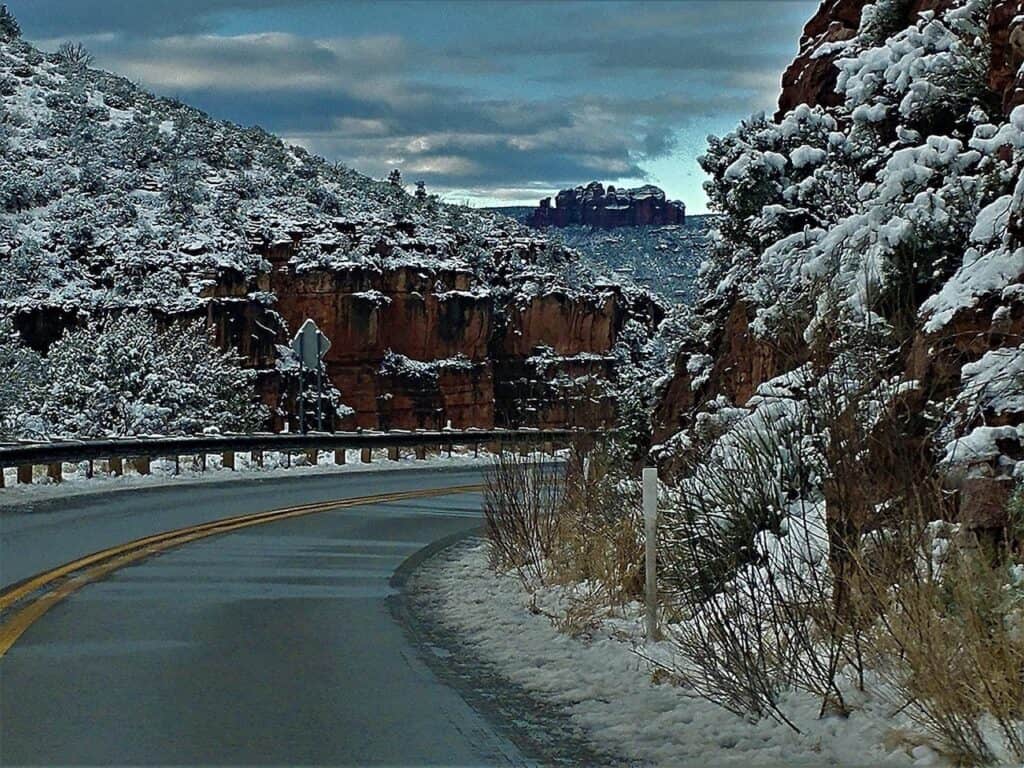
The Desert Climate: Why Snow is a Rarity in Phoenix
To understand why snow is such an unusual sight in Phoenix, it’s essential to grasp the city’s unique climate. Phoenix experiences a hot desert climate, characterized by two main seasons: an extremely hot summer and a mild winter.
During the summer months, from June to September, daily temperatures frequently soar above 100°F (38°C), often reaching 110°F (43°C) or higher. Even the nighttime lows in summer can remain uncomfortably warm, often staying above 80°F (27°C). This intense heat makes any form of frozen precipitation virtually impossible. The city then transitions into a milder period from October to May, with average daytime temperatures ranging from the comfortable 60s and 70s°F (15-26°C) in winter to the pleasant 80s and 90s°F (27-37°C) in spring and fall. Nights during winter can occasionally dip into the 30s°F (around 0°C), especially in December and January, but these cold spells are typically short-lived and not severe enough to produce widespread snowfall.
The atmospheric conditions required for snow are quite specific. It requires moisture in the air, temperatures below freezing (32°F or 0°C) from the clouds all the way down to the ground, and a sustained period of these conditions. While Phoenix does receive some precipitation, primarily during the monsoon season in late summer and occasional winter storms, these events rarely coincide with temperatures cold enough to support snow. Even when the temperature at ground level drops to freezing, the air higher in the atmosphere might be too warm, causing any potential snowflakes to melt into rain before reaching the ground. This combination of factors — low elevation, general warmth, and specific atmospheric moisture/temperature profiles — creates a natural barrier against regular snowfall in the Valley of the Sun.

Historical Occurrences: When Phoenix Has Seen Snow
Despite the odds, Phoenix has indeed witnessed snow on a handful of occasions throughout its recorded history. These events are so rare that they are often passed down through generations and remain vivid memories for those who experienced them.
One of the most notable snowfalls occurred on January 21-22, 1937, when a significant winter storm blanketed the city. Reports from that era describe several inches of snow accumulating across the Phoenix metropolitan area, transforming the desert landscape into a fleeting white wonderland. This event was particularly remarkable for its depth and widespread nature.
Another memorable, albeit less significant, dusting happened on December 13, 1971, when light snow fell, primarily on the higher elevations within the city, such as South Mountain Park and Preserve and Camelback Mountain. While not a widespread accumulation, it was enough to capture attention.
More recently, Phoenix experienced a light snowfall on December 31, 1990, just in time for New Year’s Eve celebrations. This event saw a light dusting, primarily on cars and elevated surfaces, with some parts of the city receiving enough to briefly cover lawns. It was largely a visual spectacle rather than a significant accumulation, but it certainly provided a unique way to ring in the new year.
There have been a few other instances of trace amounts or very light flurries, often barely noticeable, usually melting immediately upon contact with the ground. These sporadic events are typically associated with unusually cold and moist atmospheric patterns that manage to penetrate the deep, warm air mass usually protecting Phoenix. For tourists visiting Phoenix hoping to see snow, it’s best to temper expectations; witnessing it firsthand would be an extraordinary stroke of luck.
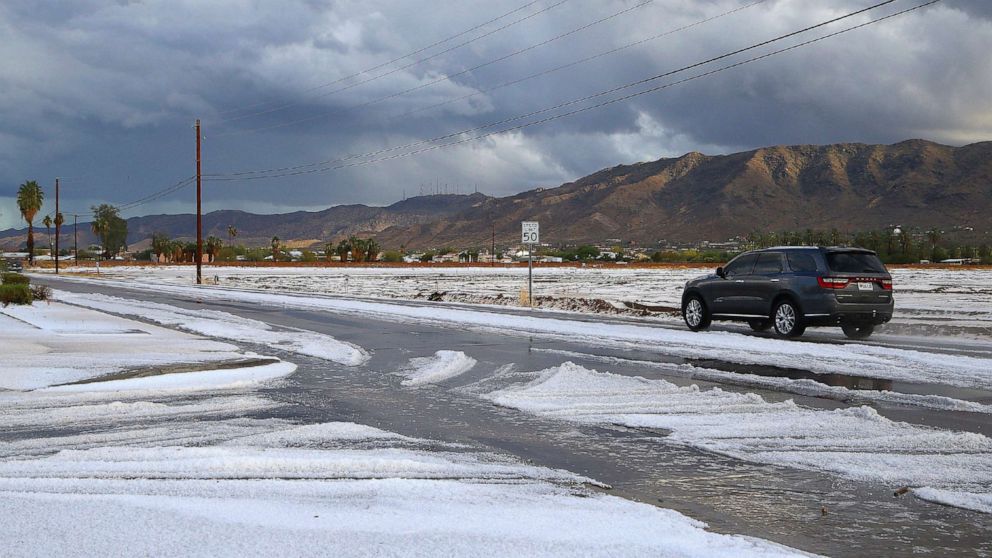
Chasing Snow: Winter Wonders Near Phoenix
While snow in Phoenix is a rare phenomenon, residents and visitors don’t have to travel far to experience a true winter landscape. Arizona’s diverse topography means that a two to three-hour drive can transport you from cacti to pine trees, and from sunshine to snow. Many higher elevation areas within the state reliably receive snowfall every winter, offering opportunities for skiing, snowboarding, sledding, and simply enjoying a picturesque snowy scene.
Flagstaff and the Arizona Snowbowl
For serious snow enthusiasts, Flagstaff is the ultimate destination, often referred to as Arizona’s winter sports capital. Located just over two hours north of Phoenix, Flagstaff sits at an elevation of approximately 7,000 feet (2,134 meters) and is surrounded by the San Francisco Peaks, the highest mountain range in Arizona.
Here, you’ll find Arizona Snowbowl, one of the oldest continually operating ski resorts in the United States. Arizona Snowbowl boasts over 70 runs, eight lifts, and an average annual snowfall of 260 inches (6.6 meters). It’s a fantastic place for skiing, snowboarding, and even lessons for beginners. The season typically runs from late November or early December through April, weather permitting.
Beyond Arizona Snowbowl, the city of Flagstaff itself transforms into a charming winter village. You can enjoy sledding at local parks, cross-country skiing on groomed trails, or simply explore the historic downtown area adorned with festive lights. Popular activities include visiting Lowell Observatory, which often has night sky viewing events, or taking a scenic drive through snow-dusted ponderosa pine forests. Accommodation options range from cozy bed and breakfasts to modern hotels, making it an ideal weekend getaway from Phoenix.
Prescott and the Bradshaw Mountains
Another excellent option for experiencing snow is Prescott, located about 1.5 to 2 hours north of Phoenix. Situated in the Bradshaw Mountains at an elevation of approximately 5,300 feet (1,615 meters), Prescott experiences all four seasons, including regular winter snowfall.
While Prescott doesn’t have a ski resort, it offers plenty of opportunities for sledding, building snowmen, and enjoying a picturesque winter atmosphere. The historic Courthouse Plaza becomes particularly enchanting when dusted with snow, often decorated for the holidays, earning Prescott the title of “Arizona’s Christmas City”. Local parks and surrounding forest areas provide ideal spots for families to play in the snow. Watson Lake, with its unique granite Dells, offers stunning contrasts when partially frozen or surrounded by snow. It’s a perfect destination for a day trip or an overnight stay to enjoy a more serene winter experience away from the bustling ski slopes.
The Grand Canyon
For a truly awe-inspiring winter experience, consider a trip to the Grand Canyon. The South Rim of the Grand Canyon, open year-round, typically receives significant snowfall during winter. The sight of the vast canyon depths blanketed in white, with snow clinging to the ancient rock formations, is breathtaking and offers a completely different perspective than the more commonly seen summer views.
While the North Rim closes for winter due to heavy snow, the South Rim provides accessible viewpoints, snowshoeing trails, and a quieter, more contemplative atmosphere than in peak season. It’s about a 3.5 to 4-hour drive from Phoenix, making it feasible for an extended day trip or, ideally, an overnight stay to fully soak in the majesty of this Natural Wonder of the World in its winter garb.
Beyond the Snow: Why Phoenix Remains a Premier Destination
Even without reliable snowfall, Phoenix’s allure as a travel destination is undeniable, especially during its glorious winter months when visitors from colder climates flock to its warm embrace. The city offers a vibrant mix of outdoor activities, cultural attractions, culinary delights, and luxurious resorts, making it a perfect escape.
Outdoor Adventures and Desert Beauty
The mild winter weather is ideal for exploring the unique Sonoran Desert landscape. Hiking and mountain biking are hugely popular, with iconic trails at Camelback Mountain and South Mountain Park and Preserve offering stunning panoramic views of the city. For a more relaxed experience, the Desert Botanical Garden showcases the incredible diversity of desert flora, including thousands of species of cacti and succulents, often in bloom. Golfing is another major draw, with hundreds of world-class courses designed to take advantage of the sunny skies and dramatic desert backdrops. Visitors can also enjoy hot air balloon rides, off-roading adventures, or simply lounging by a resort pool under the clear blue sky.
Rich Culture and Arts Scene
Phoenix boasts a thriving cultural scene. The Heard Museum is internationally renowned for its collection of Native American art and culture, offering deep insights into the history and traditions of the Southwest. The Musical Instrument Museum (MIM) is another must-visit, housing an astounding collection of instruments from around the globe. Architecture enthusiasts will appreciate Taliesin West, Frank Lloyd Wright’s winter home and architectural school, a UNESCO World Heritage site. The city’s downtown area and neighboring Scottsdale also feature numerous art galleries, theaters, and live music venues, ensuring there’s always something to engage and entertain.
World-Class Resorts and Culinary Experiences
Phoenix and Scottsdale are synonymous with luxury, offering some of the finest resorts and spas in the United States. Properties like the Arizona Biltmore, A Waldorf Astoria Resort, The Phoenician, a Luxury Collection Resort, Scottsdale, and JW Marriott Desert Ridge Resort & Spa provide unparalleled amenities, from championship golf courses and elaborate pool complexes to rejuvenating spa treatments and gourmet dining. These resorts often serve as destinations in themselves, providing a complete vacation experience.
The culinary scene in Phoenix is dynamic and diverse, ranging from authentic Southwestern cuisine and upscale Mexican restaurants to innovative farm-to-table establishments. Old Town Scottsdale is a particular hotspot for dining and nightlife, offering a wide array of choices for every palate and budget. Food tours and farmers’ markets provide opportunities to sample local flavors and fresh produce.
Planning Your Phoenix Trip: Accommodation and Lifestyle
When planning a trip to Phoenix, especially if you’re seeking a warm winter escape or an adventure in the surrounding snow-capped mountains, understanding accommodation options and embracing the local lifestyle are key.
Diverse Accommodation Options
Phoenix caters to all types of travelers and budgets. For those seeking luxury and indulgence, the previously mentioned resorts like the Sanctuary Camelback Mountain, A Gurney’s Resort & Spa or the Hyatt Regency Phoenix in downtown offer exceptional service, amenities, and often stunning views. Many resorts also feature family-friendly options with kids’ clubs and expansive pool areas, making them ideal for family trips.
Mid-range hotels, such as those found in the Biltmore area or near Old Town Scottsdale, provide comfort and convenience without the premium price tag. For budget-conscious travelers, there are numerous motels and economy hotels scattered throughout the metropolitan area. Additionally, the rise of vacation rentals – from cozy apartments in urban centers to spacious villas with private pools in residential areas – offers flexibility and a taste of local living, especially for longer stays or groups. Booking in advance is highly recommended, particularly during the peak winter and spring seasons, when demand is high and prices can increase. Comparison websites and reviews are invaluable tools for finding the perfect stay.
Embracing the Phoenix Lifestyle
The lifestyle in Phoenix is largely centered around outdoor living, wellness, and enjoying the abundant sunshine. Visitors can easily blend into this relaxed yet active environment.
- Outdoor Activities: Embrace hiking, biking, trail running, and golf. Early mornings are best for more strenuous activities, even in winter, to beat the midday sun.
- Wellness and Spa: Take advantage of the numerous spas and wellness centers, many integrated within the luxury resorts, offering everything from desert-inspired treatments to yoga and meditation classes.
- Dining Al Fresco: Enjoy meals on patios and terraces, a common practice year-round thanks to the pleasant evenings. Explore the vibrant food scene, from upscale dining to casual eateries and food truck parks.
- Festivals and Events: Check the local calendar for events. Phoenix hosts various festivals, art shows, and sporting events throughout the cooler months, including major golf tournaments and spring training for MLB teams.
- Day Trips: Plan excursions to nearby attractions. Beyond the snow destinations, popular day trips include Sedona for its stunning red rock formations, Montezuma Castle National Monument for ancient cliff dwellings, or even a scenic drive along the Apache Trail. These destinations offer incredible natural beauty and historical insights, complementing a stay in the desert metropolis.
Whether you’re visiting for a luxury travel experience, a budget-friendly adventure, a family trip, or even a business stay, Phoenix offers a warm, inviting, and diverse environment that makes it a top-tier destination for millions each year.
In conclusion, while the thought of snow in Phoenix, Arizona, might conjure up whimsical images that are largely contrary to its desert identity, it’s not entirely impossible. Such occurrences are historically rare and celebrated anomalies. However, for those who truly crave a winter wonderland experience, Arizona generously provides accessible snowy escapes just a short drive away in places like Flagstaff, Prescott, and the Grand Canyon. For most, Phoenix serves as the perfect antidote to winter, offering abundant sunshine, outdoor activities, rich culture, and world-class amenities that make it an exceptional destination, snow or no snow.
LifeOutOfTheBox is a participant in the Amazon Services LLC Associates Program, an affiliate advertising program designed to provide a means for sites to earn advertising fees by advertising and linking to Amazon.com. Amazon, the Amazon logo, AmazonSupply, and the AmazonSupply logo are trademarks of Amazon.com, Inc. or its affiliates. As an Amazon Associate we earn affiliate commissions from qualifying purchases.