
The question “Does it snow in San Francisco?” is a common one, often posed by hopeful travelers envisioning a winter wonderland against the backdrop of the iconic Golden Gate Bridge. The short, definitive answer is: rarely. While the city is famous for its rolling hills, perpetually swirling fog, and vibrant culture, heavy snowfall is an exceedingly uncommon occurrence, making any dusting of white a historic event rather than a regular seasonal expectation.
Nestled on the northern tip of the San Francisco Peninsula in California, San Francisco boasts a unique microclimate that sets it apart from many other major United States cities. This climate is heavily influenced by the cool currents of the Pacific Ocean and the geography of the San Francisco Bay. Understanding these factors is key to appreciating why snow is such a rarity and what visitors can truly expect from a trip to this enchanting city, regardless of the season.
A Rarity in the Golden City: San Francisco’s Unique Climate
San Francisco is renowned for its Mediterranean climate, characterized by mild, wet winters and dry, cool summers. This is a stark contrast to the dramatic seasonal shifts that bring snow to many parts of the world. The city’s weather is primarily governed by the cold currents of the Pacific Ocean, which act as a natural air conditioner, keeping summer temperatures moderate and preventing extreme cold in winter.
The famous San Francisco fog, often personified as “Karl the Fog,” is another critical element of the city’s climate. This marine layer forms when warm air flows over the cold Pacific Ocean currents, creating dense blankets of mist that roll over the hills, particularly during the summer months. While the fog contributes to the city’s unique atmospheric charm, it also traps moisture and moderates temperatures, making it difficult for the air to cool sufficiently for snow formation. For snow to fall, temperatures must drop to freezing (32°F or 0°C) at ground level, and crucially, throughout the entire atmospheric column where precipitation is forming. San Francisco’s mild winters typically see average daily temperatures hovering in the 40s and 50s Fahrenheit (4-15°C), which is simply too warm for snow.
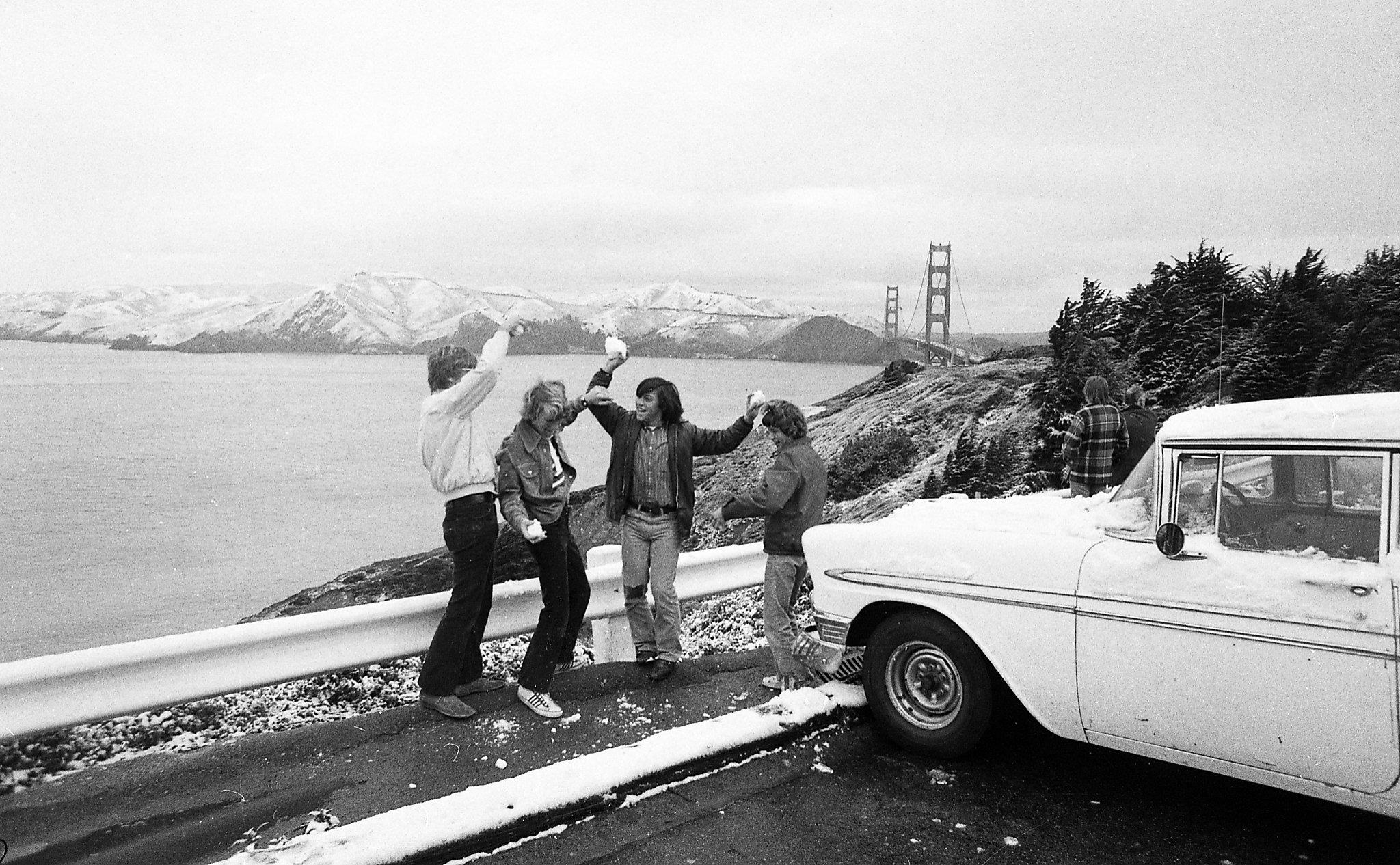
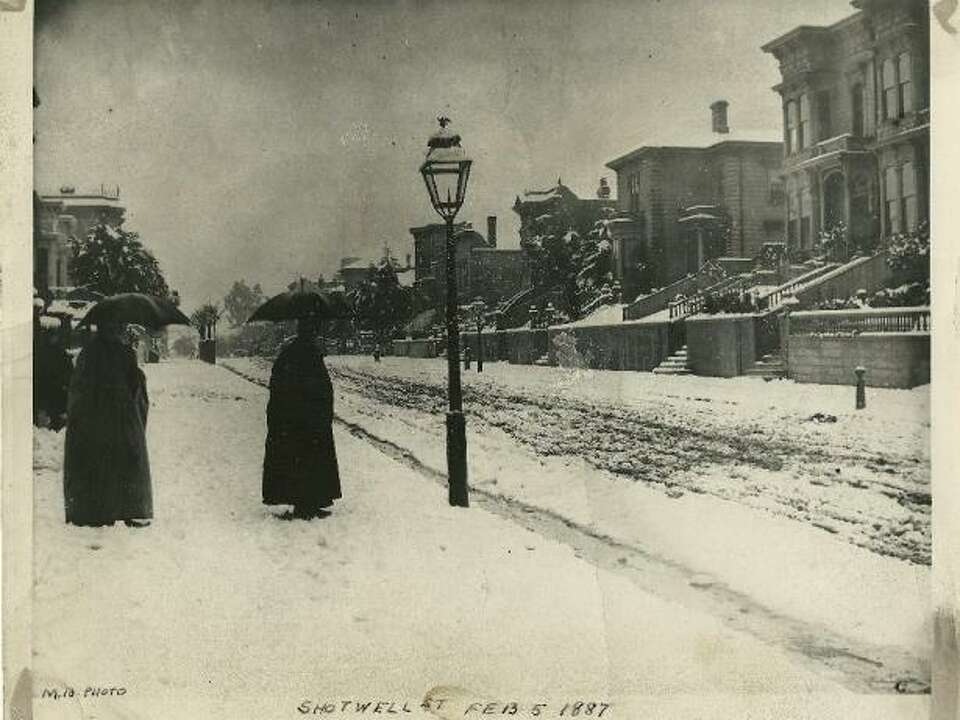
Historically, snow has fallen in San Francisco on only a handful of occasions, each time becoming a memorable local event. Records indicate notable snowfalls in 1887, 1951, and most recently in February 1976, when residents awoke to a light dusting that briefly coated the city’s highest peaks, including Twin Peaks and Mount Sutro. These were generally light dustings, accumulating to no more than a few inches, and quickly melted away, emphasizing their ephemeral nature. The rarity of these events underscores just how exceptional a snowy day in San Francisco truly is, making it a bucket-list item for meteorologists and local enthusiasts alike.
What to Expect: San Francisco’s Winter Weather
For travelers planning a winter visit to San Francisco, it’s important to recalibrate expectations away from snow-covered landscapes and towards a different kind of charm. Winter, generally from November to March, is the city’s rainy season. While temperatures remain mild, rarely dipping below freezing, you can anticipate cooler, crisper air and a higher chance of precipitation.
Typical winter days in San Francisco often start with clear skies, giving way to patchy fog, and occasionally bringing rain showers, especially in the afternoons or evenings. The average high temperatures range from the mid-50s to low-60s Fahrenheit (13-17°C), with lows in the mid-40s Fahrenheit (4-7°C). This is far from harsh winter weather, but it’s certainly cool enough to warrant proper layering.
Packing Essentials for a San Francisco Winter:
- Layers, Layers, Layers: This is the golden rule for dressing in San Francisco any time of year, but especially in winter. Mornings can be chilly, afternoons mild, and evenings cool, often with a biting wind. Pack sweaters, cardigans, and light jackets that can be easily added or removed.
- Waterproof Outerwear: A good rain jacket or a water-resistant coat is essential. While rain isn’t constant, it can be unpredictable.
- Comfortable Walking Shoes: San Francisco is a city best explored on foot, navigating its many hills and diverse neighborhoods. Choose waterproof or water-resistant shoes with good grip.
- Scarf and Hat: These can be invaluable for combating the brisk winds, particularly near the waterfront or on open hills.
- Umbrella: A compact umbrella can be a lifesaver during unexpected showers.
Instead of snow, winter in San Francisco offers a different kind of atmospheric beauty. The air is often clean and crisp after a rainfall, enhancing visibility and offering breathtaking views of the San Francisco Bay and the city’s iconic landmarks. The occasional dramatic storm can create incredible photo opportunities, with moody skies over the Golden Gate Bridge or glistening streets reflecting the city lights. While other destinations might be bustling with ski enthusiasts or families building snowmen, San Francisco provides a milder, more cultural, and culinary-focused winter travel experience.
Embracing San Francisco’s Year-Round Appeal: Beyond the Snowfall Myth
While snow may be off the table, San Francisco shines as a premier travel destination, offering an incredible array of attractions and experiences that are accessible and enjoyable regardless of the season. The city’s mild climate ensures that its iconic sights, world-class dining, and vibrant cultural scene are available year-round, making it a fantastic choice for any traveler.
Iconic Landmarks and Districts to Explore
San Francisco is a treasure trove of famous places, each offering a unique glimpse into the city’s rich history and dynamic present. Even on a cool, crisp winter day, these landmarks beckon.
- Golden Gate Bridge: Walk, bike, or drive across this engineering marvel. The views of the Pacific Ocean, San Francisco Bay, and the city skyline are unparalleled, often made more dramatic by swirling fog or a clear, sunny winter sky.
- Alcatraz Island: A ferry ride to “The Rock” offers a fascinating, albeit chilling, journey through history. The self-guided audio tour provides compelling insights into the notorious prison. Booking in advance is highly recommended, especially during peak travel times.
- Fisherman’s Wharf: This bustling waterfront district is home to Pier 39’s barking sea lions, Boudin Bakery’s famous sourdough bread, and a plethora of seafood restaurants. It’s a lively spot for families and foodies alike.
- Lombard Street: Known as the “most crooked street in the world,” this picturesque road on Russian Hill is a fun photo opportunity.
- Chinatown: The oldest Chinatown in North America, this vibrant neighborhood is a sensory delight, with ornate gates, bustling markets, authentic eateries, and unique shops.
- Union Square: The city’s premier shopping, hotel, and theater district. It transforms into a festive hub during the holiday season, complete with an ice-skating rink.
- Golden Gate Park: Larger than New York City’s Central Park, this urban oasis offers numerous attractions, including the California Academy of Sciences, the de Young Museum, the Japanese Tea Garden, and the Conservatory of Flowers. It’s perfect for a leisurely stroll or bike ride.
- Palace of Fine Arts: A stunning Greco-Roman rotunda and colonnades that provide a serene backdrop for photographs and a peaceful escape.
- Cable Cars: No trip to San Francisco is complete without a ride on these iconic, manually operated Cable Cars. They offer a historic and exhilarating way to navigate the city’s steep hills.
Culinary Delights and Cultural Experiences
San Francisco’s culinary scene is as diverse and dynamic as its population. From Michelin-starred restaurants to casual food trucks, there’s something for every palate. The city is particularly famous for its fresh seafood, farm-to-table dining, and a thriving craft cocktail culture. The Ferry Building Marketplace is a must-visit for foodies, offering artisanal products, gourmet eateries, and stunning views of the Bay Bridge.
Beyond food, San Francisco is a hub of arts and culture. Museums like the San Francisco Museum of Modern Art (SFMOMA), the Asian Art Museum, and the Legion of Honor house impressive collections. The city also boasts a vibrant performing arts scene, with numerous theaters, music venues, and live performance spaces. Exploring unique neighborhoods like Haight-Ashbury (birthplace of the counterculture movement), the colorful Mission District (known for its vibrant murals and Latin American culture), and the upscale Nob Hill offers distinct cultural experiences.

Accommodation Options for Every Traveler
As a major global destination, San Francisco offers a comprehensive range of accommodation options to suit every preference and budget, catering to various travel lifestyles.
- Luxury Travel: For those seeking an indulgent experience, San Francisco boasts world-class hotels and resorts offering opulent suites, exquisite amenities, and impeccable service. Iconic establishments around Union Square or Nob Hill provide lavish stays with stunning city views, perfect for a romantic getaway or a high-end business trip.
- Boutique Hotels: Numerous charming boutique hotels, often with unique themes and personalized services, can be found in neighborhoods like SoMa or Pacific Heights, offering a more intimate and local feel.
- Budget Travel: San Francisco also has a strong offering for budget-conscious travelers, including hostels, motels, and more affordable hotel chains, particularly further from the main tourist hubs.
- Family Trips: Many hotels offer family-friendly amenities, connecting rooms, and special packages. Serviced apartments or vacation rentals are also popular choices for families, providing extra space and facilities like kitchens, which can significantly reduce travel costs and enhance comfort for long-term stays.
- Business Stays: The city is a major business hub, and hotels in the Financial District and SoMa cater specifically to business travelers with meeting facilities, executive lounges, and convenient access to corporate offices.
- Long-Term Stays: For those planning an extended visit, fully furnished apartments and villas are available, offering the comforts of home and an opportunity to immerse oneself more deeply in local culture. Platforms for booking and reviews are abundant, allowing travelers to compare options and find the perfect fit.
Regardless of your travel style or the season, booking accommodations in advance is always advisable, especially during popular festivals or conventions. Researching reviews and comparing amenities can help ensure a comfortable and enjoyable stay.
Planning Your San Francisco Getaway: Tips and Considerations
When planning your trip to San Francisco, keeping its unique climate in mind is crucial for a fulfilling experience.
Best Time to Visit:
While San Francisco is a year-round destination, many locals and frequent visitors consider September and October to be the ideal months. This “Indian Summer” often brings the warmest, clearest weather, with the famous fog less prevalent. However, for those looking for fewer crowds and potentially better deals on hotels and flights, the winter months (excluding the holiday peak) can be an excellent option, provided you’re prepared for cooler, potentially rainy weather. Spring (April-May) also offers pleasant weather and blooming flowers.
Getting Around:
San Francisco is a highly walkable city, but its steep hills can be challenging. The city boasts an excellent public transportation system, including BART (Bay Area Rapid Transit) for regional travel, Muni buses and streetcars for local routes, and the iconic Cable Cars. Ride-sharing services and taxis are also readily available. Consider purchasing a Clipper Card for seamless travel across different transit systems.
Nearby Snowy Escapes:
For travelers who truly crave snow, a day trip or weekend getaway from San Francisco can easily satisfy that desire. The majestic Sierra Nevada Mountains, home to world-class ski resorts around Lake Tahoe and the stunning landscapes of Yosemite National Park, are just a 3-4 hour drive away. These destinations offer ample opportunities for skiing, snowboarding, snowshoeing, and enjoying picturesque snowy vistas. This allows visitors to enjoy the mild, cultural urban experience of San Francisco and still get their dose of winter sports within a reasonable distance.
Other popular day trips or longer excursions from San Francisco include the renowned wine regions of Napa Valley and Sonoma County, the towering redwood forests of Muir Woods National Monument, and charming coastal towns like Sausalito.
In conclusion, while the romantic notion of snow falling over the Golden Gate Bridge is a beautiful image, it’s a dream that rarely materializes in reality. San Francisco offers a distinct, temperate climate that allows for year-round exploration of its incredible landmarks, diverse culinary scene, and rich cultural tapestry. Visitors should pack layers, anticipate mild temperatures and potential rain, and prepare to be enchanted by a city that thrives on its unique character, fog, and vibrant energy, rather than a blanket of white.
LifeOutOfTheBox is a participant in the Amazon Services LLC Associates Program, an affiliate advertising program designed to provide a means for sites to earn advertising fees by advertising and linking to Amazon.com. Amazon, the Amazon logo, AmazonSupply, and the AmazonSupply logo are trademarks of Amazon.com, Inc. or its affiliates. As an Amazon Associate we earn affiliate commissions from qualifying purchases.