
The Infrequent Ballet: Understanding Seattle’s Snowfall Patterns
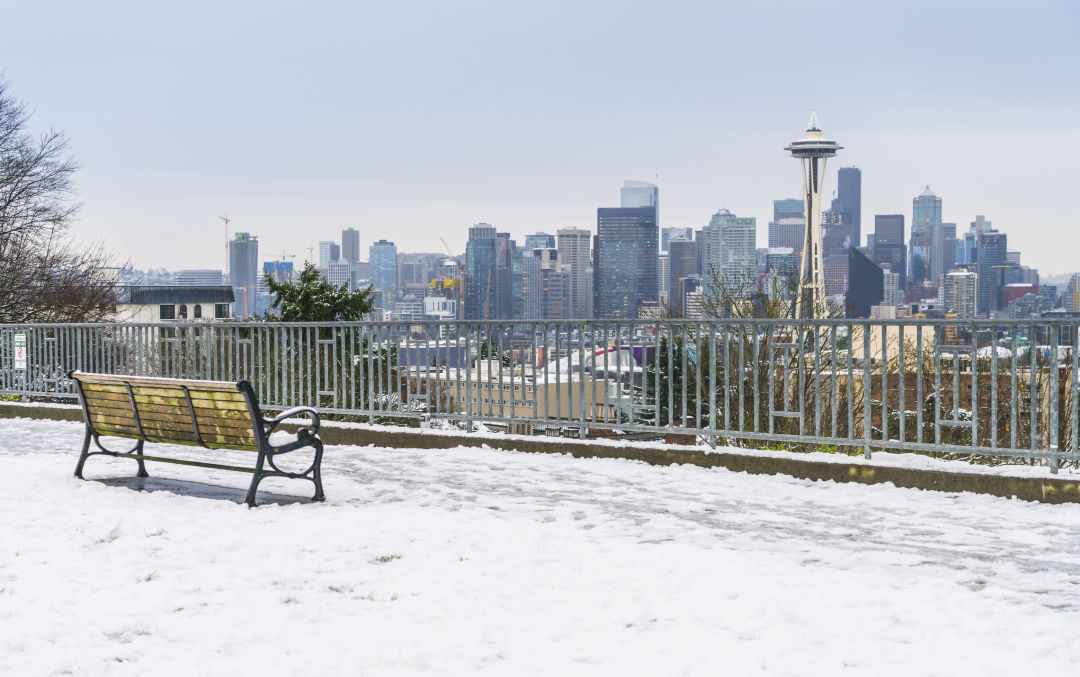
While snow is an annual possibility in [Seattle], it’s far from a guaranteed occurrence. The city’s specific geography and climate play a significant role in determining when and how much snow falls. Understanding these patterns is essential for any traveler hoping to catch a glimpse of [Seattle] under a blanket of white.
How Often Does It Snow?
[Seattle]’s average annual snowfall is relatively modest, typically ranging from 5 to 7 inches per year. However, this average can be misleading, as snowfall varies dramatically from one winter to the next. Some years, [Seattle] might see several inches accumulate in a single storm, while other years, only a few flurries might dust the rooftops before melting away. The city rarely experiences the sustained, heavy snowfalls that are common in cities like [Chicago], [Denver], or even parts of the [Northeast United States]. Instead, [Seattle]’s snow events are often short-lived, with accumulations sometimes disappearing within a day or two as temperatures rise above freezing. This sporadic nature is part of what makes a snowy [Seattle] feel so special and almost magical when it does occur, transforming familiar landmarks into postcard-perfect scenes.The [Puget Sound] region’s climate is heavily influenced by the [Pacific Ocean], which brings relatively mild, moist air. This maritime influence generally keeps winter temperatures above freezing, making rain far more common than snow. However, when cold air masses, often originating from [Canada], push down into the region and meet the moist air, snowfall can result. The combination of elevation changes within the city also means that higher neighborhoods like [Queen Anne] or [Capitol Hill] might see more accumulation than areas closer to sea level, such as the [Waterfront] or [Pioneer Square].
When to Expect Snow in Seattle
The most likely months for snow in [Seattle] are [January] and [February]. These are typically the coldest months of the year, providing the best conditions for precipitation to fall as snow rather than rain. Occasional early-season dustings can happen in late [November] or early [December], and similarly, a late-season surprise might arrive in early [March]. However, these shoulder-month snowfalls are generally lighter and less frequent.
The timing of snow events often coincides with specific weather patterns. One common scenario involves what meteorologists call a “cold air damming” event, where cold air gets trapped in the [Puget Sound] basin by the [Cascade Mountains] to the east and the [Olympic Mountains] to the west. If a moisture-laden system then moves in from the [Pacific], it can ride over this trapped cold air, leading to widespread snowfall. Another factor can be “atmospheric rivers,” which are narrow corridors of concentrated moisture. While these usually bring heavy rain, under specific cold conditions, they can contribute to significant snow events, as seen in some memorable winters. Therefore, for travelers keen on experiencing snow, monitoring forecasts for [January] and [February] would be the most strategic approach, though it’s never a guarantee.

The Character of Seattle Snow
When snow falls in [Seattle], it often differs from the light, powdery snow found in colder, drier climates. Due to the relatively mild temperatures and high moisture content in the air, [Seattle]’s snow tends to be wet and heavy. This “Cascade concrete,” as it’s sometimes affectionately (or exasperatingly) called by locals, is excellent for making snowmen and snow forts, but it can also be quite challenging for travel and can quickly turn into slush.
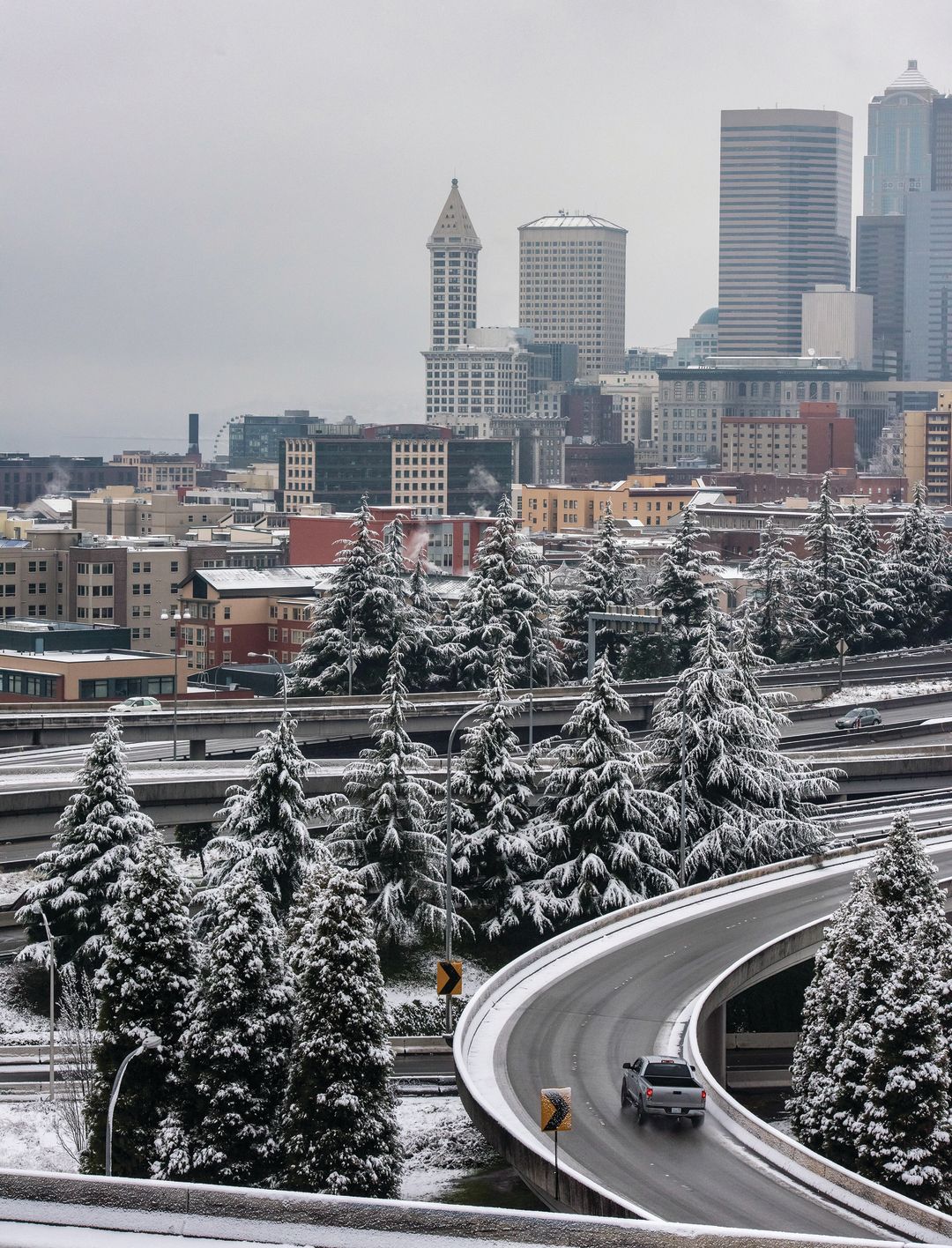
The wet nature of the snow means it often compacts densely, making it slippery on the city’s many hills. While beautiful, this type of snow can also be heavy on trees, leading to fallen branches and power outages during more significant storms. Despite its practical challenges, the sight of fresh, heavy snow clinging to the evergreen trees and historic brick buildings of [Seattle] is undeniably stunning, offering a unique photographic opportunity and a rare glimpse of the city in a different light. The fleeting nature of these snowfalls adds to their charm, making them a cherished, albeit brief, spectacle for residents and visitors alike.
Navigating a Snowy Seattle: Travel and Tourism Considerations
A snowfall in [Seattle], while beautiful, inevitably impacts daily life and travel. For tourists, understanding these potential disruptions and planning accordingly can mean the difference between an exhilarating winter adventure and an unexpected setback.
Impact on Transportation
[Seattle]’s distinctive topography, characterized by numerous hills and waterways, makes transportation particularly vulnerable during snow events. Roads that are typically bustling can become treacherous. The city’s public transportation system, primarily operated by [King County Metro] buses and [Sound Transit Light Rail], usually continues to operate, but routes may be altered, delayed, or even temporarily suspended, especially for bus lines serving hilly areas. The [Sound Transit Light Rail] tends to be more resilient, offering a more reliable option for moving between [Downtown Seattle], the [University District], and [Sea-Tac Airport] during snowy conditions.For those planning to drive, extreme caution is advised. [Seattle] drivers are not always accustomed to driving in snow, and the city’s hilly streets can quickly become icy and dangerous. Even a modest amount of snow can bring traffic to a standstill. Rental cars typically come with all-season tires, which may not be sufficient for heavy snow or ice. If you are venturing outside the city to mountain passes like [Snoqualmie Pass] or [Stevens Pass] for skiing or snowshoeing, carrying tire chains is legally required during much of the winter season and is always a wise precaution.
Air travel into and out of [Seattle-Tacoma International Airport (Sea-Tac)] can also be affected by significant snowstorms, leading to flight delays or cancellations. [Washington State Ferries], which connect [Seattle] to various islands and communities across [Puget Sound], may also experience delays or service adjustments due to weather conditions or icy docks. Travelers should monitor local news, weather forecasts, and transportation updates constantly when snow is in the forecast. Flexibility in travel plans, including booking refundable accommodations and flights, is a smart strategy for winter visitors.
Accommodation in a Winter Wonderland
When snow blankets [Seattle], finding the right accommodation becomes even more crucial for a comfortable and enjoyable stay. Travelers should prioritize hotels that offer easy access to public transport or are situated in highly walkable areas, minimizing the need for driving on potentially slick roads. [Downtown Seattle] offers a wide array of options, from luxurious high-rise hotels like the [Grand Hyatt Seattle] or the [Fairmont Olympic Hotel] to boutique establishments that exude cozy charm, perfect for a winter escape. Areas like [Pioneer Square] offer historic buildings often converted into stylish hotels, while [Queen Anne] boasts charming inns with stunning city views.
When booking winter accommodation, consider amenities that enhance the cold-weather experience. Hotels with warm, inviting lobbies, fireplaces, or even indoor pools and spas can be particularly appealing. Some accommodations might offer in-room amenities like luxurious bathrobes, heated floors, or a complimentary hot beverage service to ward off the chill. For a more budget-friendly approach, consider hotels slightly outside the immediate downtown core but still with good public transit links, or look into apartment-style accommodations that offer a “home away from home” feel, complete with kitchens for preparing warm meals. Always check recent reviews, especially those from winter travelers, to gauge the hotel’s preparedness and comfort during colder weather. Regardless of your choice, securing a cozy and well-located base will ensure you can fully appreciate the rare beauty of a snowy [Seattle].
Exploring Iconic Landmarks in the Snow
[Seattle]’s most famous landmarks take on an extraordinary beauty when draped in snow. The iconic [Space Needle], already a striking architectural marvel, becomes even more ethereal with a dusting of white, offering breathtaking panoramic views of the snowy city, [Puget Sound], and the distant, snow-capped [Olympic] and [Cascade Mountains]. A visit to the observation deck during a snowfall is an unforgettable experience, as the city transforms into a quiet, sparkling tableau below. [Pike Place Market], a hub of activity year-round, maintains its vibrant energy even in the snow. The market’s covered arcades provide shelter, allowing visitors to explore local crafts, sample fresh seafood, and warm up with a hot cup of coffee from one of its many vendors. Seeing the historic stalls and famous fish throwers against a backdrop of white creates a unique atmosphere. A stroll along the [Waterfront], perhaps after warming up with a clam chowder, offers serene views of the bay, where ferries might cut through calm waters, their wakes contrasting with the white shores.For photographers, [Kerry Park] on [Queen Anne Hill] provides the quintessential [Seattle] skyline view, even more dramatic with snow on the rooftops and surrounding hills. It’s an ideal spot to capture the [Space Needle], [Mount Rainier], and the entire city enveloped in winter’s embrace. When the weather outside is too blustery, [Seattle] boasts an impressive array of indoor attractions. The [Museum of Pop Culture (MoPOP)] offers fascinating exhibits on music, science fiction, and pop culture. The [Seattle Aquarium] provides an engaging escape into the underwater world, while [Chihuly Garden and Glass] dazzles with its exquisite glass art installations, creating a vibrant contrast to the monochromatic outdoor landscape.
Embracing Winter: Activities and Experiences in Snowy Seattle
Beyond sightseeing, a snowy visit to [Seattle] opens up a range of unique activities and experiences, from outdoor adventures to cozy indoor retreats, catering to all travel styles.
Outdoor Adventures (When Conditions Allow)
While [Seattle] itself isn’t a traditional winter sports destination, a rare heavy snowfall can briefly transform local parks into sledding havens. Popular spots like the slopes of [Discovery Park] or the panoramic hills of [Gas Works Park] might see locals flocking with sleds and inner tubes for impromptu fun. However, for serious snow activities, the nearby [Cascade Mountains] are the true playground. A short drive east of [Seattle] leads to world-class ski resorts and snowshoeing trails at places like [Snoqualmie Pass] and [Stevens Pass]. These areas reliably receive abundant snow throughout winter, offering opportunities for downhill skiing, snowboarding, cross-country skiing, and snowshoeing, providing a perfect day trip escape from the city. Even a scenic drive through the foothills of the Cascades during a light snowfall can be incredibly picturesque, with frosted forests and winding roads offering stunning winter vistas.
Cozy Indoor Retreats and Local Culture
When the snow is falling or the temperatures dip, [Seattle]’s famed coffee culture comes into its own. The city is dotted with countless cozy cafes, from bustling [Starbucks Reserve Roastery] locations to independent, artisan coffee shops like [Victrola Coffee Roasters] or [Caffe Vita]. Ducking into one of these warm havens with a steaming latte or rich hot chocolate is a quintessential [Seattle] winter experience. Many cafes also offer pastries and light meals, making them perfect spots for a leisurely break.
Beyond coffee, [Seattle]’s culinary scene truly shines in winter. Warm up with hearty [Pacific Northwest] cuisine, from fresh seafood stews to gourmet comfort food at restaurants throughout the city. Explore the vibrant dining scene in neighborhoods like [Ballard], [Fremont], or [Capitol Hill], each offering a unique array of eateries, breweries, and bars. For book lovers, a visit to [The Elliott Bay Book Company] in [Capitol Hill] offers hours of browsing in a beautifully curated space, a perfect indoor activity on a snowy afternoon. The city also boasts a lively arts and culture scene, with numerous theaters, live music venues, and art galleries providing entertainment when outdoor activities are limited. If snow coincides with the holiday season, [Seattle] often hosts festive markets and light displays, adding to the city’s magical winter ambiance.
Lifestyle: Luxury, Budget, and Family Travel in Winter
A snowy [Seattle] can be experienced across various travel lifestyles. For luxury travelers, a winter visit offers opportunities for indulgent experiences, such as spa treatments at high-end hotels, gourmet dining with city views, and private tours of indoor attractions. Imagine sipping craft cocktails in a stylish bar overlooking the sparkling city lights after a fresh snowfall. For those on a budget, winter can be an off-peak travel season, potentially offering lower hotel rates and fewer crowds at popular attractions. Utilizing public transport and exploring free or low-cost activities, such as strolling through snow-dusted parks (if accessible) or enjoying the festive window displays, can make for an affordable yet memorable trip.
Families visiting [Seattle] in winter will find plenty to keep children entertained. Indoor attractions like the [Pacific Science Center], the [Woodland Park Zoo] (which can be quite charming in light snow), or children’s museums provide engaging activities for all ages. If a heavier snow falls, the novelty of building a snowman or having a snowball fight in a city park can be a highlight for kids. For romantic getaways, the unique atmosphere of a snowy [Seattle] offers a picturesque backdrop for cozy dinners, intimate walks, and enjoying the city’s beauty from a warm hotel room. Regardless of your lifestyle or travel companions, a snowy [Seattle] provides a distinct and often enchanting experience that differs significantly from its rainy reputation.
Preparing for Your Winter Visit to Seattle
Preparing adequately for a winter trip to [Seattle] is crucial, especially if you hope to experience the rare beauty of snowfall. A little foresight can ensure your trip is comfortable, safe, and enjoyable, regardless of the weather conditions.
What to Pack
The key to dressing for [Seattle]’s winter, with or without snow, is layering. Even when it snows, temperatures often hover around freezing, so extreme cold-weather gear is usually not necessary unless you’re heading to the mountains.
- Outerwear: A waterproof and windproof jacket is essential. This will protect you from rain, wet snow, and chilly winds. Look for one with a hood.
- Mid-Layers: Fleece jackets, wool sweaters, or down vests are perfect for warmth and can be easily added or removed as temperatures change.
- Base Layers: Long-sleeved shirts and thermal underwear can add extra warmth on colder days, especially if you plan to be outdoors for extended periods.
- Bottoms: Waterproof or water-resistant pants are ideal for walks in the snow or slush. Jeans can get wet and stay cold, so consider alternatives.
- Footwear: Waterproof boots with good traction are non-negotiable. [Seattle]’s hills can become very slippery with even a thin layer of snow or ice. Ensure your boots are comfortable for walking.
- Accessories: A warm hat, gloves or mittens, and a scarf are crucial for keeping extremities warm and preventing heat loss.
- Umbrella: While locals often forgo them, a compact umbrella can be useful for light rain or sleet.
- Backpack: A small, waterproof backpack is handy for carrying layers, snacks, and any purchases.
Essential Travel Tips
- Monitor Forecasts: Stay updated on local weather forecasts before and during your trip. [Seattle]’s weather can change quickly.
- Be Flexible: Snow can cause delays and closures. Be prepared to adjust your itinerary if conditions become challenging. Book refundable options where possible.
- Utilize Public Transport: During snowy periods, public transit, particularly the [Sound Transit Light Rail], can be more reliable than driving. Familiarize yourself with routes and schedules.
- Walk Safely: If walking, be mindful of icy patches, especially on sidewalks and steps. Use handrails where available.
- Embrace the Beauty: Despite potential inconveniences, a snowy [Seattle] is a rare and beautiful sight. Pack your camera and be ready to capture the magic.
- Stay Hydrated and Warm: Cold weather can be deceiving. Drink plenty of fluids and take regular breaks indoors to warm up.
- Check Attraction Hours: Some outdoor attractions or businesses might have reduced hours or temporary closures during heavy snow. Always check their websites before heading out.
Conclusion
So, does it snow in [Seattle], [Washington]? The answer is a definitive yes, though perhaps not as frequently or as heavily as one might imagine. This unique characteristic adds an unexpected layer of charm to [Seattle]’s already captivating persona. When the city does receive its annual dusting, or on rarer occasions, a more significant blanket of snow, it transforms into a quiet, sparkling spectacle, offering a stark and beautiful contrast to its renowned rainy season.
For the adventurous traveler, experiencing [Seattle] during a snowfall is a truly memorable event, blending the challenges of winter travel with the magic of seeing iconic landmarks under a fresh coat of white. By understanding [Seattle]’s climate, preparing with appropriate gear, and embracing a flexible mindset, visitors can fully immerse themselves in the distinct beauty of a [Pacific Northwest] winter. From cozy cafes to snow-dusted cityscapes, and the potential for mountain adventures just a short drive away, a snowy trip to [Seattle] promises an experience that will undoubtedly stand out from your typical travel memories. It’s a city that, even in its winter garb, remains resilient, vibrant, and utterly enchanting.
LifeOutOfTheBox is a participant in the Amazon Services LLC Associates Program, an affiliate advertising program designed to provide a means for sites to earn advertising fees by advertising and linking to Amazon.com. Amazon, the Amazon logo, AmazonSupply, and the AmazonSupply logo are trademarks of Amazon.com, Inc. or its affiliates. As an Amazon Associate we earn affiliate commissions from qualifying purchases.