
The question “Does it snow in Texas, USA?” often elicits a surprising response from those unfamiliar with the vast and climatically diverse Lone Star State. While visions of scorching deserts and sun-drenched beaches typically dominate the perception of Texas, the reality is far more nuanced. Yes, it absolutely snows in Texas, but the frequency, intensity, and duration of snowfall vary dramatically across its expansive regions. From the high plains of the Panhandle to the mountains of West Texas, and even occasionally brushing the major metropolitan areas, winter can bring a touch of white to this southern state. This article will delve into the meteorological intricacies of snow in Texas, guiding you through the regions most likely to experience a winter wonderland, suggesting charming destinations for a snowy escape, and offering essential travel and accommodation tips for planning your visit. Prepare to discover a side of Texas that might just redefine your understanding of its diverse landscapes and climates.

A State of Contrasts: Understanding Texas’s Diverse Climate
Texas is the second-largest state in the United States by both area and population, encompassing an incredible array of ecosystems, from pine forests and rolling hills to expansive deserts and Gulf Coast beaches. This geographical diversity directly translates into a wide spectrum of climates, making winter a unique experience depending on where you are in the state. Understanding these regional differences is key to knowing where and when you might encounter snow during your travels.
The Panhandle and West Texas: A Winter Wonderland
If you are actively seeking snow in Texas, your best bet is undoubtedly the Panhandle region and the mountainous areas of West Texas. These northern and western reaches of the state experience a more continental climate, characterized by colder winters and a greater likelihood of significant snowfall.
The Texas Panhandle, including cities like Amarillo and Lubbock, typically receives the most substantial and consistent snowfall in the state. Amarillo, for instance, averages around 17.8 inches of snow per year, with the highest accumulations usually occurring in January and February. Travelers to this region during the winter months, roughly from December through March, can often expect to see snow-dusted landscapes, especially after cold fronts move through. The flat plains transform into a serene white expanse, offering a starkly beautiful contrast to their usual arid appearance. Accommodation options in Amarillo range from budget-friendly hotels to comfortable suites, catering to both business travelers and families exploring the area’s unique attractions like the Cadillac Ranch or Palo Duro Canyon State Park (which, while beautiful in the snow, can have limited access during heavy winter weather).
Further west, the mountains of Texas also see notable snowfall. Cities such as El Paso, situated in the Chihuahuan Desert at a higher elevation, receives an average of 6.9 inches of snow annually. The surrounding mountain ranges, particularly the Davis Mountains and the Guadalupe Mountains National Park (home to Texas’s highest point, Guadalupe Peak), can accumulate even more impressive amounts. Visitors exploring this region in winter might be greeted by snow-capped peaks and stunning vistas, perfect for photography and cold-weather hiking. While traditional ski resorts are not found here, the opportunity for sledding or enjoying a quiet, snowy retreat is very real. When planning a trip to West Texas in winter, consider staying at charming inns in small towns like Fort Davis or exploring the unique accommodations available near Big Bend National Park, which, though less frequent, can also see snow at its higher elevations.
Central and North Texas: Occasional Flurries and Icy Surprises
Moving southeast into Central and North Texas, the frequency and amount of snowfall decrease significantly. Major metropolitan areas like Dallas, Fort Worth, Austin, and San Antonio do experience winter weather, but it’s often more characterized by cold rain, freezing rain, and sleet rather than heavy, fluffy snow.
Dallas and Fort Worth, for example, average only about 2 inches of snow per year. When it does snow, it’s typically light, short-lived, and often melts quickly once temperatures rise above freezing. However, these cities are more susceptible to disruptive ice storms, which can create treacherous driving conditions and lead to power outages. While a “snow day” is a rare and exciting event for locals, a true blanket of white that lasts for more than a day or two is uncommon. For those visiting during winter, these cities offer a wealth of indoor attractions, from world-class museums to vibrant culinary scenes, making them excellent destinations even without snow. Luxury hotels like the Omni Dallas Hotel or the Hotel Drover in Fort Worth’s Stockyards provide comfortable and amenity-rich stays, perfect for warming up after a brisk day of exploring.
Austin and San Antonio, further south, see even less snow. Austin averages a mere 0.5 inches annually, and San Antonio even less. While memorable snowfalls do occur every few years – such as the significant winter storm in February 2021 that impacted much of the state – they are exceptional events rather than regular occurrences. Tourists visiting these vibrant cities in winter will find pleasant, mild temperatures perfect for exploring the Riverwalk in San Antonio or enjoying Austin’s live music scene, without needing to pack heavy snow gear. Boutique hotels and charming bed and breakfasts abound, offering a cozy retreat after a day of sightseeing.
South Texas and the Gulf Coast: A Rare Glimpse of White
The southernmost regions of Texas and its Gulf Coast are the least likely areas to experience snow. Cities like Houston, Corpus Christi, Galveston, and South Padre Island have subtropical climates, characterized by mild winters. While temperatures can drop below freezing, genuine snowfall is exceedingly rare and often a historic event when it does occur.
Houston, for example, averages almost no measurable snow annually, with significant accumulations happening perhaps once every few decades. When snow does fall, it typically melts within hours. The Gulf Coast, with its proximity to the warm waters of the Gulf of Mexico, experiences even milder winters, making snow an almost unheard-of phenomenon. A dusting of snow on a palm tree is truly a postcard-worthy moment due to its rarity. Visitors to these areas during winter are more likely to enjoy pleasant, cool weather perfect for outdoor activities, birdwatching, or simply escaping colder northern climates. Resorts and hotels along the coast, such as the San Luis Resort in Galveston or beachfront accommodations on South Padre Island, cater to those seeking a warm winter escape rather than a snowy adventure.
Chasing the Snow: Winter Activities and Destinations in Texas
While Texas may not be synonymous with traditional winter sports, the areas that do receive snow offer unique opportunities for cold-weather enjoyment. For those determined to experience a snowy Texas, a bit of planning and an understanding of regional probabilities can lead to a memorable winter getaway.
Embrace the Cold: Skiing, Snowboarding, and Sledding?
Unlike states further north or in the Rocky Mountains, Texas does not have any commercial ski resorts. The topography and snowfall simply aren’t consistent enough to support them. Enthusiastic skiers and snowboarders from Texas often head to nearby states like New Mexico, where resorts like Ski Apache or Taos Ski Valley offer excellent slopes. However, for those seeking a more modest snow experience within the state, sledding and tubing can be found in areas that receive sufficient snowfall.
In the Texas Panhandle, when snow accumulates, local parks or gentle hills become impromptu sledding spots for families. The same applies to the mountainous regions of West Texas, particularly around Fort Davis or within parts of Big Bend National Park’s higher elevations if conditions are right. It’s important to note that these are not organized activities with rentals; rather, they are spontaneous enjoyments that arise when nature provides the snow. Travelers hoping for this experience should monitor local weather forecasts closely and be prepared to bring their own sleds or tubes.
Cozy Winter Experiences: Beyond the Snowfall
Even without a thick blanket of snow, Texas offers plenty of cozy winter experiences. Many cities transform into festive holiday destinations during December, adorned with elaborate light displays and hosting charming Christmas markets. San Antonio’s Riverwalk, for instance, is famously illuminated with millions of lights, creating a magical atmosphere for evening strolls and boat tours. Dallas and Houston boast numerous indoor attractions, including world-class museums like the Dallas Arts District or the Museum District in Houston, which are perfect for cooler days. These cultural hubs provide a warm escape, allowing visitors to delve into history, art, and science.
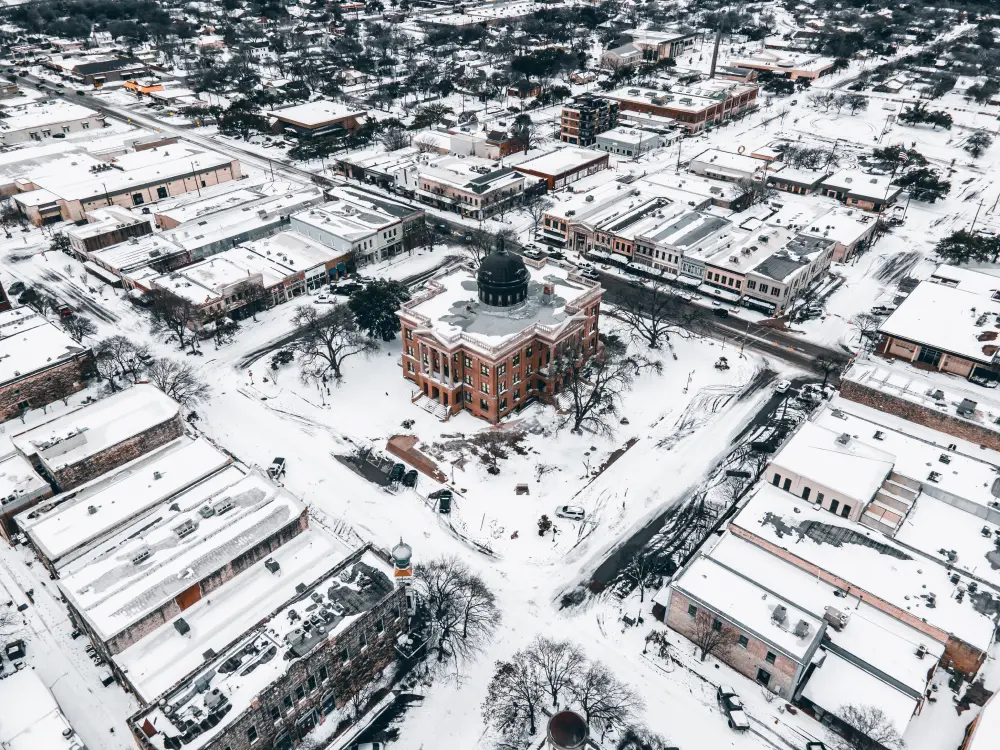
For a unique winter tourism experience, consider a trip to the Texas Hill Country, known for its picturesque vineyards. While snow is rare here, the crisp winter air provides an ideal backdrop for wine tasting tours, often less crowded than in peak seasons. Many wineries and charming towns like Fredericksburg offer cozy tasting rooms and seasonal events, providing a different kind of warmth and hospitality.
Nature’s Winter Canvas: Photography and Scenic Drives
When snow does fall in the appropriate regions, Texas’s diverse landscapes take on a breathtaking new dimension, offering unparalleled opportunities for photography and scenic drives. The vast, open spaces of the Texas Panhandle become stark and beautiful under a layer of white, with dramatic skies providing a perfect backdrop. Palo Duro Canyon State Park, the “Grand Canyon of Texas,” is particularly stunning when its vibrant red rock formations are dusted with snow, creating a spectacular contrast.
In West Texas, a drive through the Davis Mountains Scenic Loop or around Big Bend National Park (especially its higher elevations like the Chisos Basin) after a snowfall can be an ethereal experience. The desert flora, such as cacti and agave, become intricately outlined in white, and the usually rugged mountain peaks appear soft and majestic. This is a prime opportunity for nature photographers to capture unique vistas of Texas that most people never imagine. Remember to check park conditions and road closures before venturing out, as winter weather can affect accessibility to some natural landmarks.
Planning Your Winter Getaway: Accommodation and Travel Tips
A winter trip to Texas, whether you’re chasing snow or simply enjoying the cooler weather, requires careful planning, especially regarding accommodation and travel logistics. Given the state’s size and varied climates, preparation is key to a comfortable and enjoyable experience.
Where to Stay: Cozy Retreats and City Hotels
Accommodation options in Texas are as diverse as its landscapes, catering to every travel style and budget. If your goal is to maximize your chances of seeing snow, focus your search on hotels and resorts in the Texas Panhandle (like Amarillo or Lubbock) or West Texas (such as El Paso or near Fort Davis). These areas offer a range of hotels from well-known chains like Hilton, Marriott, and Hyatt to independent motels and charming bed and breakfasts that provide a cozy retreat after a cold day. For a more immersive experience in nature, consider booking a cabin or vacation rental near Big Bend National Park or in the Davis Mountains, keeping in mind that amenities might be more rustic.
In the major cities like Dallas, Fort Worth, Austin, and San Antonio, winter offers an excellent opportunity to experience luxury travel at potentially lower rates than peak seasons. You can find world-class hotels and resorts, from historic landmarks like the Hotel Emma in San Antonio to modern skyscrapers housing Hyatt Regency or JW Marriott properties. Many offer heated pools, spa services, and gourmet dining, perfect for indulgent winter relaxation. For a more local flavor, explore boutique hotels and apartments in vibrant neighborhoods. Booking in advance is always recommended, especially if your trip coincides with holidays or major events, as accommodation can fill up quickly.
Essential Winter Travel Tips for Texas
Traveling in Texas during winter, especially if snow or ice is a possibility, requires some specific considerations:
- Monitor Weather Forecasts: This is paramount. Texas weather can change rapidly. Keep an eye on local forecasts, especially for the specific region you plan to visit.
- Check Road Conditions: The Texas Department of Transportation (TxDOT) website provides up-to-date information on road closures and hazardous conditions, which is crucial during ice or snow events. Given Texas’s limited infrastructure for heavy snow removal in many areas, even a small amount of ice can cause significant disruption.
- Pack Layers: Even if you’re not going to a snowy region, Texas winters can feature dramatic temperature swings. Pack versatile layers, including warm jackets, hats, gloves, and waterproof footwear if you’re heading to areas prone to snow.
- Vehicle Preparedness: If driving to areas that might see snow or ice, ensure your vehicle is winter-ready. Check tires, antifreeze levels, and have an emergency kit with blankets, water, and snacks. Four-wheel drive can be beneficial but is not usually essential unless you plan to go off-road in remote, snowy areas.
- Flexibility: Be prepared to adjust your plans. If an unexpected snow or ice storm hits, it might be safer to stay put and enjoy indoor activities rather than attempting to drive.
Beyond the Snow: Alternative Winter Attractions
Even if snow doesn’t materialize during your winter trip, Texas offers an abundance of attractions. The cooler temperatures make it an ideal time to explore state parks and natural areas without the scorching summer heat. Hiking and birdwatching are particularly popular. The state also boasts an incredible culinary scene, from authentic Texas BBQ to vibrant Tex-Mex, perfect for warming up from the inside out. Live music venues in Austin, historic sites like the Alamo in San Antonio, and shopping districts in Houston and Dallas provide endless entertainment. Consider taking advantage of holiday festivities in December, or quieter crowds in January and February, to discover the local culture and unique charm of various Texas destinations.
The Lifestyle of Winter in Texas: Local Culture and Experiences
Winter in Texas is more than just a meteorological phenomenon; it’s a unique blend of seasonal adaptations, spirited celebrations, and comforting culinary traditions that define the local lifestyle. Understanding this cultural context enriches any winter travel experience in the state.
Texan Resilience: Adapting to Winter Weather
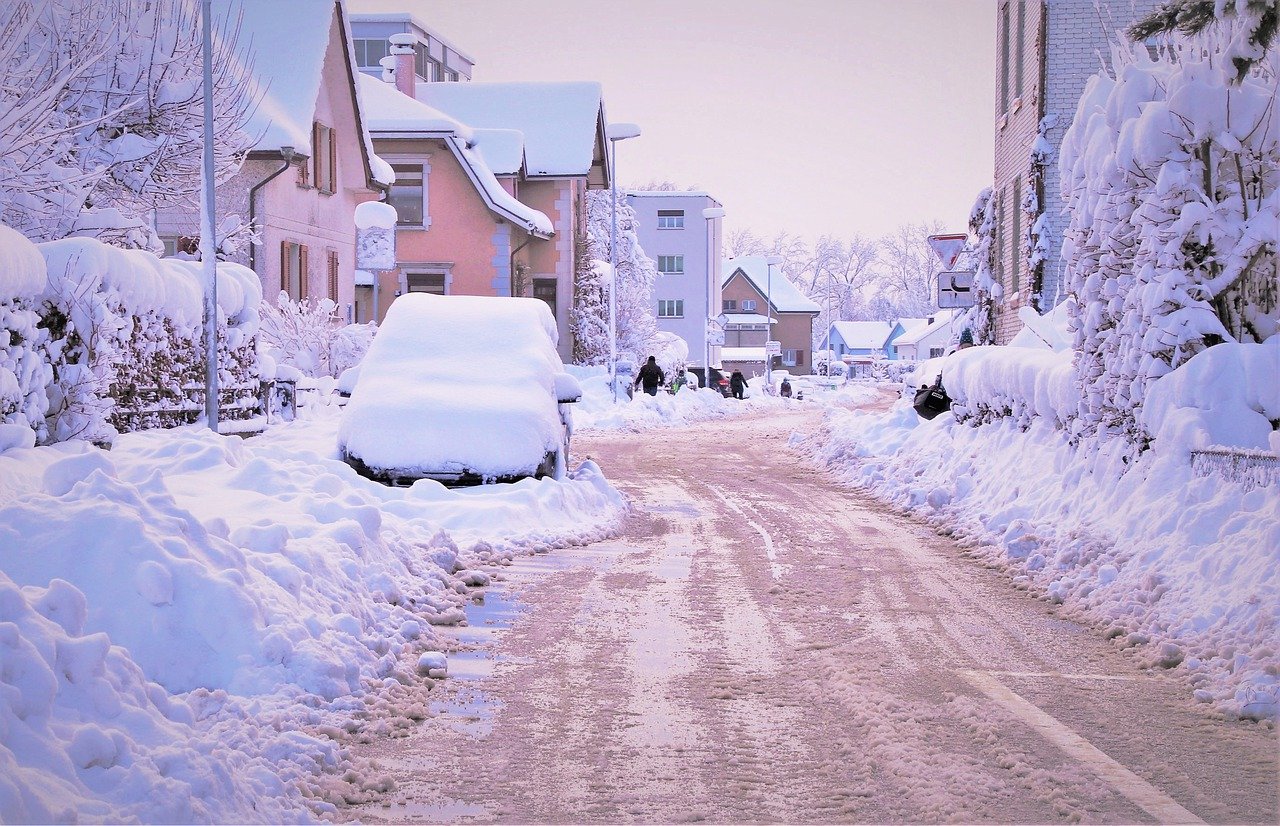
When snow or ice does grace parts of Texas, particularly in areas less accustomed to it, the local response is often a unique mix of excitement and challenge. Texans, renowned for their resilience and self-reliance, adapt quickly. Schools may close, businesses might open late, and grocery stores see a rush on bread and milk. While northern states have extensive plowing and salting infrastructure, many parts of Texas do not, meaning even a light dusting can cause roads to become slick and travel difficult. This can lead to impromptu community gatherings, sledding on golf courses, and a collective sense of shared experience. It’s a fascinating glimpse into a lifestyle that typically embraces warmth and sunshine, suddenly adjusting to the demands of winter. For visitors, this means appreciating the locals’ approach and prioritizing safety over rigid travel plans.
Holiday Cheer and Community Events
As mentioned, the winter months, especially leading up to Christmas and New Year’s, are a time of vibrant holiday cheer across Texas. Communities large and small organize parades, tree lightings, and light displays that attract visitors from near and far. The Trail of Lights in Austin’s Zilker Park, the Lights Alive! drive-thru experience in San Antonio, and the elaborately decorated Moody Gardens in Galveston are just a few examples. These events offer a festive family-friendly atmosphere and are a fantastic way to immerse oneself in the local culture during the cooler season. Many towns also host seasonal markets where local artisans sell unique crafts and foods, perfect for finding one-of-a-kind souvenirs or gifts.
A Culinary Journey Through the Cold
Winter is also an ideal time to indulge in Texas’s rich and comforting culinary traditions. While outdoor grilling is a year-round activity for many Texans, the cooler temperatures make hearty stews, chili, and classic Texas BBQ even more inviting. Explore local diners and upscale restaurants alike for dishes that warm you from the inside out. From a bowl of authentic Texas Chili to a perfectly smoked brisket, the state’s food scene thrives in winter. Don’t forget to seek out local coffee shops or breweries for warm beverages or seasonal brews that reflect the changing weather. This lifestyle aspect, focusing on food, drink, and communal warmth, is a central part of experiencing Texas during the cooler months, whether or not snow makes an appearance.
In conclusion, the answer to “Does it snow in Texas, USA?” is a resounding yes, though with significant geographical caveats. From the snow-laden plains of the Panhandle to the occasional dustings in its bustling cities, Texas offers a diverse range of winter experiences. Whether you’re actively chasing a snowy landscape, seeking a cozy urban retreat, or simply enjoying the state’s vibrant culture without the summer heat, Texas provides a unique and memorable winter travel destination. With careful planning, an understanding of its varied climates, and a readiness to embrace both its expected and unexpected charms, your winter adventure in the Lone Star State is sure to be rewarding.
LifeOutOfTheBox is a participant in the Amazon Services LLC Associates Program, an affiliate advertising program designed to provide a means for sites to earn advertising fees by advertising and linking to Amazon.com. Amazon, the Amazon logo, AmazonSupply, and the AmazonSupply logo are trademarks of Amazon.com, Inc. or its affiliates. As an Amazon Associate we earn affiliate commissions from qualifying purchases.