
For decades, the mention of public transportation in Los Angeles, California, conjured images of sprawling freeways and endless traffic. The idea of navigating this vast metropolis without a car seemed almost unthinkable for many. However, beneath the surface and along dedicated rail corridors, a significant transformation has taken place. The answer to whether Los Angeles has a subway system is a resounding yes, though it’s part of a much larger, more diverse public transit network known as Metro Rail. This modern, expanding system offers a refreshing alternative to the city’s notorious congestion, providing visitors and locals alike with an efficient and often picturesque way to explore the myriad attractions that define Southern California.
The Los Angeles Metro Rail system is a testament to the city’s commitment to sustainable urban development and enhanced accessibility. It’s a vital resource for travelers keen to experience the true essence of Los Angeles, from its sun-drenched beaches to its vibrant cultural hubs and world-renowned entertainment districts. Far from being a mere afterthought, the metro is increasingly becoming a central pillar of the Los Angeles travel experience, influencing everything from hotel selection to daily itineraries.
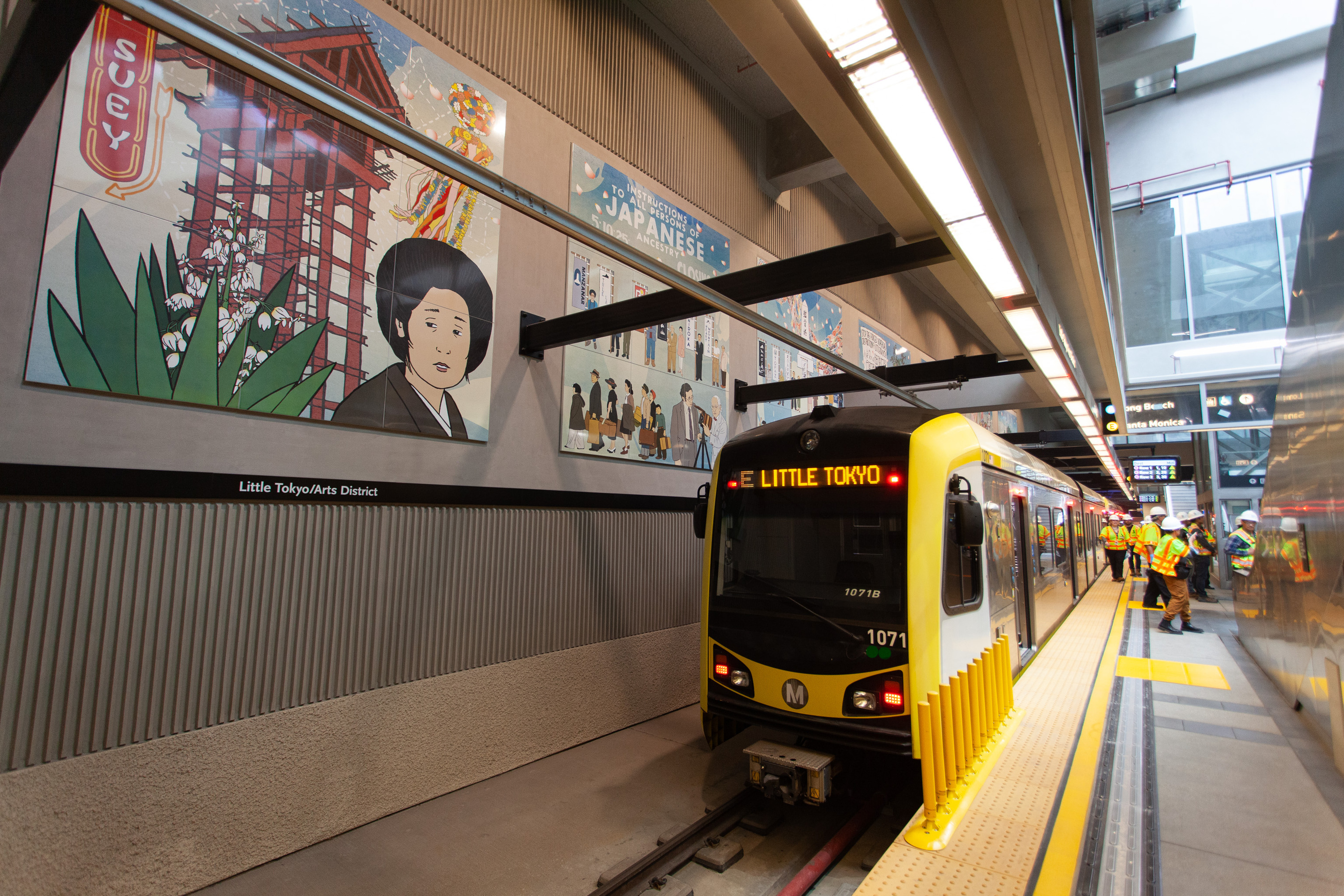
Unveiling Los Angeles’s Extensive Rail Network
Often mistakenly perceived as a city solely reliant on cars, Los Angeles has quietly been building one of the most comprehensive urban transit systems in the United States. The Metro Rail network, managed by LA Metro, encompasses a sophisticated blend of heavy rail (subway) and light rail lines, connecting diverse communities and major points of interest across Los Angeles County. For anyone planning a trip focused on destinations, attractions, and authentic experiences, understanding this system is crucial.
A Modern Transit Marvel in the City of Cars
The development of the Los Angeles Metro Rail began in earnest in the late 20th century, a bold move for a city that had largely dismantled its previous streetcar networks decades earlier in favor of an automobile-centric infrastructure. Today, it stands as a symbol of progress, offering a robust network that helps alleviate traffic, reduce emissions, and provide equitable access to jobs, education, and entertainment. The system is continuously expanding, with new lines and extensions regularly opening or under construction, showcasing a long-term vision for a more connected and sustainable urban environment. This ongoing development makes Los Angeles an exciting destination for repeat visitors, as new transit options frequently unlock previously harder-to-reach neighborhoods and attractions.
Understanding the Metro Rail System: Subway vs. Light Rail
The Los Angeles Metro Rail technically features two heavy rail “subway” lines and several light rail lines. While locals often refer to the entire system collectively as “the Metro,” it’s helpful for travelers to distinguish between the underground segments and those that run at street level or on elevated tracks.
-
Heavy Rail (Subway):
- B Line (Red Line): This is the city’s true subway, running primarily underground. It stretches from Downtown LA through Hollywood to North Hollywood. It’s a critical artery for reaching major entertainment landmarks.
- D Line (Purple Line): Also a heavy rail subway, the D Line shares tracks with the B Line in Downtown LA before branching off towards Mid-Wilshire. This line is currently undergoing a significant extension, pushing westward towards Beverly Hills and Westwood (home to UCLA), promising even greater connectivity in the coming years.
-
Light Rail:
- A Line (Blue Line): Los Angeles’ first light rail line, connecting Downtown LA with Long Beach, offering a scenic journey to the coast.
- C Line (Green Line): Primarily runs along the median of the I-105 freeway in South Los Angeles, with a crucial connection to Los Angeles International Airport (LAX) via a shuttle service.
- E Line (Expo Line): Connects Downtown LA to Santa Monica, providing direct access to the Pacific Ocean and a host of popular beachside attractions.
- L Line (Gold Line): This line, recently integrated into the A Line and E Line as part of a significant realignment, historically connected Downtown LA to Pasadena and beyond, making it easier to reach areas like Little Tokyo and Chinatown.
- K Line (Crenshaw/LAX Line): One of the newer additions, this line connects the Crenshaw district to the LAX area, further enhancing airport access and serving vibrant new communities.
Understanding these distinctions helps in planning more effective itineraries and appreciating the engineering marvel that underpins Los Angeles’ modern transit system.
Navigating the City’s Iconic Attractions by Rail
The true value of the Los Angeles Metro Rail system lies in its ability to connect travelers directly to many of the city’s most beloved landmarks, cultural institutions, and entertainment venues. For those focused on travel and tourism, strategically using the metro can transform a complex city into an easily navigable wonderland.
The B Line (Red Line): Hollywood’s Gateway
The B Line is arguably the most recognized for tourists due to its direct path through the heart of Hollywood. Starting from Union Station in Downtown LA, it makes stops at key points like Pershing Square (for Grand Central Market and the Angels Flight Railway), then dives into Hollywood proper. The Hollywood/Highland station is an immediate gateway to the Hollywood Walk of Fame, the historic TCL Chinese Theatre, and the Dolby Theatre. A short bus connection from this station can also take you to the Hollywood Bowl or even the Griffith Observatory for stunning city views and a glimpse of the iconic Hollywood Sign. Further along the B Line lies Universal City/Studio City station, offering a free shuttle directly to Universal Studios Hollywood, making it incredibly convenient for theme park enthusiasts.
The D Line (Purple Line): Exploring Mid-Wilshire and Beyond
While currently serving Downtown LA and Mid-Wilshire, the D Line’s true potential for tourism is rapidly unfolding with its extension. Once complete, it will provide direct rail access to upscale areas like Beverly Hills and the vibrant college town of Westwood, opening up new avenues for luxury travel, dining, and shopping experiences without the hassle of driving and parking in these exclusive neighborhoods. Even now, connecting to buses from Mid-Wilshire can bring visitors close to Museum Row.
The A Line (Blue Line): From Downtown to the Ocean
The A Line, following a recent realignment, is a powerhouse of connectivity. From the bustling hub of Union Station, it can take you south through diverse neighborhoods all the way to the vibrant waterfront of Long Beach. In Downtown LA, the A Line connects you to attractions like Grand Park, the Music Center, the Walt Disney Concert Hall, and The Broad contemporary art museum. It also serves areas like Little Tokyo and Chinatown, offering a taste of Los Angeles’ rich multicultural fabric. Heading south, travelers can disembark in Long Beach to explore the historic Queen Mary, the Aquarium of the Pacific, or the bustling city college campus of California State University, Long Beach.
The E Line (Expo Line): Beachfront Adventures and Cultural Gems
Another star for tourists is the E Line. Also originating from Downtown LA, this line offers a direct route to the iconic Santa Monica Pier and the Third Street Promenade, bringing the Pacific Ocean within easy reach. Along its route, the E Line also provides access to Exposition Park, home to the California Science Center (where the Space Shuttle Endeavour is housed), the Natural History Museum of Los Angeles County, and the University of Southern California (USC). Further west, it connects to Museum Row along Wilshire Boulevard, featuring the Los Angeles County Museum of Art (LACMA), the Petersen Automotive Museum, and the fascinating La Brea Tar Pits.
Connecting to LAX and Other Key Areas
For air travelers, the Metro Rail system has made significant strides in connecting to LAX. The C Line (Green Line) and the newer K Line (Crenshaw/LAX Line) both offer shuttle connections to the airport terminals. While not a direct train-to-terminal experience yet (that’s coming with the Automated People Mover), it’s a cost-effective and often quicker way to get to and from the airport, especially during peak traffic hours. This is invaluable for visitors needing convenient accommodation near the airport or simply looking to minimize travel stress upon arrival or departure.
Why Choose the Metro for Your Los Angeles Journey?
Beyond merely answering “yes” to the subway question, it’s essential to understand why a traveler should consider integrating the Metro Rail into their Los Angeles itinerary. The benefits extend far beyond simple convenience, touching on aspects of budget travel, local immersion, and stress reduction.
Beating the Infamous LA Traffic
The single most compelling reason to use the Metro Rail in Los Angeles is to avoid its legendary traffic. Congestion can turn a 20-minute drive into an hour-long ordeal, eating into precious vacation time. By utilizing the metro, particularly for trips between major hubs like Downtown LA, Hollywood, and Santa Monica, travelers can bypass gridlock entirely. This makes it possible to maintain a more predictable schedule, allowing for more spontaneous exploration and less time spent idling in a car. Imagine a seamless trip from a hotel in Downtown LA to the beaches of Santa Monica without once touching a steering wheel – that’s the metro promise.
An Economical and Eco-Conscious Choice
Compared to the cost of renting a car, paying for gas, and navigating expensive parking (which can easily run upwards of $20-$30 per day at popular attractions or hotels), the Metro Rail is incredibly economical. A single fare is affordable, and daily or weekly passes offer even greater value for extensive exploration. This makes the metro an excellent option for budget travelers or families looking to stretch their vacation dollars further. Furthermore, choosing public transit significantly reduces your carbon footprint, aligning with a growing desire for eco-friendly travel experiences. It’s a choice that feels good for both your wallet and the planet.
Immersive Local Experiences
Using the metro offers a unique window into the local culture of Los Angeles. Unlike the isolated experience of driving, riding the train allows you to observe daily life, hear snippets of conversations, and truly feel connected to the rhythm of the city. You’ll encounter a diverse cross-section of Los Angeles residents, from students heading to UCLA or USC to artists in the Arts District and commuters making their way to work. This provides a more authentic and immersive travel experience, moving beyond the typical tourist bubble.
Practical Tips for a Seamless Metro Experience
While the Los Angeles Metro Rail system is user-friendly, a few practical tips can help ensure your journey is smooth and stress-free, making your tourism and accommodation choices even more effective.
Mastering the TAP Card
The cornerstone of fare payment on the Los Angeles Metro system is the TAP Card. This reloadable plastic card is essential for all bus and rail journeys. You can purchase a TAP Card at any metro rail station via vending machines or at various vendor locations throughout the city. Load it with a single ride, a day pass, or a multi-day pass, depending on your itinerary. The passes offer unlimited rides within their validity period and are highly recommended for tourists planning several trips. Remember to tap your card both when entering and exiting a station, or just when boarding a bus.
Safety, Accessibility, and Operating Hours
Like any major urban transit system, it’s wise to be aware of your surroundings, especially during off-peak hours or late at night. The Metro Rail system is generally safe, with visible security presence and surveillance. Most stations and trains are fully accessible, making it convenient for travelers with strollers, luggage, or mobility aids.
Operating hours typically run from around 4:00 AM until midnight on weekdays, with extended service until approximately 2:00 AM on Friday and Saturday nights. Always check the official LA Metro website or a reliable transit app for the most current schedules, especially when planning late-night outings. Popular apps like Google Maps also provide excellent real-time transit information.
Complementing Your Rail Travel: Buses, Bikes, and Ride-Shares
While the Metro Rail is extensive, it doesn’t cover every corner of the sprawling Los Angeles landscape. This is where seamless integration with other modes of transport comes into play. The Metro Bus system is incredibly comprehensive, serving areas not reached by rail. Your TAP Card works across both bus and rail, making transfers easy.
For shorter distances or exploring specific neighborhoods, Metro Bike Share offers a fun and active way to get around, with docking stations often conveniently located near metro stations. And, of course, ride-sharing services like Uber and Lyft are readily available for those times when a direct, door-to-door service is preferred, or for reaching destinations like The Grove, the Original Farmers Market, or the Getty Center that require a bit more effort to reach via public transit. Many travelers find that a hybrid approach – primarily using the metro, supplementing with buses and occasional ride-shares – offers the most efficient and enjoyable way to see Los Angeles.
Strategic Accommodation and Itinerary Planning
For travelers, choosing accommodation near a Metro Rail station can significantly enhance your experience. Hotels in Downtown LA, Hollywood, or Long Beach often provide excellent access to the rail network, making it easier to commute to attractions and avoid the costs associated with car rentals and parking. When planning your itinerary, group attractions that are accessible via the same metro line or within easy transferring distance. This strategic approach to travel planning ensures you maximize your time enjoying the city’s sights rather than navigating its traffic. From budget-friendly hotels to luxury suites, many accommodation options are now marketed with their proximity to metro lines as a key amenity, catering directly to the modern, transit-savvy traveler.
In conclusion, Los Angeles, California, unequivocally has a subway system, and it’s a thriving, expanding network that offers an incredibly effective way to explore the city. Far from being a car-dependent sprawl, Los Angeles is transforming into a city where public transportation plays a pivotal role in the travel experience. By embracing the Metro Rail system, visitors can unlock a more authentic, economical, and enjoyable journey through this vibrant and diverse urban landscape, proving that you can indeed experience the best of Los Angeles without a car.