
For anyone considering a picturesque vacation to the rugged coastline or the serene forests of Maine, or perhaps even contemplating a longer-term stay to embrace the unique New England lifestyle, understanding the local tax landscape is often a key consideration. The simple answer to “Does Maine have state income tax?” is yes, it does. However, the implications of this extend far beyond a mere fact, touching upon everything from the cost of a luxury getaway to the feasibility of relocating for a peaceful retirement or a vibrant new career. This comprehensive guide delves into Maine’s tax structure, exploring how it impacts travelers, potential residents, and the overall appeal of this stunning state as a premier destination for diverse lifestyles and unforgettable experiences.
When planning travel, whether it’s an adventurous exploration of Acadia National Park or a culinary tour through Portland’s acclaimed food scene, financial planning plays a crucial role. For those eyeing extended stays or even considering making Maine their permanent home, understanding the state’s tax environment is vital for budgeting, assessing the cost of living, and making informed decisions about accommodation, travel experiences, and long-term financial health. Let’s unpack the specifics, connecting them to the myriad opportunities Maine offers in terms of travel, tourism, and lifestyle.
Understanding Maine’s Income Tax Landscape
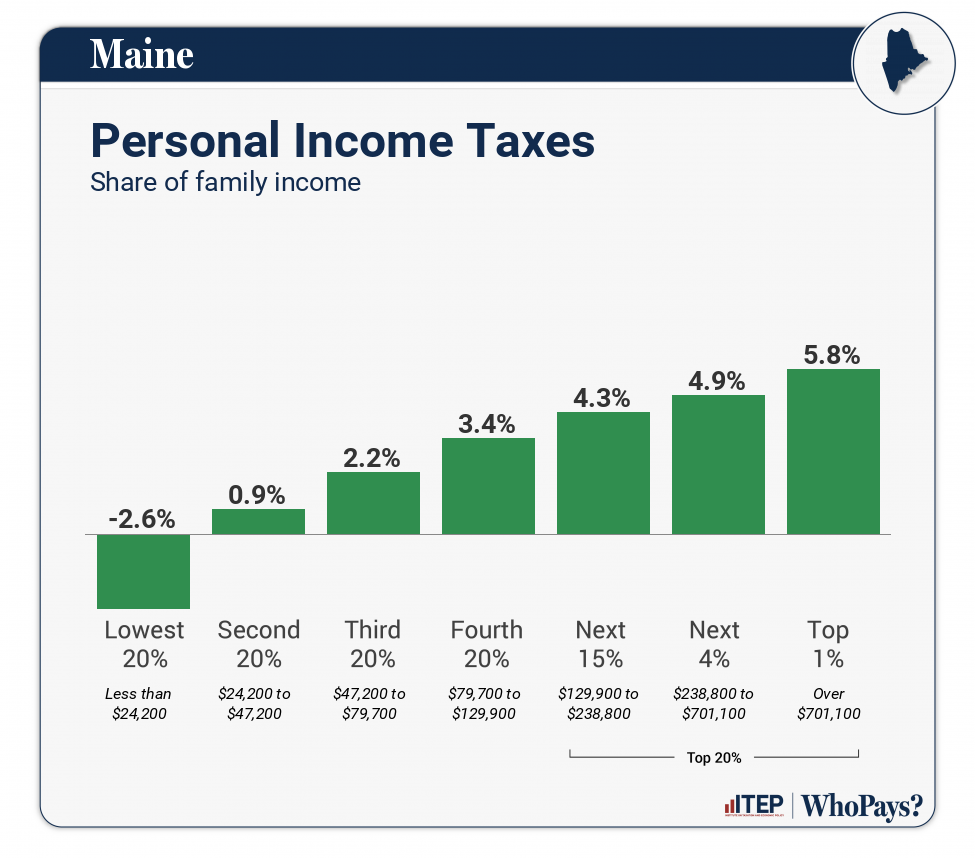
Maine’s state income tax system is progressive, meaning higher earners pay a larger percentage of their income in taxes. This structure is designed to distribute the tax burden across various income levels, supporting the state’s public services and infrastructure, which in turn benefit both residents and the millions of tourists who flock to Maine each year. For travelers, especially those considering a working holiday or an extended stay, understanding these brackets can be relevant. While vacationers typically won’t pay Maine income tax on earnings from their home state, those engaging in temporary employment within Maine would be subject to its income tax laws.
The progressive nature of the tax means that individuals with lower taxable incomes will fall into lower tax brackets, while those with higher incomes will face higher rates. This also influences the overall cost of living and the financial viability of moving to Maine for individuals and families. For example, a digital nomad or a remote worker earning a substantial income might find their take-home pay slightly different than in a state with no income tax. However, many find that the quality of life, natural beauty, and vibrant communities in Maine often outweigh these financial considerations. The state’s investment in its natural parks, public lands, and cultural institutions, often supported by these taxes, directly enhances the visitor experience, providing well-maintained attractions and accessible guides for exploration. This contributes to Maine’s reputation as a premier travel destination, justifying the overall value for many visitors and residents.
For prospective residents, the income tax is just one piece of the puzzle. It’s crucial to look at the holistic financial picture, factoring in other taxes, housing costs, and the overall cost of living. Maine offers a diverse range of communities, from bustling cities like Portland with its urban amenities and cultural attractions, to charming coastal towns such as Kennebunkport and Bar Harbor known for their resort accommodations and scenic beauty. Each offers a unique lifestyle, and the associated costs, including income tax implications, should be weighed against the specific experiences and quality of life desired. Whether seeking a luxurious retreat, a budget-friendly adventure, or a family-oriented experience, the tax structure plays a subtle but significant role in the overall financial landscape.
Beyond Income Tax: Other Financial Considerations for Maine Visitors and Residents
While state income tax is a primary concern for residents and those considering relocation, visitors and potential homeowners alike should also be aware of other taxes that impact their financial experience in Maine. These taxes directly relate to the services and amenities that enhance tourism and accommodation experiences throughout the state.
Sales Tax and its Impact on Travel & Tourism
Maine levies a statewide sales tax on most goods and services. For travelers, this means a small percentage added to purchases like souvenirs, restaurant meals, clothing, and other retail items. This tax is fairly standard across many states and typically doesn’t deter visitors, but it’s worth factoring into a travel budget, especially for those planning extensive shopping or dining experiences in cities like Portland or the artisanal shops found in towns like Camden. The revenue generated from sales tax helps fund public services that indirectly support the tourism infrastructure, from well-maintained roads leading to popular destinations like Acadia National Park to local cultural events that enrich the visitor experience.
Lodging Tax and its Effect on Accommodation
One of the most directly relevant taxes for tourists is the lodging tax. When booking a hotel, resort, apartment, or any other form of accommodation in Maine, a lodging tax is applied to the nightly rate. This tax directly contributes to the state’s tourism initiatives and often helps fund promotional campaigns that attract more visitors. For example, a stay at a luxurious property like The White Barn Inn in Kennebunkport or Cliff House Maine in Cape Neddick will include this tax, which should be considered when comparing booking options and planning for the total cost of a vacation. While it adds to the overall expense, it’s an investment in maintaining the high standards of Maine’s hospitality sector and ensuring a continued influx of tourists who support local businesses.
Property Tax Considerations for Long-term Stays and Relocation
For those considering a permanent or long-term stay, perhaps purchasing a vacation home or even fully relocating, property taxes are a significant financial aspect. Property taxes in Maine are locally assessed and vary considerably by municipality. Areas with high demand for tourism and attractive amenities, such as coastal towns or locations near popular landmarks, may have higher property values and, consequently, higher property tax burdens. For instance, buying a historic home in Portland’s Old Port or a waterfront cottage near Pemaquid Point Light would involve careful consideration of these recurring costs. Understanding these localized taxes is crucial for anyone evaluating the long-term financial implications of investing in Maine real estate, whether it’s for a seasonal escape or a complete lifestyle change. These taxes support local services like schools, emergency services, and infrastructure, all of which contribute to the quality of life that makes Maine so appealing.
Maine’s Appeal: Weighing the Taxes Against Lifestyle and Tourism Benefits
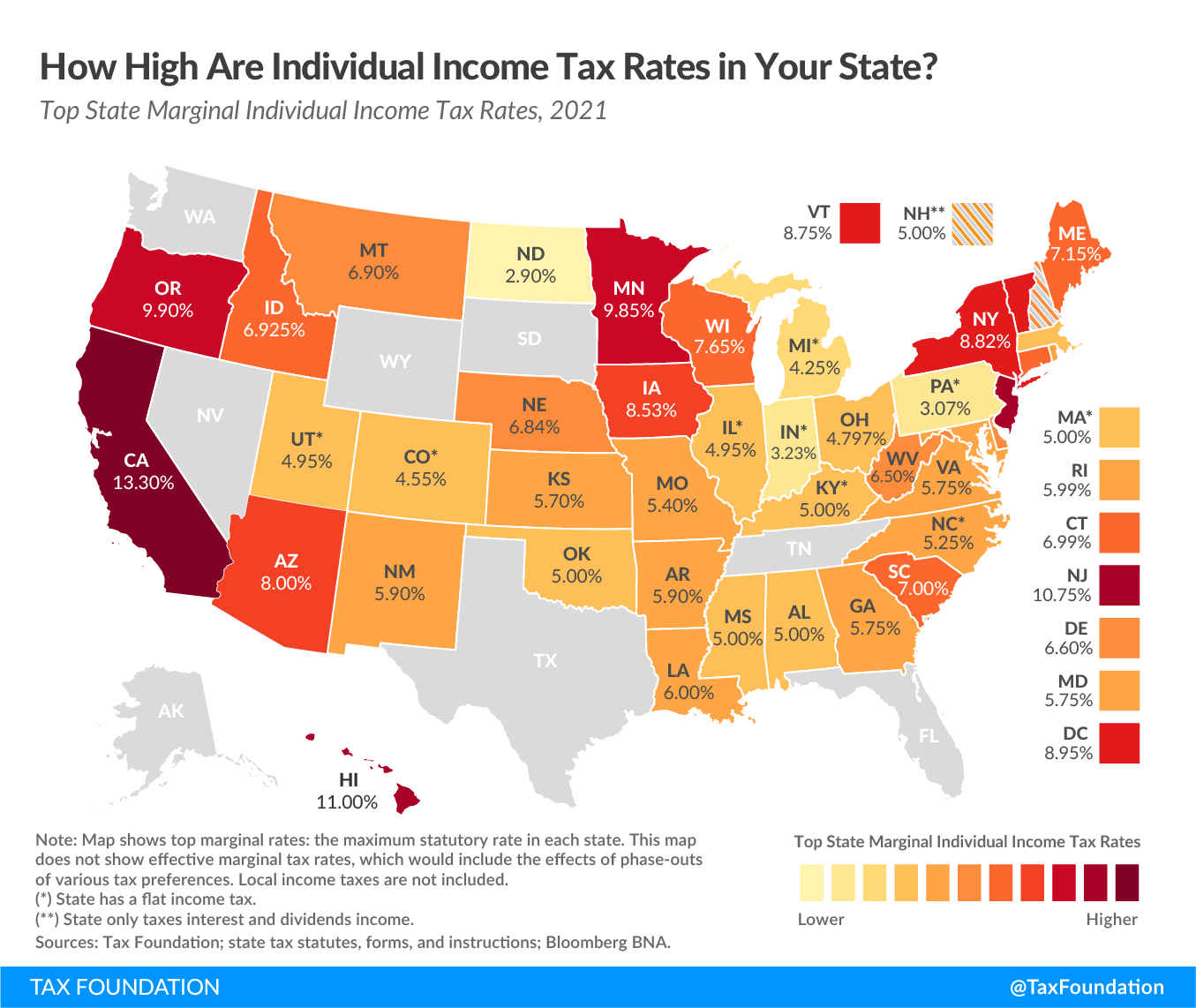
Despite the presence of state income tax and other levies, Maine remains an incredibly attractive destination for travelers and a desirable place to live for those seeking a specific lifestyle. The state’s unique blend of natural beauty, vibrant culture, and diverse experiences often outweighs the financial considerations for many.
World-Class Travel & Tourism Experiences
Maine’s appeal lies in its unparalleled natural landscapes and rich cultural heritage. Destinations like Acadia National Park offer breathtaking coastal hikes, pristine lakes, and opportunities for stargazing that draw visitors from around the globe. The dramatic coastline, dotted with iconic lighthouses and charming fishing villages, provides endless photographic opportunities and a sense of timeless tranquility. Beyond nature, cities such as Portland have garnered national acclaim for their culinary scene, featuring everything from fresh lobster rolls to innovative farm-to-table dining experiences and a thriving craft brewery culture. The state is also home to unique attractions like the Coastal Maine Botanical Gardens in Boothbay, offering serene beauty that justifies every penny spent. These experiences contribute significantly to the overall value proposition of a visit to Maine, making the state’s tax structure a minor detail in the face of such grandeur.
Diverse Accommodation Options for Every Lifestyle
From luxurious resorts boasting world-class amenities to cozy bed and breakfasts offering a taste of local charm, Maine’s accommodation landscape caters to every preference and budget. Whether travelers seek the opulent suites of a high-end resort in Kennebunkport, a family-friendly apartment rental for an extended stay near Acadia National Park, or a rustic cabin for an authentic wilderness experience, the options are vast. While the lodging tax applies to all these bookings, the quality, variety, and unique characteristics of Maine’s accommodations are often highlighted in glowing reviews, underscoring the value tourists receive. The opportunity to stay in historic inns, boutique hotels, or even private villas provides an immersive experience that complements the state’s natural and cultural attractions. The balance of comfort, unique amenities, and picturesque settings often makes the slight increase due to taxes negligible in the broader context of an unforgettable trip.
A Lifestyle of Quality and Connection
For those considering a move, Maine offers a lifestyle deeply connected to nature, community, and a slower pace of life, particularly outside the bustling urban centers. The emphasis on outdoor activities – hiking, skiing, boating, and wildlife observation – provides a healthy and engaging environment. The vibrant arts scene, local markets, and community events foster strong social connections. While the income tax and property taxes contribute to the cost of living, they also support the infrastructure and services that enhance this quality of life, including excellent schools, well-maintained public spaces, and robust emergency services. For many, the ability to raise a family in a safe, beautiful environment, or to retire amidst stunning scenery and friendly communities, represents an invaluable return on investment, making the tax burden a worthwhile trade-off for the enriched lifestyle Maine offers. This blend of natural beauty, cultural richness, and strong community ties solidifies Maine’s status as a top choice for both short-term visits and long-term residency.
Making an Informed Decision: Tax Implications for Relocation and Extended Stays
For individuals and families contemplating a significant move to Maine or considering an extended stay that might trigger residency, a deeper dive into the tax implications is essential. This often involves looking beyond the headline of “state income tax” and considering the broader financial ecosystem.
Understanding Residency and Tax Obligations
The concept of residency for tax purposes is crucial. Generally, if you establish a permanent home in Maine and intend to stay indefinitely, you’re considered a resident and subject to Maine income tax on all your income, regardless of where it’s earned. For remote workers, digital nomads, or retirees who split their time between states, understanding the specific rules for establishing or disestablishing residency is vital to avoid double taxation or unforeseen tax liabilities. Consulting with a tax professional specializing in multi-state taxation is highly recommended for anyone in this situation. The state’s capital, Augusta, hosts the necessary state departments for such inquiries, though local resources can also be helpful. This diligence ensures that a long-term stay or relocation is financially smooth and compliant.

Balancing Tax Costs with Lifestyle Benefits
For many, the decision to move to Maine is driven by the desire for a specific quality of life – perhaps a closer connection to nature, a vibrant arts community, or a more relaxed pace. While the state income tax and other taxes contribute to the overall cost of living, these contributions also fund the very services and amenities that enhance that quality of life. Think of the well-maintained trails in Acadia National Park, the public libraries, community centers, and local infrastructure that make life enjoyable and convenient. For retirees, the absence of a tax on Social Security benefits is often a favorable consideration, though other forms of retirement income may be taxed. For entrepreneurs and business stays, the state offers various incentives and a supportive environment, especially in growing sectors. The economic landscape, while shaped by its tax structure, also fosters a unique blend of traditional industries like fishing and emerging sectors in technology and tourism.
Ultimately, making an informed decision about relocation or extended stays in Maine involves a careful assessment of one’s personal financial situation against the tangible and intangible benefits the state offers. While the presence of state income tax is a fact, it is often seen as a reasonable contribution towards maintaining the exceptional environment, robust public services, and unparalleled lifestyle that define Maine. The unique charm, the breathtaking landscapes, and the welcoming communities provide a compelling reason for many to call Maine home, making it more than just a place on a map but a cherished destination for living, traveling, and experiencing life to its fullest.
In conclusion, Maine does indeed have a state income tax, along with sales and lodging taxes that impact both residents and visitors. However, these financial considerations are often overshadowed by the state’s immense appeal as a travel destination and a place to live. From the rugged beauty of its coastlines and national parks to the vibrant cultural scenes of its cities and the serene charm of its small towns, Maine offers a wealth of experiences. For travelers seeking unforgettable adventures, luxurious accommodations, or a taste of authentic New England life, the value derived from a trip to Maine far outweighs the modest tax implications. For those considering a more permanent move, the quality of life, strong communities, and abundant natural beauty often make the tax burden a worthwhile investment in a fulfilling lifestyle. Maine continues to be a captivating destination, proving that its allure extends far beyond its tax policies.
LifeOutOfTheBox is a participant in the Amazon Services LLC Associates Program, an affiliate advertising program designed to provide a means for sites to earn advertising fees by advertising and linking to Amazon.com. Amazon, the Amazon logo, AmazonSupply, and the AmazonSupply logo are trademarks of Amazon.com, Inc. or its affiliates. As an Amazon Associate we earn affiliate commissions from qualifying purchases.