
The question “Does Nevada have state tax?” often arises for those considering a visit to the Silver State, planning a relocation, or eyeing business opportunities. It’s a question with a straightforward answer that quickly becomes nuanced, revealing the unique financial landscape that defines this captivating part of the United States. From the dazzling lights of Las Vegas to the serene beauty of Lake Tahoe, Nevada’s approach to taxation significantly impacts its economy, tourism sector, and the lifestyle of its residents.
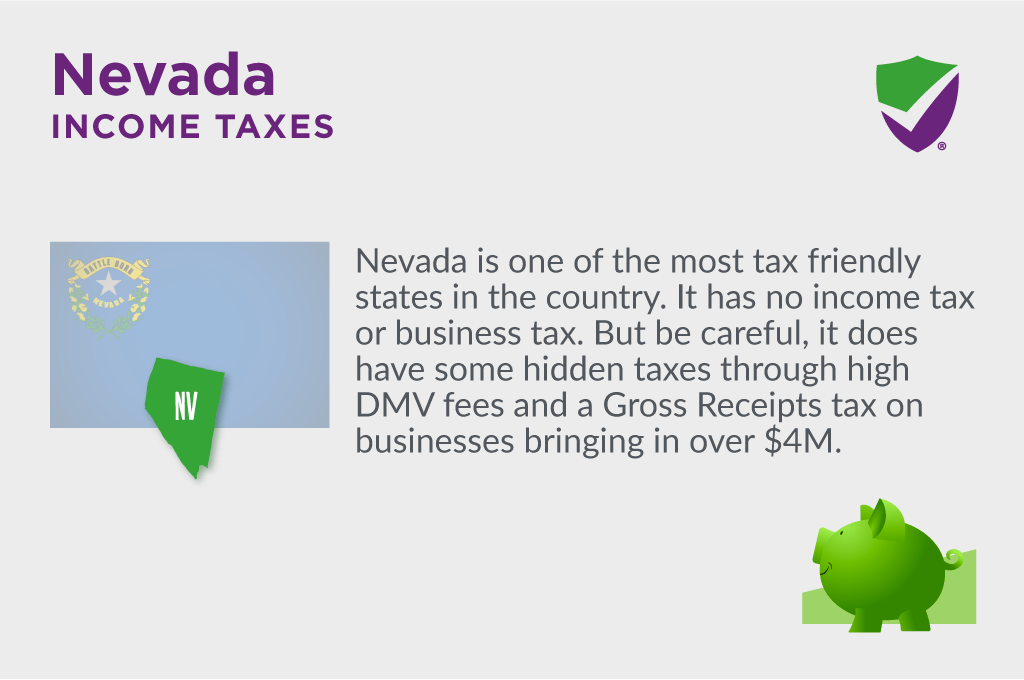
The short answer, and perhaps Nevada’s most famous tax distinction, is that no, Nevada does not levy a personal income tax or a corporate income tax. This singular characteristic has profoundly shaped its identity, attracting individuals and businesses seeking a favorable financial environment. However, to truly understand the cost of travel, accommodation, or living in Nevada, one must look beyond income tax and explore the broader spectrum of taxes that contribute to the state’s coffers. These include sales taxes, property taxes, and crucially, an array of taxes specifically tied to the robust tourism and gaming industries that are the lifeblood of its economy.
This article delves into the specifics of Nevada’s tax structure, examining how it influences everything from hotel rates and the cost of dining to the overall appeal of the state as a travel destination and a place to call home. Whether you’re planning a luxurious escape, a budget-friendly adventure, or contemplating a long-term stay, understanding Nevada’s unique tax landscape is essential for smart planning and enjoying all that the Silver State has to offer.

The Straight Answer: Nevada’s Unique Tax Landscape
Nevada stands out among United States states for its distinctive approach to taxation. This strategy, born out of historical economic reliance on mining and later, gaming and tourism, has created a system that is both a major draw and a complex web for visitors and residents alike.
No Personal Income Tax – A Major Draw
The most celebrated aspect of Nevada’s tax system is the complete absence of a personal income tax. This means individuals residing in Nevada do not pay state taxes on their wages, salaries, investment income, or retirement income. This policy puts Nevada in an exclusive club, alongside states like Texas, Florida, Washington, Alaska, South Dakota, Wyoming, and New Hampshire (which taxes only interest and dividends, but is phasing it out). For many, particularly those relocating from high-tax states like California, this offers significant financial relief, making Nevada an attractive destination for retirement, investment, and building wealth.
This lack of income tax extends beyond individuals to corporations as well, as Nevada does not impose a corporate income tax. This makes the state an appealing hub for businesses looking to minimize their tax burden, contributing to its dynamic economic growth and diversification efforts beyond traditional tourism.
Understanding Sales Tax in the Silver State
While income tax is absent, visitors and residents will encounter sales tax on most tangible goods purchased in Nevada. The statewide base sales tax rate is 4.6%, but local option taxes significantly increase the actual rate in different counties. For instance, in Clark County, home to Las Vegas and Henderson, the combined sales tax rate is 8.375%. In Washoe County, where Reno and Sparks are located, the rate is 8.265%. Carson City sees a rate of 7.6%.
This means that when you’re shopping for souvenirs on The Strip, buying groceries, or purchasing new clothing, sales tax will be added to your bill. For travelers, this is an important factor to consider when budgeting for retail therapy, dining out, and other purchases during their trip. While services generally aren’t subject to sales tax, the vast majority of goods are, contributing a substantial portion to the state’s revenue.
Delving into Property Taxes
Nevada does impose property taxes, which are assessed at the county level. The state caps the annual increase on assessed valuation, providing a measure of predictability for homeowners. For owner-occupied primary residences, the cap on annual property tax increases is 3%, while for all other properties (including commercial properties, second homes, and rental properties), the cap is 8%.
Property tax rates vary by county and are determined by local governments to fund public services such as schools, police, fire departments, and local infrastructure. For example, owning a luxury villa near Lake Tahoe or a condominium in downtown Las Vegas will involve different property tax calculations. For those considering a long-term stay, purchasing a vacation home, or investing in real estate, understanding these local variations and the protective caps is crucial. The property tax structure can influence the cost of accommodation indirectly, as it’s a factor in the operating expenses for hotels, resorts, and vacation rental properties across the state.
Beyond Income Tax: What Visitors and Residents Encounter
While the absence of personal income tax is a primary characteristic, Nevada’s economy is heavily supported by other forms of taxation, particularly those related to its vibrant tourism and gaming industries. These taxes directly impact travelers and indirectly shape the services and infrastructure available to both visitors and residents.
Lodging Taxes: Impact on Your Stay
For anyone planning to stay in Nevada hotels, resorts, or even short-term vacation rentals, lodging taxes are a significant component of the overall cost. These are formally known as transient lodging taxes or room taxes. The rates vary by county and even by specific tourism districts, but they are generally higher in major tourist destinations.
In Clark County, which encompasses Las Vegas, the combined lodging tax rate can be as high as 13.38% (including the statewide 1% portion, county levies, and specific stadium taxes). This means that a room costing $200 per night could have an additional $26-$27 added in taxes alone. In Reno and Sparks in Washoe County, the rate is typically around 13.5%.
Beyond these taxes, many hotels and resorts, especially those on The Strip in Las Vegas, charge resort fees. While not technically a tax, these mandatory daily fees can significantly increase the total cost of accommodation. They often cover amenities like Wi-Fi, fitness center access, and pool use, but they are applied regardless of whether the guest utilizes these services. A resort fee can range from $20 to $50 or more per night. When booking a stay at a luxurious property like the Bellagio, Caesars Palace, or The Venetian Resort, it’s crucial to factor in both the lodging taxes and resort fees to get an accurate picture of your true accommodation expense. For travelers focused on budget travel, these added costs can accumulate quickly, emphasizing the importance of checking the final price before booking.
Gaming Taxes: Fueling the Economy
The gaming industry is arguably the cornerstone of Nevada’s economy, and it contributes immensely to the state’s revenue through gaming taxes. Casinos and gaming establishments pay a percentage of their gross gaming revenue (GGR) to the state. This percentage is tiered, with larger casinos paying a higher rate, generally up to 6.75%.
These gaming taxes are the single largest source of general fund revenue for the state, funding public education, social services, and other essential government operations. While visitors don’t directly pay a “gaming tax” at the table or slot machine (beyond sales tax on purchases made within the casino), the industry’s significant tax contributions are why the state can afford to operate without personal or corporate income taxes. It’s a unique economic model where the entertainment and leisure activities of tourists directly subsidize the state’s public services, effectively allowing residents to enjoy a lower overall tax burden.
Business Taxes and the Corporate Environment
Despite the absence of corporate income tax, businesses operating in Nevada are subject to other taxes. The two most notable are the Modified Business Tax (MBT) and the Commerce Tax.
- Modified Business Tax (MBT): This is essentially a payroll tax levied on employers. The rate varies depending on the type of business, with financial institutions paying a higher rate than other businesses. It applies to wages paid to employees and is a significant consideration for companies with a substantial workforce, including those in the extensive hospitality sector.
- Commerce Tax: Introduced in 2015, the Commerce Tax is applied to businesses with gross revenue exceeding specific thresholds ($4 million annually). The tax rate varies by industry sector. While it’s a gross receipts tax rather than an income tax, it represents another layer of taxation for larger businesses operating within Nevada.
These business taxes, while not directly impacting consumers or employees in the same way income tax would, do influence the operating costs of hotels, restaurants, tour operators, and other tourism-related businesses. These costs can, in turn, be factored into the pricing of goods and services, subtly affecting the overall cost of a Nevada experience. Nonetheless, the overall business tax environment remains competitive, especially when considering the lack of corporate income tax, which continues to attract businesses seeking a favorable fiscal climate.
Nevada’s Tax Advantage: A Lifestyle and Travel Perspective
Nevada’s unique tax structure is more than just a set of financial rules; it’s a fundamental aspect that shapes the state’s lifestyle, its appeal as a travel destination, and the very fabric of its tourism and hospitality industries.
How Tax Policies Shape Tourism and Hospitality
The absence of personal and corporate income taxes creates a highly attractive environment for talent and capital, directly fueling the state’s world-renowned tourism and hospitality sectors. Hotels, resorts, and entertainment venues benefit from a tax structure that encourages investment and growth. This allows for the development and maintenance of extravagant accommodation options, from luxurious suites to sprawling resort complexes, offering amenities that draw millions of visitors annually.
Furthermore, the heavy reliance on gaming and lodging taxes means the state has a vested interest in the success and growth of tourism. This creates a symbiotic relationship where public funds are channeled back into infrastructure, public safety, and marketing initiatives that further enhance the visitor experience. From the upkeep of major highways that lead to attractions like the Hoover Dam or Lake Mead National Recreation Area, to the vibrant cultural events in Reno or Carson City, the state’s financial model ensures continuous investment in its primary economic engine.

Affordability and Luxury Travel in Nevada
For travelers, Nevada’s tax system presents a mixed bag but ultimately allows for a wide range of experiences. On one hand, the lack of income tax for residents means more disposable income, which can translate into a robust local economy with diverse dining and entertainment options that cater to both locals and tourists. On the other hand, the high lodging taxes and resort fees can make luxury travel, particularly in Las Vegas, feel expensive at first glance.
However, the state’s competitive market, driven by the sheer volume of hotels and resorts, often leads to attractive base room rates, especially during off-peak seasons or weekdays. This allows for both opulent stays at iconic resorts and more budget-friendly trips. Many properties offer incredible value, providing world-class entertainment, dining, and accommodation options that would be significantly more expensive elsewhere. Nevada is also a hub for lifestyle travel, whether it’s high-roller luxury or adventure tourism in natural landmarks like Red Rock Canyon National Conservation Area or Valley of Fire State Park, catering to diverse financial preferences.
Living in Nevada: More Than Just No Income Tax
For potential residents, the absence of state income tax is undoubtedly a significant financial advantage. This can lead to a higher take-home pay compared to states with income tax, potentially allowing for greater savings, investment, or discretionary spending. This benefit is particularly pronounced for retirees who can protect their pension and social security income from state taxation.
However, Nevada offers more than just tax benefits. The state boasts diverse geographical beauty, from the mountains of Lake Tahoe to the desert landscapes surrounding Laughlin. There’s a vibrant outdoor culture, a growing culinary scene, and a strong sense of community in its various cities. While property taxes and sales taxes are present, the overall fiscal environment, combined with quality of life factors, makes Nevada an appealing option for many seeking a dynamic place to live, work, and retire.
Navigating Nevada’s Financial Landscape: Tips for Travelers and Potential Residents
Understanding Nevada’s tax structure empowers visitors and prospective residents to make informed financial decisions. Strategic planning can enhance any travel experience or make a relocation smoother.
Budgeting for Your Nevada Trip
When planning your Nevada adventure, especially to popular destinations like Las Vegas or Reno, it’s crucial to factor in all potential costs beyond the advertised prices.
- Accommodation Costs: Always look for the “all-in” price when booking accommodation. This includes the base room rate, applicable lodging taxes (which can add 13-14% to your bill), and any mandatory resort fees. These fees are often listed separately and can significantly inflate the nightly cost. Websites specializing in hotel bookings sometimes display these more clearly.
- Sales Tax on Purchases: Remember that most retail purchases, including souvenirs, clothing, and many dining experiences, will be subject to local sales tax (e.g., 8.375% in Clark County). While not exorbitant, it adds up over the course of a trip.
- Dining and Entertainment: Budget for sales tax on restaurant meals. For entertainment, tickets for shows or attractions usually include sales tax, but check to see if additional service fees apply, similar to resort fees for hotels.
- Transportation: Car rentals, ride-sharing services, and taxis will also have their own taxes and fees.
- Gaming: While not a “tax” per se, responsible budgeting for gaming activities is paramount. Remember that winnings, if substantial, may be subject to federal income tax, though not state income tax in Nevada.
To save money, consider visiting during off-peak seasons, exploring package deals that bundle hotels and flights, or utilizing loyalty programs. Dining away from the main tourist areas can also offer more local flavors at potentially lower prices.
Financial Planning for Relocation
For those considering a move to Nevada, while the allure of no state income tax is strong, a holistic financial review is essential.
- Property Taxes: Research property tax rates in the specific county or city you are considering (e.g., Henderson, Sparks, Carson City). While the caps on annual increases offer stability, initial rates and assessments can vary.
- Cost of Living: Beyond taxes, evaluate the overall cost of living, including housing prices, utilities, insurance, and healthcare. While tax savings are attractive, they should be weighed against these other expenses.
- Estate Planning: The absence of state income tax can also have implications for estate planning, making Nevada an attractive domicile for high-net-worth individuals and retirees. Consulting with a financial advisor specializing in Nevada tax laws is highly recommended to optimize your financial strategy.
- Business Considerations: For entrepreneurs or businesses looking to relocate, understanding the Modified Business Tax and Commerce Tax, along with local licensing fees, is crucial. The state’s pro-business environment and lack of corporate income tax can still offer significant advantages.
The Future of Taxation and Tourism in Nevada
Nevada’s reliance on gaming and tourism taxes creates a unique and sometimes challenging fiscal environment. The state government continually evaluates its revenue streams, especially during economic downturns or periods of growth, to ensure stability and fund essential public services. Debates about diversifying the tax base or adjusting existing rates are ongoing, reflecting the dynamic nature of the state’s economy.
Despite these discussions, Nevada’s core identity as a tax-friendly state, particularly concerning income, remains a powerful magnet. This distinct approach has not only shaped its robust tourism industry but also its evolving residential and business lifestyle. As the Silver State continues to grow and attract new residents and millions of visitors each year, its unique tax landscape will undoubtedly remain a central, defining characteristic. Whether you’re drawn by the promise of world-class travel and entertainment, the natural beauty of its landmarks, or the financial advantages of its residency, understanding “Does Nevada have state tax?” is the first step in appreciating the full picture of this extraordinary state.