
Absolutely, New Mexico, often celebrated as the Land of Enchantment, does indeed have state taxes. For both curious travelers planning their next adventure and individuals contemplating a move to this vibrant southwestern state, understanding the local tax structure is a crucial piece of the puzzle. Far from being a dry, technical topic, New Mexico’s tax policies are intrinsically linked to the very experiences that draw millions to its borders each year, from the stunning natural landmarks and rich cultural tapestry to its burgeoning culinary scene and diverse accommodation options.
Our exploration will delve into the specifics of New Mexico’s tax system, focusing on its unique components and, more importantly, how they impact your travel budget, potential lifestyle choices, and the overall visitor experience. We’ll uncover how taxes contribute to the preservation of cherished historical sites, the promotion of local tourism, and the development of the infrastructure that makes exploring this unique state so rewarding. Whether you’re dreaming of a luxurious stay in a Santa Fe resort, planning a budget-friendly road trip through the desert, or even considering a long-term remote work setup, grasping the nuances of New Mexico’s state tax will empower you to make informed decisions and truly appreciate the value behind your spending.
Understanding New Mexico’s Tax Landscape for Travelers and Residents
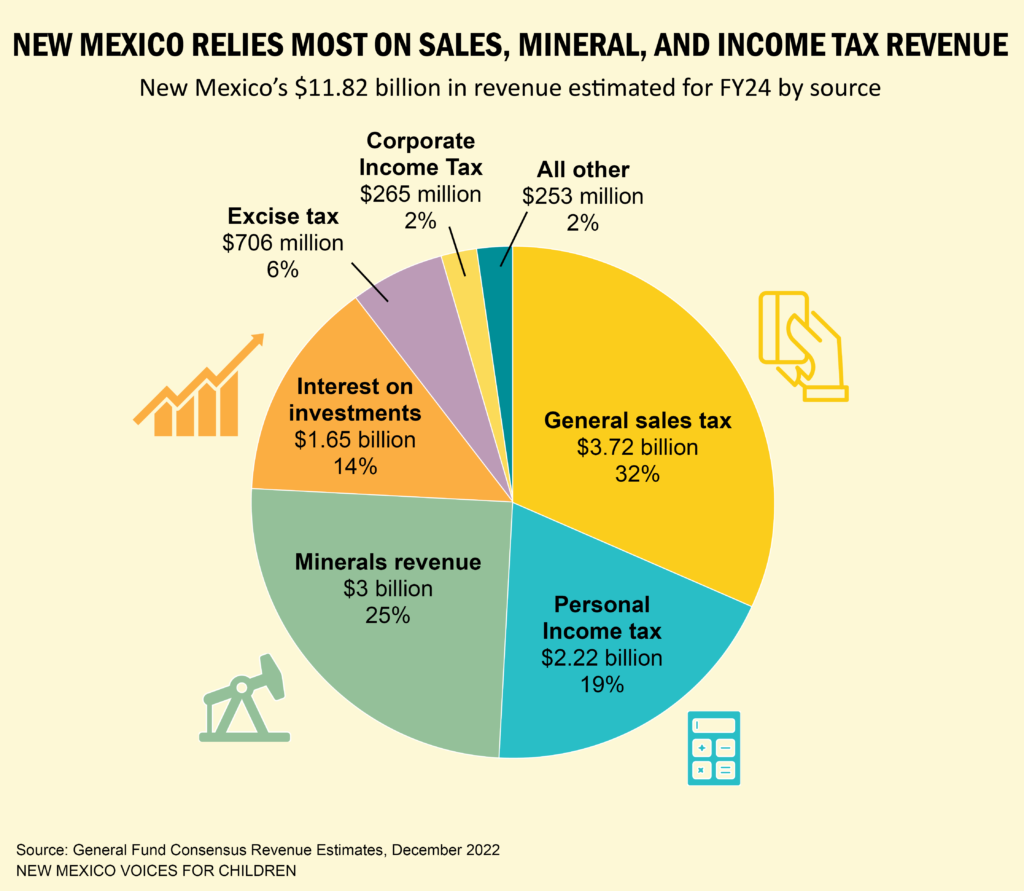
New Mexico’s tax system might seem a little different from what you’re accustomed to in other states, primarily due to its reliance on a “gross receipts tax” rather than a traditional sales tax. This distinction has significant implications for both visitors and residents alike, shaping everything from the cost of a meal in Albuquerque to the price of a souvenir in Taos. Beyond this, specific taxes like the lodgers’ tax directly fund the state’s robust tourism initiatives, while personal income tax becomes a key consideration for those planning a longer stay or residency.
Gross Receipts Tax: More Than Just Sales Tax
One of the most distinctive features of New Mexico’s tax system is its Gross Receipts Tax (GRT). Unlike a sales tax, which is typically levied on the final sale of goods, GRT is a tax on the gross receipts of businesses engaging in certain activities within the state. This means it applies not only to the sale of tangible property but also to the sale of services, rentals, and even construction activities. For visitors, this translates into a tax applied to virtually everything they purchase – from restaurant meals and retail items to attraction tickets and even some professional services.
The statewide GRT rate is 5%, but local governments (cities and counties) impose their own additional rates, meaning the combined rate can vary significantly across the state. For instance, while the base rate is consistent, you might find a higher combined rate in popular tourist destinations like Santa Fe or Taos compared to a smaller, less populated area. This variable rate is crucial for travelers to keep in mind when budgeting, as it can subtly impact the total cost of their experiences. When you’re enjoying the vibrant art markets of Santa Fe or dining on authentic New Mexican cuisine, remember that a portion of what you pay contributes directly to the local economy and its ability to maintain the charm that attracts so many. This financial mechanism helps fuel the tourism economy, ensuring that businesses contribute to the infrastructure and public services that make these destinations appealing.
Lodgers’ Tax: Funding Tourism and Local Amenities
Beyond the Gross Receipts Tax, travelers in New Mexico will also encounter a specific Lodgers’ Tax. This tax is applied to the gross receipts received by any vendor (hotel, motel, inn, vacation rental, bed and breakfast, or other lodging establishment) for lodging services provided to transients. Essentially, if you’re staying in any form of paid accommodation for less than 30 consecutive days, you’ll be subject to this tax.
The primary purpose of the Lodgers’ Tax is to generate revenue specifically for the promotion of tourism and the development of tourist-related facilities and events. A significant portion of this tax revenue is often channeled back into local tourism boards and visitor bureaus, which use the funds for marketing campaigns, maintaining visitor centers, funding cultural events, and improving local attractions. For example, the revenue from lodgers’ taxes in Albuquerque might support the International Balloon Fiesta, while in Santa Fe, it could help maintain public access to historic sites around the Santa Fe Plaza.
Rates for the Lodgers’ Tax also vary by locality, typically ranging from 5% to 8% or more on top of the regular GRT. This means that a room that costs $100 before taxes could end up being $110-$115 or even more after both GRT and Lodgers’ Tax are applied. Understanding this can help travelers better plan their accommodation budgets, whether they’re looking for luxury suites or more economical apartments or villas. This tax is a direct investment by visitors into the very tourism infrastructure they enjoy, making it a vital component of New Mexico’s ability to maintain its allure as a premier travel destination.
Personal Income Tax: What to Know if You’re Moving or Working Remotely
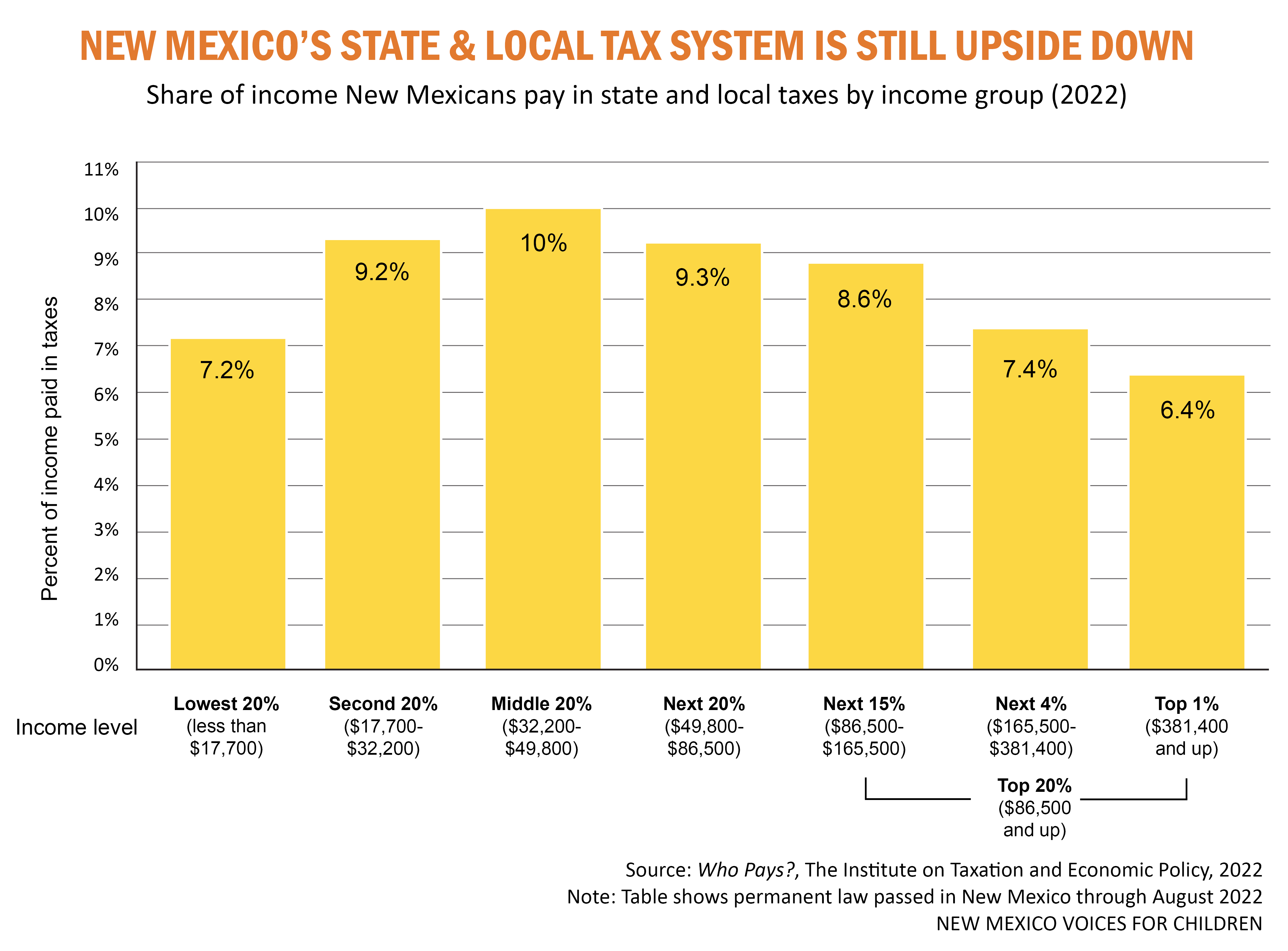
For those considering a longer stay in the Land of Enchantment, or even a permanent move, New Mexico also levies a personal income tax. The state uses a progressive income tax system, meaning that tax rates increase as income rises. As of recent years, the rates typically range from a low single digit percentage for lower income brackets to a higher single digit percentage for the wealthiest earners.
This is particularly relevant for individuals exploring a lifestyle change, such as remote workers looking for a new base, retirees seeking a vibrant and culturally rich environment, or those considering a business stay longer than a transient visit. While visitors on short trips generally won’t need to concern themselves with state income tax, anyone earning income while physically present in New Mexico, or establishing residency, will need to understand their obligations. The state offers various deductions and credits that can reduce taxable income, which can be an important factor in the overall affordability of living or working here. Factors like the cost of living, which can be relatively modest in many parts of New Mexico compared to other popular states, combined with the state’s tax structure, contribute to the overall financial appeal for those considering a more permanent connection to the state. This financial dimension often plays a role in decisions about long-term accommodation and whether to embrace the vibrant New Mexico lifestyle fully.
The Financial Footprint of Tourism: Where Your Tax Dollars Go
It’s easy to view taxes simply as an added cost, but in New Mexico, these revenues are integral to preserving and enhancing the very qualities that make the state so captivating. The Gross Receipts Tax and Lodgers’ Tax, in particular, play a crucial role in funding everything from iconic national parks to local cultural festivals, ensuring that the Land of Enchantment continues to offer unparalleled experiences for every type of traveler.
Investing in Enchantment: How Taxes Support New Mexico’s Attractions
The dollars collected through New Mexico’s state and local taxes are reinvested in ways that directly benefit tourism and the visitor experience. Think about the awe-inspiring beauty of White Sands National Park, the ancient mysteries of Chaco Culture National Historical Park, or the natural wonders within Carlsbad Caverns National Park. While national parks receive federal funding, state parks, historical sites, and many museums rely heavily on state and local revenues for their maintenance, operational costs, and educational programs.

For instance, the Georgia O’Keeffe Museum in Santa Fe, a beacon for art enthusiasts, benefits from a thriving local economy supported by tax revenues. Similarly, local cultural institutions, heritage centers, and even events like the International Balloon Fiesta in Albuquerque often receive grants and support funded, at least in part, by the taxes collected from tourists and local businesses. These investments ensure that landmarks are preserved, exhibits are updated, and cultural events continue to showcase New Mexico’s unique heritage, providing invaluable experiences for visitors.
Moreover, a portion of these tax revenues can be allocated to infrastructure projects – maintaining roads that lead to remote scenic vistas, improving public transportation in urban areas, or developing new trails in natural recreation areas. This direct link between your tax dollars and the quality of your travel experience highlights how these contributions are not just an expense, but an investment in the state’s enduring allure.
Economic Impact on Local Communities
Beyond direct support for tourism attractions, New Mexico’s tax revenues have a profound economic impact on the local communities that travelers visit. When you pay GRT on a handcrafted piece of jewelry in Taos or a delicious meal in Las Cruces, a portion of that revenue circulates back into the local economy. These funds support essential public services like schools, police, fire departments, and public health initiatives. A well-funded community is often a safer, cleaner, and more welcoming place for both residents and visitors.
The tourism sector, bolstered by these tax contributions, also generates significant employment opportunities across the state. From hotel staff and tour guides to restaurant workers and small business owners selling local crafts, a robust tourism industry supports countless livelihoods. This economic vitality contributes to the rich local culture, empowering communities to maintain their unique identity and offer authentic experiences that are highly valued by travelers seeking more than just a superficial visit. Whether you’re exploring the charming streets of Santa Fe, the vibrant nightlife of Albuquerque, or the serene beauty of the Northern New Mexico mountains, your financial contribution through taxes helps sustain these very environments.
Navigating New Mexico’s Tax Structure: Tips for a Seamless Visit
Understanding New Mexico’s tax system shouldn’t be a deterrent to exploring its wonders; rather, it’s a tool for smart planning. By being aware of how taxes are applied, travelers can better budget for their trips and make informed decisions, ensuring a seamless and enjoyable experience in the Land of Enchantment.
Budgeting for Your New Mexico Adventure
When planning your New Mexico adventure, it’s wise to factor in the Gross Receipts Tax and Lodgers’ Tax from the outset. Don’t assume prices listed for goods, services, or accommodation are the final cost. Always anticipate an additional 5-15% or more on top of advertised prices, depending on the specific city or county you’re in. This applies to almost everything:
- Dining out: Your restaurant bill will include GRT.
- Shopping: Whether for souvenirs, groceries, or local art, GRT will be added.
- Accommodation: Hotel rates, resort stays, vacation rentals, and even long-term apartment bookings for less than 30 days will include both GRT and the local Lodgers’ Tax.
- Activities and Tours: The cost of guided tours, museum admissions (if not state-funded and exempt), and other recreational activities will also typically have GRT applied.
For those planning a luxury travel experience, these taxes will proportionally increase your overall spend, so it’s essential to allocate a buffer in your budget. Conversely, even budget travel requires this consideration, as every dollar counts. By mentally adding these taxes to your expected expenses, you can avoid surprises and ensure your funds stretch as far as possible, allowing you to fully immerse yourself in New Mexico’s unique offerings.
Making Informed Decisions on Accommodation and Purchases
With varying tax rates across different localities, a bit of research can sometimes lead to minor savings, especially on larger purchases or extended accommodation bookings. For example, staying slightly outside a major city center might offer slightly lower GRT and Lodgers’ Tax rates, in addition to potentially lower base prices for hotels or apartments. This can be a useful tip for travelers seeking budget accommodation without sacrificing access to popular attractions.
When booking accommodation, always check the detailed breakdown of charges. Reputable booking platforms and direct hotel websites typically itemize taxes, allowing you to see the exact GRT and Lodgers’ Tax applied to your stay. For those considering long-term stays, remember that the Lodgers’ Tax usually applies only to stays under 30 consecutive days. If you plan to book an apartment or villa for a month or more, you may be exempt from the Lodgers’ Tax, though GRT on the rental service might still apply. Always confirm these details with your accommodation provider.
Similarly, when making significant purchases, such as local artwork or artisan crafts, being aware of the GRT rate in that specific town can influence your decision. However, the unique charm and quality of New Mexico’s local products often outweigh minor tax differences. The key is to be informed, allowing you to enjoy your purchases and experiences without unexpected financial hiccups.
Beyond Taxes: Why New Mexico Remains a Top Destination
While understanding New Mexico’s tax structure is important for practical planning, it’s crucial to remember that these taxes contribute to the vibrant ecosystem that makes the state an unparalleled travel destination. Even with the added costs, the overall value proposition of visiting or living in the Land of Enchantment remains incredibly high.
New Mexico offers a unique blend of ancient history, diverse cultures, and breathtaking natural beauty that few other places can match. From the spiritual serenity of the Sangre de Cristo Mountains to the dramatic canyons carved by the Rio Grande, the landscapes alone are worth the journey. The state’s rich history, influenced by Pueblo peoples, Spanish conquistadors, and American pioneers, is palpable in its architecture, cuisine, and festivals. Exploring ancient cliff dwellings at Bandelier National Monument, walking through the historic Palace of the Governors in Santa Fe, or experiencing the contemporary art installations at Meow Wolf Santa Fe provides experiences that are truly unique and unforgettable.
Compared to many other popular tourist destinations in the United States, the overall cost of a vacation in New Mexico, even with taxes, can be quite reasonable. The state offers a wide range of accommodation options, from luxurious resorts with world-class amenities to charming budget-friendly boutique hotels and campgrounds. The food scene, with its iconic red and green chiles, is both delicious and often more affordable than in comparable culinary hotspots.
Whether you’re planning a romantic getaway, a family trip filled with educational experiences, an adventurous hiking expedition, or a peaceful retreat to explore local culture and art, New Mexico caters to every lifestyle. The taxes you pay contribute directly to maintaining the quality of these experiences, from well-maintained state parks to vibrant cultural programs that enrich every visit.
In conclusion, yes, New Mexico does have state taxes, including a Gross Receipts Tax and a Lodgers’ Tax that directly impact travelers. However, rather than being a hindrance, these taxes are part of the state’s financial fabric that supports its incredible tourism infrastructure and preserves its unique charm. By understanding these nuances, you can confidently plan your journey, knowing that your contributions help sustain the very enchantment that makes New Mexico one of the most compelling destinations in the world. So, pack your bags, prepare your budget, and get ready to discover the magic that awaits in the Land of Enchantment!
LifeOutOfTheBox is a participant in the Amazon Services LLC Associates Program, an affiliate advertising program designed to provide a means for sites to earn advertising fees by advertising and linking to Amazon.com. Amazon, the Amazon logo, AmazonSupply, and the AmazonSupply logo are trademarks of Amazon.com, Inc. or its affiliates. As an Amazon Associate we earn affiliate commissions from qualifying purchases.