
Embarking on a journey to the Peace Garden State, North Dakota, conjures images of sweeping prairies, rich history, and unique cultural experiences. Whether you’re planning a leisurely exploration of its natural wonders, a deep dive into its local heritage, or a family adventure, understanding the financial landscape, including any state tax obligations, is a crucial part of planning your trip. This article aims to demystify the question of state tax in North Dakota and provide insights into how it might impact your travel budget and overall lifestyle choices when visiting or considering a longer stay in this captivating state.
From the rugged beauty of the Badlands to the vibrant cultural hubs of Fargo and Bismarck, North Dakota offers a diverse range of attractions for every kind of traveler. Understanding the nuances of its tax structure, particularly sales tax, can help you budget more effectively for everything from lodging at charming hotels and resorts to dining at local eateries and purchasing souvenirs. This comprehensive guide will not only address the question of North Dakota state tax but also weave in relevant information about travel, tourism, and accommodation to provide a holistic view for your trip planning.
Navigating North Dakota’s Tax Landscape for Travelers
When planning a trip, a key consideration for many is how local and state taxes will affect their spending. In North Dakota, the primary tax that directly impacts travelers is the sales tax. Unlike some states that have a broad income tax affecting residents, for visitors, the most tangible tax is levied on goods and services.
Understanding Sales Tax in North Dakota
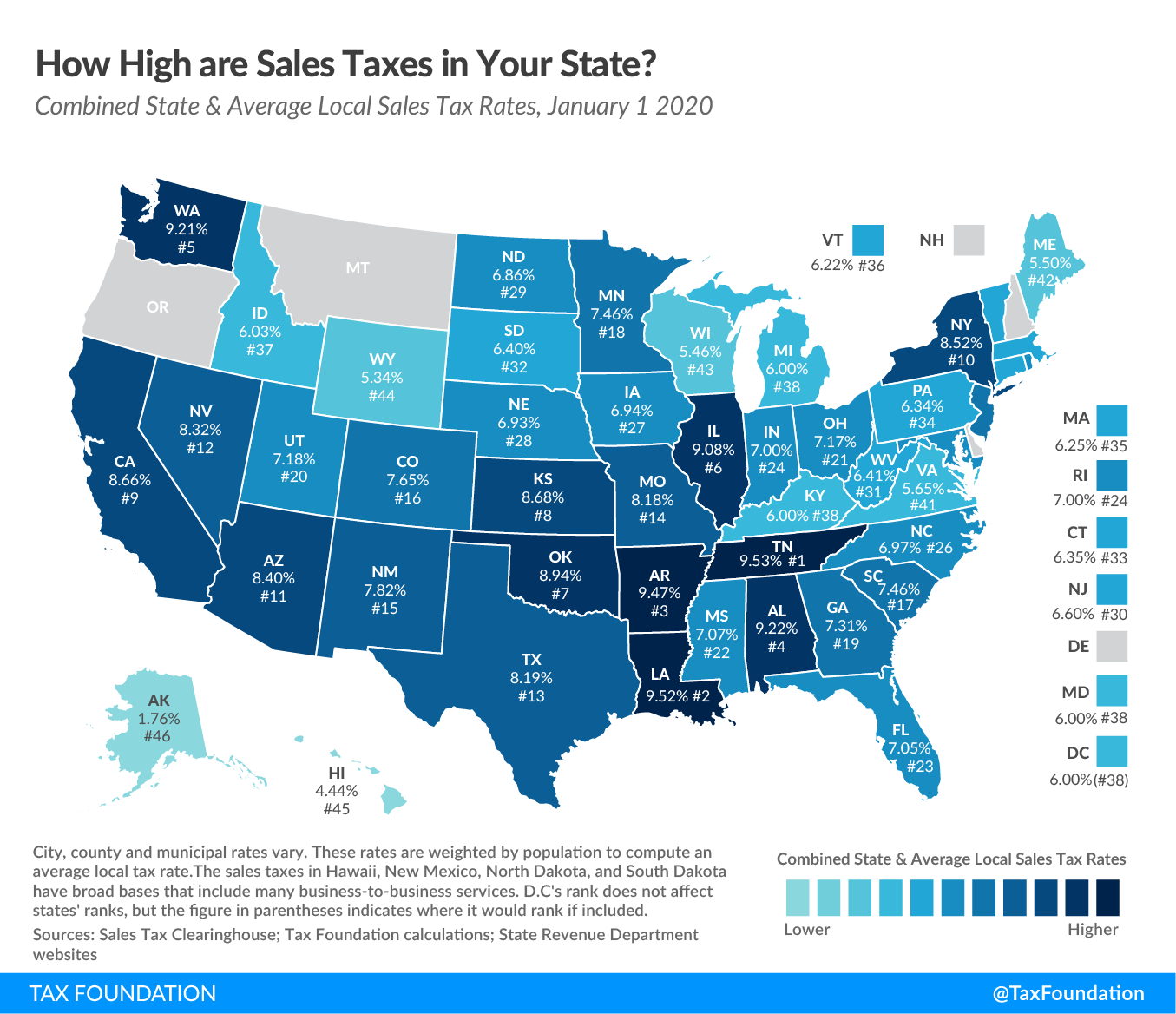
North Dakota does indeed have a state sales tax. This tax is applied to most retail sales of tangible personal property and certain services within the state. The state rate is a base percentage, but the final amount you pay is often higher due to the addition of local taxes imposed by cities and counties. This combined rate can vary significantly depending on your specific destination within North Dakota.
The current state sales tax rate in North Dakota is 5%. However, this is just the starting point. Many cities and counties have opted to levy their own local sales taxes, which are added to the state rate. For instance, a city might add 1% or 2% to the state rate, making the total sales tax in that locality 6% or 7%. Some areas might even have slightly higher combined rates.
What does this mean for your travel budget?
- Accommodation: When booking hotels, resorts, apartments, or villas in North Dakota, the nightly rate will be subject to the combined state and local sales tax. This is a significant factor to consider when comparing prices and calculating your total expenditure. For example, a room that appears to cost $150 per night could end up being $160 or more once taxes are applied, depending on the exact location. It’s always advisable to ask for the total price including taxes when making reservations.
- Dining: Enjoying the local food scene is a highlight of any trip. Restaurant meals, groceries (in some cases), and beverages are all subject to sales tax. While not as high as some other states, it’s an expense that accumulates over your stay.
- Shopping and Attractions: Souvenirs, entry fees to attractions, and any retail purchases you make will also incur sales tax. If you plan on significant shopping in cities like Fargo, Bismarck, or Grand Forks, factoring in the sales tax is essential for accurate budgeting.
- Services: Certain services, such as car rentals, repair services, and even some recreational activities, may also be subject to sales tax. It’s wise to check the specific taxability of services you intend to utilize.
Local Variations and Their Impact
The fact that North Dakota has local sales taxes means that the cost of goods and services can differ from one town to another. For example, a purchase made in Bismarck might have a different total tax than the exact same purchase made in Minot. This is particularly relevant if you’re undertaking a road trip or exploring multiple regions of the state.
Tips for managing sales tax:
- Research your destination: Before you travel, do a quick search for the “sales tax in [city name], North Dakota.” This will give you an accurate figure for the area you’ll be spending most of your time in.
- Budget accordingly: Add an estimated percentage (usually between 5% and 8%) to your planned spending on goods and services to account for sales tax.
- Consider tax-free shopping days: While less common for states with consistent sales tax, it’s always worth checking if there are any specific promotional periods or exemptions that might apply, though these are rare for general sales tax.
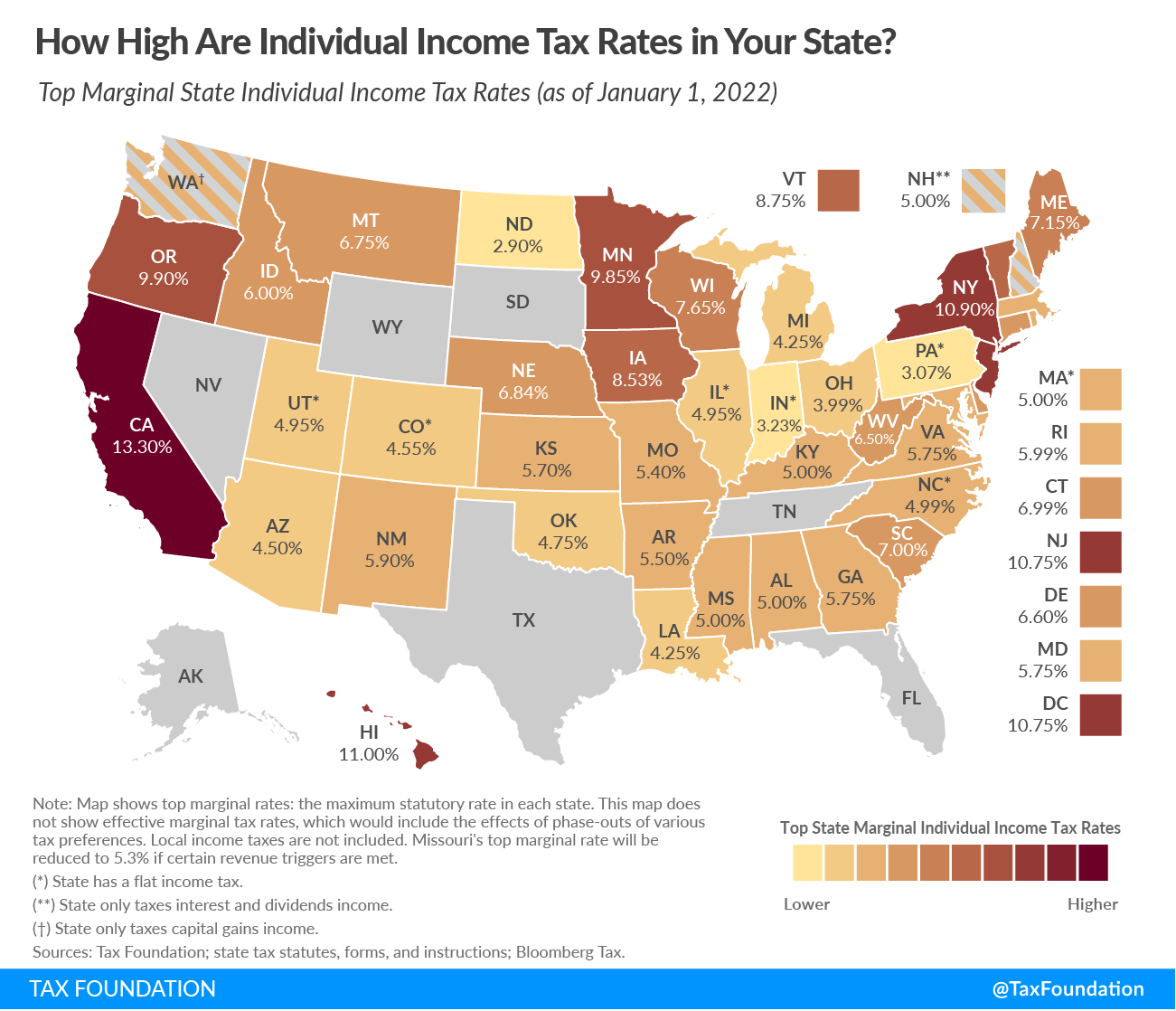
While North Dakota does not impose a state income tax on individuals, meaning your personal income earned outside the state, or even wages earned within the state if you are a visitor, are not subject to state income tax in the same way residents are, the sales tax is the most direct financial consideration for travelers. Understanding this aspect of North Dakota‘s fiscal policy is a fundamental step in ensuring a smooth and financially predictable travel experience.
Tourism and Accommodation: Understanding Costs
North Dakota is increasingly recognized for its diverse tourism offerings, from the historical significance of Theodore Roosevelt National Park to the vibrant arts and culture scene in Fargo. As you plan your exploration of Destinations, Attractions, Guides, and Experiences, understanding how taxes affect your Accommodation choices and the overall cost of your Tourism endeavors is paramount. The main tax that impacts travelers in this regard is, as previously mentioned, the state and local sales tax.
Accommodation Taxes and Fees
When you book Accommodation in North Dakota, whether it’s a luxurious Suite at a Resort, a comfortable Apartment for a longer stay, or a private Villa, the listed price is rarely the final amount. Sales tax is applied to the rental cost of rooms and other lodging facilities.
- State Sales Tax: The base 5% state sales tax applies to all lodging.
- Local Taxes: Cities and counties often add their own lodging taxes or a portion of their general sales tax to hotel bills. These can range from a few percentage points upwards.
- Other Fees: Be aware that some hotels and resorts may also charge additional fees, such as resort fees, cleaning fees, or service charges, which might or might not be subject to sales tax depending on the specific fee and local regulations. Always read the fine print of your booking confirmation.
For those seeking Budget Travel options, understanding these combined taxes is especially important, as even a small percentage increase can significantly impact daily costs. Conversely, for those indulging in Luxury Travel, these taxes are a standard part of the overall expense.
Examples of how taxes might affect accommodation costs:
Let’s say you find a highly-rated hotel in Grand Forks for $120 per night. If the combined state and local sales tax in Grand Forks is 7%, the total cost for that night would be:
$120 (room rate) + ($120 * 0.07) (sales tax) = $120 + $8.40 = $128.40
For a week-long stay, this difference of $8.40 per night adds up to $58.80. If you were booking a more premium resort or a spacious villa, this tax impact would be proportionally larger.
Impact on Tourism Activities and Experiences
Beyond Accommodation, the sales tax in North Dakota affects a wide range of Tourism-related activities and Experiences:
- Attractions and Landmarks: Entrance fees to Landmarks like Fort Mandan or historical sites, as well as tickets to museums, galleries, and entertainment venues, are generally subject to sales tax. This applies to both ticketed entry and any associated booking fees.
- Food and Dining: Exploring Local Culture often involves savoring the local Food. Restaurant bills, including food, beverages, and any service charges, will have sales tax added. This is a significant part of the Lifestyle of any traveler wanting to immerse themselves in the culinary offerings of North Dakota.
- Activities and Tours: Guided tours, such as those exploring the Enchanted Highway or historical tours in Bismarck, often include sales tax on the service provided. Similarly, recreational activities like boat rentals on Lake Sakakawea or guided fishing trips will have the tax applied.
- Shopping: Purchasing souvenirs, local crafts, or any other retail items to remember your trip by will also be subject to sales tax.
Tips for managing tourism and accommodation costs:
- Compare total prices: When booking Accommodation or planning activities, look for the total price that includes all taxes and fees. Many booking platforms now display this clearly.
- Factor taxes into your daily budget: If you have a daily budget for food, entertainment, and incidental expenses, add a buffer of 5-8% to account for sales tax.
- Consider long-term stays: If you are planning a Long-term Stay in North Dakota, perhaps for business or an extended vacation, understanding how sales tax applies to apartment rentals or other longer-term Accommodation options can help you negotiate better rates or budget more effectively. Some long-term rentals may have different tax structures or exemptions, so it’s worth inquiring.
By being mindful of the sales tax and its application to Accommodation, Tourism activities, and general retail, you can better plan your finances and fully enjoy the unique offerings of North Dakota without unexpected financial surprises. The state’s commitment to preserving its Nature and History means there are plenty of worthwhile experiences to be had, and understanding the financial details ensures these experiences are accessible and enjoyable.
Lifestyle Choices and Tax Implications in North Dakota
When considering North Dakota for travel, whether for a brief getaway or a more extended Business Stay, understanding how its tax structure aligns with various Lifestyle choices is beneficial. While the absence of a state income tax is a significant factor for residents, for visitors, the impact of sales tax on daily spending, Luxury Travel, Budget Travel, and Family Trips shapes the overall experience.
Budget Travel vs. Luxury Travel
The sales tax in North Dakota affects both ends of the Travel spectrum.
- Budget Travel: For those on a tighter budget, every dollar counts. The sales tax, though not exceptionally high, can noticeably increase the cost of essentials like meals, public transportation fares (if applicable), and affordable Accommodation. Planning ahead and identifying areas where sales tax might be lower or where fewer taxable purchases are needed can be crucial. For example, opting for a self-catering Apartment and preparing some meals can reduce spending on taxable restaurant services.
- Luxury Travel: For travelers seeking Luxury Travel experiences, the sales tax is a standard consideration, much like in any other state. While the percentage might be the same, the absolute dollar amount will be higher due to the greater expenditure. For instance, a $500 fine dining meal would incur a higher sales tax amount than a $20 meal. Similarly, a stay in a high-end Suite at a Resort will have a greater tax component than a standard hotel room. The key for luxury travelers is to factor these taxes into their overall budget to avoid surprises and ensure they can fully enjoy the premium services and products available.
Family Trips and Business Stays
North Dakota offers diverse opportunities for Family Trips and Business Stays, each with its own tax considerations:
- Family Trips: When traveling with family, expenses often increase due to the number of people. This means more meals, potentially more souvenirs, and possibly larger Accommodation needs, like family suites or adjoining rooms. The accumulated sales tax on these multiple purchases can add up. Planning Family Trips might involve looking for attractions with family discounts or activities that are less tax-intensive. Many of North Dakota’s natural attractions, like parks and scenic drives, offer significant enjoyment with minimal taxable expenses beyond fuel and snacks.
- Business Stays: For individuals on Business Stays, expenses are often reimbursed by their employer, but understanding the tax implications is still important for accurate expense reporting. Sales tax applies to Accommodation, meals, and any necessary purchases made during the business trip. Some businesses may have specific policies regarding the taxability of certain expenses, so it’s wise to be aware of these guidelines. For longer business stays, the choice between Hotels, Apartments, or Villas might be influenced not only by cost but also by the tax implications over an extended period.
Considerations for Longer-Term Stays
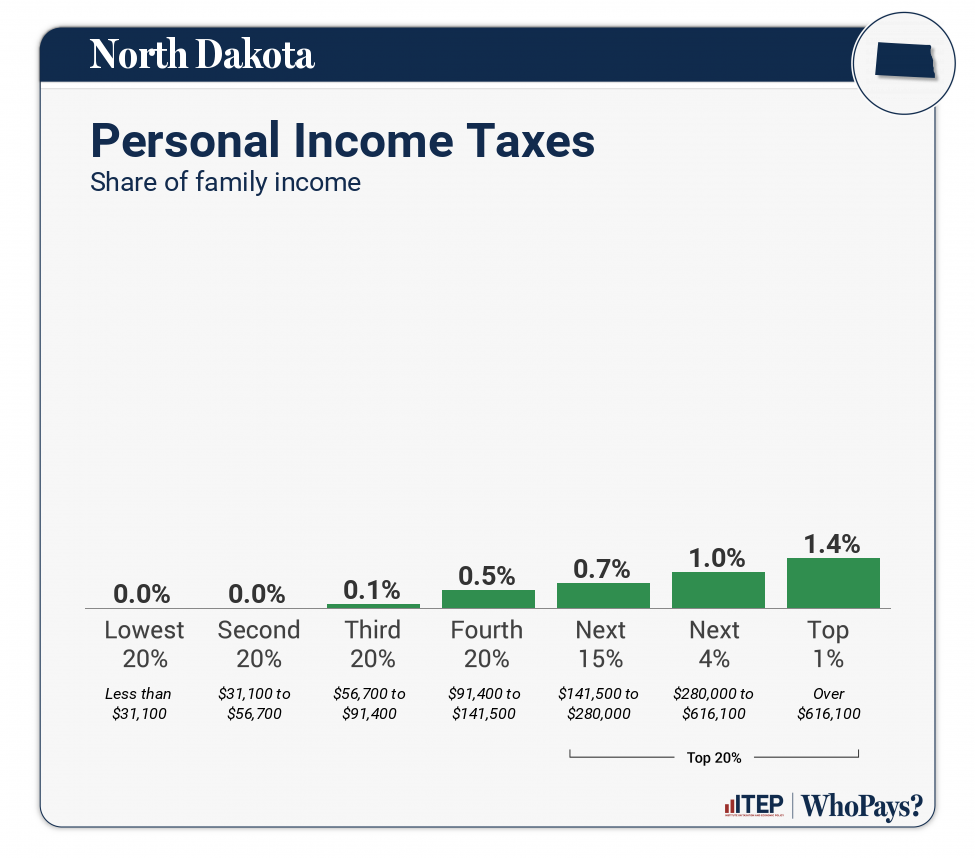
If your plans involve a Long-term Stay in North Dakota, perhaps for a seasonal job, extended vacation, or relocating, understanding the tax landscape becomes more nuanced. While sales tax remains a constant for purchases, individual residents are not subject to state income tax. This is a significant draw for many and can lead to a higher disposable income compared to living in states with substantial income taxes. However, for visitors or those in temporary accommodation, the focus remains on sales tax.
For Accommodation, the nature of a long-term stay might allow for renting Apartments or even Villas directly from owners, where tax arrangements might differ from standard hotel bookings. It’s crucial to clarify these details with landlords or property managers to understand what taxes, if any, are included or will be added.
In conclusion, while North Dakota does not have a state income tax that impacts visitors directly, its 5% state sales tax, combined with local taxes, is a fundamental part of the financial planning for any trip. Whether you’re exploring its natural Landmarks, immersing yourself in its Local Culture, enjoying its Experiences, or choosing your ideal Accommodation, being aware of these tax implications will allow you to manage your budget effectively and make the most of your time in the Peace Garden State. The state’s appeal lies not just in its picturesque landscapes and friendly atmosphere but also in its straightforward approach to taxation for travelers, ensuring that your focus can remain on enjoying the journey.