
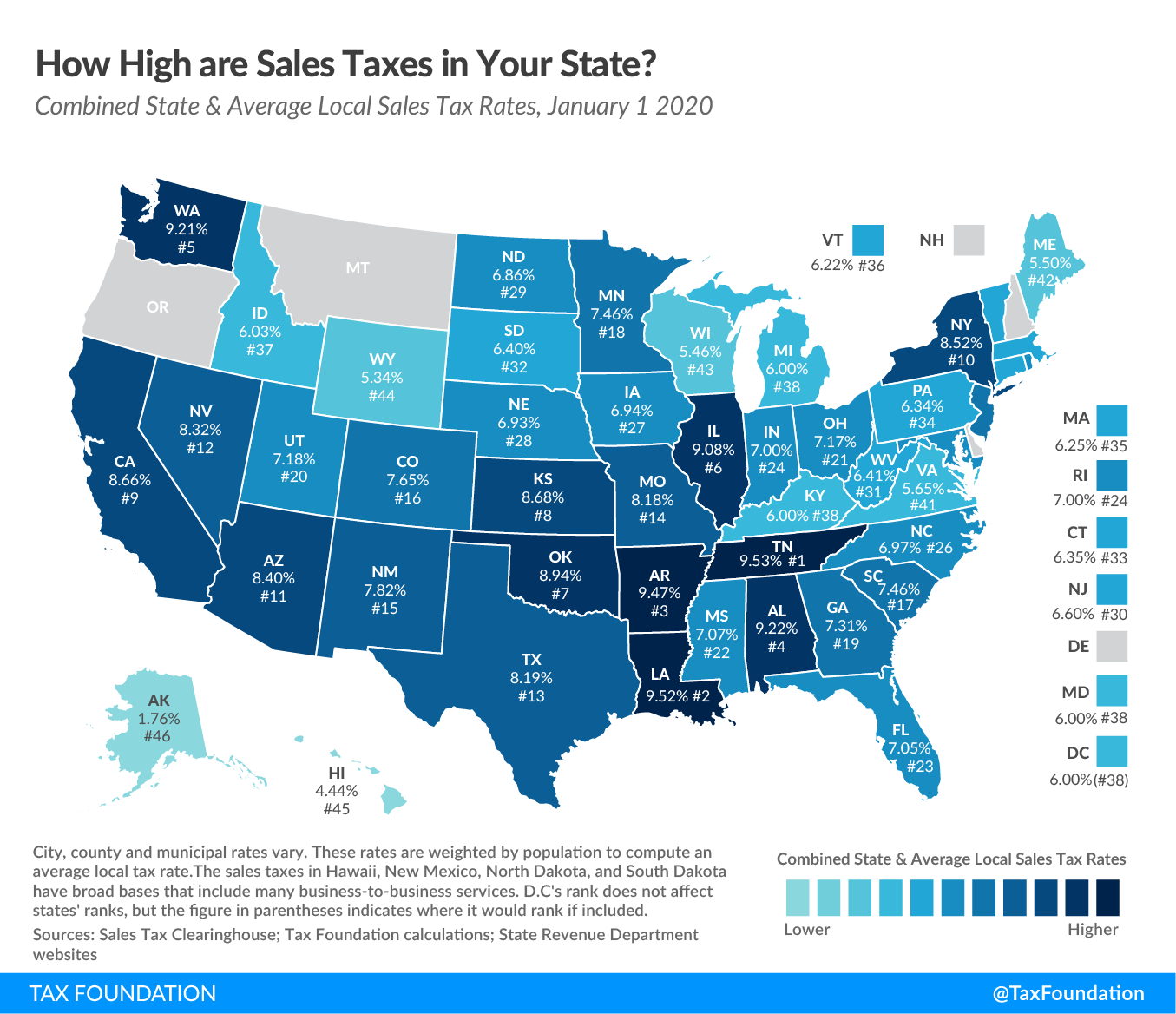
For travelers planning a picturesque escape or a business trip to the Pacific Northwest, one question often comes to mind regarding budgeting and expenses: “Does Oregon have sales tax?” The definitive answer is a resounding no. Oregon stands proudly as one of just a handful of states in the United States that does not levy a statewide sales tax on goods or services. This unique fiscal characteristic presents a significant advantage for visitors and residents alike, shaping everything from shopping sprees to the overall cost of a trip.
While the absence of sales tax is a major draw, understanding the complete tax landscape of Oregon is crucial for any traveler. This article will delve into what this means for your budget, how it impacts various aspects of tourism and lifestyle in the state, and what other taxes you might encounter during your stay. From booking accommodation to exploring natural landmarks and vibrant cities, we’ll guide you through making the most of your Oregon adventure without any fiscal surprises.
The Sales Tax Exception: What Makes Oregon Unique?
Oregon’s exemption from sales tax is a defining feature that sets it apart from most other states. This policy is deeply ingrained in the state’s fiscal identity and has profound implications for its economy and visitor experience.
Oregon’s Unique Tax Landscape
As one of only five states in the United States without a statewide sales tax (the others being Delaware, Montana, New Hampshire, and Alaska), Oregon relies on other revenue streams to fund its public services. The primary sources of state income are personal income tax and property taxes. This model means that when you purchase an item – be it a new pair of Nike shoes, a locally crafted souvenir, or groceries – the price you see on the tag is generally the price you pay at the register. There are no additional percentages tacked on, a refreshing change for many visitors from states like California or Washington, where sales taxes can range from 5% to over 10%.
This tax structure makes Oregon particularly attractive for certain types of purchases. High-value items such as electronics, jewelry, furniture, and designer apparel can result in significant savings compared to buying them elsewhere. It also simplifies budgeting, as travelers don’t need to factor in an additional percentage for every purchase. This straightforward pricing contributes to a more relaxed and enjoyable shopping experience, making Oregon a compelling destination for those looking to combine travel with retail therapy.

Impact on Shoppers and Tourists
The absence of sales tax directly influences the “shopping lifestyle” in Oregon. For many tourists, especially those from neighboring states, Oregon becomes a prime destination for specific shopping excursions. This is particularly evident in cities like Portland, which boasts an array of retail options, from sprawling malls and upscale boutiques to independent shops and bustling outdoor markets.
Imagine purchasing a new laptop or an expensive piece of outdoor gear from a brand like Columbia Sportswear without the added cost of sales tax. This can translate into hundreds of dollars in savings, which can then be reallocated to other aspects of your trip, such as dining at world-class restaurants, enjoying unique experiences, or upgrading your accommodation to a more luxurious hotel or resort. This economic benefit is a significant component of Oregon’s appeal, making it a hotspot for value-conscious shoppers and a boost for local businesses that benefit from increased consumer spending. The state’s vibrant retail scene, combined with this tax advantage, truly enhances the overall travel experience.
Navigating Other Taxes in Oregon for Travelers
While the lack of sales tax is a pleasant surprise, it’s important to remember that Oregon is not entirely tax-free for visitors. Like most destinations, there are other taxes and fees that travelers should be aware of, particularly concerning accommodation and specific services.
Lodging Tax: What to Expect When Booking Accommodation
The most significant tax you’ll encounter as a traveler in Oregon is the lodging tax, often referred to as a transient occupancy tax. This tax applies to temporary stays at hotels, motels, resorts, vacation rentals, apartments, and other short-term accommodation options. The lodging tax is composed of a statewide rate and additional local taxes, which can vary significantly depending on the city or county.
Currently, the statewide lodging tax in Oregon is 1.8%. However, this is typically augmented by local taxes. For example, in Portland, the combined lodging tax can be around 13.3%, which includes both city and county components on top of the state tax. Other popular destinations will have their own rates:
- Bend: Known for its outdoor activities and craft breweries, Bend also has a significant local lodging tax.
- Ashland: Home to the renowned Oregon Shakespeare Festival, Ashland likewise imposes a local lodging tax.
- Cannon Beach: A popular Oregon Coast spot with Haystack Rock as its iconic landmark, also features a local lodging tax.

When budgeting for your trip, it’s essential to factor in these lodging taxes. While they might seem substantial, they are a standard component of accommodation costs in most travel destinations across the United States. Many online booking platforms and hotel websites will display the total cost, including taxes, before you confirm your reservation, making it easier to see the final price. Always check the fine print or use comparison tools to get a clear picture of the total cost for your hotel or resort stay.
Other Taxes and Fees to Consider
Beyond the lodging tax, other less prominent taxes or fees might apply during your Oregon travels:
- Car Rental Tax: If you plan on exploring Oregon’s diverse landscapes by rental car, be aware that car rentals are subject to certain taxes and fees. These typically include a statewide rental car tax and possibly local surcharges, which are usually included in your rental agreement’s total cost. It’s advisable to clarify these fees when reserving your vehicle.
- Prepared Food and Beverage Tax: This is a common point of confusion. While Oregon does not have a sales tax on prepared food and beverages, some individual cities or counties may impose specific local taxes or surcharges on restaurant meals. However, these are generally rare and, if present, would be clearly itemized on your bill. For the most part, the price you see on the menu at a restaurant or café in Oregon is what you’ll pay, excluding any tip you choose to leave. This makes dining out a particularly attractive proposition for food enthusiasts, allowing for transparent budgeting for culinary experiences.
- Marijuana Tax: Oregon is one of the states where recreational marijuana is legal for adults 21 and over. Sales of recreational cannabis products are subject to a state excise tax, currently 17%, with some local governments adding up to an additional 3%. If this is an interest during your visit, factor this into the cost of such purchases.
Understanding these various taxes allows for more accurate budgeting and ensures that the lack of sales tax remains a genuine benefit rather than a misleading assumption about overall expenses.
Maximizing Your Oregon Travel Experience: Beyond Tax Savings
While the absence of sales tax undeniably offers a financial advantage, Oregon’s appeal extends far beyond just savings. The state is a treasure trove of diverse attractions, from stunning natural landmarks to vibrant urban cultures, all of which can be explored more freely with the knowledge that your shopping budget stretches further.
Shopping as a Key Attraction
For many, Oregon’s no-sales-tax policy transforms shopping from a necessity into a leisure activity and a core part of their travel itinerary. Major cities like Portland are particularly known for their retail prowess. Upscale malls such as Pioneer Place offer high-end brands without the added tax, making luxury items more accessible. For bargain hunters, the Woodburn Premium Outlets, located just south of Portland, provide a vast array of factory stores where savings are compounded by the lack of sales tax.
Beyond these large retail centers, Oregon is celebrated for its unique independent boutiques, artisan markets, and specialty stores. From vintage clothing in Portland’s to handcrafted goods in coastal towns, the opportunity to purchase high-quality items at transparent prices is a major draw. Shoppers can confidently invest in outdoor gear, local food products, art, and fashion, knowing they are getting the true price. This boosts local businesses and provides visitors with authentic souvenirs and lasting memories, all while enjoying a truly tax-free shopping lifestyle.
Exploring Oregon’s Diverse Attractions
The money saved on sales tax can be wisely reinvested into experiencing Oregon’s myriad attractions. The state is renowned for its breathtaking natural beauty and rich local culture, offering something for every type of traveler.
- Nature and Outdoors: Oregon is a paradise for outdoor enthusiasts. Hike through the majestic Columbia River Gorge to witness stunning waterfalls like Multnomah Falls. Marvel at the deep blue waters of Crater Lake National Park, the deepest lake in the United States and a pristine natural landmark. Explore the rugged beauty of the Oregon Coast, with iconic spots like Cannon Beach and the charming towns of Tillamook, Newport, and Astoria. In winter, Mount Hood offers premier skiing and snowboarding, while summer transforms it into a hiking and climbing haven.
- Urban Culture and Culinary Delights: Portland is a hub of vibrant urban culture, celebrated for its innovative food scene, bustling craft brewery industry, and quirky attractions like Powell’s City of Books and Voodoo Doughnut. Neighborhoods like the Pearl District blend historic architecture with modern galleries and eateries, providing endless opportunities for exploration.
- Wine Country: The Willamette Valley, stretching southwest of Portland, is world-renowned for its Pinot Noir. Visitors can embark on wine tours, sampling exquisite wines at picturesque vineyards and learning about the region’s burgeoning viticulture.
- Arts and Entertainment: In Southern Oregon, the city of Ashland hosts the internationally acclaimed Oregon Shakespeare Festival, drawing theater lovers from across the globe. Other cities like Eugene and Salem also offer a rich tapestry of arts, music, and local events.
The absence of sales tax ensures that your budget for these incredible experiences remains as robust as possible, allowing for deeper engagement with Oregon’s incredible diversity.
Planning Your Stay: Accommodation and Lifestyle Considerations
Choosing the right accommodation and travel lifestyle is pivotal for any trip. Oregon’s diverse offerings cater to every preference, from luxury resorts to budget travel options.
For those seeking luxury, Oregon features high-end hotels and resorts in Portland, Bend, and along the Oregon Coast. Many offer premium amenities like spas, gourmet dining, and stunning views. When considering these, remember to factor in the lodging tax. Conversely, budget travelers can find numerous affordable hotels, motels, and vacation rentals across the state, ensuring that even on a tighter budget, the tax-free shopping can still offer a welcome perk.
Family trips benefit greatly from the sales tax exemption, particularly when purchasing clothing, toys, or gear for children. Many accommodations cater specifically to families, offering suites, pools, and proximity to family-friendly attractions. For business stays, the transparency of pricing can simplify expense reports, while the opportunity to shop tax-free after meetings can be a valuable bonus. Long-term stay options, such as furnished apartments or extended-stay hotels, are also readily available, often with competitive rates for those planning an extended visit or relocation.
Utilizing booking websites and reading reviews can help in comparing options and finding the best value. Regardless of your chosen lifestyle or accommodation type, the financial relief from sales tax allows for greater flexibility in your travel planning.
Budgeting for Your Oregon Adventure: A Holistic Approach
A successful Oregon getaway requires more than just knowing about sales tax. It involves a holistic approach to budgeting, combining the benefits of tax-free shopping with an awareness of other potential costs.
Understanding the True Cost of Your Trip
While the absence of sales tax is a significant advantage, it’s crucial to look at the bigger picture of your travel expenses. Beyond accommodation and transportation, consider costs for dining, activities, and miscellaneous expenditures. Oregon’s vibrant culinary scene, from Portland’s acclaimed restaurants to fresh seafood along the Oregon Coast, offers a wide range of pricing. Entry fees for state parks, museums, and attractions should also be accounted for.
By itemizing your anticipated expenses, you can create a realistic budget that maximizes the benefits of Oregon’s tax structure. The money saved on shopping can be strategically allocated to higher-quality experiences or perhaps a more comfortable hotel stay, enhancing the overall value of your trip.
Smart Spending Strategies
To truly leverage the no-sales-tax benefit, consider these smart spending strategies:
- Prioritize Big-Ticket Purchases: If you’ve been eyeing a new camera, a designer handbag, or high-performance outdoor gear, Oregon is the place to make that purchase. The savings on sales tax can be substantial on these items.
- Support Local: Explore local markets and independent shops. Not only will you find unique souvenirs and gifts, but you’ll also be supporting Oregon’s local economy without the added tax burden.
- Balance Savings with Experiences: Don’t let the allure of tax-free shopping overshadow the incredible experiences Oregon has to offer. Use your savings to indulge in a wine tour in the Willamette Valley, a thrilling rafting trip down the Deschutes River or Rogue River, or a memorable food tour in Portland.
- Use Reviews and Comparison Tools: For accommodation, flights, and rental cars, always use online platforms to compare prices and read recent reviews. This ensures you’re getting the best value for your money, especially when factoring in those unavoidable lodging and rental car taxes.
In conclusion, Oregon’s status as a sales-tax-free state is a definite boon for travelers. It simplifies shopping, offers tangible savings, and encourages a more relaxed and expansive approach to exploring the state’s diverse offerings. By being mindful of other taxes like the lodging tax and adopting a strategic approach to spending, visitors can fully immerse themselves in everything this stunning Pacific Northwest state has to offer, from its majestic landmarks and vibrant cities to its unique local culture and world-class culinary scene. Pack your bags, plan your destinations, and get ready to experience the wonders of Oregon without the added bite of sales tax!