
For many individuals approaching their golden years, the question of where to settle down often hinges on a critical financial consideration: how will their retirement income be taxed? Among the myriad factors influencing this decision, the taxation of Social Security benefits stands out as a significant concern. Prospective retirees and those contemplating a move to the Pacific Northwest frequently ask, “Does Oregon tax Social Security?” The answer, happily for many, is a resounding no. Oregon is one of the states that does not impose state income tax on Social Security benefits, a notable advantage that positions it as an attractive option for retirees.
However, the financial landscape of retirement in Oregon is more nuanced than a single tax exemption. While the absence of Social Security taxation is a significant perk, understanding the state’s broader tax structure – including income tax, property tax, and the unique absence of sales tax – is crucial for anyone considering making this diverse and scenic state their long-term home or even an extended travel destination. Beyond the numbers, Oregon offers a lifestyle rich in natural beauty, cultural experiences, and vibrant communities, making it a compelling choice for a variety of individuals seeking both financial stability and a high quality of life. This article will delve into Oregon’s tax policies for retirees, providing a comprehensive overview that extends beyond Social Security to cover other income sources, property considerations, and the overall cost of living, all while weaving in aspects of travel, accommodation, and the unique lifestyle that defines the Beaver State.
Understanding Oregon’s Unique Tax Landscape for Retirees
When evaluating Oregon as a potential retirement haven, it’s essential to look beyond the single issue of Social Security taxation and grasp the broader financial picture. While the state offers a clear advantage in one area, its overall tax framework is distinct from many other states, especially its neighbors like California and Washington. A holistic understanding of income, property, and consumption taxes will provide a clearer perspective on the true financial implications of living in this captivating state.
The Social Security Tax Exemption: A Clear Advantage
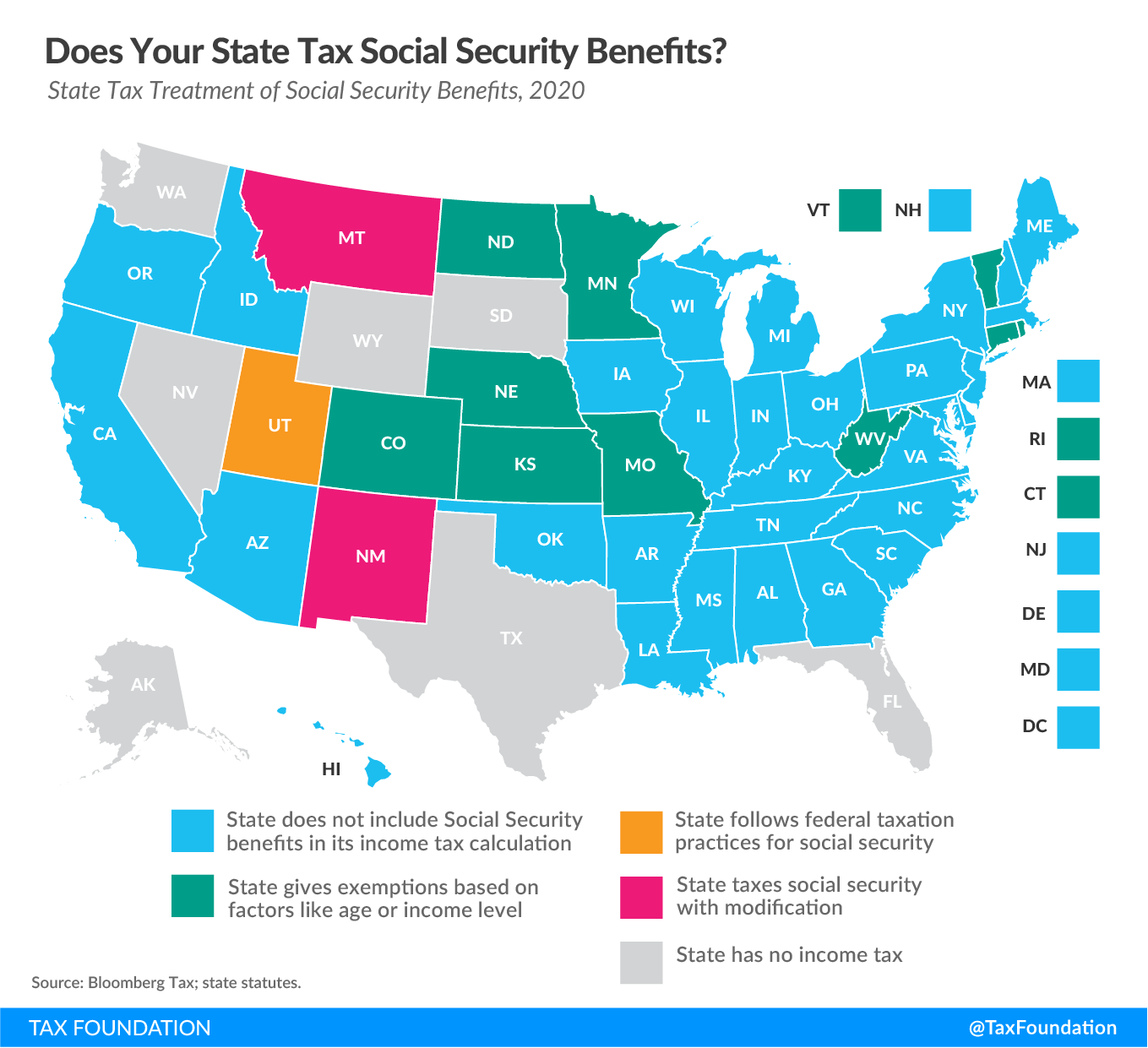
The most straightforward answer to our initial question is that Oregon does not tax Social Security benefits. This policy means that retirees receiving Social Security payments will not see a portion of those benefits taken out at the state level. For many, especially those who rely heavily on these benefits for their retirement income, this provides a significant financial relief. Unlike some states that tax Social Security benefits based on income thresholds or specific formulas, Oregon offers a complete exemption, making it an appealing destination for those prioritizing the full retention of their federal benefits. This puts Oregon in a favorable category alongside states like Washington (which has no state income tax at all) and Nevada. This exemption can translate into more disposable income, which can be allocated towards enjoying Oregon’s many attractions, from exploring the Oregon Coast to indulging in the culinary scene of Portland.
Navigating Oregon’s Income Tax Structure
While Social Security benefits are exempt, Oregon does have a progressive state income tax. This means that income earned from other sources, such as pensions, 401(k) withdrawals, IRA distributions, and other forms of taxable retirement income, are subject to state income tax. The rates are progressive, ranging from a low of 4.75% to a high of 9.9%. For retirees, this implies that while their Social Security checks remain untouched, other significant portions of their retirement savings might be subject to state taxation.
It’s important for prospective residents to understand these brackets and how they apply to their overall financial situation. Oregon does offer various deductions and credits that can help reduce taxable income for some individuals, including certain exemptions for military pensions and a limited credit for seniors. However, compared to states with no income tax, or those with flat rates, Oregon’s progressive income tax can be a substantial consideration, especially for retirees with higher levels of non-Social Security income. This makes careful financial planning and potentially consulting with a tax professional highly advisable.

Property Taxes and the Absence of Sales Tax
Two other major components of Oregon’s tax landscape are property taxes and sales tax. Property taxes in Oregon are levied at the local level by counties, cities, and special districts. Rates vary significantly depending on the specific location, with more desirable areas or those with extensive public services often having higher effective rates. For example, property taxes in urban centers like Portland or Bend might be higher than in more rural parts of the state. It’s crucial for anyone considering purchasing a home to research the specific property tax rates for their chosen locality. While Oregon property taxes are generally considered moderate compared to some high-tax states, they still represent a significant ongoing expense for homeowners.

On the other hand, one of Oregon’s most celebrated financial advantages is the complete absence of a state sales tax. This means that when you purchase goods or services, whether it’s groceries, clothing, or a new car, you pay only the listed price – no additional percentage is tacked on at the register. This can lead to substantial savings over time, especially for individuals who frequently make purchases. For travelers and tourists, this also translates into more affordable shopping experiences, whether you’re browsing the unique shops in Ashland or looking for outdoor gear in Eugene. The lack of sales tax can partially offset the impact of Oregon’s progressive income tax and property taxes, contributing to a more favorable overall cost of living for some residents.
Beyond Social Security: Other Financial Considerations for Oregon Living
While the tax treatment of Social Security is a key factor, a comprehensive financial assessment of retiring or living long-term in Oregon requires a look at all income streams and expenses. Oregon’s unique economic environment presents a distinct set of considerations for retirees, extending beyond just what the taxman takes.
Pension and Retirement Income Taxation
As mentioned, Oregon generally taxes most other forms of retirement income as ordinary income. This includes distributions from private pensions, 401(k)s, 403(b)s, and traditional IRAs. These incomes are subject to the progressive state income tax rates, which can reach up to 9.9% for higher earners. For retirees with substantial private retirement savings, this can be a significant portion of their annual tax bill.
However, there are a few nuances to be aware of. Oregon does offer a tax subtraction for certain government pensions, including military pensions, which can reduce taxable income. Additionally, the state provides an income tax credit for seniors and people with disabilities who meet certain income and age requirements. While these don’t negate the income tax entirely, they can offer some relief for qualifying individuals. Understanding how your specific retirement income sources will be treated is paramount. Many retirees choose to structure their withdrawals strategically or consult with financial planners specializing in Oregon tax law to optimize their income stream.
Estate and Inheritance Taxes
For individuals with larger estates, Oregon is one of the few states that levies its own estate tax. This tax applies to the value of an individual’s estate upon their death, exceeding a certain threshold (which has historically been around $1 million). Unlike an inheritance tax, which is paid by the beneficiary, an estate tax is paid by the estate itself before assets are distributed. This is a crucial consideration for estate planning, especially for those with substantial assets accumulated over a lifetime. While it may not impact all retirees, those planning for intergenerational wealth transfer should be aware of Oregon’s estate tax laws and incorporate them into their financial and legal planning.
Cost of Living: A Broader Perspective
Beyond taxes, the general cost of living is a major determinant of retirement affordability. Oregon’s cost of living is generally higher than the national average, primarily driven by housing costs in its major metropolitan areas. Cities like Portland and Bend are known for their vibrant communities and access to amenities but also come with a higher price tag for housing, whether you’re looking to purchase a home or rent an apartment. For those seeking luxury travel or premium accommodations, options in these cities can be quite expensive, ranging from upscale boutique hotels to sprawling vacation rentals.
However, more rural areas or smaller towns throughout the state can offer significantly more affordable housing options, especially in regions east of the Cascade Mountains or along parts of the southern Oregon Coast. Utilities, healthcare, and transportation costs are generally comparable to national averages, though specific prices can fluctuate. The absence of sales tax helps to keep everyday expenses for goods lower. For those with a budget travel mindset, exploring different regions of Oregon for accommodation and amenities can yield surprising value. It’s advisable for prospective residents to thoroughly research the cost of living in specific communities that appeal to them, factoring in housing, healthcare, and daily expenses, to ensure a comfortable retirement lifestyle.
Oregon Living: A Lifestyle Designed for Retirement and Exploration
Beyond the financial intricacies, Oregon offers a lifestyle that attracts retirees and long-term visitors alike. Its diverse landscapes, ranging from rugged coastlines to high desert plateaus, and its vibrant cities provide an unparalleled backdrop for an active and fulfilling post-career life. The state consistently ranks high for livability and outdoor recreation, making it a compelling choice for those seeking to blend financial prudence with rich life experiences.
Embracing Oregon’s Natural Wonders and Outdoor Activities
Oregon is a paradise for outdoor enthusiasts, offering a plethora of activities for all fitness levels. The iconic Oregon Coast beckons with dramatic cliffs, sandy beaches, and charming coastal towns like Cannon Beach and Astoria, perfect for whale watching, tidepooling, or simply enjoying the ocean breeze. Inland, the majestic Columbia River Gorge offers breathtaking waterfalls and scenic hikes, while the Willamette Valley is renowned for its world-class wineries, inviting wine lovers to explore its picturesque vineyards.
Further south, the pristine beauty of Crater Lake National Park provides an awe-inspiring natural landmark. For those who enjoy skiing, snowboarding, or summer hiking, Mount Hood stands as a beacon, offering year-round outdoor adventures. The high desert region around Bend is a hub for mountain biking, rock climbing, and fly fishing. These natural attractions not only provide endless opportunities for recreation but also serve as magnets for tourism, ensuring that there’s always something new to explore, whether you’re a resident or a visitor seeking unforgettable experiences. Many retirees embrace the chance to hike, bike, garden, or engage in water sports, finding that Oregon’s environment supports a highly active lifestyle.
Cultural Richness and Community Life
Oregon’s cities and towns are rich in culture, arts, and a strong sense of community. Portland, the state’s largest city, is celebrated for its eclectic arts scene, diverse culinary landscape (from food trucks to fine dining), craft breweries, and quirky neighborhoods. It’s a city that embraces individuality and offers a vibrant urban experience. For those interested in performing arts, Ashland is home to the internationally acclaimed Oregon Shakespeare Festival, drawing visitors from around the globe and providing a lively cultural hub in the Rogue Valley.
Eugene, a university town, offers a more laid-back vibe with a focus on sports, environmentalism, and a thriving arts community. Throughout the state, smaller communities pride themselves on local farmers’ markets, festivals, and strong volunteer networks, allowing retirees to easily integrate and contribute. From historical landmarks to modern architectural marvels, Oregon’s towns offer unique cultural flavors. The emphasis on local produce, artisanal crafts, and community engagement makes for a fulfilling lifestyle, whether you prefer the bustle of city life or the tranquility of a rural setting.
Accommodation and Long-Term Stays
For those exploring Oregon as a potential retirement spot or simply planning an extended visit, the state offers a wide range of accommodation options. From luxurious resorts nestled in wine country or along the coast to charming bed and breakfasts in historic towns and modern serviced apartments in urban centers, there’s something to suit every preference and budget.
Many consider a long-term rental as a trial run before committing to a purchase, allowing them to experience different neighborhoods and communities. Websites dedicated to booking and reviews can assist in finding the perfect temporary home. For those fully committing, Oregon features diverse housing markets, from elegant homes in established neighborhoods to more contemporary residences. Retirement communities are also available, offering amenities and services tailored to seniors, fostering social connections and active lifestyles. Whether you’re considering a short-term experience or a permanent move, understanding the accommodation landscape is a key part of planning your Oregon adventure.
Making an Informed Decision: Is Oregon Right for You?
Deciding where to spend your retirement years or establish a long-term residence is a deeply personal choice, influenced by a myriad of factors ranging from financial health to lifestyle preferences. Oregon, with its captivating beauty and distinctive tax structure, presents a compelling, albeit complex, proposition.
Weighing the Pros and Cons for Retirees
The clear advantage for retirees in Oregon is the complete exemption of Social Security benefits from state income tax, coupled with the absence of a statewide sales tax. These two factors can lead to significant annual savings, especially for those whose retirement income largely consists of Social Security and who make frequent purchases. The natural beauty, abundant outdoor activities, and vibrant cultural scenes in cities like Portland, Bend, and Ashland also represent strong lifestyle drawcards.
However, these benefits must be balanced against Oregon’s progressive state income tax on other retirement income (such as pensions and 401(k) distributions) and relatively higher property taxes in desirable areas. The overall cost of living, particularly housing, can also be a significant consideration, placing Oregon above the national average in many respects. For those with substantial non-Social Security income or large estates, the income and estate taxes warrant careful attention. Ultimately, the “rightness” of Oregon as a retirement destination depends on an individual’s specific financial situation, desired lifestyle, and priorities.
Planning Your Visit and Exploration
Before making a definitive decision, many prospective retirees choose to visit Oregon for an extended period. This allows them to experience the different seasons, explore various regions—from the bustling Willamette Valley to the serene high desert—and get a feel for the local communities and amenities. Consider taking a trip to explore potential retirement communities, perhaps staying in different types of hotels or even a long-term vacation rental to truly immerse yourself. Traveling through different destinations, from the famed Crater Lake National Park to the urban delights of Portland, can provide invaluable insights into the state’s diverse offerings.
Engaging with locals, visiting senior centers, and attending community events can offer a genuine glimpse into daily life. It is also highly recommended to consult with a financial advisor and a tax professional who are familiar with Oregon’s specific laws to get personalized advice tailored to your unique financial circumstances. This thorough due diligence, combining experiential travel with professional financial guidance, will ensure you make an informed decision that aligns perfectly with your retirement dreams.
In conclusion, for those asking, “Does Oregon tax Social Security?”, the answer is a welcome no. This, combined with the absence of sales tax and a lifestyle rich in natural beauty and cultural experiences, makes Oregon a highly attractive option for retirement. However, the state’s progressive income tax on other retirement income and varying property taxes mean that a holistic view of your financial picture is essential. By carefully considering all aspects and perhaps embarking on an exploratory trip, you can determine if the Beaver State truly offers the ideal blend of financial prudence and quality of life for your golden years.
LifeOutOfTheBox is a participant in the Amazon Services LLC Associates Program, an affiliate advertising program designed to provide a means for sites to earn advertising fees by advertising and linking to Amazon.com. Amazon, the Amazon logo, AmazonSupply, and the AmazonSupply logo are trademarks of Amazon.com, Inc. or its affiliates. As an Amazon Associate we earn affiliate commissions from qualifying purchases.