
The name Paris Hilton is synonymous with celebrity, luxury, and, of course, the iconic Hilton Hotels empire. For decades, a pervasive question has lingered in the public consciousness: Does Paris Hilton actually own the global hotel chain that bears her family name? The answer, while perhaps not as simple as a yes or no, reveals a fascinating interplay of legacy, corporate structure, and individual entrepreneurial spirit.
While Paris Hilton is undeniably a prominent member of the Hilton family and an heiress to a significant fortune derived from its success, she does not own Hilton Hotels in the traditional sense of being the sole or primary proprietor. The journey of Hilton from a single hotel in Cisco, Texas, to a global hospitality behemoth is a complex tale involving visionary leadership, public offerings, and major corporate acquisitions, far beyond the control of any single family member today. This article will delve into the rich history of the Hilton brand, Paris Hilton’s connection, and the actual ownership structure of one of the world’s most recognizable hotel companies, while also exploring her own diverse business ventures and impact on modern lifestyle.
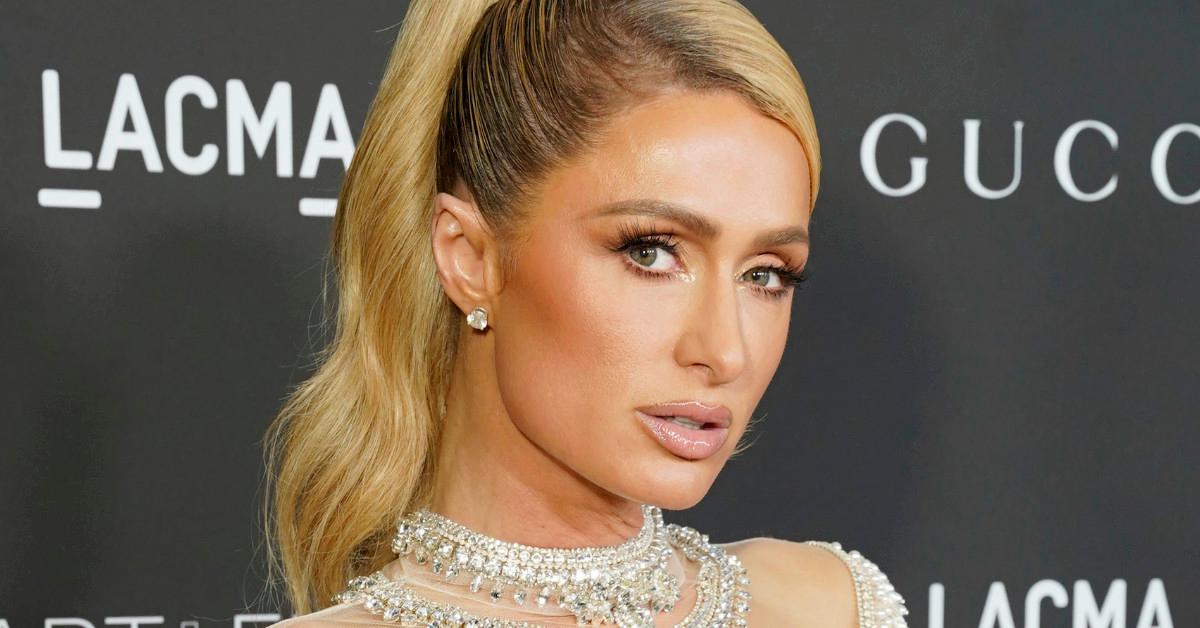
The Hilton Dynasty: A Legacy of Hospitality
The story of Hilton Hotels begins not with a socialite, but with a visionary entrepreneur named Conrad Hilton. His ambition laid the groundwork for a hospitality empire that would redefine travel and accommodation for generations.
Conrad Hilton’s Vision and Early Beginnings
Conrad Nicholson Hilton founded Hilton Hotels in 1919 when he purchased his first hotel, the Mobley Hotel, in Cisco, Texas. Originally intending to buy a bank, Hilton instead found himself drawn to the bustling and overbooked hotel, quickly recognizing the immense potential in providing comfortable and reliable accommodation. His innovative approach to hotel management, focusing on standardized service and a welcoming atmosphere, quickly set his establishments apart.
Conrad Hilton’s early philosophy was rooted in the idea that hotels should be more than just places to sleep; they should be integral parts of the community, offering a range of services and amenities to both travelers and locals. This vision drove him to expand rapidly across Texas, acquiring and building hotels in cities like Dallas and Fort Worth. His dedication to growth and an astute understanding of the burgeoning travel industry during the roaring twenties propelled his nascent company forward.
Growth, Expansion, and Global Dominance
The company’s expansion gained significant momentum through the mid-20th century. By 1946, Hilton Hotels Corporation was officially formed and listed on the New York Stock Exchange, signaling its transition from a family business to a publicly traded entity. This move provided the capital necessary for unprecedented growth. Hilton began its international expansion shortly after, opening the Caribe Hilton in San Juan, Puerto Rico, in 1949, and soon after, the first Hilton hotel in Europe in Istanbul, Turkey.
Under Conrad Hilton’s’s leadership, and later that of his son Barron Hilton, the company acquired prestigious properties, including the legendary Waldorf Astoria in New York City in 1949. This acquisition solidified Hilton’s’s reputation for luxury and cemented its position at the forefront of the hospitality industry. Over the decades, the brand diversified, introducing various tiers of hotels and resorts to cater to different segments of travelers. From upscale destinations under the Conrad Hotels & Resorts banner to more accessible options like DoubleTree, Embassy Suites, and Hampton Inn, Hilton Worldwide evolved into a comprehensive portfolio covering every aspect of accommodation. This strategic expansion ensured Hilton’s’s enduring presence in major cities and popular tourist destinations across the globe, including London, Tokyo, Las Vegas, and Chicago, shaping the landscape of travel and tourism.

Paris Hilton’s Connection to the Empire
Given her surname and highly publicized lifestyle, it’s natural for people to assume a direct operational link between Paris Hilton and the hotel chain. However, her connection is primarily through lineage and a legacy of wealth, rather than direct ownership or management.
The Heiress’s Lineage
Paris Whitney Hilton is the great-granddaughter of Conrad Hilton, the founder of Hilton Hotels. Her grandfather was Barron Hilton, who inherited the family business from Conrad and served as its chairman and CEO for many years, significantly expanding its global footprint. Her parents are Richard Hilton and Kathy Hilton, both of whom have connections to real estate and entertainment.
This lineage places Paris firmly within the Hilton family dynasty, ensuring she inherited a substantial trust fund and a considerable fortune. This wealth is undeniably linked to the success of the hotel chain that her great-grandfather built and her grandfather managed. However, it’s crucial to understand that inheriting wealth derived from a company’s past success does not equate to owning or running the current corporation. The nature of public companies and the structure of family trusts often mean that descendants are shareholders or beneficiaries, rather than active owners or decision-makers in day-to-day operations.
Her Role (or Lack Thereof) in Current Operations
Despite her famous name, Paris Hilton has never held an executive or managerial position within Hilton Worldwide. Her career path diverged significantly from the traditional hospitality industry. Instead, she carved out her own niche in the realms of reality television, fashion, music, and DJing, becoming a global pop culture icon and an entrepreneur in her own right.
The misconception about her ownership stems largely from the sheer prominence of the Hilton name and her high-profile public image. Many assume that because her name is on the hotels, she must be directly involved. However, the operational control and strategic direction of Hilton Worldwide rest with its current board of directors, executive team, and, ultimately, its shareholders. While Paris may still hold some shares in the company through her inherited trusts, her stake would be a fraction of the total, making her a passive investor rather than an owner or operator. This distinction is vital in understanding the modern corporate landscape, where even founding families often hold only minority stakes in the companies they created once they go public or undergo significant acquisitions.

Who Owns Hilton Worldwide Today?
The ownership structure of Hilton Worldwide Holdings Inc. is a prime example of a large, publicly traded corporation, far removed from its original family business model.
From Family Business to Public Company
As mentioned, Hilton Hotels Corporation went public in 1946, a move that allowed it to raise significant capital for expansion. This initial public offering began the dilution of direct family ownership, as shares became available to a broader range of investors. Over the subsequent decades, the company continued to grow and evolve, facing various market challenges and opportunities.
A pivotal moment in Hilton’s’s ownership history occurred in 2007 when the entire company was acquired by Blackstone Group, a private equity firm led by Stephen Schwarzman, in a monumental deal valued at approximately $26 billion. This acquisition marked the transition of Hilton Worldwide from a public company to a privately held entity for several years. During this period, Blackstone undertook significant restructuring and strategic initiatives, investing heavily in the brand and expanding its global footprint.
A Look at Modern Ownership and Management
In 2013, Blackstone Group took Hilton Worldwide public again through one of the largest hospitality IPOs in history. While Blackstone initially retained a significant stake, it gradually divested its shares over the following years, eventually selling its final holdings in 2018.
Today, Hilton Worldwide Holdings Inc. is a publicly traded company on the New York Stock Exchange under the ticker HLT. This means its ownership is dispersed among millions of shareholders, including institutional investors like mutual funds, pension funds, and asset management firms, as well as individual investors. No single individual or family, including the Hilton family, holds a controlling interest in the company.
The company is managed by a professional executive team and overseen by an independent board of directors. Their responsibilities include setting corporate strategy, overseeing operations of its numerous brands like Waldorf Astoria Hotels & Resorts, Conrad Hotels & Resorts, Canopy by Hilton, Curio Collection by Hilton, DoubleTree by Hilton, Embassy Suites by Hilton, Hilton Garden Inn, Hampton by Hilton, Homewood Suites by Hilton, and Hilton Grand Vacations, and ensuring the company’s profitability for its shareholders. While the Hilton name continues to be the brand’s cornerstone, the actual ownership and management are a testament to modern corporate finance and governance.
Paris Hilton’s Brand and Business Ventures Beyond Hospitality
While the Hilton Hotels empire continued its trajectory, Paris Hilton forged a distinct and highly successful path, leveraging her inherited name and a keen sense for branding to build her own diverse business portfolio.
Entrepreneurship in Fashion, Music, and Media
Paris Hilton’s rise to fame began in the early 2000s with the reality television show “The Simple Life,” alongside Nicole Richie. This show, which showcased her as a glamorous socialite navigating everyday tasks, instantly propelled her into the spotlight and established her as a global celebrity. Far from being a mere flash in the pan, Paris astutely capitalized on her newfound fame, transforming herself into a formidable entrepreneur.
Her business ventures span a wide array of industries. In fashion, she launched her own successful line of fragrances, which have generated billions in revenue globally, along with clothing lines, handbags, and accessories. In the music industry, she released her debut album, “Paris,” in 2006 and has since established a thriving career as a DJ, performing at major clubs and festivals worldwide, from Ibiza to Mykonos. Her media presence extends beyond reality TV to include books, podcasts, and a strong digital footprint, making her a pioneer in leveraging personal branding in the digital age. She also established her own production company, 11:11 Media, further cementing her role as a media mogul.
The Socialite’s Impact on Pop Culture and Lifestyle
Paris Hilton’s influence extends beyond her business ventures; she has profoundly impacted pop culture, luxury travel, and contemporary lifestyle trends. Her early 2000s aesthetic, characterized by tracksuits, flip phones, and catchphrases like “That’s hot,” became iconic and is still referenced today. She was one of the first celebrities to truly harness the power of social media for self-promotion and branding, effectively creating the template for the modern influencer.
Her life exemplifies a certain kind of luxury lifestyle, often involving stays in exclusive resorts, travel to exotic destinations, and attendance at high-profile events – experiences that resonate deeply with the travel and lifestyle aspects of the modern Hilton Hotels brand, even if she isn’t running them. While she might not be managing properties like the Waldorf Astoria or Conrad Hotels & Resorts, her personal brand has become an emblem of the aspirational, opulent travel and accommodation experiences that these luxury hotel chains seek to provide. She has, in essence, created her own “brand Hilton,” separate from the corporate entity, but equally influential in the cultural zeitgeist.
The Enduring Legacy of the Hilton Name
The Hilton name, whether attached to a hotel lobby or a socialite’s latest venture, continues to evoke images of luxury, global presence, and a certain aspirational lifestyle. Its journey from a single hotel to a diversified, publicly owned enterprise reflects significant changes in both the hospitality industry and the broader economic landscape.
More Than Just Hotels: The Brand’s Reach
Today, Hilton Worldwide Holdings Inc. operates more than 7,000 properties across 123 countries and territories, boasting a portfolio of 19 distinct brands. These brands cater to a vast spectrum of travelers, from the ultimate luxury of Waldorf Astoria Hotels & Resorts and Conrad Hotels & Resorts to the extended-stay comforts of Homewood Suites by Hilton and the reliable value of Hampton by Hilton. Each brand is meticulously designed to offer specific amenities and experiences, from gourmet dining to state-of-the-art business facilities, from family-friendly resorts to boutique-style accommodations like Curio Collection by Hilton and Tapestry Collection by Hilton. Newer concepts like Motto by Hilton and Tempo by Hilton continue to push boundaries in urban and lifestyle travel.
This extensive portfolio ensures that the Hilton name remains pervasive in the travel and tourism industry. It influences how millions choose their destinations, plan their stays, and experience local culture through curated activities and food options offered by the hotels themselves. The company’s commitment to technology and customer service, including its popular loyalty program Hilton Honors, further solidifies its position as a leader in global accommodation.
How the Hilton Name Continues to Shape Travel and Luxury
The Hilton name, both through the hotels and Paris Hilton’s personal brand, continues to shape perceptions of travel and luxury. For travelers seeking premium experiences, a stay at a Hilton property, whether it’s the historic Palmer House Hilton in Chicago or a modern Hilton resort in the Maldives, often signifies reliability, comfort, and an elevated lifestyle. These establishments are frequently situated near famous landmarks and attractions, offering not just a place to sleep, but a gateway to exploring destinations.
Paris Hilton, in her own right, has become a symbol of luxury travel and an aspirational lifestyle. Her frequent visits to glamorous destinations and her endorsement of high-end experiences further reinforce the idea of a life well-traveled and indulged. While distinct in their operations, both the corporate Hilton entity and Paris Hilton’s personal brand contribute to a cultural narrative that positions the name as an benchmark for quality, sophistication, and global influence in the realms of travel, accommodation, and lifestyle. The legacy, initiated by Conrad Hilton’s singular vision, has truly blossomed into a multifaceted phenomenon that continues to resonate around the world.
In conclusion, while Paris Hilton is undeniably connected to the Hilton family legacy and enjoys the benefits of being an heiress, she does not own Hilton Hotels. The company is a publicly traded, global hospitality giant, owned by its shareholders and managed by a professional leadership team. Paris has instead forged her own path, building a powerful personal brand and a successful entrepreneurial career that, in its own way, contributes to the enduring cultural significance of the Hilton name.