
In the dazzling world of professional sports, where athletic prowess meets unparalleled financial success, the ventures of star athletes often extend far beyond their respective playing fields. Fans and financial analysts alike frequently speculate about how these high-net-worth individuals choose to invest their considerable earnings. Among the myriad possibilities, real estate, particularly in the form of luxury hotels and resorts, holds a unique appeal. It offers not just a sound financial investment but also a tangible asset that embodies lifestyle, design, and a connection to global travel. This brings us to a compelling question: Does Patrick Mahomes, the celebrated quarterback for the Kansas City Chiefs and one of the most recognizable figures in sports today, own a hotel?
The answer isn’t as straightforward as a simple yes or no, as celebrity investments can be complex, often involving partnerships, private equity, or silent stakes. This article delves into Mahomes‘ known business portfolio, explores the allure of hotel ownership for affluent individuals, examines the broader impact of celebrity involvement in the hospitality sector, and ultimately provides clarity on whether the reigning Super Bowl MVP has added “hotelier” to his impressive resume.
Unpacking Patrick Mahomes’ Business Portfolio
Patrick Mahomes’ journey to NFL stardom has been nothing short of meteoric, punctuated by record-breaking contracts and an ever-growing list of endorsements. Yet, like many shrewd athletes before him, Mahomes has demonstrated a keen understanding of the importance of diversifying his wealth beyond his sports earnings.
Beyond the Gridiron: A Look at Athlete Investments
Modern professional athletes are increasingly sophisticated investors, moving beyond traditional endorsement deals to build vast business empires. This diversification is crucial, recognizing the finite nature of a professional sports career. Common investment avenues include technology startups, fast-casual restaurant chains, sports team ownership, and, notably, various forms of real estate. These investments allow athletes to leverage their brand and capital, creating long-term income streams and building generational wealth. The decision to invest in real estate, particularly high-value commercial properties like hotels, often reflects a desire for tangible assets that can appreciate in value and offer consistent returns, aligning perfectly with the luxury lifestyle often associated with these stars. It’s a strategic play that positions them not just as athletes, but as astute business moguls.

Mahomes’ Known Ventures: Where Does He Invest?
While Patrick Mahomes is globally recognized for his unparalleled talent on the football field, his off-field endeavors are equally impressive. Mahomes has strategically invested in a diverse range of industries, often with a strong focus on his adopted home, Kansas City, Missouri. His portfolio includes stakes in several professional sports franchises, notably part-ownership in the Kansas City Royals (MLB) and Sporting Kansas City (MLS), underscoring his deep commitment to the city and its sports culture. He has also ventured into the restaurant business, notably with the popular “Whataburger” chain, bringing a beloved brand to new markets. Additionally, Mahomes holds equity in various tech startups, sports nutrition companies, and even a prominent golf equipment brand. His endorsement deals span major brands across apparel, automotive, and food and beverage sectors, further cementing his status as a formidable economic force. These ventures collectively showcase his strategic approach to wealth management and his dedication to building a lasting legacy beyond football.
The Allure of Hotel Ownership for High-Net-Worth Individuals
For individuals with substantial capital, such as elite athletes and celebrities, hotel ownership presents a particularly attractive investment opportunity, blending financial returns with lifestyle appeal.
Why Hotels? A Blend of Luxury and Investment
Hotels, especially luxury resorts and boutique properties, are much more than just buildings; they are experiences, destinations, and often symbols of prestige. For high-net-worth individuals, investing in a hotel offers several compelling advantages. Financially, it’s a tangible asset that can appreciate in value, provide a consistent revenue stream through room bookings, events, and ancillary services, and diversify an investment portfolio. Beyond the balance sheet, hotel ownership taps into a lifestyle component. It allows investors to shape a brand, influence design, and create a unique guest experience, often reflecting their personal taste and values. Imagine an eco-conscious celebrity investing in a sustainable resort, or a fashion icon launching a boutique hotel with avant-garde aesthetics. The opportunity to contribute to the travel and tourism landscape, whether through an urban luxury hotel in a bustling city like New York or a serene wellness retreat in the Caribbean, offers a creative outlet distinct from traditional business investments. This blend of financial prudence and personal passion makes hotel ownership a highly desirable path for those seeking both robust returns and a legacy project in the hospitality sector.
The Operational Complexities and Rewards
While the allure of owning a hotel is undeniable, it’s also an endeavor fraught with complexities. Operating a hotel demands significant capital investment not just for acquisition, but for ongoing maintenance, staffing, marketing, and renovations. The industry is highly susceptible to economic downturns, seasonality, and global events that can impact travel patterns. Managing a diverse workforce, ensuring impeccable customer service, and staying competitive in a saturated market are constant challenges. Legal and regulatory frameworks, particularly in areas like labor laws and health standards, add another layer of operational intricacy.
Despite these hurdles, the rewards can be substantial. Successful hotels can generate strong cash flow and offer significant capital appreciation, particularly those in prime locations or with unique branding. They also provide opportunities for creating ancillary revenue streams through restaurants, spas, event spaces, and retail. For celebrity owners, their involvement can provide an unparalleled marketing advantage, drawing guests eager to experience a property associated with their idol. This “celebrity halo” effect can translate into higher occupancy rates and premium pricing, enhancing overall profitability. Furthermore, a well-run hotel can become a landmark, a destination in itself, contributing to the local economy and culture, and offering the owner a lasting legacy beyond mere financial gain. The strategic blend of asset ownership and service delivery, though demanding, can be profoundly satisfying and lucrative.

The Verdict: Does Patrick Mahomes Own a Hotel?
After examining Patrick Mahomes’ public investment portfolio and the broader appeal of hotel ownership for high-net-worth individuals, we can definitively address the central question. Based on all currently available public information and official statements, Patrick Mahomes does not own a hotel in the traditional sense. He is not listed as the proprietor, principal investor, or co-owner of any specific hotel property, resort, or accommodation venture.
While Mahomes is an incredibly savvy and active investor with a diverse portfolio that includes stakes in sports teams, restaurant franchises, technology firms, and various real estate holdings, his current ventures do not extend to direct hotel ownership. It’s plausible that he might have indirect exposure to the hospitality sector through larger real estate funds or investment vehicles that include hotels as part of their broader portfolios. However, he has not publicly launched, branded, or been identified with any hotel project as a primary owner or operator.
His investment strategy appears focused on areas where he can leverage his brand, passion for sports, and interest in specific consumer sectors. While the idea of a Mahomes-branded luxury resort in Kansas City or a family-friendly complex in a popular travel destination might be intriguing, it is not currently a reality. The investment landscape is always evolving, and it’s certainly within the realm of possibility for a future venture. For now, however, Mahomes’ entrepreneurial spirit shines brightest in his other numerous and successful business endeavors.
The Broader Impact: Celebrity Endorsement and the Hospitality Industry
Even without direct ownership, the influence of celebrities like Patrick Mahomes on the travel and hospitality industry is undeniable. Their presence, endorsements, and personal travel choices can significantly shape public perception and tourism trends.
When Stars Align with Suites: Examples of Celebrity Hotel Ventures
While Patrick Mahomes may not own a hotel, numerous other celebrities have successfully ventured into the hospitality industry, leaving their indelible mark on the global travel landscape. One of the most prominent examples is Robert De Niro, who co-founded Nobu Hotels alongside chef Nobu Matsuhisa and Meir Teper. This luxury lifestyle brand, with properties in key cities like Malibu, Miami, and London, perfectly blends Japanese culinary excellence with high-end accommodation, attracting a discerning clientele.
Another notable figure is Leonardo DiCaprio, whose commitment to environmental conservation extends to his ambitious eco-resort project on Blackadore Caye in Belize. His vision is to create a fully sustainable, restorative island retreat that sets new standards for green luxury travel. Similarly, fashion icon Donatella Versace brought her distinctive flair to the world of hospitality with Palazzo Versace on the Gold Coast, Australia, and later in Dubai, offering an opulent, design-led experience.
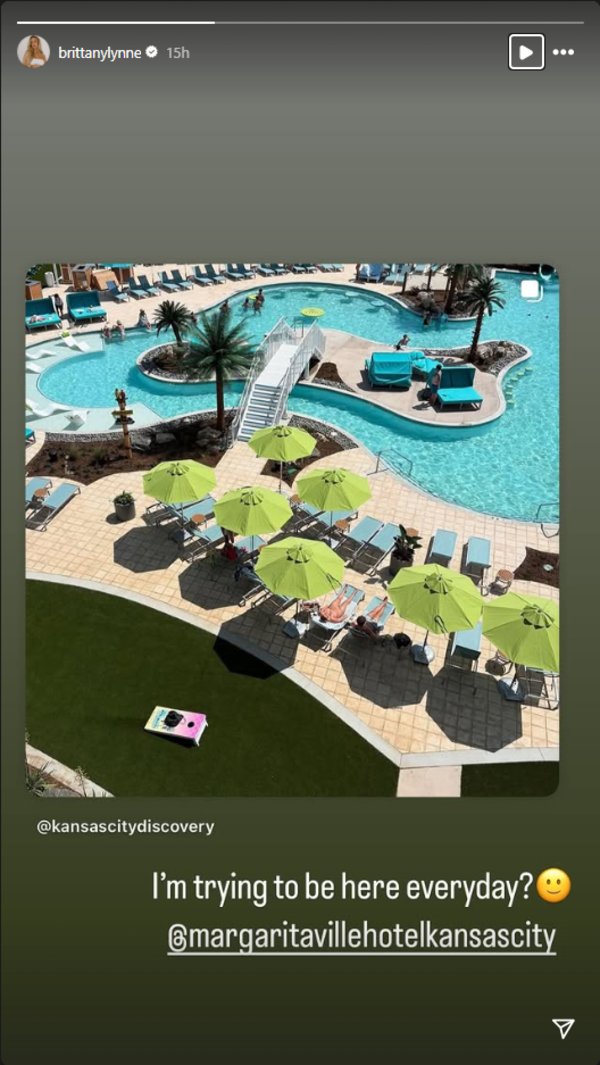
Even musicians have joined the trend, with artists like Jimmy Buffett expanding his “Margaritaville” empire to include resorts and hotels, cultivating a specific laid-back, tropical vacation experience. These celebrity-owned or co-owned properties often become destinations in themselves, drawing guests eager to experience a piece of their idol’s world, thereby boosting tourism and establishing unique benchmarks for luxury and themed accommodations. They exemplify how personal brand, vision, and strategic partnerships can transform the hospitality landscape, offering diverse experiences from ultra-exclusive to playfully themed.
The “Mahomes Effect” on Local Economies and Tourism
While Patrick Mahomes may not directly own a hotel, his presence in Kansas City, Missouri, has an undeniable and profound “Mahomes Effect” on the local economy and tourism, particularly impacting the hospitality sector. As the face of one of the NFL’s most successful franchises, Mahomes draws national and international attention to Kansas City. Every home game at Arrowhead Stadium brings tens of thousands of visitors, leading to a surge in demand for hotel rooms, short-term rentals, dining experiences, and local attractions.
This influx of visitors supports countless jobs in hotels, restaurants, transportation, and retail. Hoteliers, in particular, benefit from increased occupancy rates and higher average daily rates during game weekends and playoff runs. The city itself becomes a more desirable travel destination, not just for sports fans but for general tourists curious about the vibrant culture that surrounds a championship team and its star quarterback. Local landmarks and attractions, such as the National WWI Museum and Memorial, the Nelson-Atkins Museum of Art, and the upscale shopping district of Country Club Plaza, all experience a bump in visitor numbers as people extend their stays or explore the city beyond game day. Mahomes’ frequent appearances in local advertising and his deep community involvement further strengthen Kansas City’s appeal as a dynamic and welcoming city. Essentially, his star power acts as a powerful, indirect tourism magnet, significantly boosting revenue and visibility for the entire hospitality ecosystem in the region.
Conclusion
In conclusion, while the idea of Patrick Mahomes owning a hotel sparks exciting imaginings of luxury travel and unique accommodation experiences, current public information confirms that he does not directly own a hotel. His expansive and strategically diverse investment portfolio, ranging from sports franchises to tech and restaurant ventures, showcases his acumen as an investor, primarily focused on building a robust financial legacy and contributing to his adopted home of Kansas City.
However, the speculation itself highlights the significant and growing trend of high-net-worth individuals, particularly celebrities and athletes, venturing into the hospitality sector. The allure of hotel ownership—combining tangible asset investment, potential for high returns, and the unique opportunity to shape a luxury lifestyle brand—remains strong for many in this demographic. Figures like Robert De Niro and Leonardo DiCaprio exemplify how celebrity vision can transform hotels into iconic destinations, blending top-tier service with distinctive design and experience.
Moreover, the “Mahomes Effect” on local tourism in Kansas City cannot be overstated. His magnetic presence attracts countless visitors, driving demand for accommodations, dining, and attractions, and thus significantly contributing to the local economy and the prosperity of its hospitality businesses. While a Mahomes-branded hotel isn’t on the horizon yet, his impact on travel and tourism within his sphere of influence is undoubtedly profound. As Mahomes’ career and business empire continue to evolve, the possibility of future ventures into the dynamic world of hotels and resorts always remains an intriguing prospect for fans and investors alike.
LifeOutOfTheBox is a participant in the Amazon Services LLC Associates Program, an affiliate advertising program designed to provide a means for sites to earn advertising fees by advertising and linking to Amazon.com. Amazon, the Amazon logo, AmazonSupply, and the AmazonSupply logo are trademarks of Amazon.com, Inc. or its affiliates. As an Amazon Associate we earn affiliate commissions from qualifying purchases.