
Puerto Rico, the enchanting “Island of Enchantment,” beckons travelers with its vibrant culture, stunning natural beauty, and historical riches. From the cobblestone streets of Old San Juan to the lush rainforests of El Yunque National Forest and the pristine beaches of Vieques and Culebra, it offers an unforgettable Caribbean escape. However, a common question often arises for potential visitors planning their next adventure: “Does Puerto Rico have reliable power?”
The answer, while nuanced, is generally yes, but with important considerations for travelers. Over the past few years, Puerto Rico’s electricity grid has been a subject of significant discussion, particularly in the aftermath of devastating events like Hurricane Maria in 2017. While the island has made substantial strides in rebuilding and modernizing its infrastructure, occasional power outages can still occur. For those dreaming of a seamless vacation, understanding the current power landscape and how it might impact your trip is key to a truly relaxing and enjoyable experience. This guide will delve into what visitors can expect, how to prepare, and why Puerto Rico remains an incredible destination, even with these infrastructural quirks.
Navigating Puerto Rico’s Power Landscape as a Traveler
The electrical grid in Puerto Rico has a complex history, evolving from a publicly owned system managed by the Puerto Rico Electric Power Authority (PREPA) to a system where transmission and distribution are now managed by a private entity, LUMA Energy, under a long-term contract. This transition, coupled with the immense challenges posed by natural disasters, has shaped the current power situation.
Understanding the Historical Context of Puerto Rico’s Grid
For decades, Puerto Rico’s power infrastructure faced underinvestment and maintenance issues. The generating plants, many of which relied on fossil fuels, were aging, and the transmission lines were vulnerable, particularly given the island’s tropical climate and susceptibility to hurricanes. When Hurricane Maria struck in 2017, it delivered an unprecedented blow, virtually wiping out the entire grid and leaving millions without power for extended periods. This event served as a stark wake-up call, accelerating efforts to rebuild and rethink the island’s energy future.
The ensuing years saw massive reconstruction efforts, bolstered by federal funding from the United States and the dedicated work of local and international teams. The goal was not merely to restore but to harden and modernize the system, making it more resilient to future storms and more efficient in its operation. The involvement of LUMA Energy, which took over operations in 2021, was intended to bring private sector expertise and investment to these ongoing efforts.
The Current State of Power Reliability
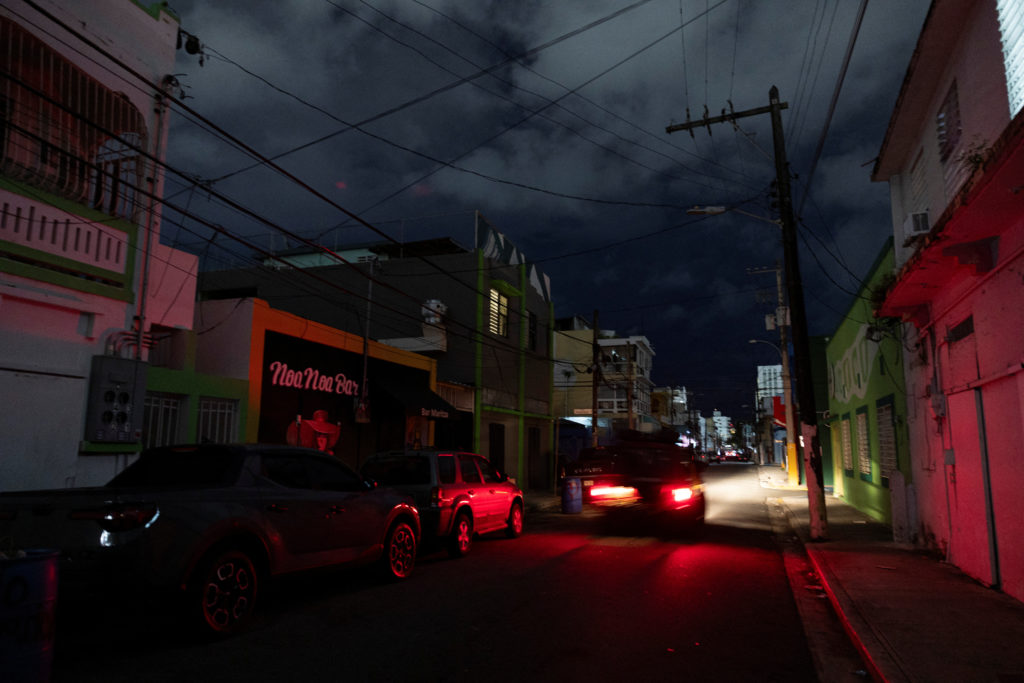
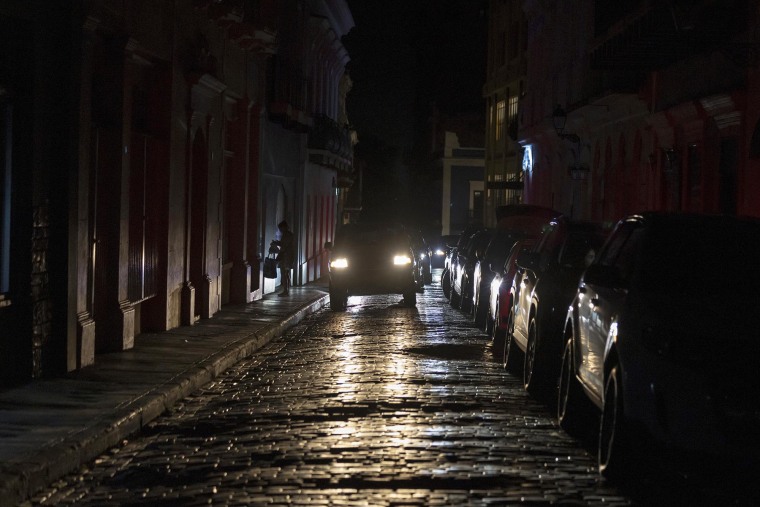
Today, the power situation in Puerto Rico is significantly better than in the immediate aftermath of Hurricane Maria. The grid is largely restored, and most areas, especially major tourist hubs like San Juan, Ponce, and Fajardo, experience consistent power. However, it’s important to set realistic expectations. Occasional, localized outages can still occur. These might be due to infrastructure repairs, unexpected equipment failures, or severe weather conditions during the hurricane season (typically June to November).
The duration of these outages can vary. In urban centers, they are often brief, lasting a few minutes to a few hours. In more rural or less developed areas, restoration might take longer. The good news for travelers is that the tourism industry is well-prepared for these eventualities. Many hotels, resorts, and even some smaller accommodation options have backup generators, ensuring that guest comfort remains largely uninterrupted. Restaurants and shops in tourist-heavy zones are also increasingly equipped to handle temporary power interruptions.
Planning Your Trip: What to Expect and How to Prepare
When planning your Puerto Rico adventure, a little preparation goes a long way in ensuring a smooth and worry-free trip. Understanding how your choices in hotels, resorts, and packing can mitigate the impact of potential power fluctuations is crucial.
Choosing Power-Resilient Accommodation
One of the most effective ways to safeguard your travel experience is by selecting accommodation with robust backup power solutions. When booking, consider these tips:
- Luxury Hotels and Resorts: High-end establishments like the Condado Vanderbilt Hotel in San Juan or the Dorado Beach, A Ritz-Carlton Reserve typically have extensive generator systems that can power the entire property, including air conditioning, lighting, and essential services, during an outage. They prioritize guest comfort and often have seamless transitions to backup power.
- Mid-Range Hotels and Boutiques: Many mid-range hotels also have generators, though they might power only essential services (e.g., lobby lights, emergency exits, a few outlets) rather than full air conditioning in every room. It’s always a good idea to check their website or inquire directly about their backup power capabilities when making a reservation.
- Vacation Rentals (Airbnb, VRBO): If you opt for an apartment or villa, confirm with the host whether the property has a generator or solar power. Some modern rentals, especially those built or renovated recently, are incorporating alternative energy solutions. If they don’t, be prepared for potential temporary inconveniences.
- Location Matters: Accommodation in bustling areas like Old San Juan, Condado, or Isla Verde tends to be in areas with more stable grid infrastructure and quicker restoration times.
Reading recent reviews on booking platforms can also provide valuable insights into guests’ experiences with power reliability at specific properties.
Essential Gear for Uninterrupted Travel
Beyond choosing the right accommodation, packing a few strategic items can significantly enhance your comfort and peace of mind:
- Portable Power Bank: This is arguably the most crucial item. A high-capacity power bank can keep your phone, tablet, and other small devices charged during an outage, allowing you to stay connected, access maps, or simply entertain yourself.
- Headlamp or Small Flashlight: While many smartphones have flashlights, a dedicated light source frees up your phone battery and offers more focused illumination.
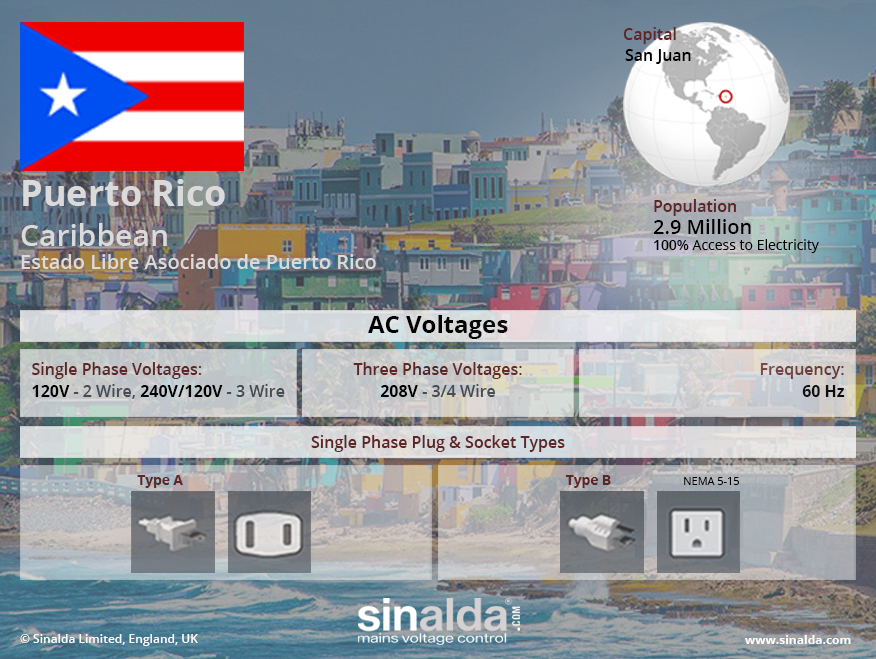
- Adapter/Converter: Ensure you have the correct adapters for United States standard outlets (Type A and B, 120V) as Puerto Rico operates on the same electrical system.
- Travel-Size Fan: If your accommodation might lose AC during an outage, a small, battery-operated fan can make a big difference in the tropical heat.
- Offline Maps and Downloads: Download maps of Puerto Rico and any entertainment (movies, books, music) to your devices before you go. This ensures you have access even without Wi-Fi or cellular data, which can sometimes be affected by power interruptions.
Digital Connectivity and Charging Solutions
Staying connected is usually straightforward in Puerto Rico. Major cellular carriers from the United States (AT&T, T-Mobile, Verizon) generally provide good coverage, and local options are also available. Wi-Fi is prevalent in hotels, cafes, and many public spaces.
In the event of a power outage, cellular networks tend to have backup power for their towers, so mobile data might still be available even if Wi-Fi at your specific location is down. However, it’s not guaranteed. Having that portable power bank for your phone is your best defense against feeling disconnected. Additionally, consider visiting a local cafe or restaurant that you know has a generator to charge devices and enjoy a meal or a refreshing drink during a longer outage. Many businesses in tourist areas are well-versed in navigating these situations and often have solutions for their patrons.
Experiencing Puerto Rico Beyond the Grid Concerns
Despite the practical considerations regarding power, the unparalleled beauty and rich cultural tapestry of Puerto Rico make it an incredibly rewarding destination. The island offers myriad experiences that are either unaffected by power fluctuations or are easily enjoyed with minimal planning.
Enjoying Puerto Rico’s Natural Wonders
Much of Puerto Rico’s allure lies in its stunning natural landscapes, which, thankfully, operate entirely off-grid. Embrace the opportunity to disconnect and immerse yourself in these breathtaking environments:
- Beaches: From the world-renowned Flamenco Beach on Culebra to the surfing mecca of Rincón and the serene shores of Luquillo Beach, Puerto Rico boasts an incredible diversity of coastal paradises. A power outage will do little to dampen the sun, sand, and surf.
- El Yunque National Forest: The only tropical rainforest in the United States National Forest System, El Yunque offers spectacular hiking trails, waterfalls, and diverse wildlife. This is an ideal place to spend a day completely unplugged, connecting with nature.
- Bioluminescent Bays: Puerto Rico is home to three of the world’s five bioluminescent bays – Mosquito Bay in Vieques being the brightest. Experiencing the glowing waters at night is a magical, naturally powered phenomenon. Tours are readily available, often departing from Fajardo or Lajas.
- Water Sports: Kayaking, paddleboarding, snorkeling, scuba diving, and sailing are popular activities across the island, particularly around coastal towns and islands like Culebra and Vieques. These adventures are entirely self-powered and offer incredible ways to explore the Caribbean waters.
Delving into Puerto Rico’s Vibrant Culture and Cuisine
Puerto Rico’s rich history and lively culture are deeply embedded in its people, music, and food, providing experiences that transcend electrical grid concerns.
- Old San Juan: Wander through the historic cobblestone streets, marvel at colorful colonial architecture, and explore iconic landmarks like Castillo San Felipe del Morro and Castillo San Cristobal. Many of these historical sites are open-air or have their own power solutions. Even if a particular shop closes during an outage, the sheer beauty and history of the area remain.
- Local Cuisine: Puerto Rican food is a highlight for many visitors. From savory mofongo to lechón asado, alcapurrias, and bacalaitos, the culinary scene thrives. Many smaller, local eateries, often called “fondas,” are accustomed to operating with gas stoves or have basic backup systems, ensuring delicious meals are always available. Food tours are an excellent way to sample diverse dishes and learn about the island’s culinary traditions.
- Music and Dance: The rhythm of salsa, bomba, and plena permeates the air in Puerto Rico. Live music venues and impromptu street performances often rely on acoustic instruments or basic amplification, so power interruptions rarely silence the island’s vibrant soundscape. Check out local bars and plazas in San Juan or Ponce for authentic experiences.
- Art and Handicrafts: Visit local markets and artisan shops to discover unique handmade crafts, paintings, and jewelry. Engaging with local artists is a cultural experience in itself, offering insight into Puerto Rico’s creative spirit.
Supporting Sustainable Tourism in Puerto Rico
Choosing to visit Puerto Rico directly contributes to its economic recovery and growth, especially in the vital tourism sector. As the island continues to rebuild and innovate, travelers can also play a role in supporting sustainable practices that contribute to a more resilient future.
The Rise of Renewable Energy Initiatives
Puerto Rico is increasingly looking towards renewable energy sources to bolster its grid and reduce its reliance on fossil fuels. Solar power, in particular, is gaining traction. Many homes and businesses, especially newer constructions or those undergoing renovations, are installing solar panels and battery storage systems. This not only provides independence from the main grid but also contributes to the island’s environmental goals.
As a traveler, you might encounter eco-friendly resorts or boutique hotels that boast solar power capabilities, offering a truly uninterrupted and guilt-free stay. Supporting these establishments contributes to the wider adoption of sustainable energy solutions across the island. The long-term vision for Puerto Rico’s energy future includes a significant shift towards renewables, aiming for 100% renewable energy by 2050, which will dramatically enhance grid stability and environmental sustainability.
Empowering Local Businesses
Beyond your accommodation choices, conscious travel extends to how you spend your money. Opting for local restaurants, small shops, and independently run tour operators directly benefits the Puerto Rican economy and empowers communities. These businesses are often the most resilient and adaptable, finding innovative ways to operate even during temporary power challenges.
Engaging with locals, asking for their recommendations, and showing appreciation for their efforts not only enriches your travel experience but also fosters a sense of solidarity. The warmth and hospitality of the Puerto Rican people are legendary, and interacting with them offers a deeper understanding of the island’s culture and its ongoing journey of recovery and growth.
In conclusion, the question “Does Puerto Rico have power?” can be confidently answered with a resounding “yes,” coupled with an understanding that occasional, minor interruptions are a possibility. With thoughtful planning, choosing suitable accommodation, and packing a few essential items, travelers can fully immerse themselves in the vibrant life and breathtaking beauty of this extraordinary Caribbean gem. Puerto Rico is not just recovering; it’s thriving, innovating, and ready to welcome you to an unforgettable adventure, grid reliability and all.
LifeOutOfTheBox is a participant in the Amazon Services LLC Associates Program, an affiliate advertising program designed to provide a means for sites to earn advertising fees by advertising and linking to Amazon.com. Amazon, the Amazon logo, AmazonSupply, and the AmazonSupply logo are trademarks of Amazon.com, Inc. or its affiliates. As an Amazon Associate we earn affiliate commissions from qualifying purchases.