
Puerto Rico, often dubbed the “Island of Enchantment,” offers a captivating blend of vibrant culture, breathtaking natural beauty, and a unique position within the United States political and economic system. For many, its allure extends beyond its sun-drenched beaches and historic streets; the island also presents a distinctive tax environment that piques the interest of travelers, potential residents, and savvy investors alike. Whether you’re planning a vacation to explore its landmarks and attractions or considering a more permanent move, understanding how taxes work in Puerto Rico is crucial. This comprehensive guide will demystify the tax landscape, from federal and local obligations to the powerful incentives that have transformed Puerto Rico into a compelling destination for a new lifestyle.
Puerto Rico’s Unique Tax Landscape: An Overview for the Curious Traveler and Investor
The first step to understanding taxation in Puerto Rico is acknowledging its status as a Commonwealth of the United States. This distinct political relationship grants the island significant autonomy in managing its internal affairs, including its tax system, while still being under the sovereignty of the United States. This dual identity creates a fascinating and often misunderstood tax framework that differs significantly from that of the 50 states.
The Commonwealth Status and Federal Tax Implications
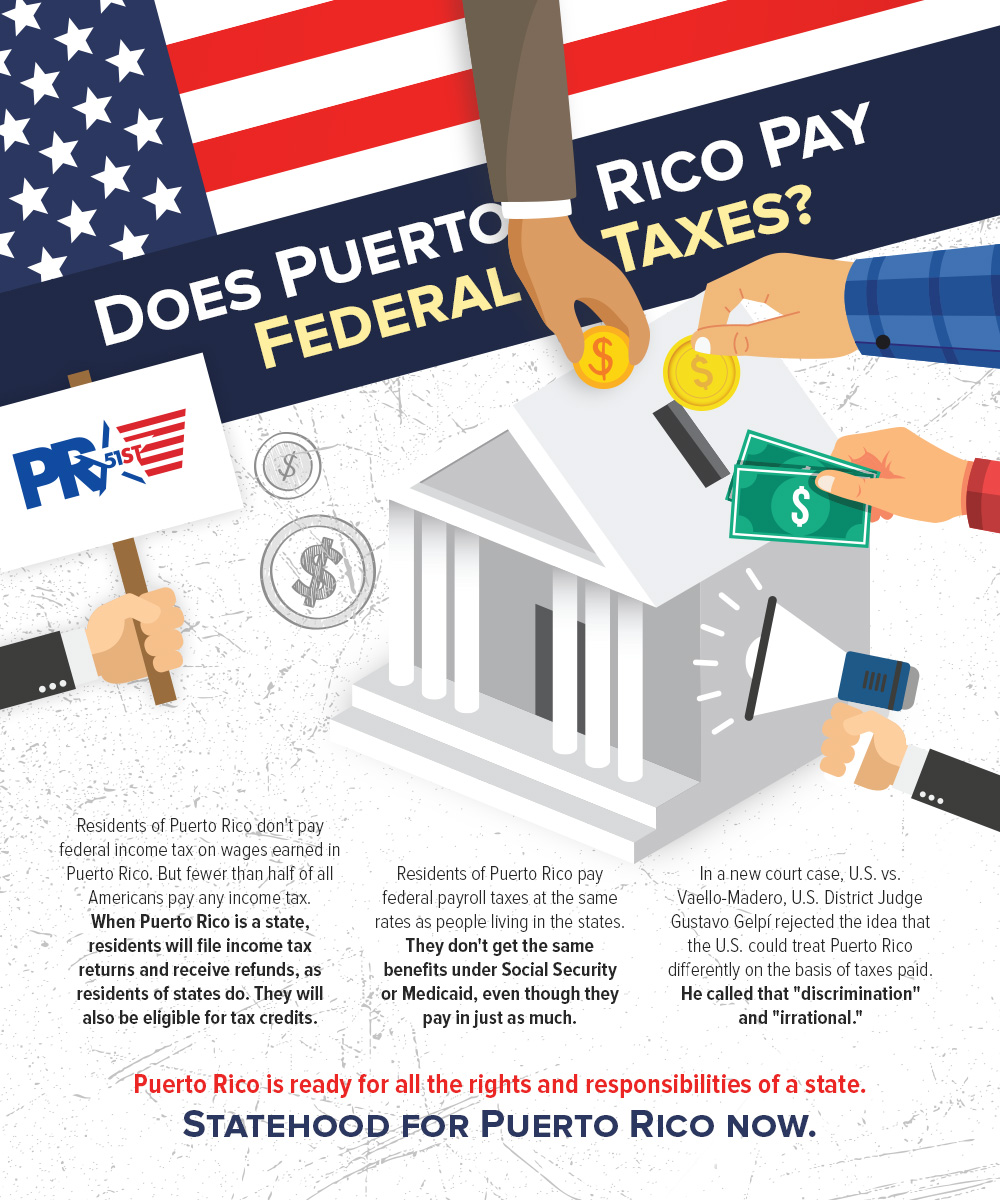
One of the most significant aspects of Puerto Rico’s status is how it impacts federal income taxes. Generally, individuals considered bona fide residents of Puerto Rico are not subject to United States federal income tax on income sourced within the island. This exemption is enshrined in the Internal Revenue Code and is a primary driver for many seeking a change of scenery and financial strategy. This means that a resident earning all their income from a Puerto Rico-based job or business would file their income taxes solely with the Puerto Rico Treasury Department, not the IRS. This is a stark contrast to residents of states like Florida or California, who pay federal income tax regardless of where their income is sourced within the United States.
However, it’s crucial to understand that this federal income tax exemption is not absolute. Puerto Rico residents are still subject to certain federal taxes that fund national programs. For instance, contributions to Social Security and Medicare are mandatory, just as they are for citizens in the continental United States. This means that individuals working in Puerto Rico will see deductions from their paychecks for Federal Insurance Contributions Act (FICA) taxes. Furthermore, federal excise taxes, customs duties, and other federal levies apply in Puerto Rico as they do across the United States. The federal income tax exemption primarily applies to income tax on local earnings, not to all federal obligations. This nuanced situation is what makes Puerto Rico distinct from other United States territories like Guam or the United States Virgin Islands, which operate under slightly different tax regimes.
Understanding Local Taxes and Contributions
While federal income tax is largely waived for bona fide residents on island-sourced income, Puerto Rico has its own robust local tax system. This system funds public services, infrastructure, and governmental operations across the island. The main components of Puerto Rico’s local tax structure include:
- Local Income Tax: Residents of Puerto Rico pay income tax to the Puerto Rico Treasury Department. The rates are progressive, similar to state income taxes in the continental United States, and vary based on income level and filing status. For high-income earners, these rates can be significant, making the federal exemption less impactful without the added benefit of local tax incentives.
- Sales and Use Tax (IVU): Known locally as Impuesto sobre Ventas y Uso (IVU), Puerto Rico levies a sales tax on most goods and services. The general rate is 11.5%, which is one of the highest in any United States jurisdiction. This tax is universally applied to both residents and visitors and plays a significant role in the island’s revenue.
- Property Tax: Real estate in Puerto Rico is subject to property tax, assessed and collected by the Municipal Revenue Collection Center (CRIM). The rates vary depending on the municipality and the type of property.
- Excise Taxes: Specific goods, such as tobacco, alcohol, and certain imported items, are subject to excise taxes. These are generally incorporated into the price of the product.
Understanding these local taxes is crucial for anyone considering relocation or extended stays in Puerto Rico. While the absence of federal income tax on local income is a major draw, the local tax burden can still be substantial, necessitating careful financial planning.
Unlocking Opportunity: Puerto Rico’s Powerful Tax Incentives (Act 60)
Beyond its standard tax framework, Puerto Rico has strategically developed a series of tax incentive laws designed to stimulate economic growth, attract investment, and encourage new residents to move to the island. Historically, these were known as Act 20 (for export services) and Act 22 (for individual investors), but they have since been consolidated and updated under Act 60, also known as the Puerto Rico Incentives Code. Act 60 is a cornerstone of Puerto Rico’s economic development strategy, offering some of the most attractive tax benefits in the world.
Act 60 for Businesses: Attracting Investment and Innovation
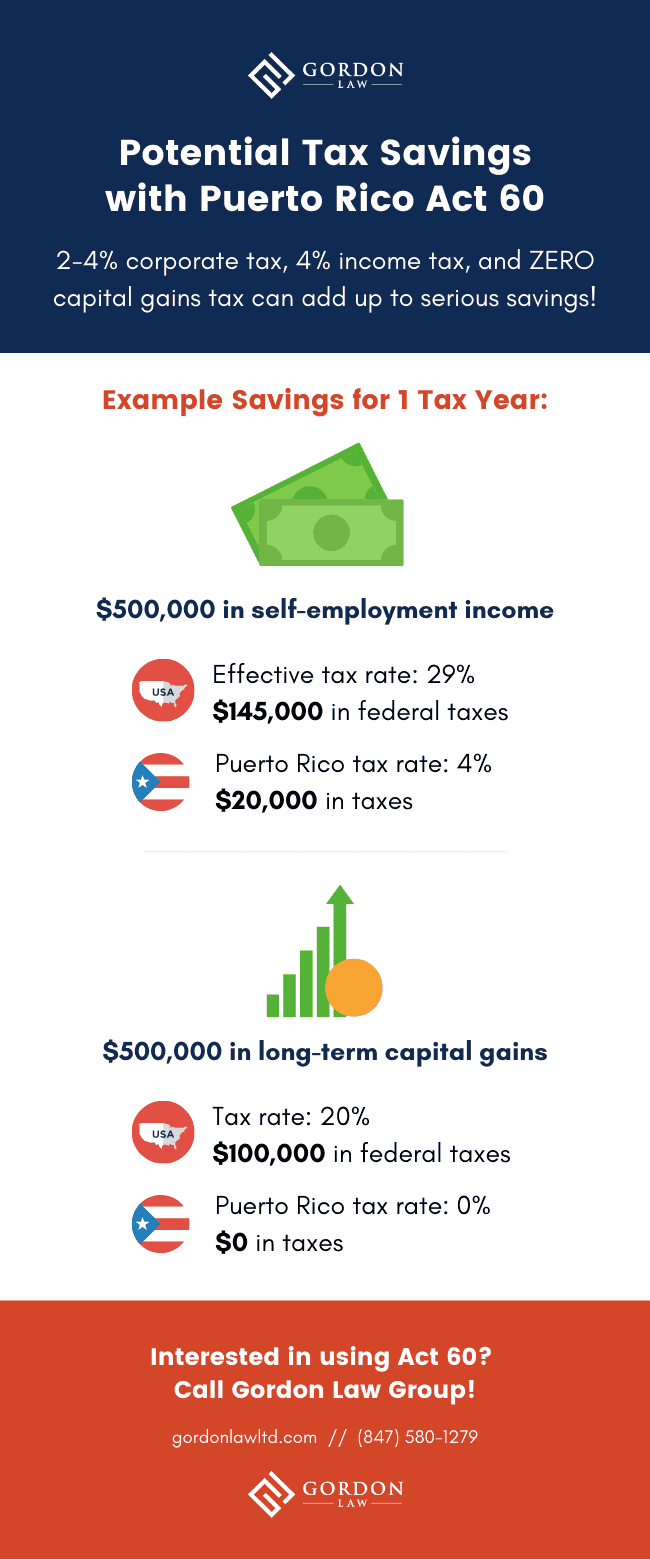
Act 60 includes provisions for businesses, particularly those engaged in export services, manufacturing, and other designated economic activities. The primary benefit for export services companies, formerly covered under Act 20, is a remarkably low corporate income tax rate of just 4%. This rate applies to income derived from services rendered from Puerto Rico to clients outside the island. Furthermore, businesses operating under these incentives may also be eligible for 100% tax exemptions on dividends and distributions from eligible industrial development income, and 100% tax exemptions on property taxes for certain assets, among other benefits.
This favorable corporate tax environment has attracted a diverse range of industries, from tech startups and consulting firms to financial services and creative agencies. The aim is to diversify Puerto Rico’s economy, create high-paying jobs, and position the island as a hub for innovation and global services within the Caribbean. Businesses considering expansion or relocation often find Puerto Rico’s business incentives to be a compelling proposition, particularly given its U.S. Citizenship and use of the US Dollar.
Act 60 for Individuals: A Haven for High-Net-Worth Residents
Perhaps the most talked-about aspect of Act 60 is its individual investor tax exemption, which superseded the benefits of the former Act 22. This decree offers a 100% tax exemption on passive income, including capital gains, interest, and dividends, for new residents of Puerto Rico. For high-net-worth individuals, entrepreneurs, and investors, this can translate into substantial savings, particularly for those accustomed to the much higher capital gains tax rates in the continental United States.
The appeal is undeniable: imagine realizing significant gains from investments, cryptocurrencies, or business sales without a federal or local capital gains tax burden. This incentive is not merely about tax savings; it’s about a complete lifestyle transformation, allowing individuals to retain more of their wealth while enjoying the tropical climate and cultural richness of Puerto Rico. This has led to a noticeable influx of individuals seeking to optimize their financial strategies while embracing a new way of living, often characterized by luxury travel and vibrant social scenes.
The Bona Fide Resident: Fulfilling the Requirements
To qualify for the benefits of Act 60, both individuals and businesses must meet specific requirements to establish “bona fide resident” status in Puerto Rico. For individuals, the main criteria typically include:
- Presence Test: Being physically present in Puerto Rico for at least 183 days during the tax year.
- Tax Home Test: Having a tax home (main place of business or employment, or if not employed, the regular place of abode) in Puerto Rico for the entire tax year.
- Closer Connection Test: Not having a closer connection to the United States or a foreign country than to Puerto Rico. This involves considering factors like the location of family, personal belongings, banking, and professional affiliations.
It’s important to note that merely visiting Puerto Rico for 183 days is insufficient. The intent to make Puerto Rico one’s permanent home, shifting one’s center of vital interests to the island, is paramount. The IRS Publication 1321 provides detailed guidance on these residency requirements, emphasizing the need for genuine relocation. For businesses, the requirements involve establishing a physical presence and conducting substantial business activities on the island.
Navigating Taxes as a Visitor: What Tourists Should Expect
For those planning a travel itinerary to Puerto Rico, the tax implications are far simpler but still important to consider for budgeting purposes. Tourists are generally not concerned with income tax issues, but local sales and tourism-specific taxes will affect the cost of their experience.
Sales Tax (IVU) and Hotel Excises
As mentioned earlier, Puerto Rico has a high sales and use tax (IVU) of 11.5%. This tax applies to most goods purchased and services rendered, including restaurant meals, souvenirs, rental cars, and other typical tourist expenses. Visitors will see this added to their bills, similar to sales taxes in the continental United States or VAT in other countries.
In addition to the general IVU, accommodation options like hotels, resorts, apartments, and villas are subject to a separate occupancy tax. This tax varies by municipality and accommodation type but is typically around 7% to 9%. This additional percentage is added to the room rate, so travelers should factor it into their booking calculations. While these taxes contribute to the overall cost of a trip, they are standard in most popular tourist destinations worldwide and help fund tourism initiatives and local infrastructure.
Budgeting for Your Puerto Rican Getaway
When planning a trip to Puerto Rico, it’s wise to budget for these taxes to avoid any surprises. The 11.5% IVU can add a significant amount to dining bills, especially for those indulging in Puerto Rico’s rich culinary scene. Similarly, the hotel occupancy tax will increase the nightly rate of your chosen suite or villa.
Despite these taxes, Puerto Rico remains a relatively affordable Caribbean destination, especially compared to some independent island nations. With a mix of luxury travel options and budget travel choices, visitors can tailor their trip to their financial comfort. Knowing about the local taxes simply allows for more accurate budgeting and a smoother, more enjoyable vacation experience, whether you’re embarking on family trips or a solo adventure.
Beyond Taxes: Experiencing the Allure of Puerto Rico
While the tax environment is a compelling topic, Puerto Rico’s true essence lies in its vibrant culture, stunning landscapes, and warm hospitality. A journey to this Caribbean gem is an immersive experience that caters to every type of traveler, seamlessly blending history, adventure, and relaxation.
Iconic Landmarks and Vibrant Cultural Experiences
Puerto Rico is steeped in history, particularly evident in Old San Juan, a UNESCO World Heritage site. Walking its cobblestone streets, travelers can explore magnificent colonial architecture, colorful buildings, and historic fortifications. The imposing Castillo San Felipe del Morro (El Morro) and Castillo San Cristóbal stand as testaments to centuries of Spanish rule, offering panoramic ocean views and a deep dive into military history. La Fortaleza, the governor’s mansion, is another prominent landmark and a beautiful example of Spanish architecture. Beyond the capital, the southern city of Ponce boasts its own distinct charm with neoclassical buildings and a lively central plaza, offering a glimpse into a different facet of Puerto Rico’s architectural and cultural heritage.
The island’s local culture is a vibrant tapestry woven from Spanish, African, and Taíno influences. Music, dance, and art are integral to daily life. Visitors can enjoy salsa music echoing through plazas, witness traditional bomba and plena performances, or explore local art galleries. Festivals and celebrations, such as the San Sebastián Street Festival in San Juan, offer immersive experiences into the island’s festive spirit, showcasing its unique customs and joyous traditions.
Diverse Accommodation and Lifestyle Choices
Puerto Rico excels in offering a vast array of accommodation options to suit every preference and budget. From luxurious beachfront resorts in Dorado and Condado boasting world-class amenities and suites, to charming boutique hotels in Old San Juan, the choices are plentiful. Isla Verde offers a lively atmosphere with numerous hotels and vibrant nightlife, while Rincón on the west coast is renowned for its surf culture and more laid-back guesthouses. For those seeking a longer stay or a more intimate experience, private apartments and vacation villas are readily available through booking platforms, providing a home-away-from-home feel.
The diverse accommodation options reflect the various lifestyles Puerto Rico supports. It’s a place where luxury travel meets adventure tourism, where historical exploration coexists with modern business stays. Whether you desire a pampered escape, an adventurous trek through a rainforest, or a quiet retreat by the sea, the island caters to all, offering reviews and comparison tools to help you find your perfect fit.
Culinary Journeys and Natural Wonders
No visit to Puerto Rico is complete without indulging in its exquisite food. Puerto Rican cuisine, or cocina criolla, is a fusion of flavors, combining indigenous ingredients with Spanish, African, and American influences. Staples like mofongo, lechón asado, arroz con gandules, and empanadillas are must-try dishes that offer a true taste of the island. From fine dining restaurants in San Juan to roadside kiosks (chinchorros) in areas like Piñones and Luquillo, the culinary journey is an adventure in itself, providing valuable tourism tips for foodies.
Beyond its cultural and culinary offerings, Puerto Rico is a paradise for nature lovers. El Yunque National Forest, the only tropical rainforest in the United States National Forest System, invites visitors to hike lush trails, discover stunning waterfalls, and marvel at diverse flora and fauna. The island is also home to three of the world’s five bioluminescent bays, with Mosquito Bay in Vieques being particularly famous for its dazzling nightly glow.
For beach enthusiasts, the choices are endless. Flamenco Beach on the island of Culebra is consistently ranked among the world’s best, renowned for its soft white sands and crystal-clear turquoise waters. Other stunning beaches can be found in Fajardo, Vieques, and along the western coast near Rincón, perfect for surfing, snorkeling, or simply relaxing under the sun. Adventure seekers might explore the massive underground cave systems at the Río Camuy Cave Park or visit the iconic (though partially damaged) Arecibo Observatory, a testament to scientific exploration.

In conclusion, Puerto Rico offers a multifaceted appeal. Its unique tax structure, particularly Act 60, presents compelling financial opportunities for businesses and individuals seeking a new economic frontier. Simultaneously, its rich cultural heritage, stunning natural landscapes, and diverse travel and accommodation options cement its status as a premier tourist destination. Whether you’re pondering the tax implications of a move or simply planning your next unforgettable vacation, understanding Puerto Rico’s distinct characteristics will undoubtedly enhance your appreciation for this extraordinary island.
LifeOutOfTheBox is a participant in the Amazon Services LLC Associates Program, an affiliate advertising program designed to provide a means for sites to earn advertising fees by advertising and linking to Amazon.com. Amazon, the Amazon logo, AmazonSupply, and the AmazonSupply logo are trademarks of Amazon.com, Inc. or its affiliates. As an Amazon Associate we earn affiliate commissions from qualifying purchases.