
The question “Does Puerto Rico vote?” might seem straightforward, but its answer is anything but simple. For visitors planning a trip to this enchanting Caribbean island, understanding its unique political status provides fascinating context that enriches the travel experience. Far from a mere technicality, Puerto Rico’s relationship with the United States shapes everything from its economy and infrastructure to its vibrant culture and the very fabric of daily life. This article delves into the nuances of Puerto Rico’s voting rights, explores the implications for those considering a visit or even a longer stay, and highlights how its distinctive political identity makes it an unparalleled travel destination. Whether you’re interested in the ease of travel, the familiarity of the US dollar, or the rich blend of American and Latino cultures, understanding this aspect of the island reveals deeper layers of its appeal. Prepare to uncover the intricacies of this captivating commonwealth and discover why its unique status only adds to its charm as a premier travel destination.
Unpacking Puerto Rico’s Political Landscape
To truly grasp whether Puerto Rico votes, one must first understand its foundational political status. It’s a relationship unlike any other in the United States political system, a dynamic that has evolved over more than a century and continues to shape the island’s future. This intricate framework is crucial for anyone seeking to understand the destination, offering insights into its governance, economy, and the daily lives of its more than three million residents. From the bustling streets of San Juan to the tranquil beaches of Culebra, the island’s political status subtly influences everything from the cost of goods to the availability of certain services, creating a unique environment for both residents and travelers alike.

A Commonwealth, Not a State
Puerto Rico is officially an unincorporated territory of the United States, commonly referred to as a commonwealth. This status means that while it is subject to the sovereignty of the United States federal government, it is not a state within the union. This distinction has profound implications. For one, Puerto Ricans are statutory US citizens, meaning they hold United States passports, can travel freely to the mainland United States without immigration checks, and are subject to most federal laws. However, as a commonwealth, Puerto Rico largely governs its internal affairs through its own constitution and elected officials. This unique arrangement grants the island a significant degree of self-governance, allowing it to maintain distinct cultural and linguistic identities while benefiting from its connection to the mainland. The concept of “unincorporated” is key; it means the United States Constitution applies only partially to the island, as determined by Congress. This complex legal standing defines much of the island’s political life and its relationship with the federal government, setting it apart from both states and fully independent nations.
Voting Rights and Representation
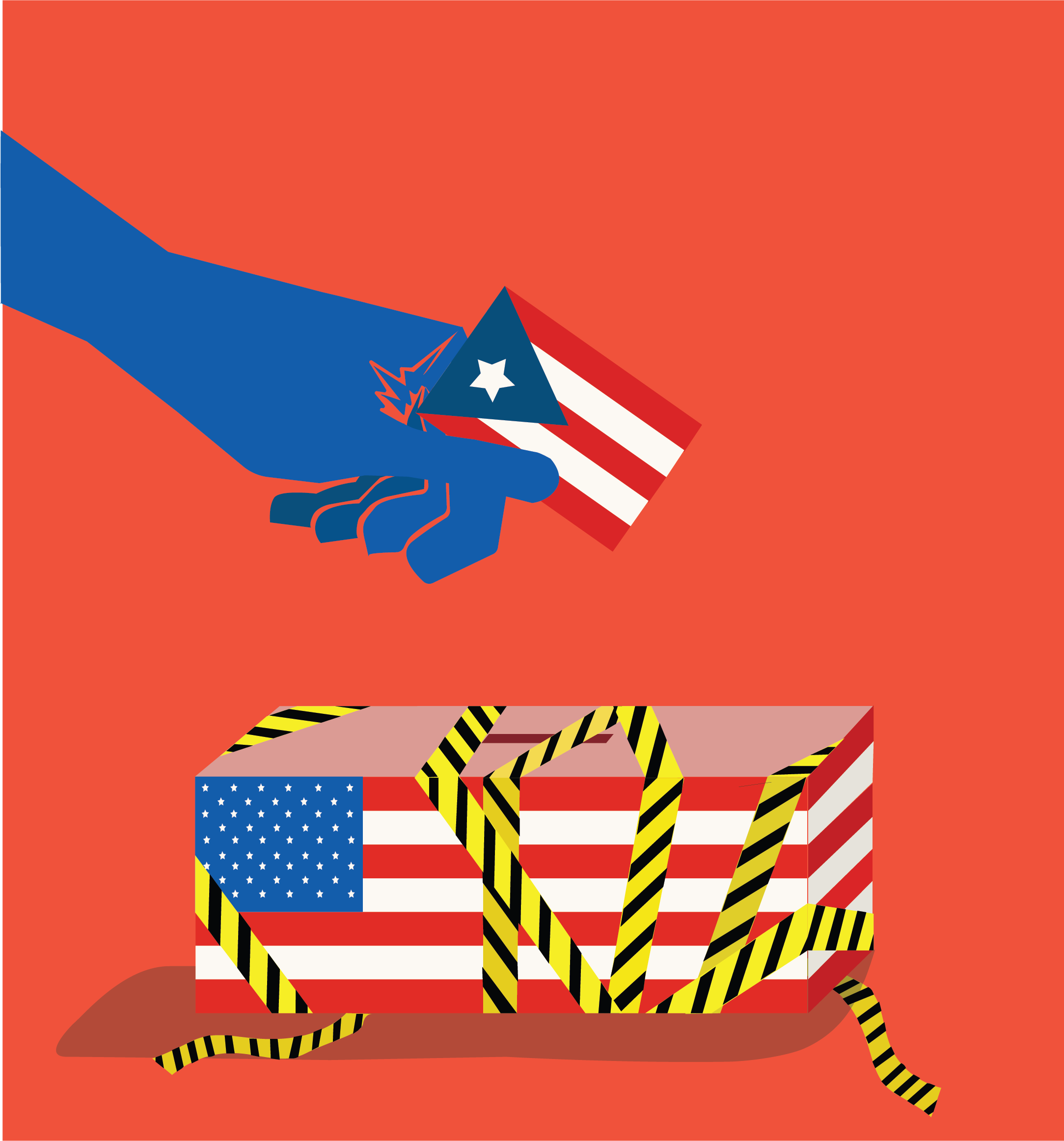
The question of voting rights in Puerto Rico is nuanced. While Puerto Ricans are US citizens, their ability to vote in federal elections differs significantly from that of residents in the 50 states.
- US Presidential Elections: Residents of Puerto Rico cannot vote in general elections for the President and Vice President of the United States. This is because the US Constitution grants presidential electoral votes only to states. However, Puerto Ricans can vote in presidential primary elections to help select party nominees.
- Local Elections: On the other hand, Puerto Ricans have full voting rights in their local elections. They elect their own Governor, a bicameral Legislative Assembly (Senate and House of Representatives), and mayors for their 78 municipalities. These local elections are vibrant and fiercely contested, reflecting the island’s strong civic engagement and self-determination.
- Congressional Representation: Puerto Rico is represented in the US Congress by a single Resident Commissioner. This official serves a four-year term in the House of Representatives and can participate in committee debates, introduce legislation, and vote in committees, but cannot vote on the final passage of bills on the House floor. This non-voting status is a central point of contention in the ongoing debate over the island’s political future.
- Plebiscite Votes: Over the decades, Puerto Rico has held multiple plebiscites (referendums) to allow its citizens to express their preference regarding its political status: statehood, independence, or an enhanced commonwealth status. While these votes reflect the will of the people, they are non-binding and ultimately require action from the US Congress for any change in status to occur.
The Impact on Travel and Tourism in Puerto Rico
Puerto Rico’s unique political status, far from being a dry legal detail, significantly enhances its appeal as a travel destination, especially for US citizens. It creates an environment that blends the exotic allure of the Caribbean with the familiar comforts and conveniences of home, making it an ideal choice for a wide range of travelers, from families to business travelers and luxury seekers. This intricate balance is a cornerstone of the island’s thriving tourism industry, attracting millions of visitors annually to explore its pristine beaches, vibrant cities, and lush rainforests without the usual hurdles of international travel.
US Citizenship and Travel Ease
One of the most compelling advantages of Puerto Rico’s commonwealth status is the incredible ease of travel it offers to US citizens. As Puerto Ricans are US citizens, travel between the mainland United States and the island is considered domestic travel. This means no passport is required for US citizens, only a valid government-issued ID like a driver’s license. This simplifies travel planning considerably, eliminating the need for visa applications, currency exchange, or concerns about international roaming charges for most cell phone plans. Travelers can fly directly from numerous US cities to San Juan’s Luis Muñoz Marín International Airport, feeling as though they’re merely taking a domestic flight rather than venturing into another country. This seamless transition makes Puerto Rico an exceptionally accessible destination, particularly for first-time international travelers or families seeking a hassle-free vacation. The absence of a language barrier for many common interactions, coupled with the familiarity of US laws and regulations, further enhances this sense of comfort and ease.
Economic Implications for Visitors
The economic integration with the United States provides significant benefits for visitors to Puerto Rico. The official currency is the US dollar, eliminating the need for currency exchange and making budgeting straightforward. Major credit cards are widely accepted, and ATMs are readily available across the island. The presence of familiar US banking institutions, retail chains, and food establishments offers a degree of predictability that can be comforting, especially when traveling with family or on a budget. Furthermore, the United States Postal Service operates on the island, meaning mailing postcards or packages back home is as simple as it would be from any US state. US federal agencies, including the FBI and TSA, maintain a presence, contributing to a sense of security and regulatory consistency. This blend of familiarity with the vibrant Caribbean atmosphere allows visitors to enjoy the best of both worlds: the adventurous spirit of exploring a new culture combined with the practical conveniences of a domestic trip.
A Blend of Cultures
Puerto Rico’s political status has fostered a captivating blend of American and Caribbean cultures, creating a unique and enriching experience for travelers. While Spanish remains the dominant language, English is widely spoken, particularly in tourist areas, government, and business, easing communication for English-speaking visitors. This cultural fusion is evident everywhere: in the architecture of Old San Juan with its Spanish colonial charm alongside modern American influences, in the music that combines indigenous rhythms with salsa and reggaeton, and especially in the food. Puerto Rican cuisine is a delicious testament to this blend, featuring traditional Spanish, African, and Taíno influences with a modern American twist. From traditional mofongo to innovative farm-to-table restaurants, the culinary scene is a delight for foodies. Festivals and holidays often showcase this dual heritage, celebrating both traditional Puerto Rican customs and those observed in the mainland United States. This vibrant cultural mosaic provides visitors with a truly immersive experience, offering a taste of both worlds without ever leaving the US sphere of influence.
Experiencing Puerto Rico: Beyond the Ballot Box
While Puerto Rico’s political status is a fascinating backdrop, the island’s true allure lies in its stunning natural beauty, rich history, and vibrant contemporary lifestyle. For travelers, this means an abundance of attractions and experiences, catering to every type of interest, from adventure seekers to those looking for a relaxing beach getaway. The convenience afforded by its status as a US territory simply makes accessing these wonders all the more enjoyable. Whether you are drawn to historical landmarks, pristine nature, or exquisite dining and accommodation, Puerto Rico offers an unforgettable escape.
Iconic Destinations and Landmarks
Puerto Rico boasts a treasure trove of iconic destinations and landmarks that captivate visitors. The capital city of San Juan is a must-visit, particularly its historic walled city of Old San Juan. Here, cobblestone streets lead to architectural marvels like El Morro (Castillo San Felipe del Morro) and Castillo San Cristobal, two imposing Spanish colonial forts that offer breathtaking ocean views and a deep dive into military history. These UNESCO World Heritage Sites are not just ruins but living testaments to centuries of strategic importance.
Beyond the urban charm, Puerto Rico’s natural wonders are equally mesmerizing. The El Yunque National Forest, the only tropical rainforest in the US National Forest System, invites adventurers to hike lush trails, discover hidden waterfalls, and marvel at its unique biodiversity. For a truly magical experience, the island is home to three of the world’s five bioluminescent bays: Mosquito Bay in Vieques (often cited as the brightest), Laguna Grande in Fajardo, and La Parguera in the southwest. Kayaking through these glowing waters at night is an unforgettable spectacle. And, of course, no mention of Puerto Rico is complete without its stunning beaches. Flamenco Beach on the island of Culebra consistently ranks among the world’s best, renowned for its soft white sands and crystal-clear turquoise waters. Closer to San Juan, Luquillo Beach offers calm waters and local kiosks serving authentic Puerto Rican street food, ideal for a family day out.

Accommodation and Lifestyle Choices
Puerto Rico caters to a diverse range of accommodation preferences and travel lifestyles. For those seeking unparalleled luxury, resorts like the St. Regis Bahia Beach Resort offer exquisite amenities, private beaches, and world-class golf courses. In San Juan, the historic Condado Vanderbilt Hotel provides a blend of Gilded Age elegance and modern sophistication, perfect for a romantic getaway or a business stay. Beyond the high-end, the island also boasts a plethora of boutique hotels in charming districts, family-friendly resorts with extensive activity programs, and a robust market for vacation rentals, from cozy apartments in Old San Juan to sprawling villas along the coast, ideal for longer stays or groups.
The lifestyle on the island is equally varied and vibrant. Nightlife thrives in areas like La Placita de Santurce, where locals and tourists alike gather for live music, dancing, and delicious food. For the adventurous, opportunities abound for surfing, snorkeling, diving, zip-lining, and even exploring caves. Food culture is central to the Puerto Rican experience, with everything from fine dining to casual chinchorros (roadside food stalls) offering authentic flavors. Whether you’re on a budget travel adventure, a family trip, or a luxurious escape, Puerto Rico delivers an experience that is both uniquely Caribbean and comfortably American, making it an ideal destination for anyone looking to explore, relax, or simply live life out of the box.
Navigating Puerto Rico’s Future and Its Allure
The ongoing discussions about Puerto Rico’s political future are an integral part of its identity, influencing its aspirations and its relationship with the wider world. While this debate primarily impacts its residents, it also adds a layer of depth and understanding for visitors who wish to engage more fully with the island’s unique spirit. Understanding this backdrop doesn’t just inform; it enriches the travel experience by providing context to the resilience, pride, and vibrant culture that defines the Puerto Rican people.
The Ongoing Status Debate
The question of Puerto Rico’s political status — whether it should remain a commonwealth, become the 51st state of the United States, or seek full independence — has been a central theme in its history for decades. This debate is deeply rooted in identity, economic implications, and the desire for full democratic representation. Proponents of statehood argue for equal rights, full voting power in federal elections, and greater economic stability through integration into the US federal system. Those advocating for independence emphasize cultural self-determination, sovereignty, and the ability to forge their own international relations without federal oversight. The current commonwealth status, while offering a degree of autonomy, is often seen by both sides as an interim solution that lacks the full benefits of either statehood or independence. This ongoing dialogue is a testament to the passionate and civically engaged population of Puerto Rico, and it’s a conversation that can often be heard in local cafes, public squares, and family gatherings across the island. For visitors, observing or even engaging in discussions about the status debate offers a fascinating glimpse into the heart of Puerto Rican identity and its complex relationship with its past and future.
Why Visit Now?
Irrespective of the political debates, Puerto Rico remains an incredibly alluring destination, especially now. Its unique blend of familiarity and exoticism creates an unparalleled travel experience that offers something for everyone. For US citizens, the ease of travel – no passport required, common currency, and familiar legal framework – makes it an effortlessly accessible Caribbean getaway. The island’s spirit is one of resilience and hospitality, evident in the warm welcome extended to tourists and the vibrant cultural scene that thrives despite any challenges.
From the historical grandeur of Old San Juan and the ecological marvels of El Yunque National Forest and its bioluminescent bays, to the pristine sands of Flamenco Beach and the pulsating rhythm of La Placita nightlife, Puerto Rico offers a comprehensive travel experience. Its diverse accommodations, from luxury resorts to budget-friendly apartments, cater to every taste and wallet. The island’s rich culinary scene, dynamic music, and engaging local traditions provide endless opportunities for cultural immersion and memorable experiences. Visiting Puerto Rico now means experiencing a destination that is not only beautiful and welcoming but also deeply engaged in shaping its own destiny. It’s a chance to witness a vibrant culture at a pivotal moment in its history, providing a trip that goes beyond mere sightseeing to offer a profound connection with a resilient and captivating people.
In conclusion, while the answer to “Does Puerto Rico vote?” is a complex one—yes, for local matters, but no, for the US presidency—this unique political status only adds to the island’s charm and accessibility as a premier travel destination. Puerto Rico offers the perfect blend of Caribbean exoticism and American convenience, making it an ideal choice for a diverse array of travelers. Its rich history, stunning natural beauty, vibrant culture, and welcoming people ensure an unforgettable experience, whether you’re seeking adventure, relaxation, or cultural immersion. So pack your bags and discover the magic of Puerto Rico for yourself – a true gem where every journey is a journey of discovery.