
The question of whether Puerto Rico votes for the President of the United States is one that often sparks curiosity and highlights the unique political status of this vibrant Caribbean island. For travelers planning a visit, understanding Puerto Rico’s relationship with the US not only enriches their experience but also offers a deeper appreciation for the local culture, aspirations, and the daily lives of its residents. While Puerto Rico is undoubtedly a US territory, its citizens, despite holding US citizenship, do not participate in the general election for president. This distinction, rooted in its commonwealth status, is a critical aspect of the island’s identity and a continuous subject of discussion among its people and policymakers alike.
For those dreaming of sun-drenched beaches, historic landmarks, and unparalleled hospitality, Puerto Rico presents an enticing destination. But beyond the allure of its natural beauty and rich cultural tapestry lies a complex political reality that shapes many facets of life on the island. This article delves into why Puerto Ricans don’t vote in federal elections, exploring the nuances of their political standing, while also highlighting why this stunning island remains an essential place to travel, discover, and experience, offering everything from luxury resorts to authentic local adventures.
The Unique Political Status of Puerto Rico
To understand why Puerto Rico does not vote for the President, one must first grasp its distinctive political relationship with the United States. Since 1898, following the Spanish-American War, Puerto Rico has been a territory of the United States. In 1917, the Jones-Shafroth Act granted US citizenship to Puerto Ricans, allowing them to travel freely to the mainland US and serve in its military. However, this citizenship comes with specific limitations regarding federal political participation.
Commonwealth vs. Statehood
The core of the issue lies in Puerto Rico’s status as a US commonwealth or organized unincorporated territory. This means it is subject to the authority of the US Congress, but it is not a state. As a territory, Puerto Rico has its own constitution, elected governor, and legislative assembly, providing a significant degree of self-governance over local affairs. However, it does not have sovereign status, and federal laws generally apply.
The most significant implication of this commonwealth status is that Puerto Rico does not have electoral votes in the US presidential election. The Electoral College, which determines the outcome of presidential elections, is composed of electors allocated to each state based on its population. Since Puerto Rico is not a state, it receives no electoral votes, and its residents cannot cast ballots for presidential candidates in the general election. This disenfranchisement is a major point of contention and a driving force behind the ongoing debate regarding the island’s political future.
Presidential Primaries and the Electoral College
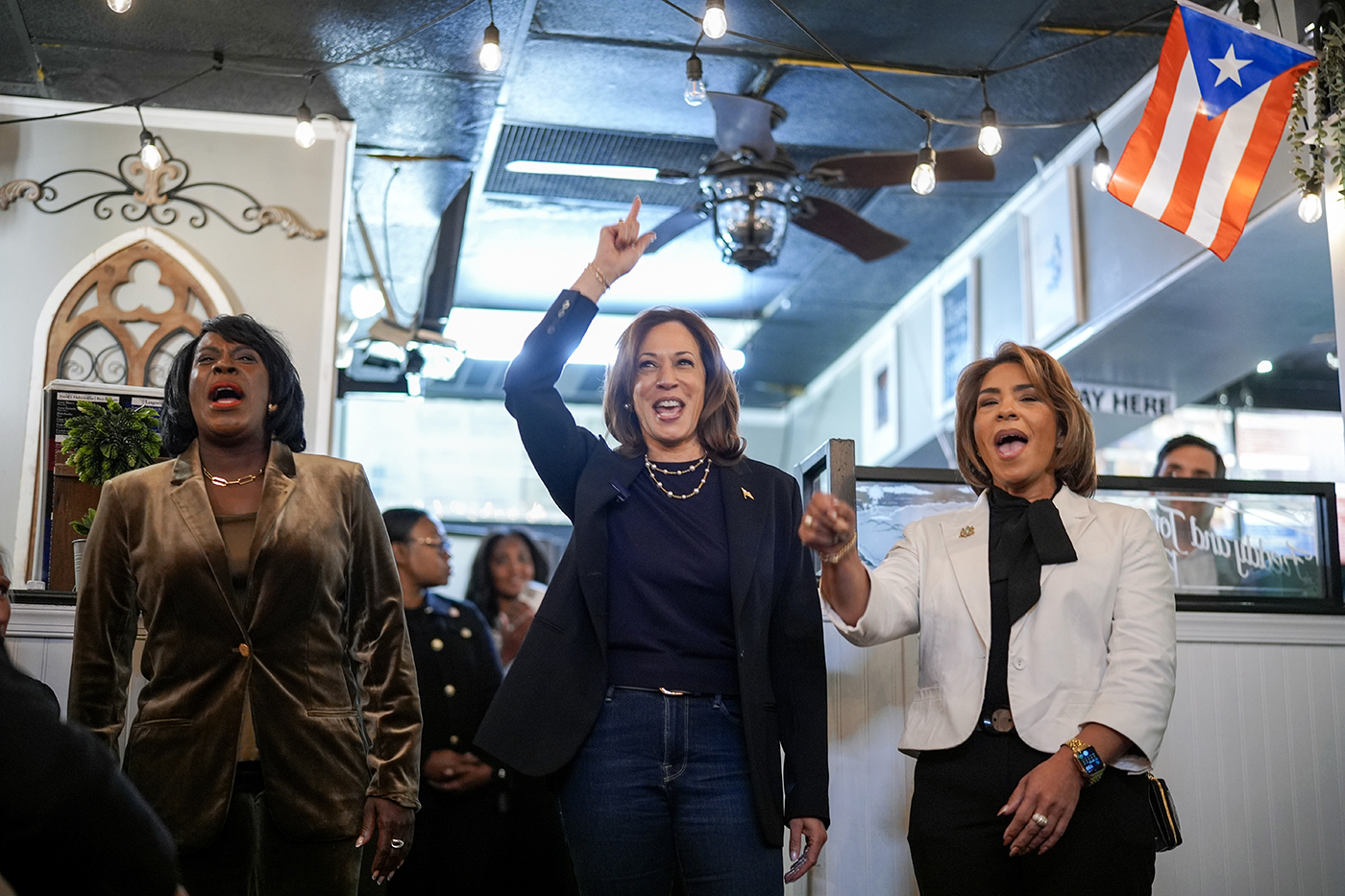
While Puerto Ricans cannot vote in the general presidential election, they do participate in the primary elections of the Democratic and Republican parties. These primaries allow Puerto Rican voters to help select delegates who will then support a particular candidate at the national party conventions. This means their voices can influence who gets nominated to run for president, but they have no say in the final vote between the nominated candidates.
Furthermore, Puerto Rico has a non-voting resident commissioner in the US House of Representatives. This representative can speak on the House floor and participate in committees but cannot cast votes on final legislation. This arrangement further underscores the unique, and often frustrating, political limbo in which the island finds itself. Understanding these intricacies is crucial for any visitor who wishes to engage with the local population and appreciate the depth of their civic conversations.
Life and Tourism in Puerto Rico Beyond the Ballot Box
Despite its complex political status, Puerto Rico thrives as a vibrant hub of culture, history, and natural beauty, making it an irresistible destination for travelers worldwide. The island’s spirit is defined by its resilience, the warmth of its people, and an unparalleled richness that blends Spanish, African, and Taíno influences. For tourists, this means an immersive experience far beyond just sunny beaches; it’s a journey into a dynamic way of life.
A Rich Tapestry of Culture and History
Puerto Rico’s cultural heritage is one of its most compelling attractions. Old San Juan, with its cobblestone streets, colorful colonial buildings, and grand fortresses, is a UNESCO World Heritage site that transports visitors back in time. Walking through its narrow lanes, one can explore historic landmarks like Castillo San Felipe del Morro and Castillo San Cristóbal, monumental structures that once guarded the bay of San Juan from invaders. These sites offer not only breathtaking views of the Atlantic Ocean but also a profound connection to the island’s strategic past.
The island’s vibrant culture extends to its world-renowned cuisine. From street-side pinchos and empanadillas to upscale dining experiences featuring contemporary Puerto Rican fusion, the food scene is a testament to its diverse influences. Indulge in mofongo, a hearty dish of fried plantains, or savor fresh seafood caught daily. San Juan’s bustling markets, like La Placita de Santurce, offer a lively glimpse into local life, complete with music, dancing, and an array of fresh produce. Beyond the capital, smaller towns and villages each offer their unique culinary traditions and festivals, celebrating everything from plantains to coffee.
Music is the soul of Puerto Rico. The rhythmic beats of salsa, merengue, and reggaeton fill the air, inviting everyone to dance. Live music venues abound, particularly in areas like La Placita and the upscale neighborhoods of Condado and Santurce. The annual San Sebastián Street Festival in Old San Juan is a testament to the island’s celebratory spirit, drawing thousands for parades, music, and traditional crafts.
Exploring Puerto Rico’s Natural Wonders and Landmarks
Puerto Rico is a paradise for nature lovers and adventurers. Its diverse ecosystems range from lush rainforests to pristine beaches and bioluminescent bays. The El Yunque National Forest, the only tropical rainforest in the US National Forest System, offers exhilarating hiking trails, stunning waterfalls like La Mina and Juan Diego, and incredible biodiversity. Visitors can swim in natural pools, marvel at the ancient trees, and spot unique wildlife, including the coqui frog, an iconic symbol of the island.
The island boasts some of the most beautiful beaches in the world. Flamenco Beach on the island of Culebra consistently ranks among the top, famed for its white sand and turquoise waters. Other notable beaches include Luquillo Beach, with its calm waters perfect for families, and the vibrant shores of Condado and Isla Verde in San Juan, which are lined with hotels and resorts. For surfers, Rincón on the west coast offers some of the best waves in the Caribbean.

A truly magical experience awaits at Puerto Rico’s bioluminescent bays, particularly Mosquito Bay in Vieques and Laguna Grande in Fajardo. Paddling through these glowing waters at night, where microorganisms light up with every movement, is an unforgettable natural phenomenon. These bays are fragile ecosystems, and guided tours are essential to ensure their preservation.
Accommodation and Lifestyle for Visitors
Puerto Rico offers a diverse range of accommodation options to suit every traveler’s budget and style, from luxurious five-star resorts to charming boutique hotels and cozy vacation rentals. In San Juan, neighborhoods like Condado and Isla Verde are home to upscale hotels such as the Condado Vanderbilt Hotel and Caribe Hilton, offering oceanfront views, world-class amenities, and exquisite dining. For those seeking a more secluded and indulgent experience, the St. Regis Bahia Beach Resort near Río Grande or the Dorado Beach, a Ritz-Carlton Reserve, provide unparalleled luxury with private beaches and championship golf courses.
Budget-conscious travelers will find plenty of options too, including charming guesthouses in Old San Juan, hostels, and a growing number of Airbnb rentals across the island. For longer stays or family trips, apartments and villas offer the comfort of home, often with fully equipped kitchens and multiple bedrooms, allowing for a more authentic and cost-effective travel experience. Booking platforms provide easy comparison and reviews, helping visitors find the perfect fit for their needs.
Beyond the specific type of accommodation, the lifestyle Puerto Rico offers is one of vibrant relaxation and adventure. Whether you prefer luxury travel, budget-friendly excursions, family trips filled with activities, or a business stay with opportunities to explore, Puerto Rico caters to all. From bustling city life in San Juan to the tranquility of its mountainous interior or the laid-back pace of its smaller islands like Vieques and Culebra, the island provides a diverse backdrop for any kind of vacation. The friendly locals, known for their hospitalidad, ensure that every visitor feels welcome and experiences the true warmth of Puerto Rican culture.
The Debate: Statehood and its Implications
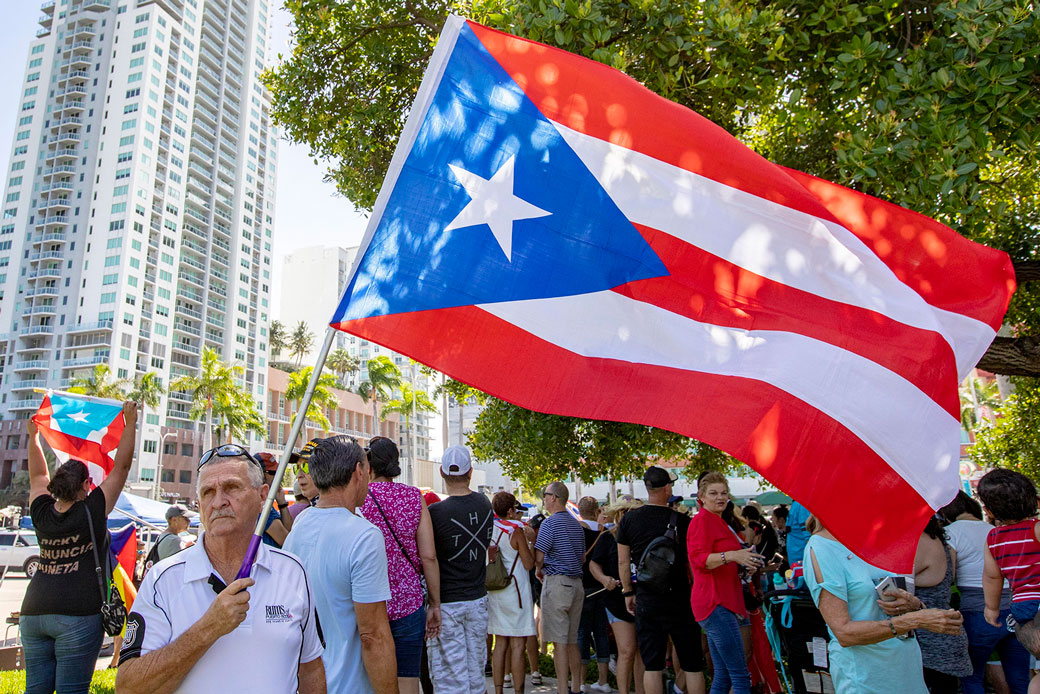
The question of Puerto Rico’s political future—whether it should remain a commonwealth, become a US state, or achieve independence—is a deeply emotional and politically charged issue that has simmered for decades. For many Puerto Ricans, the inability to vote for their own President is a symbol of their unequal status within the United States.
Proponents of statehood argue that full integration into the US would grant Puerto Ricans the same rights and responsibilities as other US citizens, including representation in Congress and the right to vote in presidential elections. They believe statehood would also bring economic stability, increased federal funding for essential services like healthcare and infrastructure, and a clearer path to economic development. Historically, several plebiscites have been held on the island, with varying results, often reflecting a divided electorate and questions about the validity and turnout of the votes. However, recent plebiscites have shown a majority favoring statehood, though these are non-binding and ultimately require action from the US Congress.
Opponents of statehood, on the other hand, express concerns about losing Puerto Rico’s distinct cultural identity and the potential for increased federal taxes without a corresponding increase in local control. They also worry about the impact on the Spanish language, which is dominant on the island, and its unique legal system. Some advocate for enhanced commonwealth status, seeking more autonomy while maintaining ties with the US, while a smaller segment supports complete independence.
Economic Impact and Future Outlook
The political status debate is inextricably linked to Puerto Rico’s economic challenges. The island has faced significant financial difficulties, exacerbated by hurricanes like Maria in 2017 and a substantial public debt crisis. As a territory, Puerto Rico does not receive the same level of federal funding or benefits as states, leading to disparities in crucial services.
If Puerto Rico were to become a state, it would gain access to full federal programs and funding, which could significantly boost its economy and improve living standards. It would also lead to full federal tax obligations for its residents. The transition, however, would be complex and would involve navigating profound changes to its legal, economic, and political structures. For the tourism sector, statehood could potentially bring increased investment and streamlined travel processes, but also might alter the unique charm derived from its distinct status.
The future of Puerto Rico remains an evolving narrative. While the political question continues to be debated in homes, cafes, and legislative halls, the island remains steadfast in its spirit, welcoming visitors to experience its unparalleled beauty and rich heritage. For tourists, understanding this backdrop adds another layer of appreciation for the destination, allowing for more meaningful interactions and a deeper insight into the resilience and aspirations of the Puerto Rican people.
In conclusion, the answer to “Does Puerto Rico vote for president?” is a nuanced “no” for the general election, with a “yes” for presidential primaries. This complex political reality in no way diminishes Puerto Rico’s immense appeal as a travel destination. It is a place where history, culture, and nature converge to create an unforgettable experience, whether you’re relaxing on a world-class beach, exploring ancient forts, or dancing to the rhythm of salsa in a vibrant plaza. Come and discover Puerto Rico – an island of captivating beauty, warm hospitality, and a unique story waiting to be explored.