
The question of whether Puerto Rico votes for the President of the United States in the general election is a common one, and the answer is nuanced. While Puerto Ricans are U.S. citizens, they do not participate in the presidential general election. This unique political status shapes many aspects of life on the island, from its economy to its cultural identity, and significantly influences its appeal as a vibrant travel destination. Understanding this dynamic is key to appreciating both the political landscape and the rich experiences Puerto Rico offers to visitors worldwide.
Understanding Puerto Rico’s Unique Political Status
Puerto Rico’s relationship with the United States is defined by its status as an unincorporated territory. This means that while it belongs to the United States, it is not an integral part of it, nor is it a state. This commonwealth status, established in 1952, grants residents U.S. citizenship, but with certain limitations regarding federal representation and voting rights.
The Commonwealth Relationship and U.S. Citizenship
As U.S. citizens, Puerto Ricans carry U.S. passports, can travel freely to and from the mainland United States, and are subject to federal laws, though often with some exemptions. They serve in the U.S. military, pay federal taxes like Social Security and Medicare, but are largely exempt from federal income taxes on income earned within Puerto Rico.
However, this citizenship comes without full political representation at the federal level. Puerto Rico elects a Resident Commissioner to the U.S. House of Representatives, who can speak and vote in committees but cannot vote on the final passage of legislation on the House floor. The island has no representation in the U.S. Senate, and most importantly, its citizens residing on the island cannot vote in general elections for the President of the United States. Puerto Ricans who move to one of the 50 U.S. states, however, gain the right to vote in presidential elections.
Primary Elections vs. General Elections
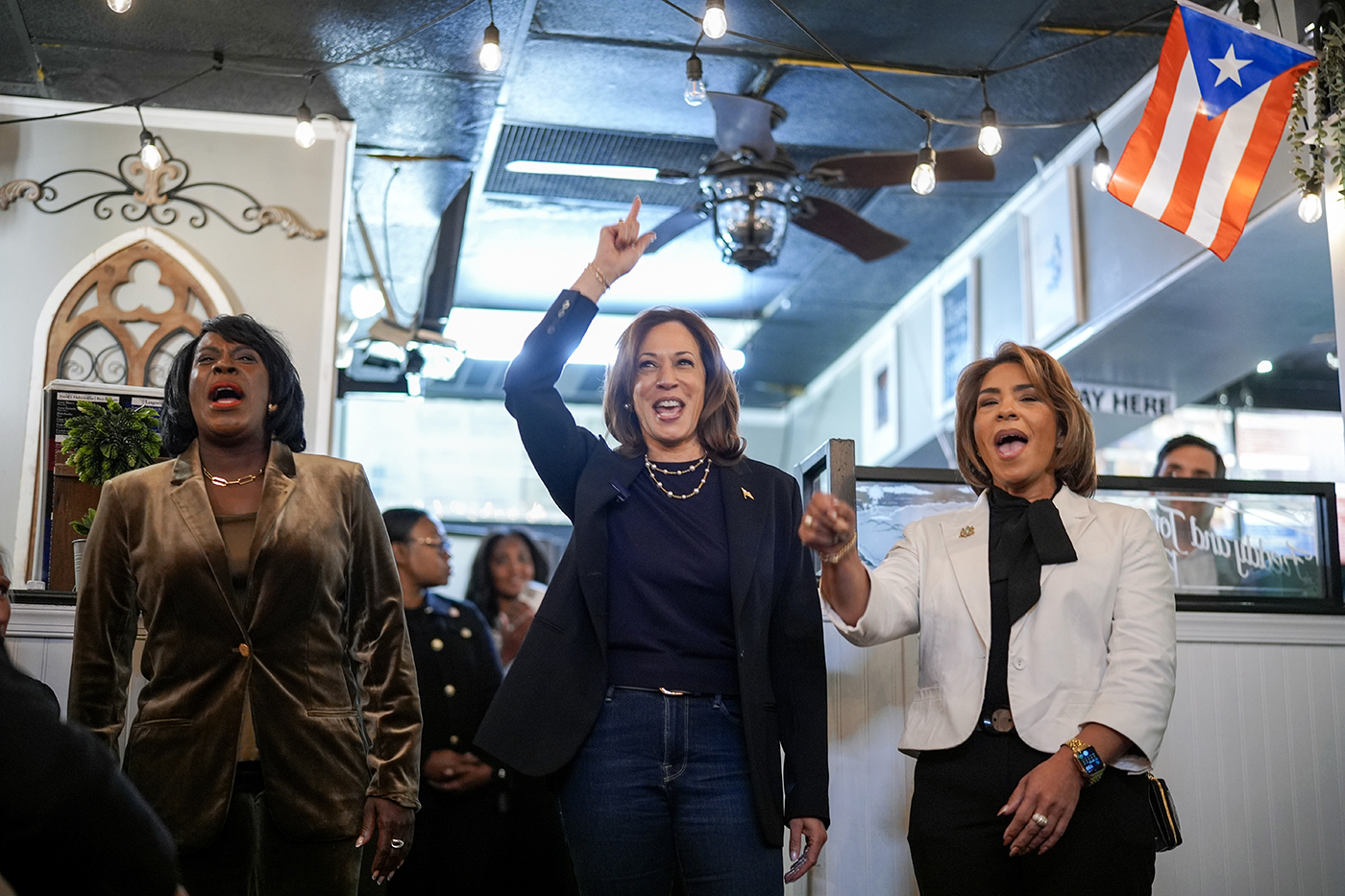
While Puerto Rico does not participate in the November general election, its residents do play a role in the presidential nomination process. Both the Democratic and Republican parties hold primary elections or caucuses in Puerto Rico. These primaries allow Puerto Rican voters to select delegates who will represent their choices at the national party conventions, influencing who ultimately becomes the presidential nominee for each party. This means that in the lead-up to 2024, candidates and their campaigns visited the island, engaging with voters and seeking their support, even though those votes won’t directly translate into general election ballots for the presidency.
The Impact on Daily Life and Tourism
The political status of Puerto Rico has a profound effect on its economy, infrastructure, and the daily lives of its residents. For visitors, this status often translates into a seamless travel experience, blending the familiarity of U.S. standards with the exotic allure of the Caribbean.
A Blend of Cultures: U.S. Influence and Caribbean Charm
One of the most captivating aspects of Puerto Rico is its unique cultural fusion. As a U.S. territory, it benefits from many aspects of American infrastructure, including a reliable banking system, U.S. postal services, and widespread use of the U.S. dollar, which simplifies financial transactions for travelers. English is widely spoken, especially in tourist areas, alongside the official language of Spanish.
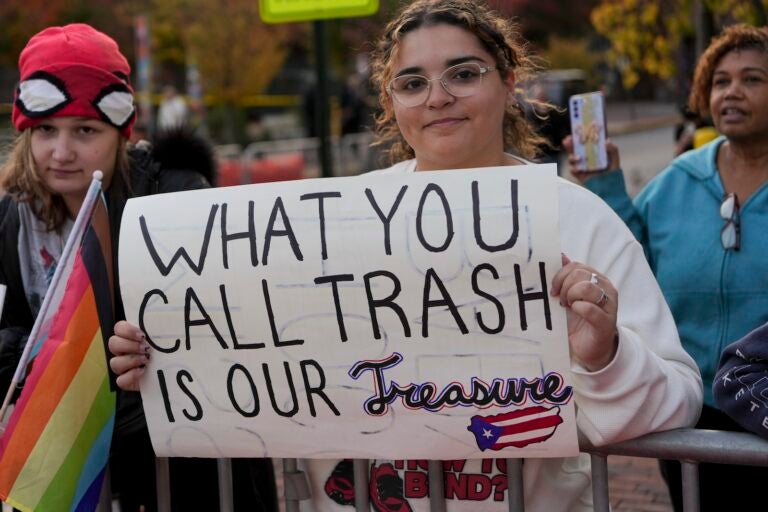
However, beneath this veneer of American influence lies a vibrant Caribbean soul. The music, food, festivals, and warmth of its people are distinctly Puerto Rican, reflecting a rich history shaped by Taíno, Spanish, and African heritage. This cultural duality offers travelers the best of both worlds: the ease and convenience of a U.S. destination combined with the authentic, colorful experiences of a Latin American island. Whether you’re savoring mofongo in a local eatery or dancing to salsa rhythms, you’ll feel the island’s unique heartbeat.
Economic Implications for Travel and Accommodation
The political stability and economic ties to the United States have a direct impact on the travel and accommodation sectors in Puerto Rico. For American travelers, the absence of passport requirements (for U.S. citizens), coupled with domestic flight options, makes Puerto Rico an incredibly accessible international-feeling destination without the usual international travel hurdles. This ease of access encourages a steady flow of tourism.
The commonwealth status also influences investment in the hospitality sector. Major U.S. hotel chains and resort developers find a familiar regulatory and legal framework, fostering confidence for large-scale projects. This has led to the development of world-class hotels and resorts across the island, catering to a wide range of budgets and preferences. From luxury beachfront properties in Dorado Beach to boutique hotels in Old San Juan, the options are diverse. The government, through agencies like the Puerto Rico Tourism Company, actively promotes the island, understanding its vital role in the economy. This focus on tourism helps maintain high standards for visitor services and infrastructure.
Exploring Puerto Rico: A Traveler’s Perspective
Despite its unique political situation, Puerto Rico remains an undeniable gem in the Caribbean, offering an unparalleled range of experiences for every type of traveler.
Iconic Landmarks and Attractions
Puerto Rico’s landscape is as diverse as its culture, featuring lush rainforests, pristine beaches, and historical treasures. One of its most famous landmarks is El Morro, the magnificent 16th-century fortress guarding the entrance to San Juan Bay. A UNESCO World Heritage Site, El Morro offers a captivating glimpse into Spanish colonial history. Nearby, the vibrant, cobblestone streets of Old San Juan invite exploration with their colorful buildings, charming plazas, and historic churches like the Catedral de San Juan Bautista.
For nature lovers, a visit to El Yunque National Forest, the only tropical rainforest in the U.S. National Forest System, is a must. Here, you can hike through lush trails, discover stunning waterfalls like La Mina Falls, and listen to the enchanting call of the coqui frog. The island is also home to three of the world’s five bioluminescent bays – Mosquito Bay in Vieques, Laguna Grande in Fajardo, and La Parguera in Lajas – where microscopic organisms illuminate the water at night, creating a magical glow. Beyond these, Puerto Rico boasts world-class beaches like Flamenco Beach on Culebra and Luquillo Beach, perfect for swimming, sunbathing, and water sports.
Hotels and Resorts for Every Lifestyle
Puerto Rico’s accommodation scene is exceptionally robust, catering to every travel style and budget. For those seeking unparalleled luxury, properties like the Condado Vanderbilt Hotel in San Juan or the St. Regis Bahia Beach Resort offer exquisite service, private beaches, and world-class amenities. The Ritz-Carlton Reserve Dorado Beach provides an exclusive, tranquil escape for discerning travelers. These resorts often feature award-winning spas, championship golf courses, and gourmet dining experiences, ideal for a lavish retreat or a special occasion.
Mid-range options are plentiful, with comfortable hotels and stylish boutique stays, particularly in Old San Juan and the popular Condado district, offering great value and easy access to attractions. For budget-conscious travelers or those seeking a more authentic local experience, guesthouses, vacation rentals, and even hostels can be found throughout the island, particularly in smaller towns and along the coast. Families will find numerous resorts with kids’ clubs, water parks, and family-friendly activities, making it an ideal destination for all ages. For business stays, many hotels offer extensive conference facilities and convenient locations. Booking is generally straightforward, with major online platforms providing numerous options, detailed reviews, and comparison tools to help visitors find their perfect stay, whether for a short trip or a long-term visit.
Embracing Local Culture and Food
No trip to Puerto Rico is complete without immersing oneself in its vibrant culture and savoring its delectable cuisine. The island’s food scene is a delightful blend of Spanish, African, and Taíno influences, resulting in unique and flavorful dishes. Must-try specialties include mofongo (fried plantains mashed with garlic and pork cracklings), lechón (slow-roasted suckling pig), pasteles (similar to tamales), and arroz con gandules (rice with pigeon peas). Don’t miss the opportunity to visit a local “lechonera” in the countryside, particularly along the Pork Highway in Guavate, for an unforgettable culinary experience.
Beyond food, Puerto Rico is synonymous with music and dance. Salsa, bomba, and plena rhythms fill the air, especially during festivals and in local bars. Exploring the art scene, visiting local markets, and participating in an authentic cooking class are excellent ways to connect with the island’s soul. Tips for travelers include learning a few basic Spanish phrases, being open to spontaneous encounters, and respecting local customs. The warmth and hospitality of the Puerto Rican people are a highlight of any visit, making the experience truly memorable.
Looking Ahead: The Future of Puerto Rico’s Political Landscape
The debate over Puerto Rico’s political future—statehood, independence, or an enhanced commonwealth status—is a recurring and significant topic. Plebiscites have been held over the years, with varying results and controversies, reflecting the complex views of the island’s population. As of 2024, the discussion continues in Washington D.C. and on the island, with proponents for each status advocating for their preferred path.
Should Puerto Rico achieve statehood, its citizens would gain full voting rights in presidential elections and full representation in Congress. This could potentially lead to increased federal funding, greater economic stability, and changes in the island’s tax structure, which in turn might impact tourism and investment. Conversely, independence would dramatically alter Puerto Rico’s relationship with the United States, requiring new policies for citizenship, currency, and trade, which would undoubtedly reshape its identity and visitor experience. While the political future remains uncertain, Puerto Rico’s resilient spirit and unique blend of cultures are sure to endure, continuing to captivate and welcome travelers from around the globe.
In conclusion, while Puerto Rico does not vote for the President of the United States in the general election, its complex political status as a U.S. territory is intrinsically linked to its identity, economy, and extraordinary appeal as a travel destination. This dynamic offers a unique backdrop to an island brimming with historical sites, natural wonders, and a vibrant culture, making it a truly unforgettable place to explore.
LifeOutOfTheBox is a participant in the Amazon Services LLC Associates Program, an affiliate advertising program designed to provide a means for sites to earn advertising fees by advertising and linking to Amazon.com. Amazon, the Amazon logo, AmazonSupply, and the AmazonSupply logo are trademarks of Amazon.com, Inc. or its affiliates. As an Amazon Associate we earn affiliate commissions from qualifying purchases.