
When picturing a city with a subway, images of bustling platforms in New York or the iconic Underground of London often come to mind. Seattle, with its distinct topography of hills, waterways, and a forward-thinking tech culture, presents a unique approach to urban transportation. The burning question for many visitors and prospective residents is: does Seattle have a subway system in the traditional sense?
The short answer is: not exactly a conventional subway, but a robust and rapidly expanding public transit network that serves a similar purpose, efficiently moving people across the city and beyond. While you won’t find a sprawling, interconnected grid of deep underground lines reminiscent of older metropolitan hubs, Seattle’s public transport is increasingly sophisticated, offering convenient access to its numerous attractions, vibrant neighborhoods, and crucial transit points like the airport. The cornerstone of this system is the Link Light Rail, supplemented by an extensive bus network, streetcars, and even a historic monorail. For any traveler exploring this dynamic Pacific Northwest gem, understanding how to navigate Seattle’s public transport is key to a seamless and authentic experience.
Navigating Seattle’s Urban Core: Understanding the Transit System
Seattle’s public transportation infrastructure has seen significant investment and growth in recent years, transforming how both locals and tourists interact with the city. It’s a multi-modal system designed to connect key areas, reduce traffic congestion, and support the region’s burgeoning population. Far from being an afterthought, transit in Seattle is an integral part of its urban planning and lifestyle.
The Link Light Rail: Seattle’s Modern Backbone
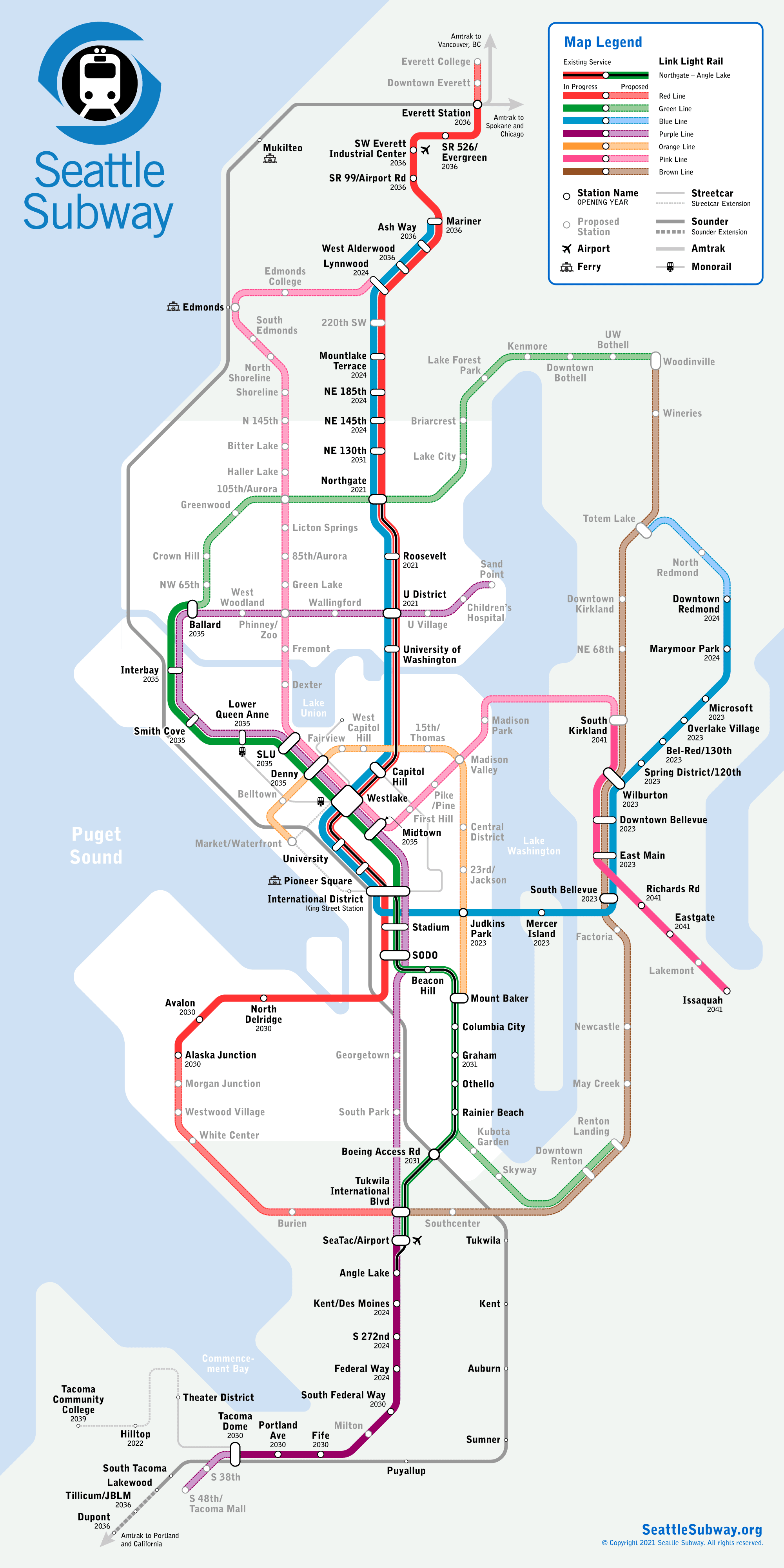
The Link Light Rail is the closest thing Seattle has to a “subway” or metropolitan rail system. Operated by Sound Transit, this system combines elevated, at-grade, and underground sections, creating a dynamic travel experience. Its main line currently runs from Seattle-Tacoma International Airport (often referred to as Sea-Tac Airport) through downtown Seattle and extends north to the University of Washington and beyond. This single line is an absolute game-changer for travelers, providing a direct, traffic-free route from the airport to the city center in about 40 minutes, making it incredibly convenient for those arriving by air.
For tourists, the Link Light Rail connects many of Seattle’s major attractions and neighborhoods. Stations are strategically located near popular destinations, allowing visitors to easily hop on and off to explore. The trains are modern, clean, and offer comfortable seating, making even longer journeys pleasant. They typically run frequently, usually every 6 to 10 minutes during peak hours and every 15 minutes otherwise, ensuring minimal wait times. Operating hours are extensive, generally from early morning until late at night, accommodating various travel schedules.
Beyond the Link: Streetcars, Monorail, and Buses
While the Link Light Rail forms the spine of Seattle’s rapid transit, several other modes of transportation complement it, filling in the gaps and offering unique ways to experience the city.
The Seattle Streetcar network currently consists of two lines: the South Lake Union line and the First Hill line. The South Lake Union line is particularly useful for those interested in the city’s booming tech sector, connecting Westlake Center (downtown) with the innovation hub of South Lake Union, home to Amazon and numerous biotech companies. The First Hill line serves medical centers and residential areas, providing essential local connectivity. These streetcars offer a charming, on-street alternative for shorter distances, allowing passengers to enjoy the cityscape as they travel.
A true icon of Seattle, the Seattle Center Monorail offers a blast from the past and a practical link between Westlake Center in Downtown Seattle and the Seattle Center. Built for the 1962 World’s Fair, this elevated train provides a quick, direct, and scenic two-minute ride. It’s particularly useful for visitors heading to major attractions at the Seattle Center, such as the Space Needle, Museum of Pop Culture, and Chihuly Garden and Glass. While not extensive, its historical significance and efficient service make it a beloved part of Seattle’s transit landscape.
Finally, the extensive bus network operated by King County Metro Transit truly blankets the entire city and surrounding areas. These buses reach virtually every neighborhood, filling in the gaps left by the rail and streetcar lines. Downtown, some bus routes even utilize dedicated underground tunnels, mimicking a subway experience and bypassing surface traffic. For reaching specific, off-the-beaten-path destinations or connecting between different transit hubs, the bus system is indispensable. Real-time tracking apps make navigating the bus routes straightforward, ensuring visitors can reach their desired locations efficiently.
Practicalities for Visitors: Fares, Passes, and Accessibility
For visitors, understanding how to pay for and utilize Seattle’s transit system is crucial for a stress-free trip. The city has made great strides in creating an integrated and user-friendly fare system.
Mastering the ORCA Card
The key to seamless travel across Seattle’s public transport network is the ORCA Card. This reloadable smart card works across all major transit agencies in the Puget Sound region, including Sound Transit (for the Link Light Rail), King County Metro Transit (buses), the Seattle Streetcar, and even Washington State Ferries.
Acquiring an ORCA Card is simple:
- Where to Buy: Cards can be purchased at vending machines located at all Link Light Rail stations, at select retail outlets like drugstores and grocery stores, and online through the official ORCA Card website.
- Loading Value: You can load monetary value (e-purse) onto the card, which then deducts the fare for each ride, or you can load agency-specific passes if you plan extensive use of one particular mode (though e-purse is generally best for tourists using multiple modes).
- Benefits: The ORCA Card eliminates the need for exact change on buses and allows for smooth transfers between different transit modes within a two-hour window, often at no extra cost or a reduced fare. Simply tap your card on the reader when boarding and alighting the Link Light Rail and streetcars, or just when boarding buses.

While single paper tickets are available for the Link Light Rail at station vending machines, and cash fares are accepted on buses (exact change preferred), the ORCA Card offers the most convenience and efficiency for visitors planning to use transit regularly.
Navigating with Ease: Apps and Accessibility
Modern technology has made navigating public transit systems simpler than ever. For Seattle, several mobile applications provide real-time information, helping travelers plan their journeys effectively:
- Google Maps: Offers comprehensive transit directions, including real-time bus and train arrival predictions.
- Transit App: A popular app that provides real-time tracking, schedules, and step-by-step navigation for various transit modes.
- OneBusAway: A local favorite for detailed real-time bus tracking.
Seattle’s public transit system is also committed to accessibility. All Link Light Rail stations and vehicles are ADA-compliant, featuring elevators, ramps, and ample space for wheelchairs and mobility devices. Buses are equipped with ramps or lifts, and many offer priority seating. Audible announcements and visual displays on trains and buses assist passengers with sensory impairments. This commitment ensures that all visitors, regardless of their mobility needs, can comfortably explore the city.
Connecting Seattle’s Iconic Landmarks and Neighborhoods
One of the greatest advantages of Seattle’s public transit system is its ability to effortlessly connect travelers to the city’s most beloved attractions and vibrant districts. Utilizing transit allows visitors to immerse themselves in Seattle’s local culture, bypassing the stress of traffic and parking.
A Tourist’s Transit Itinerary
Let’s outline a hypothetical itinerary showcasing how transit can enhance a Seattle visit:
- Arrival at Sea-Tac Airport: Upon landing, head directly to the Link Light Rail station at the airport. Purchase or tap your ORCA Card and enjoy a direct ride to Downtown Seattle. Many premier hotels like the Hyatt Regency Seattle or Grand Hyatt Seattle are within walking distance or a short bus ride from downtown stations like Westlake Station.
- Downtown Exploration: From Westlake Station, you’re perfectly positioned to explore. A short walk takes you to Pike Place Market, where you can witness fish throwing, browse artisan goods, and sample local delicacies. Nearby is the Seattle Art Museum and the bustling retail district.
- Seattle Center Adventures: To reach the Seattle Center, simply hop on the historic Seattle Center Monorail from Westlake Center. This quick ride deposits you right at the heart of the fairgrounds, home to the iconic Space Needle, the imaginative Museum of Pop Culture, and the stunning Chihuly Garden and Glass exhibit.
- University District & Campus Charm: For a taste of academic life and youthful energy, take the Link Light Rail north to the University of Washington station. Explore the beautiful campus, known for its cherry blossoms in spring, or browse the shops and eateries at University Village.
- Vibrant Capitol Hill: Just one stop from Westlake Station on the Link Light Rail is Capitol Hill Station. This neighborhood is renowned for its lively nightlife, diverse dining scene, trendy boutiques, and beautiful green spaces like Volunteer Park.
- South Lake Union & Fremont: Explore South Lake Union and its tech-centric atmosphere using the Seattle Streetcar. For the quirky charm of Fremont, home to the famous Fremont Troll and Gas Works Park with its panoramic skyline views, a short bus ride will get you there.
- Island Escapes: If you’re looking to explore beyond the city, Seattle’s transit system connects directly to Colman Dock, the main terminal for Washington State Ferries. From here, you can take a scenic ferry ride to Bainbridge Island for charming small-town exploration, or even onward to Victoria, British Columbia in Canada for an international day trip (though a passport is required!).
Beyond Public Transit: Other Ways to Explore Seattle
While Seattle’s public transit is highly efficient, the city offers a variety of other ways to get around, catering to different preferences and itineraries. Integrating these options can further enhance your travel experience.
- Walkability: Many of Seattle’s core neighborhoods are incredibly walkable. Downtown Seattle, Pike Place Market, Pioneer Square, and even parts of Capitol Hill and Ballard are best explored on foot. Be prepared for hills, however, as Seattle’s geography includes some significant inclines. Comfortable shoes are a must!
- Ride-shares and Taxis: Services like Uber and Lyft, as well as traditional taxis, are readily available throughout Seattle. They offer convenience for direct trips, especially during off-hours, or when carrying luggage. While generally more expensive than public transit, they can be a good option for specific situations or late-night travel.
- Bike Share/Scooters: Seattle has embraced micro-mobility options, with various bike-share and electric scooter services available. These are excellent for short distances, especially in flatter areas or for exploring bike-friendly paths. Always remember to wear a helmet and follow local traffic laws.
- Car Rental: For those planning excursions outside the city limits, renting a car is highly recommended. Seattle serves as an excellent base for exploring stunning natural wonders like Mount Rainier National Park, Olympic National Park, or the scenic San Juan Islands. However, within the city, a car can be more of a hindrance than a help due to traffic congestion and expensive, often scarce, parking. For inner-city travel, public transit, walking, or ride-shares are usually superior choices.
The Future of Seattle’s Transit and Tourism Experience
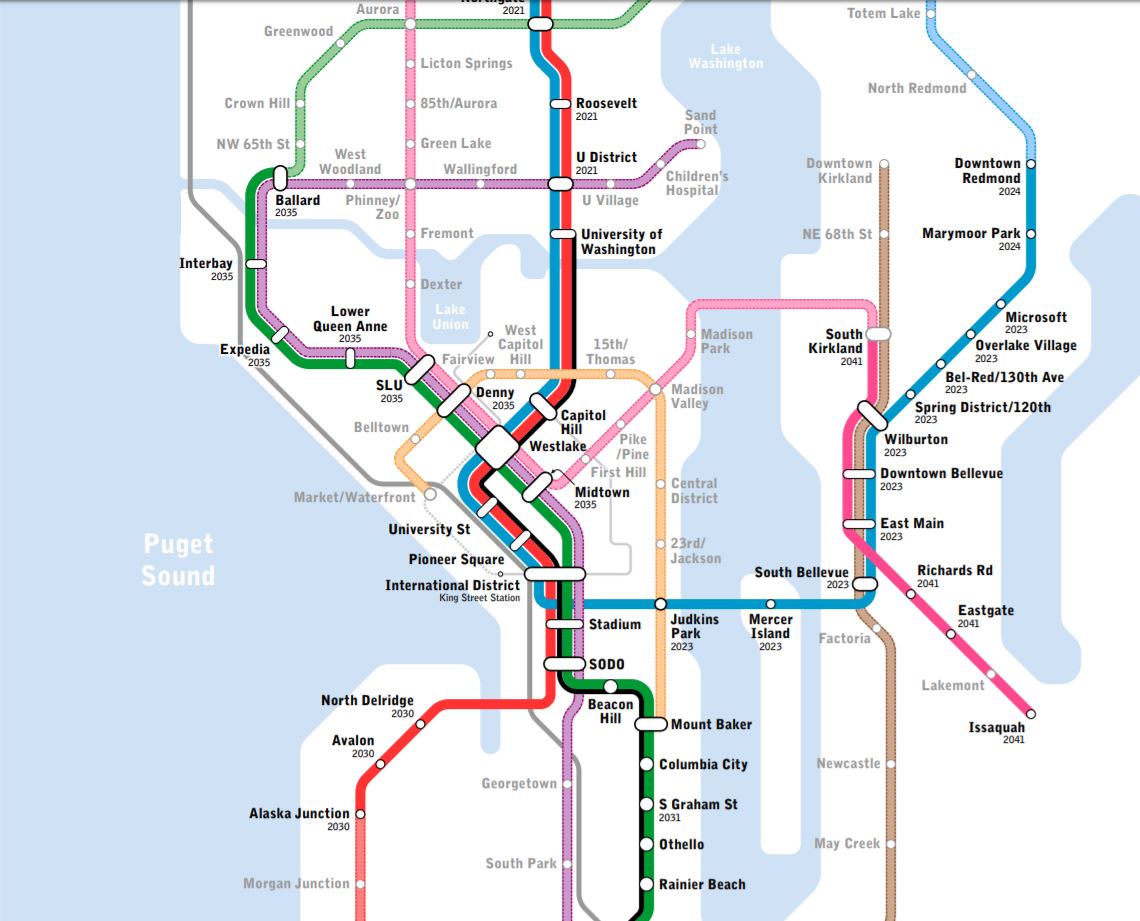
Seattle’s commitment to expanding its public transit is unwavering, promising an even more connected city in the coming decades. The Sound Transit 3 (ST3) expansion project is a massive undertaking that will significantly extend the Link Light Rail network.
This ambitious plan, funded by local taxes, includes new lines and dozens of new stations that will reach areas currently underserved by rapid transit, such as West Seattle, Ballard, and even northern suburbs like Everett. The vision is to create a truly regional rapid transit system, making it easier for residents and visitors alike to access all corners of the Puget Sound region without relying on personal vehicles.
The impact of these expansions on tourism will be profound. Future visitors will find it even simpler to explore a broader array of neighborhoods, each with its unique character, dining, and cultural offerings. Imagine a direct light rail connection to the bustling breweries of Ballard or the scenic waterfronts of West Seattle. This enhanced connectivity will reduce urban traffic, decrease the environmental footprint of travel, and offer a more sustainable and stress-free way to experience the best of Seattle.
In essence, while Seattle may not fit the classic definition of having a “subway,” its progressive and ever-growing public transit system, spearheaded by the Link Light Rail, performs the crucial function of a modern urban rail network. It’s an efficient, reliable, and increasingly extensive way to navigate this captivating Emerald City.
In conclusion, for those wondering “Does Seattle have a subway?”, the answer is a resounding “yes,” but with a modern, multi-modal twist. Seattle’s public transport infrastructure is a testament to its forward-thinking ethos, offering visitors a convenient, cost-effective, and environmentally friendly way to explore its iconic landmarks, hidden gems, and diverse neighborhoods. By embracing the Link Light Rail, streetcars, monorail, and buses, travelers can unlock a richer, more authentic, and often more enjoyable Seattle experience, truly immersing themselves in the lifestyle of this vibrant Pacific Northwest hub. So, when planning your next trip to Seattle, be sure to factor in its excellent transit options – they are your ticket to discovering the city’s unique charm.